
⚠️ We don't recommend this product
Physical quality complaints cluster: stems, tea dust, broken leaves, and loose cake compression appear across four reviewers, and two separately report finding human hair in the cake — a serious quality-control concern that warrants flagging.
Consider these alternatives




We analyze real customer reviews to surface what matters: key strengths, ideal use cases, and honest considerations — so you can make an informed choice.
TAETEA Nectar Raw Pu-erh Tea Cake (320g)
A young sheng (raw pu-erh) cake from TAETEA's Menghai factory — reviewers benchmark it against Dayi's 7542 recipe and frame it as a value-tier entry into that lineage.
🍃 Strength: Medium

What Stands Out
🍃 Flavor Profile
Strength: Medium
Most reviewers reach for 'smooth' first (4 of 16 eligible reviews), backed by a defined bitterness true to young sheng (3 of 16) and a quiet sweetness underneath. Beyond that core, individual drinkers pull out smokey-into-chestnutty cream, hints of vanilla and tobacco, and a dark-berry suggestion in the aftertaste — each from a single review. The body reads light rather than thick; one reviewer describes it as 'a bit thin with not much mouthfeel.'
🎯 Best For
gongfu-style multi-infusion sessions • value-tier exploration of the Dayi/TAETEA lineage • drinkers chasing cha qi in young sheng
Brand: TAETEA
Category: Pu-erh Tea
As an Amazon Associate we earn from qualifying purchases.
About This Pu-erh Tea
A young sheng (raw pu-erh) cake from TAETEA's Menghai factory, reviewers frame it against Dayi's 7542 recipe as a value-tier entry into that lineage. Most reach for 'smooth' first (4 of 16 eligible reviews), backed by a defined bitterness true to young sheng (3 of 16) and a quiet sweetness underneath. Beyond that core, individual drinkers pull out smokey-into-chestnutty cream, hints of vanilla and tobacco, and a dark-berry suggestion in the aftertaste — each from a single review. The body reads light rather than thick; one reviewer describes it as 'a bit thin with not much mouthfeel.'
We'd reach for this gongfu-style, where it fits drinkers exploring the TAETEA lineage at a lower price point or chasing cha qi in young sheng. One reviewer catches the cha qi — the body-felt 'tea buzz' that defines sheng appreciation — on the third infusion, and the leaves hold across 3–4 productive rounds. A hearty breakfast is the one specific food pairing surfaced.
Steep gongfu-style in short rounds. Expect 3–4 productive infusions, with the cha qi typically arriving around the third. Don't judge it against an aged raw pu-erh — this is young material, and the comparison reviewers themselves flag is the Dayi 7542 recipe, not aged stock.
We're flagging this one as not recommended. Physical quality complaints cluster across four reviewers — stems, tea dust, broken leaves, and loose cake compression — and two separately report finding human hair in the cake, a serious quality-control concern. The body also reads thin for the category, and this listing carries no return policy. If you want the TAETEA lineage with cleaner cake material, look elsewhere in the catalog; if you're set on this specific cake, go in knowing what other buyers have found.
Is TAETEA Nectar Raw Pu-erh Tea Cake (320g) Right for You?
What does this raw pu-erh taste like?
Most reviewers reach for 'smooth' first (4 of 16 eligible reviews), backed by a defined bitterness true to young sheng and a quiet sweetness underneath. Beyond that core, individual drinkers pull out smokey-into-chestnutty cream notes, hints of vanilla and tobacco, and a dark-berry suggestion in the aftertaste — each from a single review.
Is the body thick or thin?
The body reads light rather than thick — one reviewer describes it as 'a bit thin with not much mouthfeel,' and a small cluster of reviewers separately flag thin texture and lack of depth. If you want a heavy, syrupy young sheng, this isn't the cake for it.
How should I brew it?
Reach for it gongfu-style in short rounds — one reviewer specifically notes traditional gongfu preparation, and the cake appears built for that format rather than long Western-style steeps.
How many infusions does it give?
Across the reviews surveyed, it appears to hold up across 3–4 productive infusions in a gongfu session, with the cha qi typically arriving around the third round.
Does it produce a noticeable cha qi?
One reviewer specifically catches the cha qi — the body-felt 'tea buzz' that defines sheng appreciation — on the third infusion, and a second reviewer describes a tea-high sensation. So the cha qi appears to come through for at least some drinkers, though sample sizes here are small.
Are there quality control concerns I should know about?
Yes — two of 16 reviewers (12.5%) independently report finding human hair in the cake, which is a serious quality control concern worth flagging honestly. A broader cluster of four reviewers also call out stems, tea dust, broken leaves, and loose cake compression in the same listing.
As an Amazon Associate we earn from qualifying purchases.
Is the cake well pressed?
Several reviewers flag loose compression, broken edges, and broken leaves rather than tightly pressed intact material. Buyers expecting a clean, dense factory press should set expectations accordingly.
Who is this best for?
It appears best suited to drinkers already inside the TAETEA/Dayi recipe lineage who can benchmark a young sheng and enjoy gongfu sessions chasing cha qi. Beginners would likely find young sheng's bitterness and the gongfu format the wrong starting point.
How does it compare to other Dayi/TAETEA recipes like 7542?
Reviewers benchmark this against Dayi's 7542 recipe and frame it as an entry into that lineage. One reviewer specifically cautions against judging it against an aged raw pu-erh — it's a young sheng, and should be tasted as one.
Can I verify it's authentic TAETEA?
At least one reviewer mentions a QR-code on the wrapper that ties back to TAETEA's factory authentication system — useful given how often Dayi/TAETEA recipes get counterfeited in the pu-erh market.
Does it pair with food?
The one specific pairing surfaced by reviewers is after a hearty breakfast or a heavy meal — fitting the traditional digestive role young sheng plays in pu-erh drinking culture.
Category: How much caffeine does pu-erh tea have?
Pu-erh is moderate-to-high in caffeine. The Yunnan large-leaf assamica varietal evolved high caffeine concentrations as a natural defense against insects, so the raw material is more caffeinated than the small-leaf cultivars used for many green and oolong teas. Fermentation does not reliably lower caffeine — one study of Xiaguan tuo tea showed caffeine actually increased by 59% over 56 days of pile fermentation as other leaf mass was consumed by microbes. The smoother feel of ripe pu-erh comes from the absence of catechins, not from less caffeine.
As an Amazon Associate we earn from qualifying purchases.
Category: Who should be cautious about drinking pu-erh tea?
Because pu-erh is high in caffeine, people sensitive to stimulants, those with cardiac arrhythmia, and pregnant individuals should moderate intake or favor later steeps that extract less caffeine. Immunocompromised drinkers — transplant recipients, those on immunosuppressants, severe asthmatics — should avoid handling visibly moldy compressed cakes, since species like Aspergillus fumigatus that occur in pu-erh can be opportunistic pathogens, although the brewed tea itself is generally low-risk. Drinkers who are highly tannin-sensitive may find young raw pu-erh harsh on an empty stomach.
Category: How many times can pu-erh tea be re-steeped?
A quality compressed pu-erh — particularly material from older trees — can be re-steeped six to ten times or more in a gongfu setup before the flavor fades. Each infusion reveals a different facet: early steeps emphasize aromatics, middle steeps the body and mouthfeel, and later steeps the underlying sweetness and minerality. Tightly compressed cakes (especially Xiaguan iron-pressed productions) open up gradually and often give their best infusions in rounds three through six.
Taste Profile
Most reviewers reach for 'smooth' first (4 of 16 eligible reviews), backed by a defined bitterness true to young sheng (3 of 16) and a quiet sweetness underneath. Beyond that core, individual drinkers pull out smokey-into-chestnutty cream, hints of vanilla and tobacco, and a dark-berry suggestion in the aftertaste — each from a single review. The body reads light rather than thick; one reviewer describes it as 'a bit thin with not much mouthfeel.'
- After a hearty breakfast
- After a heavy meal
Brewing: Steep gongfu-style in short rounds — expect 3–4 productive infusions, with the cha qi typically arriving around the third.
Best Use Cases
🎯 Best For
- gongfu-style multi-infusion sessions
- value-tier exploration of the Dayi/TAETEA lineage
- drinkers chasing cha qi in young sheng
⚠️ Not Ideal For
- drinkers wanting a thick, full-bodied mouthfeel
- buyers expecting tightly pressed, intact cake material
- anyone hoping to compare directly against aged raw pu-erh
How People Use It
We'd reach for this gongfu-style — one reviewer catches the cha qi (the body-felt 'tea buzz' that defines sheng appreciation) on the third infusion, and the leaves hold across 3–4 productive rounds. A hearty breakfast is the one specific food pairing surfaced.
Good for Beginners
⚠️ Considerations
- Young sheng's bitterness and gongfu preparation are the wrong starting point for most beginners
For Experienced Users
✅ Worth Exploring
- Sits inside the TAETEA/Dayi recipe lineage that experienced pu-erh drinkers know how to benchmark
- Rewards gongfu brewing across multiple infusions with cha qi sensation
What to Consider
- Physical quality of the cake (stems, dust, broken leaves, loose pressing)
- Foreign object (human hair) reports — quality control concern
- Thin body and limited depth for the category
- No return policy on this listing
⚠️ based on 16-review sample. Some issues may not be captured.
About This Analysis
This analysis is based on 16 customer reviews. We're showing you everything we found, but with a moderate sample, there's a lot we likely haven't captured yet.
✅ What we're confident about: What customers love and best use cases
⚠️ What may be incomplete: Potential issues and considerations
For more perspectives, check customer reviews on Amazon.
Product Selection
In short: We only feature high-rated products.
Products on TeaDelight.net are selected based on strong Amazon customer ratings, sufficient review volume, and market presence. We focus on well-regarded products that tea enthusiasts are actively considering and purchasing.
As an Amazon Associate we earn from qualifying purchases.
You Might Also Like

✅ Long-lasting flavor across repeated steepings
Oriarmcha 2010 Lao Cha Tou Ripe Pu-erh Tea
✅ smoother, richer, sweeter than its price suggests
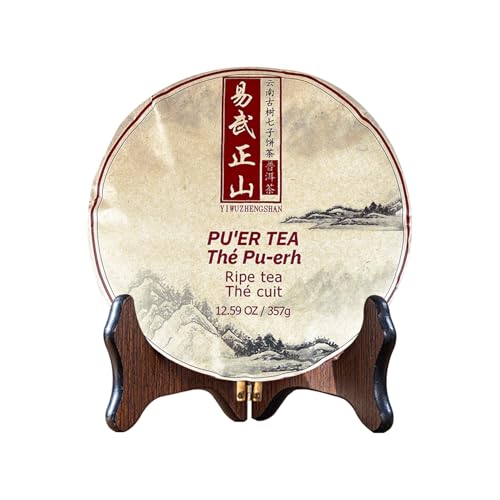
YiwuZhengshan Ancient Tree Pu'er Tea

✅ Fresh, never-bitter cup for the reviewers it lands with
FullChea Menghai Puerh Tea Cakes (2008/2018)
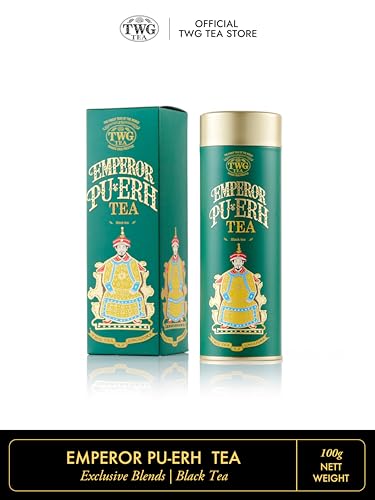
✅ Collectible premium tin and packaging