




We analyze real customer reviews to surface what matters: key strengths, ideal use cases, and honest considerations — so you can make an informed choice.
LWXLJMJZC Ripe Puerh Mini Tuo Cha Variety Pack
A thirty-piece tuo cha variety pack — single-cake portions sized for a gaiwan, anchored by a glutinous-rice note that recurs across reviews.
🎯 Best for: exploring multiple pu-erh flavor variants in single-use portions, gongfu-style gaiwan brewing across many infusions
🍃 Strength: Medium

What Stands Out
🍃 Flavor Profile
Strength: Medium
Glutinous rice is the only descriptor named more than once — three of fourteen eligible reviews. Single-mention favorites include rose, lavender, and a ginseng-tinged warmth. One reviewer prefers these ripe cakes to far pricier pu-erh.
✅ What Customers Love
- Variety across multiple flavor profiles
- Strong value perception
- Convenient single-use tuo cha format for gaiwan brewing
🎯 Best For
exploring multiple pu-erh flavor variants in single-use portions • gongfu-style gaiwan brewing across many infusions • after rich or heavy meals
Brand: LWXLJMJZC
Category: Pu-erh Tea
As an Amazon Associate we earn from qualifying purchases.
About This Pu-erh Tea
A thirty-piece tuo cha variety pack — single-cake portions sized for a gaiwan, anchored by a glutinous-rice note that recurs across reviews. Glutinous rice is the only descriptor named more than once, appearing in three of fourteen eligible reviews. Single-mention favorites include rose, lavender, and a ginseng-tinged warmth, and one reviewer prefers these ripe cakes to far pricier pu-erh.
A few reviewers brew gongfu-style in a gaiwan, pulling eight to nine steeps before flavor thins. We'd reach for this when curiosity beats consistency — multiple flavors per pack give room to discover preferences without committing to a full cake. One reviewer reaches for it after a rich, indulgent meal.
For brewing, rinse each cake once before the first drinking infusion, then expect about eight to nine usable steeps from a single tuo cha. The format assumes a gaiwan or gongfu setup; it's not built for casual teabag-style preparation.
The honest caveats are worth naming. Reports on the raw (sheng) sub-cakes in the pack are uneven — one reviewer found them grassy, bitter, and under-aged, and a separate note cautions these aren't comparable to properly aged premium sheng cakes that run several hundred dollars. Descriptor depth is also thin: most flavor notes surface in only one review, so the variety claim outpaces the specificity any single cake can promise. And if you land on a favorite among the ten, there's no bulk option to buy that single flavor on its own.
Reach for this pack to explore where your pu-erh preferences sit, not to settle into a single daily cup.
Is LWXLJMJZC Ripe Puerh Mini Tuo Cha Variety Pack Right for You?
What does this tea actually taste like?
Glutinous rice is the only descriptor named more than once — three reviewers cite it. Other notes appear in single reviews only: rose, lavender, and a ginseng-tinged warmth, which fits a pack mixing ten different sub-types.
How many different flavors come in the pack?
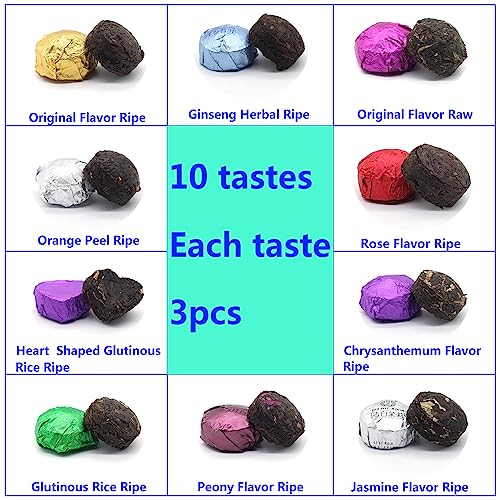
The listing describes thirty mini cakes across ten distinct flavor types, three cakes per type. A few reviewers single out the variety as the main draw rather than any one note.
How do I brew these mini tuo cha?
A few reviewers brew gongfu-style in a gaiwan, rinsing the cake once before the first drinking infusion. One documents about eight to nine usable steeps from a single cake before flavor thins.
Is this a good starter puerh for beginners?
Probably not — the tuo cha format expects a gaiwan and a rinse-first technique rather than a teabag steep, and the pack mixes ripe and raw cakes, with one reviewer finding the raw subset grassy and bitter. Curious drinkers willing to learn gongfu basics may enjoy it; casual teabag drinkers likely won't.
Are the raw (sheng) cakes in the pack any good?
Reports on the raw sub-cakes are uneven — one reviewer found them grassy, bitter, and apparently under-aged. The ripe (shou) cakes draw more positive comment, so if you're newer to raw puerh the included sheng pieces may not be representative.
How many infusions can I get out of one mini cake?
One reviewer documents about eight to nine usable steeps gongfu-style before flavor thins — a reasonable longevity range for ripe puerh tuo cha at small leaf-to-water ratios. With only one reviewer reporting steep count, treat this as a directional figure rather than a guarantee.
As an Amazon Associate we earn from qualifying purchases.
When is a good time of day to drink this?
One reviewer reaches for these after a heavy meal — a traditional pairing for ripe puerh, whose earthy body suits richer foods. Another mentions drinking it at work, so the format also fits a desk-side gongfu session.
Can I buy a single flavor in bulk if I find one I love?
Not from this listing — it's a fixed thirty-cake variety pack across ten types. One reviewer specifically wished for single-flavor bulk options after settling on a favorite, so you'd need to source that elsewhere.
How does this compare to aged collector puerh?
One experienced reviewer ranks these ripe cakes above their usual go-to puerh, while another notes they aren't a substitute for long-aged cakes. Read this as approachable everyday ripe puerh for daily drinking, not a collector piece.
Where does the glutinous rice flavor come from?
Reviewers describe a 'glutinous rice scented' aroma alongside the rice flavor note recurring across three reviews — consistent with sticky-rice (nuomixiang) scented puerh, where a fragrant rice-leaf herb is blended with ripe puerh leaf. One reviewer compares it to Japanese rice tea.
Category: What is pu-erh tea?
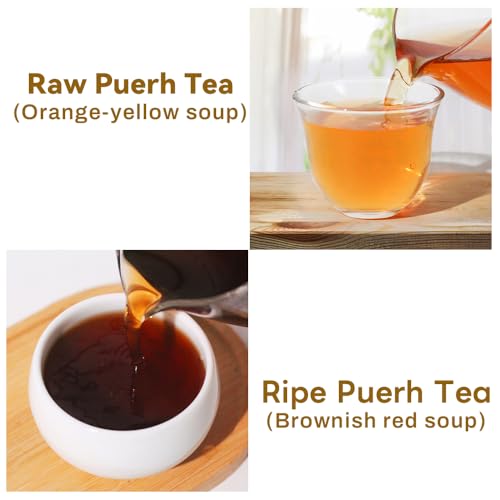
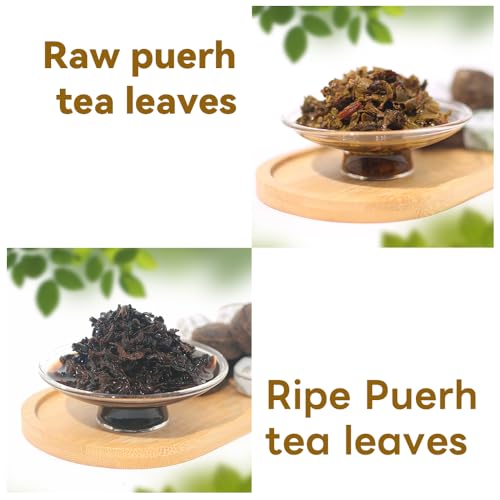
Pu-erh is a post-fermented tea from Yunnan Province in southwest China, made from the large-leaf Camellia sinensis var. assamica plant. Unlike green or black teas, it is defined by its capacity for ongoing microbial fermentation — the leaf continues to chemically evolve for years or decades after processing. It exists in two forms: raw (sheng), which ages slowly through natural oxidation and microbial activity, and ripe (shou), which is rapidly fermented in piles to mimic decades of aging in about 45–60 days.
Category: Who should be cautious about drinking pu-erh tea?
Because pu-erh is high in caffeine, people sensitive to stimulants, those with cardiac arrhythmia, and pregnant individuals should moderate intake or favor later steeps that extract less caffeine. Immunocompromised drinkers — transplant recipients, those on immunosuppressants, severe asthmatics — should avoid handling visibly moldy compressed cakes, since species like Aspergillus fumigatus that occur in pu-erh can be opportunistic pathogens, although the brewed tea itself is generally low-risk. Drinkers who are highly tannin-sensitive may find young raw pu-erh harsh on an empty stomach.
As an Amazon Associate we earn from qualifying purchases.
Category: How much caffeine does pu-erh tea have?
Pu-erh is moderate-to-high in caffeine. The Yunnan large-leaf assamica varietal evolved high caffeine concentrations as a natural defense against insects, so the raw material is more caffeinated than the small-leaf cultivars used for many green and oolong teas. Fermentation does not reliably lower caffeine — one study of Xiaguan tuo tea showed caffeine actually increased by 59% over 56 days of pile fermentation as other leaf mass was consumed by microbes. The smoother feel of ripe pu-erh comes from the absence of catechins, not from less caffeine.
What Customers Love
⚠️ Limited sample based on limited customer feedback (14 reviews) • Our methodology
- Variety across multiple flavor profiles
- Strong value perception
- Convenient single-use tuo cha format for gaiwan brewing
- Good infusion longevity — 8 to 9 steeps per cake
- Repeat purchase intent
Taste Profile
Glutinous rice is the only descriptor named more than once — three of fourteen eligible reviews. Single-mention favorites include rose, lavender, and a ginseng-tinged warmth. One reviewer prefers these ripe cakes to far pricier pu-erh.
- After rich or indulgent meals
Brewing: Rinse once before the first drinking infusion; expect about eight to nine usable steeps.
Best Use Cases
🎯 Best For
- exploring multiple pu-erh flavor variants in single-use portions
- gongfu-style gaiwan brewing across many infusions
- after rich or heavy meals
⚠️ Not Ideal For
- buyers expecting properly aged premium sheng
- drinkers who want a single favorite flavor in bulk
- casual teabag drinkers without gaiwan or gongfu setup
How People Use It
A few reviewers brew gongfu-style in a gaiwan, pulling eight to nine steeps before flavor thins. We'd reach for this when curiosity beats consistency — multiple flavors per pack give room to discover preferences.
Good for Beginners
⚠️ Considerations
- Brewing requires gaiwan and rinse-first technique rather than steeping a bag
- Pack mixes ripe and raw cakes; the raw subset can read grassy and bitter to unfamiliar palates
For Experienced Users
✅ Worth Exploring
- Tuo cha format suits gongfu sessions with multiple short infusions
- Variety pack supports side-by-side comparison across ripe sub-types
- One reviewer with prior experience prefers these to far pricier pu-erh
What to Consider
Reports on the raw (sheng) sub-cakes in the pack are uneven — one reviewer found them grassy, bitter, and under-aged.
- Raw (sheng) sub-cakes drew uneven assessment from one reviewer
- Limited descriptor depth — most flavor notes appear in only one review
- No bulk option for a preferred single flavor
⚠️ Important: This analysis is based on limited customer feedback (14 reviews). We've shared what we found, but there may be additional considerations we haven't captured.
About This Analysis
This analysis is based on 14 customer reviews. We're showing you everything we found, but with a small sample, there's a lot we likely haven't captured yet.
✅ What we're confident about: What customers love and best use cases
⚠️ What may be incomplete: Potential issues and considerations
For more perspectives, check customer reviews on Amazon.
Product Selection
In short: We only feature high-rated products.
Products on TeaDelight.net are selected based on strong Amazon customer ratings, sufficient review volume, and market presence. We focus on well-regarded products that tea enthusiasts are actively considering and purchasing.
As an Amazon Associate we earn from qualifying purchases.
You Might Also Like

✅ Long-lasting flavor across repeated steepings
Oriarmcha 2010 Lao Cha Tou Ripe Pu-erh Tea
✅ smoother, richer, sweeter than its price suggests
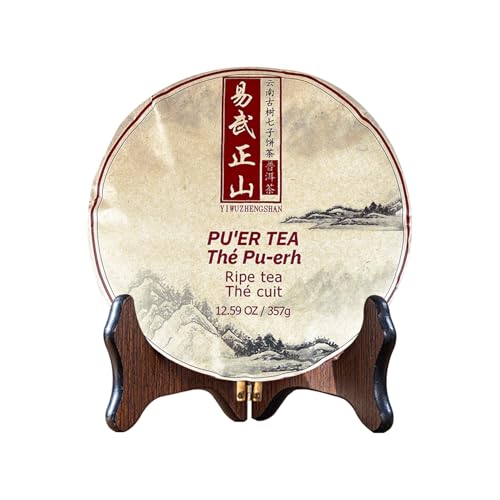
YiwuZhengshan Ancient Tree Pu'er Tea

✅ Fresh, never-bitter cup for the reviewers it lands with
FullChea Menghai Puerh Tea Cakes (2008/2018)
✅ Collectible premium tin and packaging