


We analyze real customer reviews to surface what matters: key strengths, ideal use cases, and honest considerations — so you can make an informed choice.
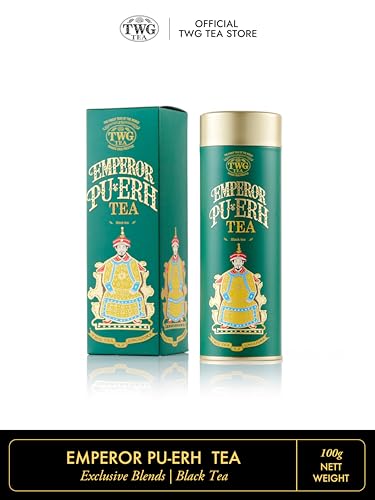
TWG Emperor Pu-Erh Tea
A robust, deeply earthy puerh with an aromatic character and large-leaf quality — offering the bold, grounding profile that dedicated puerh drinkers seek.
🎯 Best for: Daily tea drinking, Gift giving for tea enthusiasts
🍃 Tastes like: earthy, pu-erh

What Stands Out
🍃 Flavor Profile
Strength: Bold
Notes: earthy, pu-erh
✅ What Customers Love
- Excellent flavor quality (7 mentions)
- High-end quality tea with large leaves (2 mentions)
- Beautiful packaging and collectible tin (2 mentions)
🎯 Best For
Daily tea drinking • Gift giving for tea enthusiasts • Premium tea collection
Brand: TWG
Category: Pu-erh Tea
As an Amazon Associate we earn from qualifying purchases.
About This Pu-erh Tea
TWG's Emperor Pu-Erh delivers a bold aged fermentation profile — earthy, robust, and distinctly aromatic, with full leaves that signal careful sourcing. The brew is assertive and grounding, with the dark, damp-earth intensity characteristic of well-made puerh. Its aromatic quality adds a layer of complexity beyond the standard fermented profile. Some reviewers find the taste more conventional than exceptional for the prestige positioning. Best suited to dedicated puerh drinkers who favor bold, consistent results, and to those seeking an impressive gift for a serious tea enthusiast.
Is TWG Emperor Pu-Erh Tea Right for You?
What does TWG Emperor Pu-Erh taste like?
Reviewers consistently describe it as bold, earthy, and robust with aromatic qualities. It's a strong pu-erh — not a subtle sipper. You'll get deep, earthy base notes that are characteristic of quality pu-erh, with a certain aromatic richness that sets it apart. Seven reviewers specifically praised the flavor quality, calling it excellent. If you enjoy a full-bodied tea that commands your attention, this delivers.
Is TWG Emperor Pu-Erh a good gift for tea lovers?
It's actually one of the best use cases for this tea. The haute couture tin is genuinely beautiful — reviewers highlight it as a standout feature — and the TWG brand carries serious prestige in the tea world. Multiple reviewers specifically bought it as a gift and found the price more acceptable in that context. If you're shopping for a tea enthusiast who appreciates luxury brands and bold pu-erh, this ticks every box. The collectible tin stays useful long after the tea is gone.
Who is TWG Emperor Pu-Erh best for?
This tea shines for a few specific people: gift buyers looking for a luxurious, impressive tea set; black tea enthusiasts who appreciate bold, earthy flavors; and TWG brand loyalists who value consistent quality and beautiful presentation. It's also great for pu-erh newcomers who want a premium introduction from a trusted brand. It's less ideal for budget-conscious daily drinkers or those who prioritize pure tea value over brand and packaging.
What is Emperor's pu-erh tea?
Emperor's Pu-Erh is TWG's take on this classic aged tea style. It's a bold, earthy black tea made from large, high-quality leaves — reviewers consistently highlight the robust flavor and the noticeably large leaf size, which is a hallmark of premium pu-erh production. TWG packages it in their signature haute couture tin, positioning it as a luxury everyday tea or a collectible gift.
Can you reuse TWG Emperor Pu-Erh tea leaves?
Absolutely — and this is one of the perks of this tea. The large, high-quality leaves that reviewers highlight are exactly the kind that re-steep beautifully. Expect 3-5 good infusions, adding about 30 seconds to each steep. The flavor evolves with each brew, often becoming smoother and revealing different notes. This multi-steep potential actually makes the per-cup cost more reasonable despite the premium price tag.
How many times can you brew TWG Emperor Pu-Erh?
Quality pu-erh is one of the most re-steepable teas out there, and TWG's Emperor Pu-Erh uses large, high-quality leaves — which is a good sign for multiple infusions. You should be able to get 3-5 solid steeps from the same leaves, adding about 30 seconds to each subsequent brew. This actually helps offset the premium price point, since that 100g tin goes further than you might expect.
As an Amazon Associate we earn from qualifying purchases.
How long should I steep TWG Emperor Pu-Erh?
Start with 3-4 minutes for your first steep. Since this is a bold, strong pu-erh, that should give you a full-bodied cup with those earthy, aromatic notes TWG is known for. If you want it even stronger, go up to 5 minutes. The large leaf quality means you can re-steep the same leaves multiple times, slightly increasing the time with each infusion.
How to choose good pu-erh tea?
Look for large, intact leaves (a sign of quality — and something reviewers specifically praise about TWG's Emperor Pu-Erh), a clean earthy aroma without any musty or off-putting smells, and a reputable brand or source. Good pu-erh should taste earthy and smooth, not harsh or fishy. TWG is a well-known luxury brand with consistent quality, which takes some guesswork out of it — though you're paying a premium for that reliability.
What is so special about pu-erh tea?
Pu-erh is unique because it's a fermented and aged tea — unlike most teas that are best fresh, pu-erh actually improves with time. What makes TWG's Emperor Pu-Erh stand out specifically is its bold, earthy flavor profile with aromatic notes that multiple reviewers describe as robust and satisfying. The large leaf quality is another indicator that TWG sourced higher-grade leaves for this blend.
What are the benefits of drinking pu-erh tea?
Pu-erh has a long history in traditional Chinese medicine. It's been associated with digestive support (especially after heavy meals), potential cholesterol management, and antioxidant properties. The fermentation process creates unique compounds not found in other teas. Beyond health, TWG's Emperor Pu-Erh specifically delivers a satisfying, robust tea experience that reviewers describe as bold and earthy — it's genuinely enjoyable to drink, which is arguably the best benefit.
What happens when you drink pu-erh tea every day?
Regular pu-erh drinkers often report improved digestion, steady energy without coffee crashes, and a general sense of well-being. Some research points to potential benefits for metabolism and cholesterol levels over time. With TWG's Emperor Pu-Erh specifically, daily drinkers will enjoy a consistently robust, earthy cup — reviewers praise the flavor quality and the satisfying daily experience. Just watch the budget: at the current price point for 100g, daily use adds up.
How to properly brew pu-erh tea?
For TWG's Emperor Pu-Erh, use water just off the boil — around 200-212°F (93-100°C). Use about 1 teaspoon of leaves per cup. Steep for 3-5 minutes depending on how strong you like it. Since this is a bold, earthy pu-erh, it can handle longer steeping without becoming overly bitter. A nice trick with quality pu-erh like this: do a quick 10-second rinse with hot water first, discard it, then brew your actual cup. This 'wakes up' the leaves.
As an Amazon Associate we earn from qualifying purchases.
Is pu-erh tea healthier than coffee?
Pu-erh offers some advantages over coffee: it has less caffeine (so fewer jitters), contains L-theanine for calmer focus, and is rich in antioxidants. Some studies suggest pu-erh may support digestion and cholesterol management. That said, 'healthier' depends on your body and habits. What sets TWG's Emperor Pu-Erh apart as a coffee alternative is its bold, robust character — it's strong enough to satisfy people used to coffee's intensity.
Is pu-erh tea good for sleep?
Not really — pu-erh contains caffeine, and TWG's Emperor Pu-Erh is a bold, strong tea that's likely on the higher end of caffeine content. It's better suited as a morning or afternoon drink. If you enjoy it in the evening, try to have your last cup at least 4-6 hours before bedtime. For a sleep-friendly option, you'd want to look at caffeine-free herbal teas instead.
Is pu-erh tea high in caffeine?
Pu-erh generally contains moderate to high caffeine — roughly 30-70mg per cup depending on brewing method, which puts it between green tea and coffee. TWG's Emperor Pu-Erh is described as bold and strong, which suggests it's on the higher end of that range. It's enough to give you a solid energy boost without the jitters most people get from coffee.
Who should not drink pu-erh tea?
Pu-erh tea contains caffeine, so people who are sensitive to caffeine, pregnant, or nursing should be cautious. It can also interact with blood thinners and certain medications due to its effects on metabolism. If you have iron deficiency, the tannins in strong pu-erh like TWG's Emperor blend — which is on the bold side — may interfere with iron absorption if you drink it with meals. When in doubt, check with your doctor.
What are the negative effects of pu-erh tea?
The main concerns with pu-erh are the same as most caffeinated teas: it can cause jitteriness, insomnia, or digestive upset if you drink too much on an empty stomach. Pu-erh's fermentation process also means it can sometimes cause stomach discomfort in people new to it — start with lighter brews and work your way up. TWG's Emperor Pu-Erh is a bold tea, so ease into it if you're a pu-erh newcomer.
How much pu-erh tea per cup?
For TWG's Emperor Pu-Erh, use about 1 teaspoon (roughly 3-5 grams) per 8-ounce cup. Since these are large, premium leaves, they'll expand quite a bit during steeping. If you're using a smaller vessel like a gaiwan for gongfu-style brewing, use a bit more leaf — about 5-7 grams — and do shorter, multiple steeps.
As an Amazon Associate we earn from qualifying purchases.
Does aged pu-erh tea have caffeine?
Yes, aged pu-erh still contains caffeine — aging reduces it slightly compared to young pu-erh, but it doesn't eliminate it. TWG's Emperor Pu-Erh will still give you a meaningful caffeine boost. Most aged pu-erhs contain around 30-60mg per cup, which is less than coffee but enough that caffeine-sensitive individuals should be aware.
Which has more caffeine, pu-erh or green tea?
Pu-erh generally has more caffeine than green tea. A cup of pu-erh typically contains 30-70mg of caffeine, while green tea runs 20-45mg. TWG's Emperor Pu-Erh is a bold, strong brew, so it likely sits at the upper end of that pu-erh range. If you're switching from green tea to this, expect a noticeable step up in caffeine kick.
Is pu-erh healthier than green tea?
They're healthy in different ways. Green tea is higher in catechins (a type of antioxidant), while pu-erh's unique fermentation process creates different beneficial compounds like theabrownins and gallic acid. Pu-erh may be gentler on the stomach than green tea, and it's traditionally valued for digestive support. Neither is definitively 'healthier' — they complement each other well if you enjoy both.
What Customers Love
⚠️ Limited sample based on limited customer feedback (14 reviews) • Our methodology
- Excellent flavor quality (7 mentions)
- High-end quality tea with large leaves (2 mentions)
- Beautiful packaging and collectible tin (2 mentions)
- Consistent TWG brand quality (2 mentions)
Taste Profile
- strong
- earthy
- robust
- parfümiert/aromatic
Best Use Cases
🎯 Best For
- Daily tea drinking
- Gift giving for tea enthusiasts
- Premium tea collection
⚠️ Not Ideal For
- Budget-conscious buyers
- Those seeking exceptional/unique flavor at this price point
What to Consider
- Very expensive for the quantity (100g) (4 mentions)
- Average taste not matching premium price point (1 mentions)
⚠️ Important: This analysis is based on limited customer feedback (14 reviews). We've shared what we found, but there may be additional considerations we haven't captured.
About This Analysis
This analysis is based on 14 customer reviews. We're showing you everything we found, but with a small sample, there's a lot we likely haven't captured yet.
✅ What we're confident about: What customers love and best use cases
⚠️ What may be incomplete: Potential issues and considerations
For more perspectives, check customer reviews on Amazon.
Product Selection
In short: We only feature high-rated products.
Products on TeaDelight.net are selected based on strong Amazon customer ratings, sufficient review volume, and market presence. We focus on well-regarded products that tea enthusiasts are actively considering and purchasing.
As an Amazon Associate we earn from qualifying purchases.
You Might Also Like

✅ High caffeine content provides strong energy boost
Tealyra Ripe Pu'erh Tea - 5 Years Aged Loose Leaf

✅ Earthy flavor that's not overpowering
Prince Of Peace Premium Pu-erh Tea
✅ Smooth and rich flavor for the price point
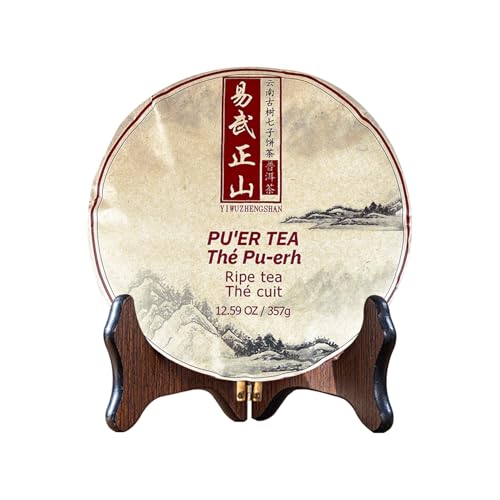
YiwuZhengshan Ancient Tree Pu'er Tea

✅ Good flavor quality