
⚠️ We don't recommend this product
Seven of forty-six reviewers dispute the listing's aging claim — three found the cake stamped 2018 instead of the 2009 the description suggests, two flag missing organic certification despite the product copy, and two report visible twigs and stems above what they expected from a graded pu-erh.
Consider these alternatives


We analyze real customer reviews to surface what matters: key strengths, ideal use cases, and honest considerations — so you can make an informed choice.
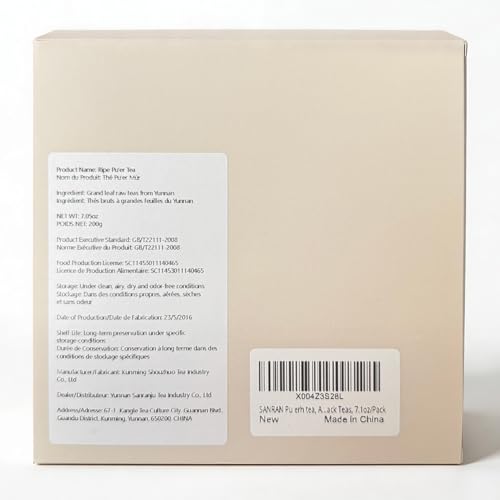
SANRAN Aged Ripe Puerh Tea Cake
An entry-level Yunnan shou (ripe pu-erh) cake that drinks earthy and woodsy at a workhorse price — but reviewers split sharply on whether the cake inside matches the label outside.
🍃 Strength: Medium

What Stands Out
🍃 Flavor Profile
Strength: Medium
Across forty-six reviewers, earthy leads the profile (six mentions), with woodsy notes and a smooth, mellow body close behind. Sweet flavor surfaces in the middle of a session, joined by dark-plum and mushed-banana notes in longer infusions. Several drinkers describe it as clean and full-bodied — but a smaller cluster picks up a faint fishy or musty edge that points to less-than-pristine wet storage.
🎯 Best For
everyday daily-drinker shou pu-erh at workhorse price • beginners practicing gongfu with an inexpensive cake • base tea in a herbal blend
Brand: SANRAN
Category: Pu-erh Tea
As an Amazon Associate we earn from qualifying purchases.
About This Pu-erh Tea
SANRAN's ripe pu-erh cake is an entry-tier shou that reviewers reach for daily. The cup leads earthy — six of forty-six reviewers reach for the word — backed by woodsy depth, a mellow smoothness, and a quiet sweetness that surfaces in later steeps. A handful of drinkers pick up dark-plum and ripe-banana notes once the infusions lengthen, with a full-bodied, clean character when the cake is treated carefully. Several note the cup turns through a sour-to-aromatic-to-sweet-to-bitter sequence across seven or eight steeps — an honest hallmark of shou at this price.
Reviewers position this as everyday drinking — a daily-rotation cake rather than a contemplative ritual — with one adding it works as a base when blending herbal teas. We'd reach for it when practicing gongfu technique (high-leaf, short-steep brewing) rather than for a showcase session, with two reviewers anchoring it to mid-morning and post-lunch slots for digestion.
For brewing, reviewers recommend gongfu-style preparation: boiling water, a 30-second rinse, then 60-, 90-, and 120-second infusions across five to six steeps. One suggests a dedicated yixing clay teapot to round out the cup.
The caveats are why we don't recommend this as a verified-vintage purchase. Quality complaints cluster: three reviewers report the cake is stamped 2018 rather than the listed 2009 vintage, two flag visible white mold and a fishy or musty character in the cup, and two cite a large amount of twigs and stems in the press. Buyers expecting verified aging, top-tier or ancient-tree (gu shu) shou, or certified-organic provenance should look elsewhere — these are signs of mid-tier sourcing and listing inaccuracies that recur across buyers.
The price is the main argument in its favor: a workable entry point to ripe pu-erh and gongfu practice, provided you treat the listed vintage as approximate.
Is SANRAN Aged Ripe Puerh Tea Cake Right for You?
What does this pu-erh taste like?
Earthy leads the cup — 6 of 29 reviewers reach for that word — backed by woodsy depth, a mellow smoothness, and a quiet sweetness that surfaces in later steeps. A handful of drinkers pick up dark-plum and ripe-banana notes once the infusions lengthen, with reviewers describing a sour-to-aromatic-to-sweet-to-bitter arc across seven or eight steeps.
Is the listed 2009 vintage accurate?
No — this is the single biggest complaint on the page. Three reviewers report the cake itself is stamped 2018 rather than the listed 2009, and two more flag the aging description as inaccurate. If verified vintage matters to you, this is not the cake to buy on its label alone.
Are there any quality red flags I should know about?
Yes, and they cluster: two reviewers report visible white mold and a fishy or musty character in the cup, two cite a large amount of twigs and stems in the press, and three more flag generally poor quality. These are recurring signals of mid-tier sourcing rather than one-off bad cakes.
How should I brew it?
Reviewers consistently recommend gongfu-style: boiling water, a 30-second rinse to wake the leaf, then 60-, 90-, and 120-second infusions across five to six steeps. One drinker also suggests dedicating a yixing clay teapot to round out the cup.
Is this a good cake for someone new to gongfu brewing?
Reviewers position it as a practice cake — two explicitly call it worthwhile for beginners learning high-leaf, short-steep technique. The smooth, mellow profile (with little bitterness when handled correctly) makes it forgiving while you dial in your timing, though you should treat it as a learning tool rather than a showcase tea.
Will connoisseurs of ripe pu-erh be happy with this?
No — reviewers themselves position it as 'not one of the really nice' puerhs and not gu shu (ancient-tree) material. Two drinkers explicitly compare it unfavorably to higher-quality cakes and point to Yunnan Sourcing as the better path for serious shou drinking.
As an Amazon Associate we earn from qualifying purchases.
When do reviewers actually drink it?
It lands in the everyday-rotation slot, not the contemplative-ritual slot — two reviewers each call it an everyday or daily drink, and two anchor it to mid-morning and post-lunch sessions where digestion is the goal. Reach for it when you want to practice technique, not when you want a showcase pot.
Can I blend it with other teas?
Yes — two reviewers use it specifically as a base layer when mixing herbal teas, leaning on the earthy, woodsy backbone to anchor lighter ingredients. It's a sensible use for a cake whose character is solid but not so distinctive that you'd hate to dilute it.
Is the cake the size I'd expect?
Two reviewers report the cake measures closer to 10 cm in diameter rather than the ~18 cm a standard Chinese bing typically runs. The 7.1 oz / 201 g weight on the listing is real, but the form factor is smaller and denser than a classic full-size cake.
Is it certified organic?
No — and reviewers notice. Two flag the missing organic certification and one specifically calls out the lack of USDA marking. If certified-organic provenance is on your checklist, this cake doesn't meet it.
How does the aroma hold up?
Mixed — two reviewers each describe a wonderful aroma and three report essentially no smell on the dry leaf, while two pick up a mold or mildew note that aligns with the broader quality complaints. Treat aroma as variable from cake to cake rather than something you can count on.
Are reviewers buying it again?
Some are — 5 of 29 reviewers signal repeat-purchase intent, generally framing this as a daily-rotation cake they're comfortable keeping around for practice. The repeat signal coexists with the vintage and quality complaints above, so the repurchase crowd is buying it knowing what it is.
As an Amazon Associate we earn from qualifying purchases.
Category: What is pu-erh tea?
Pu-erh is a post-fermented tea from Yunnan Province in southwest China, made from the large-leaf Camellia sinensis var. assamica plant. Unlike green or black teas, it is defined by its capacity for ongoing microbial fermentation — the leaf continues to chemically evolve for years or decades after processing. It exists in two forms: raw (sheng), which ages slowly through natural oxidation and microbial activity, and ripe (shou), which is rapidly fermented in piles to mimic decades of aging in about 45–60 days.
Category: Who should be cautious about drinking pu-erh tea?
Because pu-erh is high in caffeine, people sensitive to stimulants, those with cardiac arrhythmia, and pregnant individuals should moderate intake or favor later steeps that extract less caffeine. Immunocompromised drinkers — transplant recipients, those on immunosuppressants, severe asthmatics — should avoid handling visibly moldy compressed cakes, since species like Aspergillus fumigatus that occur in pu-erh can be opportunistic pathogens, although the brewed tea itself is generally low-risk. Drinkers who are highly tannin-sensitive may find young raw pu-erh harsh on an empty stomach.
Category: How much caffeine does pu-erh tea have?
Pu-erh is moderate-to-high in caffeine. The Yunnan large-leaf assamica varietal evolved high caffeine concentrations as a natural defense against insects, so the raw material is more caffeinated than the small-leaf cultivars used for many green and oolong teas. Fermentation does not reliably lower caffeine — one study of Xiaguan tuo tea showed caffeine actually increased by 59% over 56 days of pile fermentation as other leaf mass was consumed by microbes. The smoother feel of ripe pu-erh comes from the absence of catechins, not from less caffeine.
Taste Profile
Across forty-six reviewers, earthy leads the profile (six mentions), with woodsy notes and a smooth, mellow body close behind. Sweet flavor surfaces in the middle of a session, joined by dark-plum and mushed-banana notes in longer infusions. Several drinkers describe it as clean and full-bodied — but a smaller cluster picks up a faint fishy or musty edge that points to less-than-pristine wet storage.
- Use as the base in a custom herbal-tea blend
- Drink half an hour after a meal for digestive comfort
Brewing: Reviewers getting the most from this lean on a 30-second rinse, 60–120 second steeps gongfu-style, and 5–6 infusions, with a yixing clay teapot called out as helpful.
Best Use Cases
🎯 Best For
- everyday daily-drinker shou pu-erh at workhorse price
- beginners practicing gongfu with an inexpensive cake
- base tea in a herbal blend
⚠️ Not Ideal For
- drinkers expecting a verified 2009-vintage aged pu-erh
- buyers seeking certified organic tea
- connoisseurs wanting gu shu (ancient-tree) material
How People Use It
We'd reach for this as an unpretentious everyday cup — reviewers drink it daily, sometimes half an hour after meals, and a few build it into a herbal-tea base. A handful credit it with digestive comfort.
Good for Beginners
✅ Yes
- Inexpensive cake explicitly endorsed by reviewers as a beginner gongfu practice tea
- Smooth, mellow shou character is easier on first-time pu-erh drinkers than young sheng
For Experienced Users
Has Some Depth
- Reviewers familiar with premium pu-erh consistently describe it as not top-tier and not gu shu material
What to Consider
- Listing accuracy disputed — vintage and organic claims contested
- Signs of imperfect processing or storage in some lots
- Visible twigs and stems in the pressed material
based on 39-review sample.
About This Analysis
This analysis is based on 39 customer reviews. We're showing you everything we found, but with our analysis, there's always more to discover.
✅ What we're confident about: What customers love and best use cases
⚠️ What may be incomplete: Potential issues and considerations
For more perspectives, check customer reviews on Amazon.
Product Selection
In short: We only feature high-rated products.
Products on TeaDelight.net are selected based on strong Amazon customer ratings, sufficient review volume, and market presence. We focus on well-regarded products that tea enthusiasts are actively considering and purchasing.
As an Amazon Associate we earn from qualifying purchases.
You Might Also Like

✅ Long-lasting flavor across repeated steepings
Oriarmcha 2010 Lao Cha Tou Ripe Pu-erh Tea
✅ smoother, richer, sweeter than its price suggests
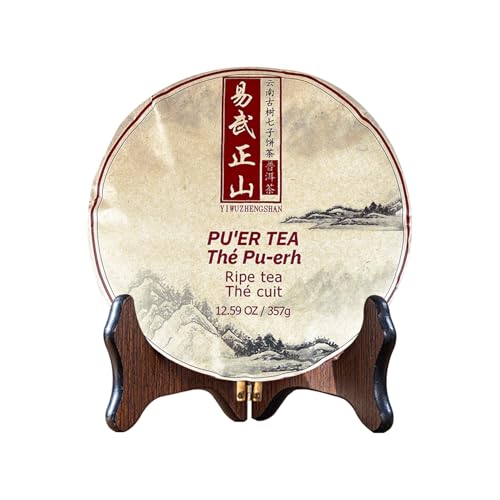
YiwuZhengshan Ancient Tree Pu'er Tea

✅ Fresh, never-bitter cup for the reviewers it lands with
FullChea Menghai Puerh Tea Cakes (2008/2018)
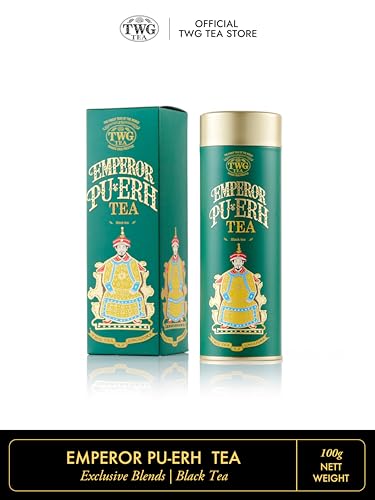
✅ Collectible premium tin and packaging