
Available Alternatives

✅ Long-lasting flavor across repeated steepings
Oriarmcha 2010 Lao Cha Tou Ripe Pu-erh Tea
✅ smoother, richer, sweeter than its price suggests
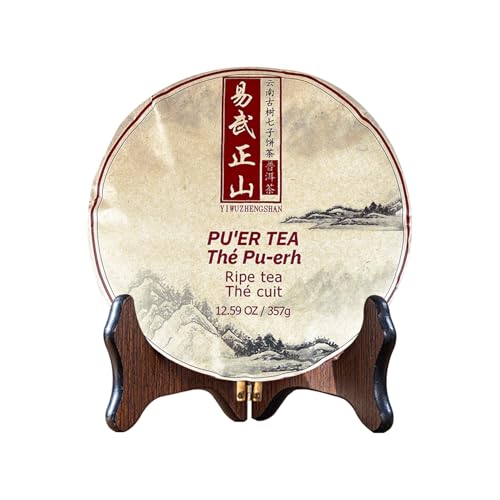
YiwuZhengshan Ancient Tree Pu'er Tea

✅ Fresh, never-bitter cup for the reviewers it lands with
FullChea Menghai Puerh Tea Cakes (2008/2018)
✅ Collectible premium tin and packaging
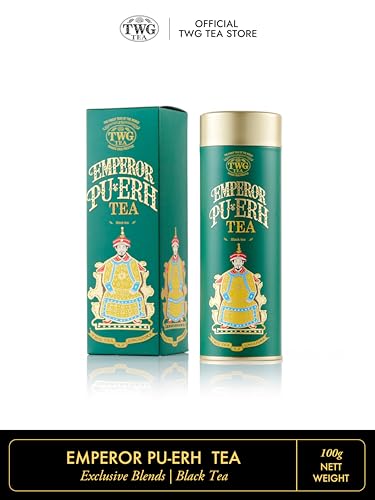
TWG Emperor Pu-Erh Tea




We analyze real customer reviews to surface what matters: key strengths, ideal use cases, and honest considerations — so you can make an informed choice.
KHS Organic Pu Erh Tea Cake
A pre-scored shou cake — ripe pu-erh, post-fermented for immediate drinkability — designed for gongfu-style sessions of multiple short infusions.
🎯 Best for: gongfu-style brewing across multiple short infusions, evening or after-meal sipping with mild caffeine load
🍃 Strength: Medium

🍃 Flavor Profile
Strength: Medium
Reviewer impressions split on body: some describe the brew as rich, bold, and earthy; others find it bland or light. Across reviews, bitterness is absent when steeped properly, though a few drinkers report a fish-food note in the early infusions.
✅ What Customers Love
- no bitterness when steeped properly
- mild caffeine, gentler than black/green tea or coffee
- scored-cake format that's easy to portion for sessions
🎯 Best For
gongfu-style brewing across multiple short infusions • evening or after-meal sipping with mild caffeine load
Brand: KHS
Category: Pu-erh Tea
As an Amazon Associate we earn from qualifying purchases.
About This Pu-erh Tea
A pre-scored shou cake — ripe pu-erh, post-fermented for immediate drinkability — designed for gongfu-style sessions of multiple short infusions. Reviewer impressions split on body: some describe the brew as rich, bold, and earthy; others find it bland or light. Across reviews, bitterness is absent when steeped properly, though a few drinkers report a fish-food note in the early infusions.
We'd reach for this gongfu-style in the evening or after a meal — the caffeine reads mild compared to black tea or coffee, so it sits comfortably later in the day without the edge of a stronger brew. The scored-cake format makes it easy to portion a session without wrestling with a pick.
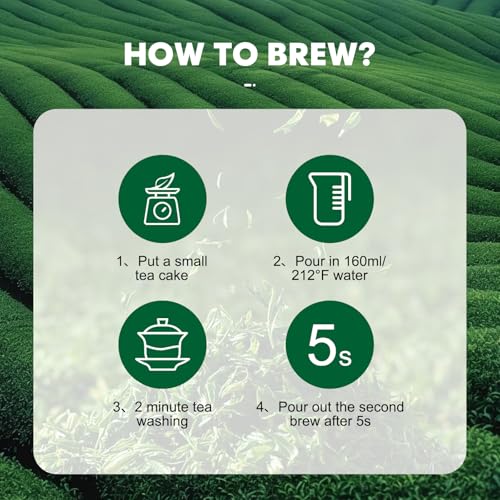
To brew, discard the first two-minute rinse, then break a scored square into a small vessel and run short, multiple steeps. The cake is built for this rhythm — a quick wash to wake the leaf, followed by successive infusions that draw out the body gradually rather than all at once.
A few honest caveats worth weighing. The flavor read is polarized: some reviewers find the cup thin, light, or bland rather than the bold, intense shou they were after. A couple of drinkers flag a fish-food aroma in the early infusions — common enough in young ripe pu-erh that the rinse step matters, but worth knowing if you're sensitive to it. One reviewer also disputed the cake's authenticity as pu-erh despite the ancient-tree label claim. None of these are dealbreakers if you're approaching the cake as an everyday shou for gongfu practice, but they do argue against it as a guaranteed bold-and-earthy experience.
Best treated as a session tea for unhurried evenings, where the short-steep rhythm and gentler caffeine load can do their work.
Is KHS Organic Pu Erh Tea Cake Right for You?
What does this pu-erh taste like?
Reviewer impressions split across the small sample: some describe the brew as rich, bold, and earthy, while others find it bland, light, or weak. With only about 10 eligible reviewers, treat this as a polarized cake rather than a guaranteed bold shou.
Is it bitter?
A reviewer explicitly calls out the absence of bitterness when steeped properly, and no other drinkers in the sample contradict that. Across this small group, bitterness does not appear to be a concern for ripe pu-erh brewed with short infusions.
How do I brew this tea cake?
The cake is pre-scored into small squares, so break one off, run a 2-minute rinse and discard it, then steep short and multiple times gongfu-style in a small vessel. One reviewer used four squares for a tea set; another brewed a cup at a time.
Does it have a fishy smell?
A couple of reviewers (roughly 2 of the 10 who left detailed feedback) flag a fish-food note in the early infusions — within the range where it's worth weighing as a possible aroma quirk of this particular cake, especially before the rinse and first steeps open up.
Is this an authentic Yunnan pu-erh?
The listing claims ancient-tree Yunnan ripe pu-erh and USDA-organic certification, but one reviewer in this small sample disputed the authenticity and called their cake undrinkable. Other reviewers describe a recognizable earthy shou profile, so the picture is mixed rather than settled.
How much caffeine does this pu-erh have?
Reviewers describe the caffeine load as mild — gentler than black or green tea and much milder than coffee, with one drinker noting no jitters or sleep disruption. That makes it a reasonable evening cup based on this handful of early reports.
As an Amazon Associate we earn from qualifying purchases.
When is the best time to drink it?
We'd reach for this gongfu-style in the evening or after a meal — reviewers specifically mention after-meal sipping and the mild caffeine reads as evening-friendly across the small sample. A few drinkers also cite a relaxing, tension-easing physical effect.
Will I get multiple infusions from one square?
Yes — the scored-square format is designed for it, and a reviewer specifically notes brewing multiple steeps from a single portion. Short, repeated infusions are how ripe pu-erh in cake form is meant to be drunk.
Is this a good pu-erh for a beginner?
Probably not as a first pu-erh. The scored cake, rinse-then-steep gongfu workflow, and split flavor impressions across the small reviewer pool make it a better fit for drinkers already comfortable with ripe pu-erh than for someone trying the style for the first time.
Is it certified organic?
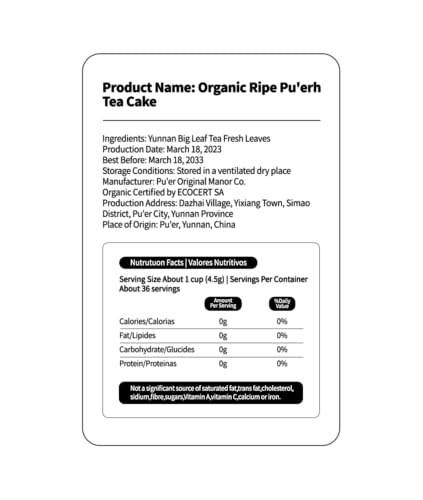
Yes — the listing carries USDA Organic certification for the ripe puerh cake, and at least one reviewer cites the organic credential as a reason for repeat purchase. The label also references a 'no dust' production workshop and ancient-tree sourcing.
Category: What does pu-erh tea taste like?
Young raw pu-erh is robust and floral with noticeable bitterness, fresh hay, and stone-fruit notes. As it ages, the liquor darkens from gold through amber to mahogany and develops dried-fruit, honey, tobacco, and eventually camphor, leather, and earthy notes. Ripe (shou) pu-erh skips that youthful phase: it is dark, smooth, and earthy from the start, with cocoa, wood, and sometimes a 'wet basement' note in younger productions that mellows over a few years of resting.
Category: Who should be cautious about drinking pu-erh tea?
Because pu-erh is high in caffeine, people sensitive to stimulants, those with cardiac arrhythmia, and pregnant individuals should moderate intake or favor later steeps that extract less caffeine. Immunocompromised drinkers — transplant recipients, those on immunosuppressants, severe asthmatics — should avoid handling visibly moldy compressed cakes, since species like Aspergillus fumigatus that occur in pu-erh can be opportunistic pathogens, although the brewed tea itself is generally low-risk. Drinkers who are highly tannin-sensitive may find young raw pu-erh harsh on an empty stomach.
As an Amazon Associate we earn from qualifying purchases.
Category: How much caffeine does pu-erh tea have?
Pu-erh is moderate-to-high in caffeine. The Yunnan large-leaf assamica varietal evolved high caffeine concentrations as a natural defense against insects, so the raw material is more caffeinated than the small-leaf cultivars used for many green and oolong teas. Fermentation does not reliably lower caffeine — one study of Xiaguan tuo tea showed caffeine actually increased by 59% over 56 days of pile fermentation as other leaf mass was consumed by microbes. The smoother feel of ripe pu-erh comes from the absence of catechins, not from less caffeine.
What Customers Love
⚠️ Limited sample based on limited customer feedback (9 reviews) • Our methodology
- no bitterness when steeped properly
- mild caffeine, gentler than black/green tea or coffee
- scored-cake format that's easy to portion for sessions
- USDA-organic, suitable for repeat sessions
Taste Profile
Reviewer impressions split on body: some describe the brew as rich, bold, and earthy; others find it bland or light. Across reviews, bitterness is absent when steeped properly, though a few drinkers report a fish-food note in the early infusions.
Brewing: Discard the first two-minute rinse, then break a scored square into a small vessel and run short, multiple steeps.
Best Use Cases
🎯 Best For
- gongfu-style brewing across multiple short infusions
- evening or after-meal sipping with mild caffeine load
⚠️ Not Ideal For
- drinkers wanting a guaranteed bold, intense pu-erh experience
- buyers sensitive to early-infusion aromas in shou
How People Use It
We'd reach for this gongfu-style in the evening or after a meal — the caffeine reads mild compared to black tea or coffee.
For Experienced Users
✅ Worth Exploring
- scored cake supports per-session portioning for gongfu use
- rewards multi-infusion sessions with sustained brews
What to Consider
One reviewer disputed its authenticity as pu-erh, and a couple flag a fishy aroma — concerns worth weighing against the split between bold and bland flavor reports.
- polarized flavor strength — some reviewers find it thin, light, or bland
- fish-food note in early infusions reported by a couple of reviewers
- authenticity disputed by one reviewer despite ancient-tree label claim
⚠️ Important: This analysis is based on limited customer feedback (9 reviews). We've shared what we found, but there may be additional considerations we haven't captured.
About This Analysis
This analysis is based on 9 customer reviews. We're showing you everything we found, but with a small sample, there's a lot we likely haven't captured yet.
✅ What we're confident about: What customers love and best use cases
⚠️ What may be incomplete: Potential issues and considerations
For more perspectives, check customer reviews on Amazon.
Product Selection
In short: We only feature high-rated products.
Products on TeaDelight.net are selected based on strong Amazon customer ratings, sufficient review volume, and market presence. We focus on well-regarded products that tea enthusiasts are actively considering and purchasing.
As an Amazon Associate we earn from qualifying purchases.