





We analyze real customer reviews to surface what matters: key strengths, ideal use cases, and honest considerations — so you can make an informed choice.
Cha Wu JinYaGongTing Ripe Pu-erh Tea Cake
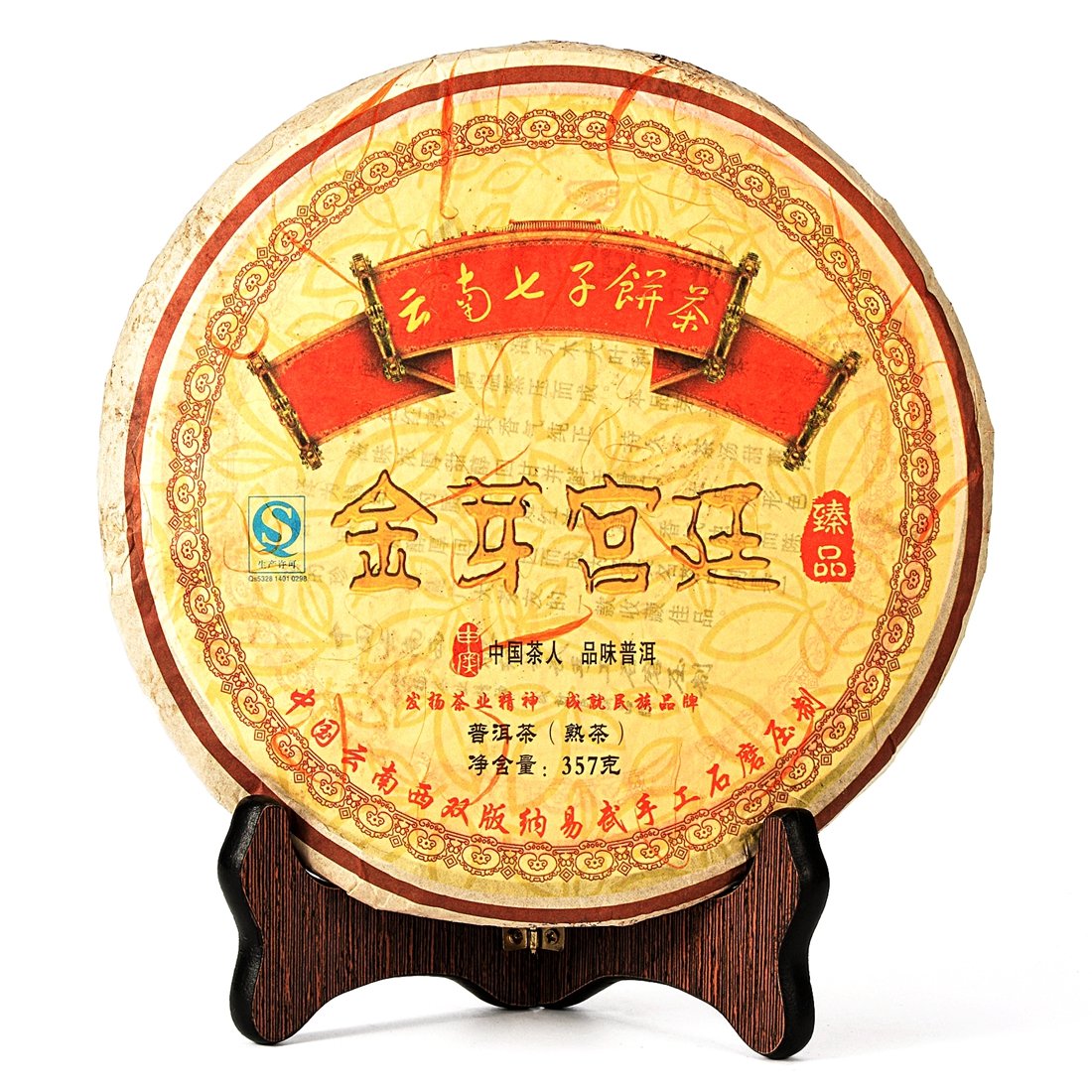
A gateway shou (ripe pu-erh — post-fermented for immediate drinkability) that reviewers call a 'good starter' — earthy enough to feel real, mellow enough not to scare newcomers off.
🎯 Best for: newcomers easing into ripe pu-erh, long gongfu sessions with many infusions
🍃 Strength: Medium

What Stands Out
🍃 Flavor Profile
Strength: Medium
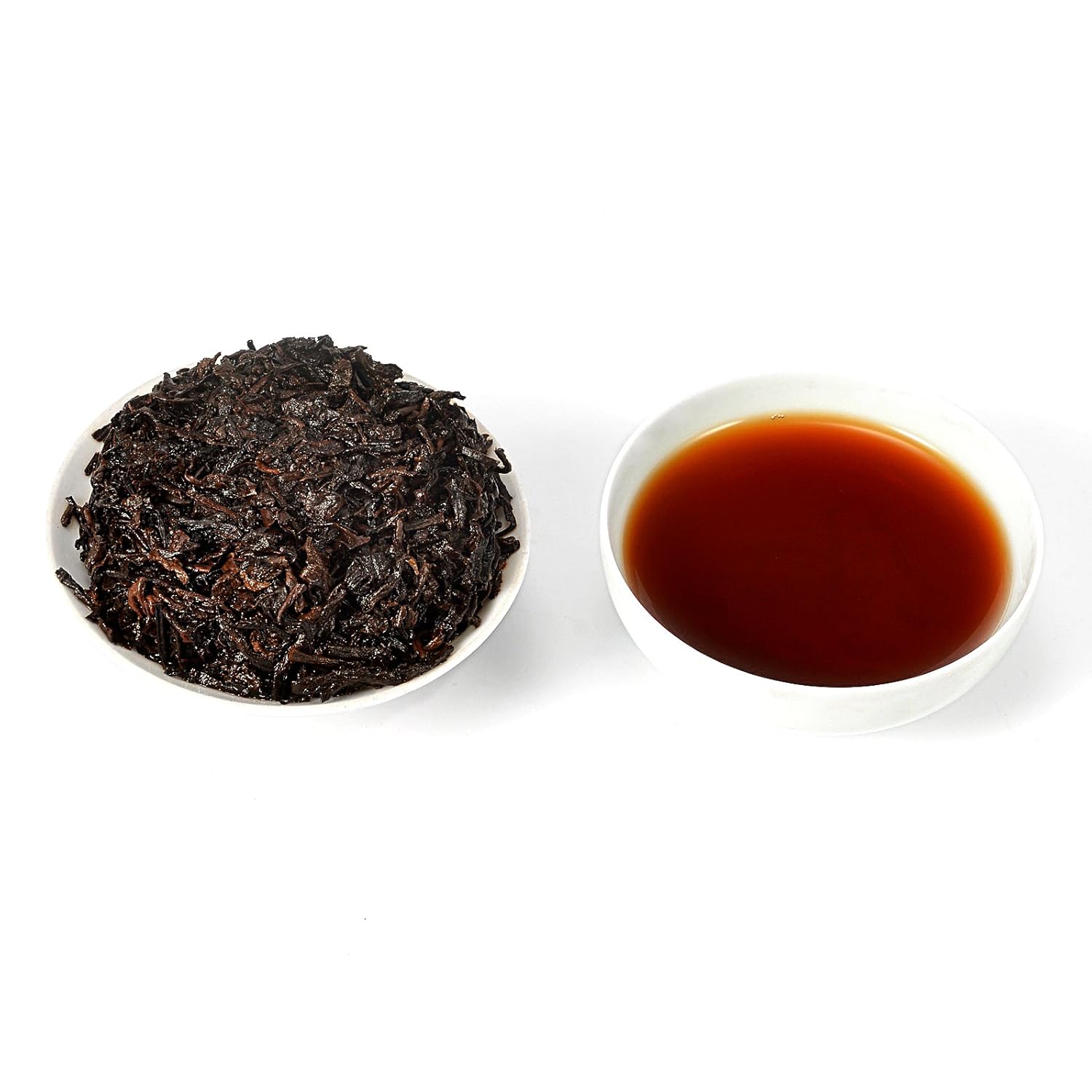
'Smooth' is the first word reviewers reach for (3 of 12), backed by sweetness and a strong, full body. The cup pours dark — brownish red — and individual flavor calls pick out cocoa, malt, and an unexpected root-beer note.
✅ What Customers Love
- Smooth, approachable shou character
- Good value for a ripe pu-erh cake
- Long-lasting infusions across many steeps
🎯 Best For
newcomers easing into ripe pu-erh • long gongfu sessions with many infusions • as a kombucha base or in a tea blend • value-minded daily ripe-pu-erh drinking
Brand: ChaWuWarmSun
Category: Pu-erh Tea
As an Amazon Associate we earn from qualifying purchases.
About This Pu-erh Tea
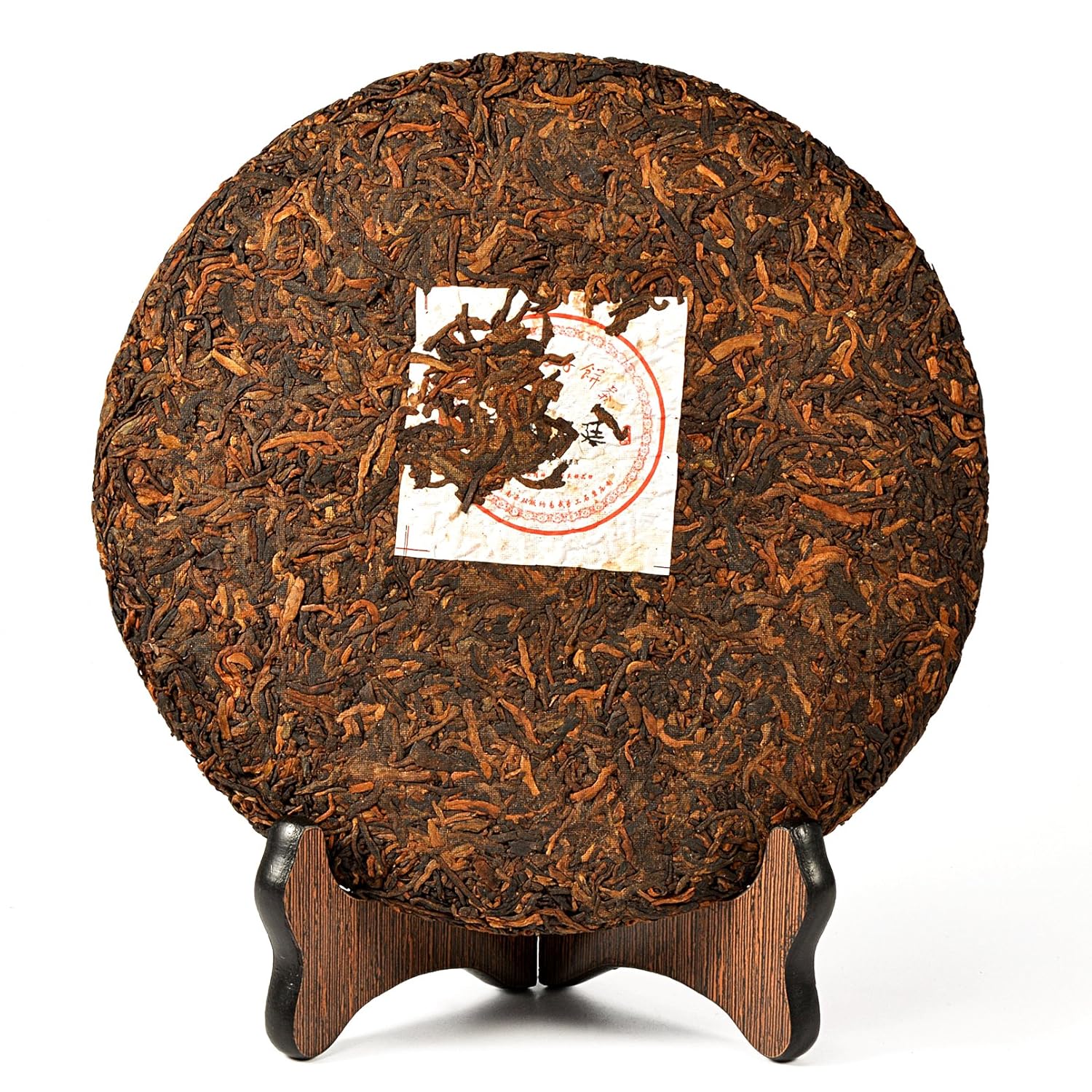
This Cha Wu JinYaGongTing is a ripe (shou) pu-erh — post-fermented for immediate drinkability — that reviewers describe as a 'good starter': earthy enough to feel real, mellow enough not to scare newcomers off. 'Smooth' is the first word three of twelve reviewers reach for, backed by sweetness and a strong, full body. The cup pours dark brownish-red, and individual flavor calls pick out cocoa, malt, and an unexpected root-beer note.
Reviewers reach for it as a daily ripe-pu-erh session tea, a kombucha base, or blended with chrysanthemum for a different angle. It's a comfortable fit for drinkers easing into shou, and offers good value for a daily cake — though those chasing premium aged-puerh complexity will find it less punchy than higher-quality leaf. Caffeine is moderate, so late-evening sipping isn't the ideal window for caffeine-sensitive drinkers.
Brew it gongfu-style: a quick rinse with boiling water, then short steeps that, per several reviewers, keep giving across many infusions until it finally pulls toward weak water.
Quality varies batch to batch. Two reviewers found it underwhelming — one called it 'the least interesting tea cake I've tasted,' and another flagged a cake that was 50–60% stems. The compressed-cake form is also awkward to handle if you're new to breaking down pu-erh.
For a pairing, try it blended with chrysanthemum, as the seller suggests and at least one reviewer confirms — a softer, floral counterpoint to the earthy base.
Is Cha Wu JinYaGongTing Ripe Pu-erh Tea Cake Right for You?
What does this ripe pu-erh actually taste like?
Across 12 reviewers, 'smooth' is the word that comes up most often (3 of 12), backed by sweetness and a full body. Individual reviewers pick out cocoa, malt, and even an unexpected root-beer note, with the cup pouring a dark brownish red.
Is this a good shou pu-erh for beginners?
Reviewers explicitly call it a 'good starter' shou cake — earthy enough to read as real ripe pu-erh but without the heavy funk that tends to scare newcomers off. The smooth, sweet character does more of the work here than aggression or astringency.
What is ripe (shou) pu-erh and how is this one positioned?
Ripe pu-erh is post-fermented so it's drinkable immediately rather than needing years of aging, and this cake sits at the approachable end of that style. Reviewers describe it as mellow and smooth rather than complex or aged-tasting — a gateway shou, not a connoisseur piece.
How should I brew this pu-erh cake?
Several reviewers brew it gongfu-style — a quick rinse with boiling water, then short steeps that they say keep giving across many infusions until the brew runs to weak water. One reviewer noted using generous amounts of leaf to get the body they wanted.
How many infusions can I get out of this cake?
With limited review data here, one reviewer specifically calls out long-lasting infusions across many steeps, and the brewing notes from others corroborate continuing until the brew thins out. Expect a long gongfu session rather than two or three pours.
Are there quality issues I should know about before buying?
Some reviewers flag inconsistency cake-to-cake — roughly 4 of 12 raise quality concerns, with one calling it 'the least interesting tea cake I've tasted' and another reporting a cake that was 50–60% stems. Quality appears to vary batch to batch rather than being uniform.
As an Amazon Associate we earn from qualifying purchases.
Who shouldn't reach for this pu-erh?
Drinkers chasing premium aged-pu-erh complexity will find this underwhelming — it's positioned as a daily, approachable shou rather than a connoisseur cake. Caffeine-sensitive sippers should also skip it for late-evening drinking, since one reviewer flags it as caffeinated.
Can I use this for kombucha or blend it with other teas?
Yes — reviewers specifically reach for it as a kombucha base, and one blends it with chrysanthemum tea for a different angle. The mellow, full-bodied character holds up as a base layer rather than demanding the spotlight.
How does this compare to other pu-erh cakes reviewers have tried?
With limited review data, comparisons go both ways — one reviewer rates it comparable to teas from specialty vendors in China, while another finds it less punchy than higher-quality mature pu-erh leaves they've had. Treat it as a solid daily drinker rather than a specialty-grade cake.
Is the compressed cake form awkward to break apart?
One reviewer flags the compressed-cake form as uncomfortable to handle — a minor friction point worth knowing about if you haven't worked with a pressed cake before. It's a single voice in a small review pool, so weigh it as one data point rather than a pattern.
Category: How much caffeine does pu-erh tea have?
Pu-erh is moderate-to-high in caffeine. The Yunnan large-leaf assamica varietal evolved high caffeine concentrations as a natural defense against insects, so the raw material is more caffeinated than the small-leaf cultivars used for many green and oolong teas. Fermentation does not reliably lower caffeine — one study of Xiaguan tuo tea showed caffeine actually increased by 59% over 56 days of pile fermentation as other leaf mass was consumed by microbes. The smoother feel of ripe pu-erh comes from the absence of catechins, not from less caffeine.
Category: Who should be cautious about drinking pu-erh tea?
Because pu-erh is high in caffeine, people sensitive to stimulants, those with cardiac arrhythmia, and pregnant individuals should moderate intake or favor later steeps that extract less caffeine. Immunocompromised drinkers — transplant recipients, those on immunosuppressants, severe asthmatics — should avoid handling visibly moldy compressed cakes, since species like Aspergillus fumigatus that occur in pu-erh can be opportunistic pathogens, although the brewed tea itself is generally low-risk. Drinkers who are highly tannin-sensitive may find young raw pu-erh harsh on an empty stomach.
As an Amazon Associate we earn from qualifying purchases.
Category: How many times can pu-erh tea be re-steeped?
A quality compressed pu-erh — particularly material from older trees — can be re-steeped six to ten times or more in a gongfu setup before the flavor fades. Each infusion reveals a different facet: early steeps emphasize aromatics, middle steeps the body and mouthfeel, and later steeps the underlying sweetness and minerality. Tightly compressed cakes (especially Xiaguan iron-pressed productions) open up gradually and often give their best infusions in rounds three through six.
What Customers Love
⚠️ Limited sample based on limited customer feedback (10 reviews) • Our methodology
- Smooth, approachable shou character
- Good value for a ripe pu-erh cake
- Long-lasting infusions across many steeps
- Good entry point for new shou drinkers
Taste Profile
'Smooth' is the first word reviewers reach for (3 of 12), backed by sweetness and a strong, full body. The cup pours dark — brownish red — and individual flavor calls pick out cocoa, malt, and an unexpected root-beer note.
- Blended with chrysanthemum tea
- As a kombucha base
Brewing: Brew it gongfu-style — a quick rinse with boiling water, then short steeps that, per several reviewers, keep giving across many infusions.
Best Use Cases
🎯 Best For
- newcomers easing into ripe pu-erh
- long gongfu sessions with many infusions
- as a kombucha base or in a tea blend
- value-minded daily ripe-pu-erh drinking
⚠️ Not Ideal For
- drinkers chasing premium aged-puerh complexity
- late-evening drinking for caffeine-sensitive sippers
How People Use It
Reviewers reach for it as a daily ripe-pu-erh session tea, a kombucha base, or blended with chrysanthemum for a different angle.
Good for Beginners
✅ Yes
- Reviewers explicitly call it a 'good starter' shou cake
- Earthy enough to read as real shou but without the funk that turns newcomers away
- Smooth and sweet rather than aggressive or astringent
What to Consider
Two reviewers found it underwhelming — one called it 'the least interesting tea cake I've tasted,' another flagged a cake that was 50–60% stems — so quality appears to vary batch to batch.
- Quality and distinction vary cake-to-cake
- Compressed-cake form is awkward to handle
⚠️ Important: This analysis is based on limited customer feedback (10 reviews). We've shared what we found, but there may be additional considerations we haven't captured.
About This Analysis
This analysis is based on 10 customer reviews. We're showing you everything we found, but with a small sample, there's a lot we likely haven't captured yet.
✅ What we're confident about: What customers love and best use cases
⚠️ What may be incomplete: Potential issues and considerations
For more perspectives, check customer reviews on Amazon.
Product Selection
In short: We only feature high-rated products.
Products on TeaDelight.net are selected based on strong Amazon customer ratings, sufficient review volume, and market presence. We focus on well-regarded products that tea enthusiasts are actively considering and purchasing.
As an Amazon Associate we earn from qualifying purchases.
You Might Also Like

✅ Long-lasting flavor across repeated steepings
Oriarmcha 2010 Lao Cha Tou Ripe Pu-erh Tea

✅ smoother, richer, sweeter than its price suggests
YiwuZhengshan Ancient Tree Pu'er Tea

✅ Fresh, never-bitter cup for the reviewers it lands with
FullChea Menghai Puerh Tea Cakes (2008/2018)

✅ Collectible premium tin and packaging