



We analyze real customer reviews to surface what matters: key strengths, ideal use cases, and honest considerations — so you can make an informed choice.
Matcha Konomi Organic Japanese Gyokuro Green Tea
A shade-grown Japanese gyokuro delivering layered umami, fresh grassiness, and a clean sweet finish — delicate, briny, and free of bitterness when brewed with care.
🎯 Best for: Evening relaxation and unwinding, Cold brew overnight preparation
🍃 Tastes like: umami, green grass, citrusy notes

What Stands Out
🍃 Flavor Profile
Strength: Delicate
Notes: umami, green grass, citrusy notes
✅ What Customers Love
- Smooth, clean taste (11 mentions)
- Pleasant, fresh aroma (10 mentions)
- No bitterness when brewed correctly (9 mentions)
🎯 Best For
Evening relaxation and unwinding • Cold brew overnight preparation • Morning tea ritual with careful brewing • Special occasions to be savored
Brand: Matcha Konomi
Category: Green Tea
As an Amazon Associate we earn from qualifying purchases.
About This Green Tea
This first-harvest gyokuro offers a distinctive flavor profile — briny umami, fresh green grass, and subtle citrusy notes that settle into a lingering sweet finish. Reviewers consistently praise the vibrant green color, whole-leaf quality, and smooth, non-bitter character. Temperature precision matters: brewing between 120–140°F is essential, as boiling water or extended steeping will introduce bitterness. Cold brewing overnight sidesteps this entirely, producing a naturally sweet, clean cup. Best suited to tea enthusiasts who enjoy a mindful brewing ritual and the complex umami depth that defines authentic Japanese shade-grown tea.
Is Matcha Konomi Organic Japanese Gyokuro Green Tea Right for You?
What does this Matcha Konomi gyokuro taste like?
Reviewers are remarkably consistent about the flavor: smooth, clean, and umami-rich with a sweet finish. Expect savory notes — think green grass, a subtle seaweed-like brininess, and light citrusy undertones. It's a delicate tea, not bold or astringent. The most frequently mentioned quality (11 reviewers) is that smooth, clean taste, followed by a pleasant fresh aroma (10 mentions) and sweet umami richness (8 mentions). When brewed correctly at the right temperature, there's genuinely no bitterness — 9 reviewers specifically called that out. It's a world apart from the grassy, sometimes harsh taste of basic green tea.
How do you brew gyokuro green tea properly?
Brewing gyokuro correctly is the single most important factor in enjoying it. Use water at 120-140°F — significantly cooler than what you'd use for most teas. If you don't have a thermometer, boil your water and let it cool for about 5-7 minutes. Steep for 1-2 minutes for the first infusion. The most common mistake reviewers mention is using water that's too hot, which makes the tea bitter. The good news? This Matcha Konomi gyokuro comes with clear brewing instructions, and multiple reviewers confirm it's smooth and bitterness-free when brewed at the right temperature. Don't throw away the leaves after one steep — many tea enthusiasts say the second steep is actually the best.
Is this gyokuro good for beginners?
Yes, with a small caveat. The flavor itself is very approachable — smooth, mild, and naturally sweet with no bitterness when brewed correctly. It comes with clear brewing instructions, and the cold brew method is incredibly forgiving (just add leaves to cold water and refrigerate overnight). The resealable bag keeps the tea fresh while you learn. The caveat is that hot brewing does require paying attention to water temperature — 120-140°F is essential. But honestly, that's easy to manage with a kitchen thermometer or by letting boiled water cool for a few minutes. If you're willing to follow the simple instructions, this is a wonderful introduction to premium Japanese tea.
Why does my green tea taste bitter and how do I fix it?
If this gyokuro tastes bitter, the water temperature is almost certainly too high. This is the number one issue reviewers mention — you need water at 120-140°F, which is far below boiling. Boiling water scorches the delicate leaves and releases harsh tannins. The fix is simple: let your boiled water cool for 5-7 minutes, or use a thermometer. Oversteeping is the second culprit — keep your first infusion to 1-2 minutes. When brewed correctly, 9 out of 10 reviewers specifically highlight that this tea has zero bitterness. It's a completely different drink at the right temperature versus the wrong one.
How many cups of tea can I get from this 100g bag?
Using about 3-5 grams per serving (standard for gyokuro), a 100g bag gives you roughly 20-33 first steeps. But here's where this tea really shines in value: the leaves are high enough quality to steep multiple times — reviewers report getting 2-3 good infusions per serving, with many saying the second steep is the best. So realistically, you're looking at 50-80+ cups from one bag. That brings the per-cup cost down considerably from the sticker price.
Do I need any special equipment to brew this gyokuro?
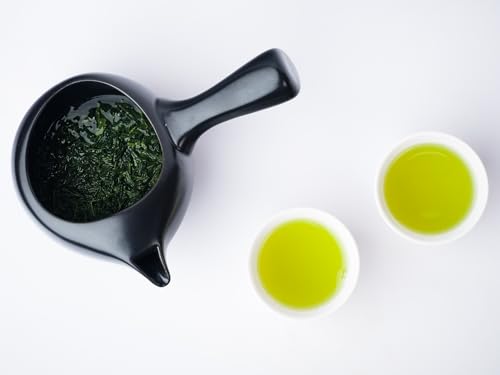
You don't need much, but a couple of things help. Most importantly, you need a way to control water temperature — a kitchen thermometer works fine, or a variable-temperature electric kettle if you drink tea regularly. You'll also want a fine-mesh strainer or a teapot with a built-in fine filter, since reviewers note the loose leaves can release small bits into your cup. A standard tea infuser basket with larger holes may let particles through. For cold brewing, any pitcher or jar with a lid will do. You don't need a traditional Japanese kyusu, though it certainly adds to the experience.
As an Amazon Associate we earn from qualifying purchases.
How does this compare to other gyokuro teas?
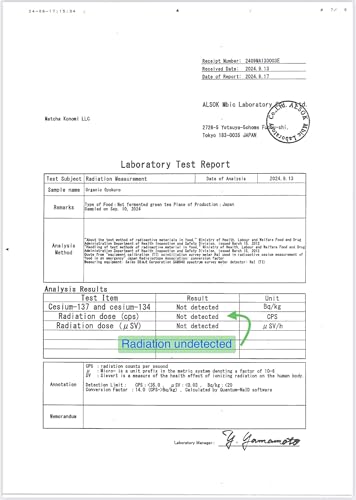
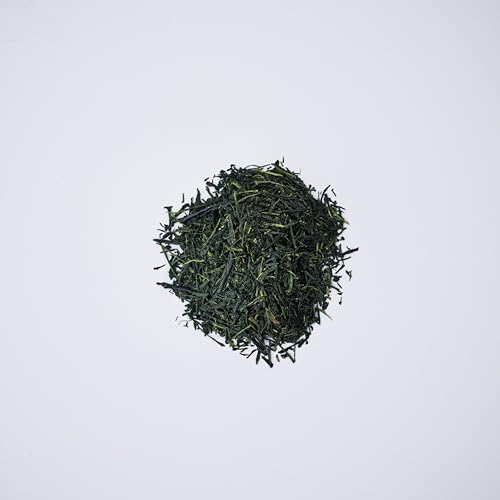
Reviewers highlight several quality indicators that set this apart: the leaves are mostly whole with very few stalks (7 mentions), the color is a vibrant fresh green (8 mentions), and the aroma is notably fresh and pleasant (10 mentions). The dual organic certification (USDA and Ecocert Japan) with lab test reports provides more transparency than many competitors. The first harvest designation also matters — first harvest gyokuro has the highest amino acid content and most complex flavor. At its price point, it competes well with other premium gyokuros, particularly for the quality of the leaves and the organic certification.
How to brew this gyokuro as cold brew or iced tea?
Cold brewing is one of this tea's secret strengths. Add about 2 tablespoons of leaves to a pitcher of cold water, refrigerate overnight (8-12 hours), and strain in the morning. The result is a naturally sweet, incredibly smooth iced tea with pronounced umami notes and absolutely no bitterness. Several reviewers specifically recommend the cold brew method, and it's actually more forgiving than hot brewing since you don't need to worry about water temperature precision. It's an ideal way to enjoy this gyokuro during warmer months or if you're new to gyokuro and nervous about getting the hot brew temperature right.
Is this gyokuro good for making iced tea?
Absolutely — it's one of this tea's standout uses. The cold brew method is dead simple: add leaves to cold water, refrigerate overnight, and strain in the morning. The result is a smooth, naturally sweet iced tea with beautiful umami depth and no bitterness whatsoever. Several reviewers specifically recommend the cold brew approach. It's also a great method if you're new to gyokuro, since it's completely forgiving — no temperature worries, no oversteeping risk. The delicate flavor profile with citrusy and grassy notes translates beautifully to a chilled drink.
When is the best time to drink this gyokuro?
This tea fits several moments beautifully. Reviewers specifically mention evening relaxation and unwinding after a long day as a favorite time. The gentle caffeine combined with calming L-theanine makes it work as a morning ritual too — just don't expect a coffee-level jolt. It's also wonderful as a cold brew prepared overnight and enjoyed the next morning. For special occasions or when you want a mindful tea experience, the careful brewing process itself becomes part of the enjoyment. The one time to avoid it is when you're in a rush and can't pay attention to water temperature — that's when it'll turn bitter on you.
How should I store this gyokuro to keep it fresh?
The tea comes in a resealable bag, which is a good start — reviewers note it helps maintain freshness. Keep it sealed tightly after each use and store it in a cool, dark place away from strong odors (tea absorbs surrounding smells easily). Avoid storing it near spices or coffee. For longer-term storage, you can transfer it to an airtight container and keep it in the refrigerator, but make sure the container is truly airtight to prevent moisture absorption. The fresh, vibrant green color and pleasant aroma that reviewers love are signs of freshness — if those fade, the tea is past its prime.
What is Konomi matcha?
Matcha Konomi is a Japanese tea brand that specializes in organic Japanese teas. Their gyokuro is USDA Certified Organic and also carries Ecocert Japan certification. They provide lab test reports for authenticity, and the tea is sourced from shade-grown first harvest leaves. Reviewers note the high quality of the whole leaves with very few stalks, which is a good sign of careful processing.
As an Amazon Associate we earn from qualifying purchases.
Is gyokuro the best green tea?
Gyokuro is widely regarded as one of the finest Japanese green teas, and this Matcha Konomi version lives up to that reputation according to reviewers. It offers a complex umami flavor profile with sweet, savory, and grassy notes that you simply won't get from standard sencha or other green teas. That said, 'best' depends on what you're looking for. If you want a quick, no-fuss cup of tea, gyokuro requires more attention — precise water temperature (120-140°F) and careful timing. If you enjoy the ritual of tea preparation and want to savor something special, gyokuro is hard to beat.
What is the difference between matcha and gyokuro green tea?
Both matcha and gyokuro are shade-grown Japanese green teas, but they're processed very differently. Gyokuro like this Matcha Konomi tea keeps its whole leaf form — you steep the leaves in water and remove them, similar to other loose leaf teas. Matcha is ground into a fine powder that you whisk directly into water and consume entirely. Flavor-wise, this gyokuro delivers a smooth, umami-rich taste with sweet and savory notes, while matcha tends to be more concentrated and slightly more bitter. Gyokuro also allows multiple steeps from the same leaves, with many tea drinkers saying the second steep is actually the best.
What is special about gyokuro tea?
Gyokuro is considered one of Japan's most premium teas because of its unique shade-growing process. The tea plants are covered for several weeks before harvest, which boosts chlorophyll and amino acid production — that's what gives gyokuro its distinctive sweet, umami-rich flavor that you won't find in regular green tea. This particular Matcha Konomi gyokuro is a first harvest (the most prized picking), and reviewers consistently highlight its smooth, clean taste with no bitterness, fresh vibrant green color, and complex savory notes with hints of seaweed and citrus. It's a genuinely different experience from standard green tea.
Is green tea very high in caffeine?
Gyokuro actually contains more caffeine than most green teas — the shade-growing process increases caffeine content in the leaves. However, the caffeine experience is quite different from coffee. Reviewers describe this Matcha Konomi gyokuro as providing a gentle energizing effect rather than a jolt. The high L-theanine content (also boosted by shade growing) works alongside the caffeine to create a calm, focused alertness. That said, if you're looking for a strong caffeine kick to replace your morning coffee, this probably isn't the right choice — it's more of a smooth, sustained lift.
What are common mistakes when brewing green tea?
The biggest mistake with this gyokuro — and green tea in general — is using boiling or near-boiling water. This tea needs 120-140°F water, which is much cooler than most people expect. Five reviewers specifically mention that precise temperature control is essential to avoid bitterness. The second most common mistake is oversteeping. A minute or two is plenty for the first infusion. One more tip: you'll want a fine-mesh strainer since the whole leaves can release small bits. Get these basics right and you'll be rewarded with a beautifully smooth, sweet cup with zero bitterness.
Is green tea a stimulant or depressant?
Green tea contains caffeine (a stimulant) and L-theanine (which promotes relaxation), so it's a bit of both — and that's actually what makes gyokuro special. This Matcha Konomi gyokuro is shade-grown, which means it has elevated levels of both compounds. Reviewers describe the effect as relaxation after a long day combined with a gentle energy boost. It's not going to wire you up like coffee, but it's not going to put you to sleep either. Think of it as calm alertness — perfect for a mindful tea experience or quiet evening ritual.
As an Amazon Associate we earn from qualifying purchases.
Is the caffeine in green tea enough to keep you awake?
This gyokuro has a moderate caffeine content that reviewers describe as gently energizing — enough to help with focus but unlikely to keep you tossing and turning if you drink it in the evening. In fact, several reviewers specifically use this tea for evening relaxation and unwinding after a long day. The L-theanine in shade-grown teas like gyokuro promotes calm alertness rather than jittery energy. If you're very caffeine-sensitive, the cold brew method extracts somewhat less caffeine and could be a good option for later in the day.
What is the healthiest way to make green tea?
For maximizing the benefits of this gyokuro, brew it at the recommended 120-140°F rather than with boiling water. Lower temperatures actually preserve more of the delicate catechins and amino acids (especially L-theanine, which gyokuro is rich in due to its shade-growing process). Cold brewing overnight is another excellent option — several reviewers highlight cold brew as a great method for this tea, and it extracts beneficial compounds gently while producing a naturally sweet, smooth flavor with virtually no bitterness.
What are the side effects of drinking green tea?
Green tea is generally well-tolerated, and reviewers of this gyokuro don't report any negative side effects. The main thing to be aware of is caffeine sensitivity — gyokuro has more caffeine than standard green tea due to its shade-growing process. If you're sensitive, try the cold brew method which extracts less caffeine, or enjoy it earlier in the day. Green tea can also reduce iron absorption from food, so it's generally best enjoyed between meals rather than with them. The organic certification on this Matcha Konomi tea means you're avoiding pesticide residues, which is a plus for daily consumption.
What happens when you drink green tea every day?
Regular green tea drinkers often report improved focus, steady energy without crashes, and a general sense of well-being. With a premium gyokuro like this Matcha Konomi tea, you're getting higher concentrations of L-theanine and antioxidants than standard green tea due to the shade-growing process. Reviewers who drink it regularly mention relaxation, gentle energy, and a refreshing daily ritual. The organic certification means you're not accumulating pesticide residues over time. One tip for daily drinkers: the cold brew method is a great low-effort option for everyday enjoyment, saving the more involved hot brew process for when you want to really savor it.
What are the 5 benefits of green tea?
For this specific gyokuro, reviewers and the tea's characteristics point to these key benefits: (1) Relaxation — reviewers consistently mention it helps them unwind after a long day, thanks to high L-theanine from shade growing. (2) Gentle, sustained energy — the caffeine provides focus without jitters. (3) Rich antioxidant content — shade-grown teas like gyokuro have elevated catechin levels. (4) Hydration with flavor — it's a refreshing, zero-calorie way to stay hydrated, especially as a cold brew. (5) Mindfulness ritual — the careful brewing process encourages you to slow down, and reviewers describe it as a meditative experience.
What brand of green tea is the best?
There's no single 'best' brand — it depends on what you're looking for and how much you want to spend. For premium Japanese gyokuro specifically, Matcha Konomi checks a lot of important boxes: first harvest shade-grown leaves, dual organic certification (USDA and Ecocert Japan), lab test reports for transparency, and consistently positive reviews praising the smooth, umami-rich flavor. If you're looking for everyday green tea on a budget, this isn't it — it's a premium product at a premium price. But if you want to experience what high-quality Japanese green tea actually tastes like, it's a strong choice.
As an Amazon Associate we earn from qualifying purchases.
How to brew green tea leaves like this gyokuro?
For this Matcha Konomi gyokuro, use about 2 teaspoons of leaves per cup. Heat water to 120-140°F — this is crucial and much lower than typical tea temperatures. Steep for 1-2 minutes, then strain through a fine-mesh strainer (reviewers note you'll want one to catch small leaf bits). Pour out all the liquid so the leaves don't continue steeping. Then re-steep the same leaves — you can get 2-3 good cups from one serving, and many reviewers actually prefer the second infusion. The leaves will unfurl beautifully, showing the quality of the whole-leaf processing.
What Makes This Product Special
⚠️ Preliminary analysis based on 21-review sample • Our methodology
- Smooth, clean taste (11 mentions)
- Pleasant, fresh aroma (10 mentions)
- No bitterness when brewed correctly (9 mentions)
- Fresh, vibrant green color (8 mentions)
- Sweet, umami-rich flavor (8 mentions)
- High quality whole leaves (few stalks) (7 mentions)
- Organic certification (USDA/Ecocert Japan) (5 mentions)
- Good for multiple steeps/cold brew (3 mentions)
Taste Profile
- smooth
- mild
- clean
- light
- delicate
- fresh
- grassy
- sweet finish
Best Use Cases
🎯 Best For
- Evening relaxation and unwinding
- Cold brew overnight preparation
- Morning tea ritual with careful brewing
- Special occasions to be savored
- Meditation or mindful tea experience
⚠️ Not Ideal For
- Quick preparation without temperature control
- Those wanting strong caffeine kick
What to Consider
- Requires precise brewing temperature (120-140°F) to avoid bitterness (5 mentions)
- Needs fine strainer to avoid tea bits in cup (3 mentions)
- Can become bitter if oversteeped (2 mentions)
⚠️ based on 21-review sample. Some issues may not be captured.
About This Analysis
This analysis is based on 21 customer reviews. We're showing you everything we found, but with a moderate sample, there's a lot we likely haven't captured yet.
✅ What we're confident about: What customers love and best use cases
⚠️ What may be incomplete: Potential issues and considerations
For more perspectives, check customer reviews on Amazon.
Product Selection
In short: We only feature high-rated products.
Products on TeaDelight.net are selected based on strong Amazon customer ratings, sufficient review volume, and market presence. We focus on well-regarded products that tea enthusiasts are actively considering and purchasing.
As an Amazon Associate we earn from qualifying purchases.
You Might Also Like

✅ Strong, delicious peach flavor
Stash Ginger Peach Green Tea with Matcha

✅ High caffeine content / potent energy boost
Tekola Organic Gunpowder Green Tea

✅ Good taste/flavor quality
Lipton Green Tea with Jasmine

✅ Good taste with no bitterness