



We analyze real customer reviews to surface what matters: key strengths, ideal use cases, and honest considerations — so you can make an informed choice.
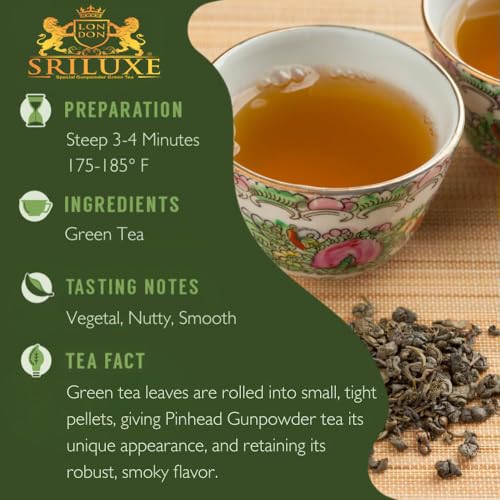
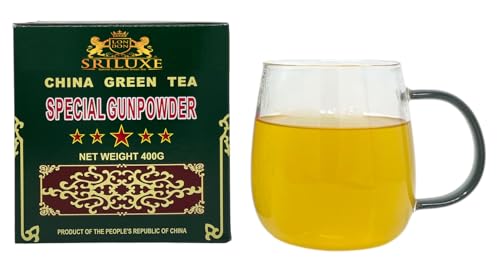
SRILUXE Premium Gunpowder Loose Leaf Green Tea
A classic gunpowder green tea with a clean, natural flavor and smooth finish when properly steeped — brews equally well hot or as a large-batch iced tea.
🎯 Best for: Hot tea preparation, Iced tea in large batches
🍃 Tastes like: natural

🍃 Flavor Profile
Strength: Moderate
Notes: natural
✅ What Customers Love
- Good taste with no bitterness (3 mentions)
- Versatile - works well hot or iced (2 mentions)
- Natural tea leaves (2 mentions)
🎯 Best For
Hot tea preparation • Iced tea in large batches • Daily drinking tea • Alternative to premium teas
Brand: SRILUXE
Category: Green Tea
As an Amazon Associate we earn from qualifying purchases.
About This Green Tea
This gunpowder-style loose leaf green tea delivers a pleasant, moderate-bodied cup with natural flavor that reviewers find approachable and non-bitter. The rolled leaves expand considerably during steeping, so a mesh infuser with adequate room matters more than it might with other loose leaf teas. Hot or cold preparation both work well, and the tea lends itself to brewing in volume. Steep time does require attention — leaving the leaves too long will introduce bitterness, which is the one area where it asks something of the brewer. A practical daily green tea for those who want an unfussy, clean cup without reaching for premium-grade stock.
Is SRILUXE Premium Gunpowder Loose Leaf Green Tea Right for You?
How does SRILUXE gunpowder tea taste?
Reviewers consistently describe the taste as pleasant with no bitterness — a moderate-strength, natural green tea flavor without any harsh or astringent edges. It's not a delicate, floral green tea; it's more of a clean, straightforward, slightly robust cup that's characteristic of the gunpowder style. Multiple reviewers specifically call out the 'good taste,' and the consensus is that it's an honest, enjoyable daily drinker. The one caveat: if you over-steep it, you will get bitterness, so keep your brewing time under 3 minutes.
How do you brew SRILUXE gunpowder green tea properly?
This is actually the most important thing to get right with this tea. Reviewers specifically warn that it can become bitter if over-brewed. Use water at about 75-80°C (not boiling — let the kettle sit for a couple of minutes after boiling) and steep for 2-3 minutes maximum. The leaves expand significantly, so give them room in a spacious infuser or brew loose in a pot and strain. If you find it too strong, try a shorter steep rather than using fewer leaves. Getting the steep time right is the difference between the pleasant, no-bitterness taste most reviewers praise and a disappointing bitter cup.
Is this SRILUXE gunpowder tea good for beginners?
Absolutely — and reviewers back this up. The taste profile is described as forgiving, meaning small brewing mistakes won't completely ruin your cup. The flavor is moderate and pleasant without bitterness (when brewed correctly), so it won't overwhelm someone new to loose leaf tea. Reviewers also note it works well with disposable mesh bags if you don't own a proper infuser yet. The main thing beginners should know is to watch the steep time — 2-3 minutes, not longer — since over-brewing is the one thing that can make it bitter.
Is gunpowder green tea good quality?
SRILUXE's gunpowder green tea sits in the solid everyday-drinking tier rather than the ultra-premium artisan level. Reviewers describe it as having a pleasant taste with no bitterness when brewed properly, and the leaves expand significantly during steeping — a sign of real, whole tea leaves rather than dust or fannings. One reviewer did note it's 'not the finest quality,' so if you're a connoisseur seeking competition-grade gunpowder, this may not be your match. But for daily drinking at this price point, the quality is genuinely good.
Who is SRILUXE gunpowder green tea best for?
This tea fits best into a few specific profiles. Daily green tea drinkers who want good value without breaking the bank will love the 400g bag. Beginners exploring loose leaf tea benefit from its forgiving, pleasant flavor and easy brewing. Iced tea enthusiasts who make large batches will appreciate the quantity. And tea drinkers who want a reliable backup in the cupboard — reviewers specifically mention it as worth keeping alongside pricier options. It's less ideal if you're after the most refined gunpowder experience or if you tend to forget about your tea while steeping.
As an Amazon Associate we earn from qualifying purchases.
Can you use SRILUXE gunpowder tea in a tea ball?
You can, but there's an important catch. Reviewers and the nature of gunpowder tea both point to the same thing: the tightly rolled leaves expand significantly when they steep. A small, cramped tea ball won't give them enough room to unfurl, which means you'll get a weaker, less flavourful cup. A basket-style infuser, a large mesh strainer, or brewing loose in a pot and straining works much better. If a tea ball is all you have, fill it only half full to give the leaves room to expand.
What are common mistakes when brewing green tea?
The biggest mistake — and one that reviewers of this SRILUXE tea specifically flag — is over-brewing. Steeping green tea too long or in boiling water extracts excessive tannins, turning a pleasant cup bitter. With this gunpowder tea, keep it to 2-3 minutes and use water below boiling (75-80°C). Another common mistake is cramming the rolled leaves into a tiny tea ball — gunpowder leaves expand a lot, so they need space to unfurl and release their flavor properly. Use a basket-style infuser or brew freely in a pot.
Does SRILUXE gunpowder tea contain natural tea leaves?
Yes. Reviewers specifically note that this is made from natural tea leaves, and the fact that the leaves expand significantly during steeping confirms they're whole, rolled leaves rather than broken fragments or reconstituted tea. This matters because whole leaves retain more of their flavor compounds and antioxidants compared to the dust and fannings you'd find in many tea bags. What you're getting is genuine gunpowder-style rolled green tea.
How do you brew green tea for iced tea?
Reviewers highlight this SRILUXE tea as working especially well for iced tea in large batches. The quickest method: brew it double-strength (use twice the normal amount of leaves in hot water at 75-80°C for 2-3 minutes), then pour directly over a full glass of ice. This flash-chilling locks in the flavor. For a pitcher, cold brew overnight in the fridge — about 4-5 teaspoons per litre. The 400g bag is particularly practical for iced tea since you'll use more leaves per serving, and at this price point, you won't feel guilty making big batches.
How do you brew green tea cold?
Cold brewing is a great option with this SRILUXE gunpowder tea, and reviewers specifically praise its versatility for both hot and iced preparation. For cold brew, add about 3-4 teaspoons of the gunpowder pearls to a litre of cold water, place it in the fridge, and let it steep for 6-8 hours or overnight. Cold brewing produces a naturally smoother, less bitter result — which is a nice bonus since over-steeping is the one complaint some reviewers have with hot preparation. The slow extraction pulls out the sweetness without the tannins.
Is it beneficial to drink green tea daily?
Yes, and this SRILUXE tea is actually positioned well for daily drinking. Reviewers specifically describe it as a solid 'daily drinking tea' with a forgiving, pleasant taste that doesn't fatigue the palate. The 400g bag gives you well over 100 cups, making a daily habit both practical and economical. From a health perspective, daily green tea consumption is associated with improved antioxidant levels, better cardiovascular markers, and enhanced metabolism. Just keep it to 3-4 cups a day to stay within comfortable caffeine limits.
As an Amazon Associate we earn from qualifying purchases.
Can you re-steep SRILUXE gunpowder green tea?
Yes — and this is one of the advantages of gunpowder-style tea. The tightly rolled leaves release their flavour gradually, so a second and even third steep can still produce a decent cup. Each subsequent steep will be lighter and more delicate than the first. For re-steeping, add about 30 seconds to your brew time with each round. This effectively stretches the value of the already generous 400g bag even further.
What's the difference between green tea and gunpowder green tea?
Gunpowder green tea is a specific style where each leaf is rolled into a small, tight pellet — resembling gunpowder, hence the name. Regular green tea leaves are typically flat or loosely twisted. The rolling process gives gunpowder tea a slightly bolder, more robust flavor compared to delicate flat green teas like sencha. With SRILUXE's version, reviewers note a moderate flavor strength with natural, pleasant taste notes. The tight rolling also means the leaves stay fresh longer and expand dramatically when steeped, so you'll want a roomy infuser.
How do you brew gunpowder green tea leaves?
Use about 2-3 grams of the SRILUXE gunpowder pearls per cup (roughly a teaspoon). Heat water to 75-80°C — boiling will scorch the leaves. Pour over the leaves and steep for 2-3 minutes, no more. The key detail reviewers mention is that these leaves expand significantly, so use a basket infuser or brew loose in a teapot with a strainer. You can actually re-steep gunpowder tea 2-3 times — the tightly rolled leaves release flavor gradually, so your second and third steeps can still be enjoyable.
What does gunpowder green tea do for you?
Gunpowder green tea is naturally high in antioxidants — SRILUXE highlights this on the packaging, and it's consistent with what we know about minimally processed green teas. Regular green tea consumption is associated with improved metabolism, cardiovascular support, and mental alertness from its combination of caffeine and L-theanine. Because gunpowder tea leaves are rolled tightly, they tend to retain their freshness and nutrient content longer than flat-leaf green teas.
What happens if I drink 1 cup of green tea every day?
One cup of green tea daily is a gentle, sustainable habit. You'll get a modest dose of antioxidants and a mild caffeine lift without overdoing it. SRILUXE's 400g bag is actually well-suited for daily drinking — at roughly 2-3g per cup, that's over 130 cups from a single bag, so you're looking at several months of daily tea. Reviewers specifically mention this as a good 'daily drinking tea,' and the moderate flavor profile means it won't overwhelm you as part of a routine.
What are the 5 benefits of green tea?
The key benefits of green tea — and reasons this SRILUXE gunpowder tea specifically is a good choice — are: (1) Rich in antioxidants, particularly catechins like EGCG that support cellular health. (2) Gentle, sustained energy from the caffeine-L-theanine combination without the coffee crash. (3) Metabolic support — regular green tea consumption is linked to improved fat oxidation. (4) Cardiovascular health — associated with better cholesterol profiles over time. (5) Mental clarity and focus. This particular tea checks these boxes well since it's a genuine loose-leaf product that retains more of these beneficial compounds than many bagged alternatives.
As an Amazon Associate we earn from qualifying purchases.
Is the caffeine in green tea enough to keep you awake?
It depends on your sensitivity, but generally green tea provides a more subtle alertness than coffee. The caffeine content in gunpowder green tea (around 35-45mg per cup) is enough to sharpen focus without the wired feeling. Green tea also contains L-theanine, an amino acid that promotes calm alertness — so you get the wakefulness without the anxious edge. For this SRILUXE tea specifically, reviewers use it as a daily drinker, which suggests it's gentle enough for regular consumption without disrupting routines.
What are the side effects of gunpowder tea?
Gunpowder green tea contains caffeine — typically around 35-45mg per cup, which is moderate compared to coffee. If you're sensitive to caffeine, you might experience restlessness or trouble sleeping if you drink it late in the day. Green tea can also reduce iron absorption from food, so it's best enjoyed between meals rather than with them. On an empty stomach, it may cause mild nausea in some people. These are standard green tea considerations, not specific to this SRILUXE product.
Is green tea very high in caffeine?
Green tea has moderate caffeine — roughly 35-45mg per cup compared to coffee's 80-120mg. Gunpowder green tea tends to sit on the slightly higher end of the green tea caffeine range because the tightly rolled leaves are dense and release their compounds efficiently. That said, it's still considerably less than coffee. If you're looking for a gentle pick-me-up without the jitters, this SRILUXE gunpowder tea gives you enough alertness for a morning or afternoon boost without overdoing it.
Is green tea good for your skin?
Green tea's high antioxidant content — particularly EGCG — is linked to skin health benefits. These antioxidants can help protect against UV damage, reduce inflammation, and support overall skin clarity. SRILUXE specifically markets this gunpowder tea as 'high in antioxidants,' which is consistent with minimally processed loose leaf green teas that retain more of their beneficial compounds compared to heavily processed tea bags. Drinking it regularly as part of a balanced diet may contribute to healthier-looking skin over time.
What happens when you drink green tea every day?
Regular daily green tea consumption is associated with gradual, cumulative benefits: improved antioxidant levels, better metabolic function, and cardiovascular support. You may also notice more stable energy throughout the day compared to coffee, thanks to the caffeine-L-theanine combination. With this SRILUXE gunpowder tea specifically, the 400g bag is designed for exactly this kind of routine use — reviewers describe it as an excellent daily drinker, and the value for quantity means you're looking at months of daily cups from a single bag.
What Customers Love
⚠️ Limited sample based on limited customer feedback (8 reviews) • Our methodology
- Good taste with no bitterness (3 mentions)
- Versatile - works well hot or iced (2 mentions)
- Natural tea leaves (2 mentions)
- Large quantity for the price (2 mentions)
Taste Profile
- pleasant
- good taste
- no bitterness
- acceptable
Best Use Cases
🎯 Best For
- Hot tea preparation
- Iced tea in large batches
- Daily drinking tea
- Alternative to premium teas
⚠️ Not Ideal For
- Over-brewing - requires attention to steep time
What to Consider
- Can become bitter if over-brewed (1 mentions)
- Not the finest quality (1 mentions)
⚠️ Important: This analysis is based on limited customer feedback (8 reviews). We've shared what we found, but there may be additional considerations we haven't captured.
About This Analysis
This analysis is based on 8 customer reviews. We're showing you everything we found, but with a small sample, there's a lot we likely haven't captured yet.
✅ What we're confident about: What customers love and best use cases
⚠️ What may be incomplete: Potential issues and considerations
For more perspectives, check customer reviews on Amazon.
Product Selection
In short: We only feature high-rated products.
Products on TeaDelight.net are selected based on strong Amazon customer ratings, sufficient review volume, and market presence. We focus on well-regarded products that tea enthusiasts are actively considering and purchasing.
As an Amazon Associate we earn from qualifying purchases.
You Might Also Like

✅ Fresh tea aroma and fragrance
Twinings Green Tea with Jasmine

✅ Fresh, grassy flavor profile
Tealyra Gyokuro Ureshinocha Japanese Green Tea

✅ Freshness of tea leaves
Xihu Dragonwell Longjing Tea (Yu Qian)
✅ Well-balanced flavor profile - sweet and umami with minimal astringency