



We analyze real customer reviews to surface what matters: key strengths, ideal use cases, and honest considerations — so you can make an informed choice.
Tekola Organic Gunpowder Green Tea
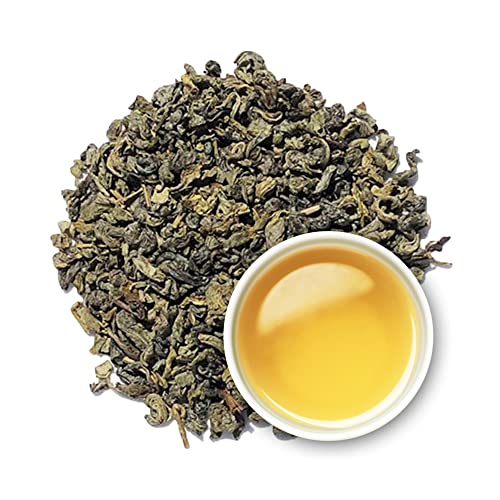
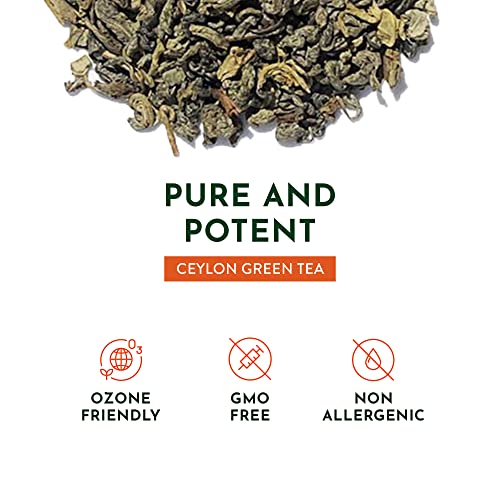
A boldly flavored Ceylon gunpowder green tea with unusually high caffeine content, prized for delivering calm, focused energy rather than coffee-style jitters.
🎯 Best for: Morning energy ritual, Daily tea routine
🍃 Tastes like: traditional gunpowder green tea essence

🍃 Flavor Profile
Strength: Bold
Notes: traditional gunpowder green tea essence
✅ What Customers Love
- High caffeine content / potent energy boost (4 mentions)
- Organic certification and Ceylon origin (non-China) (4 mentions)
- Clean, fresh taste quality (3 mentions)
🎯 Best For
Morning energy ritual • Daily tea routine • Coffee replacement for budget-conscious users • Focus and attentive calm throughout workday
Brand: Tekola
Category: Green Tea
As an Amazon Associate we earn from qualifying purchases.
About This Green Tea
This Ceylon-sourced gunpowder green tea delivers a bold, clean flavor with a fresh finish, distinctly different from typical Chinese gunpowder varieties. Its high caffeine content paired with L-Theanine produces calm, focused alertness rather than jittery energy spikes. The organic certification and non-China origin appeal to enthusiasts seeking purity and provenance. Worth noting: the loose leaf isn't rolled into perfect pellets and carries some stems. Best suited for morning rituals, coffee replacements, and health-focused drinkers wanting sustained, jitter-free energy.
Is Tekola Organic Gunpowder Green Tea Right for You?
Can Tekola gunpowder green tea replace coffee?
Multiple reviewers say yes — and that's exactly how they use it. The high caffeine content provides a comparable energy boost to coffee, while the L-theanine creates a calmer, more sustained alertness without the crash. Customers specifically mention the budget advantage: a 16-ounce bag of this tea lasts much longer than an equivalent coffee spend. Some also appreciate the portability — loose leaf tea is easier to bring to work than a whole coffee setup. The one caveat is that the flavor is obviously very different from coffee, so the switch is about function, not replicating the coffee taste.
Is green tea very high in caffeine?
Green tea generally has moderate caffeine — about 25-50mg per cup compared to coffee's 95-200mg. But Tekola's gunpowder green tea sits at the high end of that spectrum. Multiple reviewers specifically call out how potent the caffeine kick is, with some saying it rivals their morning coffee. The effect is different from coffee, though — customers describe a calm, attentive buzz from the L-theanine and caffeine combination rather than a sharp spike and crash. If you're caffeine-sensitive, this particular tea may be too much for you.
How much caffeine is in Tekola gunpowder green tea compared to other green teas?
Tekola's gunpowder green tea sits at the high end of the green tea caffeine spectrum. While a typical green tea has 25-50mg of caffeine per cup, gunpowder green tea tends toward the upper range because the tightly rolled leaves retain more caffeine. Reviewers of this specific tea consistently call out its potent energy boost — with four separate mentions of high caffeine as a key strength. Several customers say it provides enough stimulation to fully replace their morning coffee, which suggests it's pushing closer to 50-70mg per cup depending on steep time.
Is gunpowder green tea good quality?
Quality varies a lot by brand, but Tekola's gunpowder green tea is organic and grown, processed, and packed entirely in Ceylon (Sri Lanka). That's a meaningful distinction — most gunpowder green tea comes from China, so the Ceylon origin appeals to people who want a different sourcing option. Reviewers describe the taste as clean, fresh, and bold. One thing to note: the leaves don't always form the tight, perfectly rolled balls you'd expect from traditional gunpowder tea, and there are occasional stems mixed in. But the flavor and potency get strong marks from most customers.
What does Tekola gunpowder green tea taste like?
Reviewers describe Tekola's gunpowder green tea as bold, clean, and fresh — this isn't a delicate, subtle green tea. It has a traditional gunpowder green tea essence with real strength behind it. Most customers love the robust flavor, calling it 'delicious' and 'strong.' That said, one reviewer found the flavor lacking in complexity, describing it as relatively straightforward. If you're looking for a nuanced, multi-layered tea experience, this may feel too simple. But if you want a reliable, bold green tea for daily drinking, it hits the mark for most people.
Why is Tekola's gunpowder green tea from Ceylon instead of China?
Most gunpowder green tea traditionally comes from China, but Tekola sources theirs entirely from Ceylon (Sri Lanka) — grown, processed, and packed there. This is a deliberate differentiator. Some tea drinkers specifically seek non-China sources due to concerns about growing practices, soil quality, or simply wanting to try a different terroir. Reviewers who care about tea origins see the Ceylon sourcing as a genuine selling point. The flavor profile may differ slightly from Chinese gunpowder because of the different growing conditions, but customers report a clean, bold taste that holds its own.
As an Amazon Associate we earn from qualifying purchases.
Is Tekola gunpowder green tea good for beginners?
Yes, it's actually a solid entry point into loose leaf tea. The price is competitive, so you're not investing heavily to try something new. It works with simple infusers or compostable tea bags, so you don't need special equipment. And the bold flavor is forgiving — unlike delicate green teas where you need precise timing and temperature, this gunpowder is hard to mess up badly. The 16-ounce bag also gives you plenty of tea to experiment with different brewing methods and find what you like. Just be aware that it's a strong, high-caffeine tea, so start with shorter steeps.
Does Tekola gunpowder green tea look like real gunpowder tea?
Not exactly — and this is something to set expectations on. Traditional gunpowder green tea is known for its tightly rolled pellets that resemble gunpowder grains. Tekola's version doesn't always form those perfect tight balls. You'll also find some stems mixed in with the leaves. This doesn't appear to affect the taste or potency based on reviews, but if you're expecting picture-perfect, tightly rolled gunpowder pellets, you may be slightly disappointed by the visual presentation.
Who should NOT drink Tekola gunpowder green tea?
This tea isn't the best fit for everyone. Caffeine-sensitive individuals should steer clear or brew it very lightly — reviewers specifically flag this as a very high-caffeine tea. Elderly tea drinkers may also find it too stimulating. If you prefer delicate, subtle green teas with nuanced flavors, this bold gunpowder might feel too straightforward. And if you're looking for an evening tea, this isn't it — the long-lasting caffeine effect means it's best consumed in the morning or early afternoon. For those situations, look for a low-caffeine or decaf green tea instead.
What are the 5 benefits of green tea?
Based on what reviewers actually experience with Tekola's gunpowder green tea: (1) A noticeable energy boost without the jitters — the caffeine and L-theanine combination delivers clean energy. (2) Calm, focused alertness throughout the workday. (3) High antioxidant content, especially EGCG, supporting overall health. (4) A viable coffee replacement that doesn't form the same dependency habits. (5) Organic and pesticide-free, so you're not putting unwanted chemicals in your body daily. The Ceylon origin also appeals to people who value supply chain transparency.
What are the side effects of gunpowder green tea?
The main thing to be aware of with Tekola's gunpowder green tea is its high caffeine content. Multiple reviewers mention this is a very potent tea — great if you want energy, but potentially too much for caffeine-sensitive individuals or elderly drinkers. If you're sensitive to caffeine, you might experience restlessness, difficulty sleeping, or an upset stomach. It's definitely not an evening tea for most people. Starting with a shorter steep time can help moderate the strength while you figure out your sweet spot.
What does gunpowder green tea do for you?
Gunpowder green tea is known for delivering a noticeable energy boost thanks to its higher caffeine content compared to most green teas. With Tekola's organic gunpowder specifically, reviewers consistently highlight a calm, focused alertness — that's the L-theanine and caffeine working together. You get energy without the jittery crash that coffee often brings. It's also packed with EGCG, a powerful antioxidant that's been linked to various health benefits. Several customers drink it daily as a complete coffee replacement.
As an Amazon Associate we earn from qualifying purchases.
What's the difference between green tea and gunpowder green tea?
All gunpowder tea is green tea, but not all green tea is gunpowder. The difference is in how the leaves are processed — gunpowder green tea leaves are rolled into small, tight pellets that resemble gunpowder grains. This rolling process helps preserve freshness and gives the tea a bolder, more concentrated flavor when brewed. Tekola's version delivers that signature bold strength that gunpowder is known for, with a clean, traditional taste profile. It tends to have more caffeine than flat-leaf green teas because of how densely the leaves are packed.
Is green tea a stimulant or depressant?
Green tea is technically a stimulant because of its caffeine content, and Tekola's gunpowder green tea is a particularly stimulating one — reviewers highlight its potent energy boost. But here's the interesting part: green tea also contains L-theanine, an amino acid that promotes relaxation without drowsiness. Customers describe the combined effect as a 'calm, relaxed but attentive buzz.' So it's a stimulant that doesn't feel like a typical stimulant — you get energy and focus without the anxiety or jitters that coffee can cause.
What are the side effects of drinking green tea?
For most people, green tea is very safe. With Tekola's gunpowder specifically, the main concern is the high caffeine content. If you're caffeine-sensitive, you might experience insomnia, restlessness, or stomach discomfort — especially if you drink it on an empty stomach or late in the day. Green tea can also reduce iron absorption from plant-based foods, so avoid drinking it with meals if iron is a concern. Reviewers specifically warn that this tea is too strong for some elderly individuals and caffeine-sensitive people. Starting with a lighter steep helps you gauge your tolerance.
What are common mistakes when brewing green tea?
The biggest mistake is using boiling water — green tea, including Tekola's gunpowder, should be brewed at 175-185°F. Boiling water scorches the leaves and makes the tea taste bitter and astringent. The second common mistake is oversteeping. With a bold gunpowder like this one, going past 3-4 minutes can make it overly strong and tannic. Start at 2 minutes and adjust to your taste. Third, don't use too many leaves — gunpowder pellets unfurl and expand significantly, so a little goes a long way.
How do you brew green tea cold or as iced tea?
For cold brewing Tekola's gunpowder green tea, add about 1.5 teaspoons of leaves per cup of cold water, place it in the fridge, and let it steep for 6-8 hours (overnight works perfectly). Cold brewing produces a smoother, less bitter result while still extracting caffeine and antioxidants. For a quicker iced version, brew it hot at double strength — two teaspoons per cup, steeped 2-3 minutes — then pour over ice. The bold flavor of this gunpowder holds up well to dilution from melting ice.
How should I store Tekola gunpowder green tea?
Reviewers praise Tekola's airtight, well-designed packaging, which helps keep the tea fresh. Once opened, store it in an airtight container away from light, heat, moisture, and strong odors — green tea absorbs smells easily. A cool, dark pantry or cupboard is ideal. Avoid the refrigerator, as the moisture can degrade the leaves. With a 16-ounce bag, proper storage matters since it'll take a while to get through it all. If you're a daily drinker, the bag should stay fresh as long as you reseal it tightly between uses.
As an Amazon Associate we earn from qualifying purchases.
How do you brew gunpowder green tea properly?
For Tekola's gunpowder green tea, use water that's around 175-185°F (80-85°C) — not boiling, which can make green tea bitter. Use about one teaspoon of leaves per cup, steep for 2-3 minutes, and taste. Because this is a bold, high-caffeine gunpowder, a shorter steep gives you a cleaner flavor while a longer steep intensifies both the strength and the caffeine kick. Customers brew it in everything from traditional infusers to compostable tea bags, so use whatever method you prefer. The loose leaf format is forgiving enough for daily brewing.
How do you brew loose leaf green tea?
Tekola's gunpowder comes as loose leaf, so you'll need an infuser, strainer, or compostable tea bags. Place about one teaspoon of the rolled leaves into your infuser, pour 175-185°F water over them, and steep for 2-3 minutes. The pellets will unfurl as they steep — it's part of the experience. Reviewers mention that this tea works well with simple infusers and that the brewing process is forgiving enough for beginners. You can also re-steep the leaves for a second, lighter cup.
Is the caffeine in green tea enough to keep you awake?
With Tekola's gunpowder green tea? Absolutely. This is one of the higher-caffeine green teas you'll find, and reviewers consistently mention a long-lasting energy effect throughout the day. Several customers use it specifically as a coffee replacement because the caffeine is strong enough to keep them alert and focused. That said, the energy feels different from coffee — it's more of a sustained, calm alertness rather than a sharp jolt. Definitely avoid drinking it in the evening unless you want to be up late.
Is it beneficial to drink green tea daily?
Most research supports daily green tea consumption as beneficial, and Tekola's organic gunpowder green tea is a solid choice for a daily habit. It's rich in EGCG and other antioxidants, and the organic certification means you're not accumulating pesticide exposure over time. Reviewers who drink it daily praise the sustained energy, focus, and the fact that it doesn't form habits the way coffee does — meaning you can skip a day without withdrawal headaches. The 16-ounce bag is sized and priced for daily drinkers.
What happens when you drink green tea every day?
Regular drinkers of Tekola's gunpowder green tea report sustained energy throughout the day, improved focus, and a smoother alertness compared to coffee. Over time, customers mention it becoming a reliable part of their morning routine — especially people who've switched from coffee and appreciate the lack of jitters and crashes. Some reviewers also report health benefits they attribute to the high antioxidant and EGCG content. The key is consistency — daily consumption is how you get the cumulative antioxidant benefits.
What happens if I drink green tea every day?
Daily green tea consumption is generally considered beneficial — you're getting a steady supply of antioxidants, particularly EGCG. With Tekola's gunpowder specifically, daily drinkers report sustained energy throughout the day and a calm, focused alertness that they prefer over coffee. Some reviewers even report health benefits they attribute to the high EGCG content. The 16-ounce bag is sized for daily drinkers and offers good value at that consumption rate. Just be mindful of your total caffeine intake since this is a high-caffeine tea.
As an Amazon Associate we earn from qualifying purchases.
What is the healthiest way to make green tea?
To maximize the health benefits from Tekola's gunpowder green tea, brew it with water just below 180°F and steep for about 3 minutes. This temperature extracts the beneficial catechins (especially EGCG) without destroying them. Avoid adding milk, as casein can bind to some antioxidants and reduce their availability. A squeeze of lemon actually helps — vitamin C can boost catechin absorption. Since this tea is organic, you're already avoiding pesticide residues, which is another health advantage.
What Customers Love
⚠️ Limited sample based on limited customer feedback (9 reviews) • Our methodology
- High caffeine content / potent energy boost (4 mentions)
- Organic certification and Ceylon origin (non-China) (4 mentions)
- Clean, fresh taste quality (3 mentions)
- Competitive pricing / affordability (3 mentions)
- Airtight, well-designed packaging (2 mentions)
- Calm, relaxed but attentive buzz from L-Theanine and caffeine synergy (2 mentions)
Taste Profile
- clean
- fresh
- strong
- delicious
Best Use Cases
🎯 Best For
- Morning energy ritual
- Daily tea routine
- Coffee replacement for budget-conscious users
- Focus and attentive calm throughout workday
- Health-focused tea consumption (high antioxidants)
⚠️ Not Ideal For
- Evening consumption (very high caffeine)
- Caffeine-sensitive individuals or elderly
- Those seeking delicate, subtle green tea flavors
What to Consider
- Extremely high caffeine may be too strong for sensitive individuals (2 mentions)
- Lacks traditional gunpowder appearance (not perfect balls) (1 mentions)
- Some stems present in loose leaf (1 mentions)
- Flavor described as nearly void/lacking complexity by one reviewer (1 mentions)
⚠️ Important: This analysis is based on limited customer feedback (9 reviews). We've shared what we found, but there may be additional considerations we haven't captured.
About This Analysis
This analysis is based on 9 customer reviews. We're showing you everything we found, but with a small sample, there's a lot we likely haven't captured yet.
✅ What we're confident about: What customers love and best use cases
⚠️ What may be incomplete: Potential issues and considerations
For more perspectives, check customer reviews on Amazon.
Product Selection
In short: We only feature high-rated products.
Products on TeaDelight.net are selected based on strong Amazon customer ratings, sufficient review volume, and market presence. We focus on well-regarded products that tea enthusiasts are actively considering and purchasing.
As an Amazon Associate we earn from qualifying purchases.
You Might Also Like

✅ Tropical flavor and aroma
Mighty Leaf Green Tea Tropical

✅ Fresh tea aroma and fragrance
Twinings Green Tea with Jasmine

✅ Instant solubility - dissolves quickly in hot or cold water
VeryVery Good Tea Peach Energy with Green Tea
✅ Authentic Japanese fukamushi sencha quality