


We analyze real customer reviews to surface what matters: key strengths, ideal use cases, and honest considerations — so you can make an informed choice.
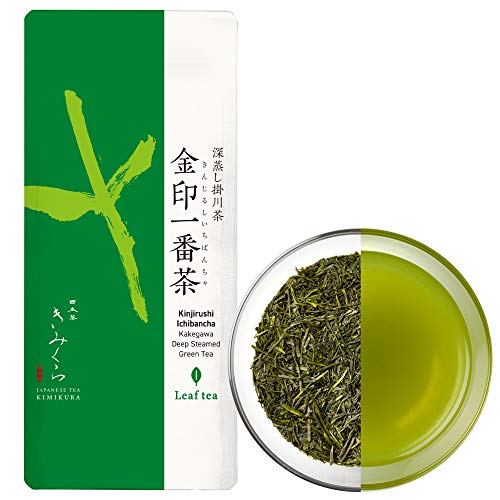
KIMIKURA Fukamushi Sencha Green Tea
Deep-steamed Japanese sencha with a rich umami depth and sweet grassy brightness — its dark green leaves produce a full-bodied, vibrant cup.
🎯 Best for: Daily drinking routine, Authentic Japanese tea experience
🍃 Tastes like: sweet grassy undertones, fresh vegetable, umami

What Stands Out
🍃 Flavor Profile
Strength: Moderate
Notes: sweet grassy undertones, fresh vegetable, umami
✅ What Customers Love
- Authentic Japanese fukamushi sencha quality (6 mentions)
- Dark green color (proper for deep-steamed tea) (4 mentions)
- Rich umami flavor (3 mentions)
🎯 Best For
Daily drinking routine • Authentic Japanese tea experience • Morning or afternoon tea
Brand: KIMIKURA
Category: Green Tea
As an Amazon Associate we earn from qualifying purchases.
About This Green Tea
Fukamushi processing extends steaming time beyond standard sencha, releasing a richer, more layered infusion. The flavor opens with sweet grassy and fresh vegetable notes before deepening into a satisfying umami finish that enthusiasts compare favorably to gyokuro and shincha. Reviewers note the leaves are fine and free of twigs, and the characteristically dark green color signals proper deep-steamed quality. One trade-off: fine leaf particles produce notable sediment, making an ultra-fine filter essential. Best suited to daily green tea drinkers who want authentic Japanese complexity and are prepared to brew at around 80°C.
Is KIMIKURA Fukamushi Sencha Green Tea Right for You?
What is fukamushi green tea?
Fukamushi means 'deep-steamed' in Japanese. Unlike regular sencha which is steamed briefly, fukamushi sencha is steamed longer during processing, which breaks down the leaf structure more. This KIMIKURA fukamushi sencha from Kakegawa, Shizuoka produces a darker green color in the cup and a richer, more full-bodied flavor with pronounced umami notes. The trade-off is that the finer leaf particles can create more sediment in your cup — that's actually a sign of authentic fukamushi, not a defect.
What does KIMIKURA fukamushi sencha taste like?
Reviewers describe a rich, full-bodied cup with pronounced umami — that savory, almost brothy quality prized in Japanese green teas. You'll also pick up sweet grassy undertones, fresh vegetable notes, and a complex, vibrant finish. The deep-steaming process gives it more body and depth than regular sencha, without heavy bitterness when brewed correctly. It's the kind of tea where you notice new nuances as you drink — not a one-note experience. The flavor is moderate in strength, satisfying without being overwhelming.
How does KIMIKURA sencha compare to gyokuro?
Gyokuro is shade-grown and generally considered a tier above sencha in terms of umami intensity and price. However, reviewers of this KIMIKURA fukamushi sencha specifically note it's comparable to premium gyokuro and shincha at a lower price point. You'll get a rich umami flavor and full body that approaches gyokuro territory, with the added complexity of sweet grassy and fresh vegetable notes characteristic of quality sencha. For daily drinking, this offers a much better value than gyokuro while still delivering impressive depth.
Does this KIMIKURA sencha have a lot of sediment?
Some sediment is normal and expected with fukamushi (deep-steamed) sencha — it's actually a sign of authenticity. The extended steaming process creates finer leaf particles that pass through standard strainers. One reviewer noted needing an ultra-fine filter, which is fair. If sediment bothers you, use a kyusu with a very fine built-in strainer or a paper filter. But here's the thing: those fine particles carry concentrated flavor and nutrients, so many fukamushi enthusiasts actually welcome them. It's a feature of the style, not a flaw.
Is KIMIKURA fukamushi sencha good for beginners?
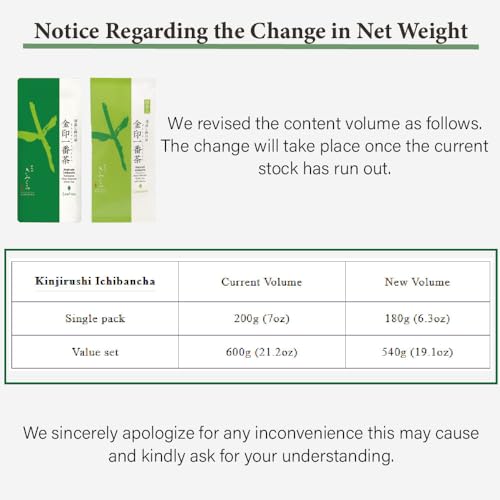
Yes, this is an excellent starting point for anyone curious about authentic Japanese green tea. Reviewers describe it as an approachable introduction to sencha with clear, forgiving brewing guidelines — 80°C water and a 30-second to 1-minute steep. The flavor is rich and full-bodied with umami depth and sweet grassy notes, but it's not intimidating. The 180g value pack also means you have plenty of tea to experiment with your brewing technique without worrying about running out too quickly.
How many cups can I get from the 180g pack?
Using the recommended 4-5 grams per cup, you'll get roughly 36-45 cups from the 180g pack. But since you can re-steep fukamushi sencha leaves 2-3 times, you're realistically looking at 70-135 servings. That's anywhere from 2 to 4+ months of daily tea drinking from a single pack, which is a big part of why reviewers call out the value proposition. The second and third steeps will taste different — often sweeter and lighter — but still very enjoyable.
As an Amazon Associate we earn from qualifying purchases.
Where is KIMIKURA tea grown?
This sencha comes from Kakegawa in Shizuoka Prefecture, Japan. Shizuoka is the largest tea-producing region in Japan, responsible for about 40% of the country's tea output, and Kakegawa is particularly renowned for its fukamushi (deep-steamed) sencha. The region's climate — warm days, cool nights, and mineral-rich soil — creates ideal growing conditions for developing the complex, umami-rich flavor profile that reviewers praise in this tea.
How do you brew green tea properly?
For this KIMIKURA fukamushi sencha specifically, reviewers recommend water at about 80°C (176°F) — not boiling, which will scorch the leaves and make them bitter. Steep for just 30 seconds to 1 minute for the first infusion. Because fukamushi leaves are finer from deep-steaming, you'll want a teapot with a fine mesh strainer or use an ultra-fine filter to catch the smaller particles. The good news is those fine particles actually carry a lot of flavor and nutrients into your cup.
How to brew green tea cold?
Cold brewing is a fantastic way to enjoy this KIMIKURA sencha, especially in warm weather. Add about 5-6 grams of leaves to a liter of cold water, place it in the refrigerator, and let it steep for 4-8 hours (overnight works perfectly). Cold brewing actually enhances the sweet, umami qualities of fukamushi sencha while reducing any bitterness. The result is incredibly smooth and refreshing. The fine fukamushi particles will settle to the bottom, so give it a gentle stir before pouring.
How to brew green tea for iced tea?
You have two great options with this KIMIKURA sencha. For a quick method, brew it hot and concentrated — use double the leaves (about 8-10g per cup), steep at 80°C for 45 seconds, then pour directly over a full glass of ice. This flash-chilling locks in the vibrant green color and fresh flavor. For a smoother, mellower iced tea, cold brew it overnight in the fridge (5-6g per liter). Cold brewing brings out more of the sweet, umami character and less grassiness.
What equipment do I need for this tea?
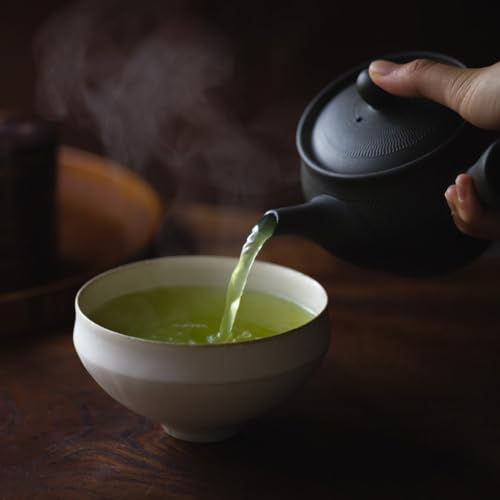
At minimum, you need a way to heat water to about 80°C and a fine mesh strainer or infuser. Because fukamushi sencha has finer leaf particles than regular sencha, a standard large-hole infuser won't cut it — you'll get too much sediment. The ideal setup is a Japanese kyusu (side-handle teapot) with a built-in fine mesh strainer, which is designed exactly for this type of tea. A variable-temperature electric kettle is also helpful. If you're just starting out, even a small fine-mesh tea strainer over your cup will work well.
Who should NOT buy this tea?
This tea might not be for you if you strongly dislike sediment in your cup — fukamushi sencha naturally produces fine particles, and at least one reviewer noted needing an ultra-fine filter. It's also not ideal if you want a quick, no-fuss brewing experience; getting the best from this tea requires paying attention to water temperature and steep time. If you're looking for a light, delicate green tea, this full-bodied fukamushi might be more intense than what you have in mind. And if you only drink tea bags, the transition to loose-leaf does require some equipment.
As an Amazon Associate we earn from qualifying purchases.
What is the difference between sencha green tea and green tea?
Sencha is a specific style of Japanese green tea — it's actually the most popular tea in Japan, making up about 80% of their production. What sets it apart from other green teas (like Chinese dragonwell or gunpowder) is that sencha is steamed rather than pan-fired, giving it a distinctly fresh, grassy, vegetal flavor. This KIMIKURA version is a fukamushi (deep-steamed) sencha, which takes that further with a richer, more umami-forward taste and fuller body compared to regular (asamushi) sencha.
Is it good to drink sencha tea every day?
Absolutely — sencha is one of the most popular daily-drinking teas in Japan for good reason. This KIMIKURA fukamushi sencha is specifically praised as a great daily drinker. The 180g value pack is sized for regular consumption, and reviewers highlight the excellent quality-to-price ratio that makes it sustainable as an everyday tea. The flavor is rich and complex enough to keep things interesting, with sweet grassy undertones and umami depth, but approachable enough that it doesn't demand your full attention every time.
Is Lipton green tea good for you?
Any green tea is better than no green tea, but there's a significant quality difference between mass-market tea bags and loose-leaf Japanese sencha like this KIMIKURA. Lipton green tea is typically made from lower-grade leaves, often fannings and dust, which deliver fewer of the beneficial compounds. This KIMIKURA fukamushi uses fine, pure whole leaves from Shizuoka, Japan — reviewers specifically note the absence of twigs or impurities. The richer flavor also means you're more likely to enjoy it daily, which is where the real health benefits come from.
What are the 5 benefits of green tea?
For a quality Japanese sencha like this KIMIKURA fukamushi: (1) Rich in antioxidants — deep-steamed sencha releases more catechins and EGCG than lighter-steamed varieties. (2) Calm energy — the caffeine plus L-theanine combination provides focused alertness without jitters. (3) Metabolism support — green tea catechins have been shown to support healthy metabolic function. (4) Heart health — regular consumption is associated with improved cardiovascular markers. (5) Mental clarity — the umami-rich amino acids in quality sencha like this one support cognitive function. The fact that this tea is genuinely enjoyable to drink daily makes sticking with these benefits much easier.
What is the highest quality Japanese green tea?
Gyokuro is generally considered the pinnacle of Japanese green tea, followed by competition-grade sencha and shincha (first harvest). That said, reviewers of this KIMIKURA fukamushi sencha specifically note it's comparable to premium gyokuro and shincha but at a significantly lower price point. It comes from Kakegawa in Shizuoka Prefecture — one of Japan's most respected tea-growing regions — and the leaves are described as fine and pure without twigs or impurities, which is a hallmark of quality processing.
What brand of green tea is the best?
It depends on what you're looking for, but for authentic Japanese loose-leaf sencha, KIMIKURA is a strong choice. They're based in Kakegawa, Shizuoka — Japan's largest tea-producing region. Reviewers consistently praise the authentic quality, rich umami flavor, and clean leaves without fillers. If you want a genuine Japanese green tea experience without paying specialty shop prices, this 180g value pack hits a sweet spot between quality and affordability.
As an Amazon Associate we earn from qualifying purchases.
What is the healthiest way to make green tea?
Interestingly, fukamushi (deep-steamed) sencha like this KIMIKURA tea may actually deliver more health compounds than regular sencha. The deeper steaming breaks down the leaf cells more, releasing more catechins and other beneficial compounds into your cup — those fine particles you see in the brew are actually nutrient-rich. To maximize the benefits, brew at 80°C for about a minute and don't filter out the fine sediment. Avoid boiling water, which can degrade some of the beneficial catechins.
What are common mistakes when brewing green tea?
The biggest mistake is using boiling water — this KIMIKURA sencha brews best at around 80°C (176°F). Boiling water will pull out bitter, astringent compounds and ruin the delicate umami and sweet grassy notes. The second common mistake is over-steeping; 30 seconds to 1 minute is the sweet spot for the first brew. With this particular fukamushi tea, another mistake is using a standard coarse strainer — the deep-steamed leaves produce finer particles, so you'll want a fine mesh filter to avoid excessive sediment in your cup.
How to brew green tea leaves?
For this loose-leaf KIMIKURA sencha: use about 4-5 grams of tea per cup (roughly a heaping teaspoon). Heat your water to 80°C/176°F — if you don't have a thermometer, bring water to a boil then let it cool for 2-3 minutes. Pour over the leaves and steep for 30 seconds to 1 minute. Since this is a fukamushi (deep-steamed) tea with finer leaf particles, use a kyusu (Japanese teapot with built-in strainer) or a fine mesh infuser. You can get 2-3 good infusions from the same leaves, increasing steep time slightly each round.
How to brew green tea at home?
Brewing this KIMIKURA sencha at home is straightforward. You'll need: the loose-leaf tea, a kettle (ideally with temperature control), and a teapot or infuser with a fine mesh strainer. Heat water to 80°C (176°F) — don't boil it. Add about 4-5 grams of leaves per cup, pour the water over them, and steep for just 30 seconds to 1 minute. The dark green color you'll see is characteristic of authentic fukamushi sencha. You can re-steep the same leaves 2-3 times, increasing the time slightly each round.
How to brew green tea with tea bags?
This KIMIKURA sencha is loose-leaf, not bagged — and that's actually a good thing for flavor and quality. If you prefer the convenience of bags, you can buy empty disposable tea bags (available cheaply online) and fill them with about 3-4 grams of these loose leaves. Use fine-mesh bags since fukamushi leaves are quite small. Steep at 80°C for 30-60 seconds. That said, a small kyusu teapot or fine mesh infuser will give you a noticeably better cup since the leaves have more room to unfurl and release their flavor.
What happens if I drink 1 cup of green tea every day?
One cup of quality sencha daily is a solid health habit. Japanese green tea like this KIMIKURA fukamushi is rich in catechins (especially EGCG), antioxidants, and L-theanine. Regular green tea drinkers in studies show benefits for heart health, metabolism, and cognitive function. Since this is a fukamushi (deep-steamed) sencha, you may get even more of these compounds — the finer leaf particles release more nutrients into your cup. Many reviewers of this tea specifically enjoy it as part of their daily routine.
As an Amazon Associate we earn from qualifying purchases.
What happens when you drink green tea every day?
Daily green tea consumption has been associated with antioxidant support, improved metabolism, and better cardiovascular health in numerous studies — Japan's Okinawan centenarians are often cited as an example. With a fukamushi sencha like this KIMIKURA, you're getting a particularly nutrient-dense cup since the deep-steaming process releases more beneficial compounds. Practically speaking, reviewers who drink this daily appreciate the 180g value pack sizing and the quality-to-price ratio that makes it sustainable as an everyday habit.
Is it beneficial to drink green tea daily?
Yes, and this KIMIKURA sencha is specifically well-suited for daily drinking. Reviewers highlight the excellent quality-to-price ratio and the 180g value pack size, which is clearly designed for regular consumption. Health-wise, daily green tea consumption is well-supported by research — the catechins and antioxidants in sencha can support heart health, metabolism, and overall wellness. The key is consistency, and having a tea you genuinely enjoy makes that easy. This fukamushi's rich umami flavor keeps the daily ritual satisfying rather than monotonous.
Is green tea very high in caffeine?
Sencha typically contains about 30-50mg of caffeine per cup, which is roughly half of what you'd get from coffee. This KIMIKURA fukamushi sencha falls in that range. The deep-steaming process can release slightly more caffeine due to finer leaf particles dissolving into your brew, but it's still moderate. Most people find sencha gives a calm, focused energy rather than the jittery spike you get from coffee, partly because tea contains L-theanine which smooths out the caffeine effect.
Is the caffeine in green tea enough to keep you awake?
It depends on your sensitivity, but most people find sencha provides a gentle, sustained alertness rather than the intense wakefulness of coffee. With about 30-50mg of caffeine per cup, this KIMIKURA sencha is enough to sharpen your focus for morning or afternoon drinking without the crash. If you're very caffeine-sensitive, you might want to avoid it in the evening. The L-theanine naturally present in Japanese green tea also promotes calm alertness, which is why many people describe the experience as 'focused' rather than 'wired.'
Is green tea a stimulant or depressant?
Green tea is technically a mild stimulant due to its caffeine content, but it's quite different from other stimulants like coffee. Japanese sencha like this KIMIKURA fukamushi contains L-theanine, an amino acid that promotes relaxation without drowsiness. The combination creates what tea enthusiasts describe as 'calm alertness' — you feel focused and clear-headed without anxiety or jitters. This is one reason sencha has been the daily tea of choice in Japan for centuries.
Is green tea good for your skin?
Yes — green tea's high concentration of antioxidants, particularly EGCG, has been shown to support skin health by fighting oxidative stress and inflammation. A quality sencha like this KIMIKURA fukamushi is especially antioxidant-rich because the deep-steaming process breaks down more of the leaf cell walls, releasing more polyphenols into your cup. While drinking green tea alone won't replace a skincare routine, consistent daily consumption contributes to overall skin health from the inside out.
As an Amazon Associate we earn from qualifying purchases.
What are the side effects of drinking green tea?
For most people, a few cups of sencha daily are perfectly fine. Potential side effects are mainly from the caffeine — if you're sensitive, you might experience sleep disruption (avoid evening brewing), mild stomach discomfort on an empty stomach, or reduced iron absorption if consumed with meals. With this KIMIKURA fukamushi sencha, start with one cup brewed at the recommended 80°C and 30-second steep time. A shorter, cooler brew extracts less caffeine, so you can adjust to your comfort level.
What Customers Love
⚠️ Limited sample based on limited customer feedback (9 reviews) • Our methodology
- Authentic Japanese fukamushi sencha quality (6 mentions)
- Dark green color (proper for deep-steamed tea) (4 mentions)
- Rich umami flavor (3 mentions)
- Fine, pure leaves without twigs or impurities (2 mentions)
- Fresh, vibrant taste (2 mentions)
- Good value for quality (2 mentions)
Taste Profile
- full-bodied
- rich
- umami
- grassy
- complex
- delicate
- vibrant
Best Use Cases
🎯 Best For
- Daily drinking routine
- Authentic Japanese tea experience
- Morning or afternoon tea
⚠️ Not Ideal For
- Users who dislike sediment in tea
- Quick brewing without proper equipment
What to Consider
- Excessive sediment/dust requires ultra-fine filter (1 mentions)
⚠️ Important: This analysis is based on limited customer feedback (9 reviews). We've shared what we found, but there may be additional considerations we haven't captured.
About This Analysis
This analysis is based on 9 customer reviews. We're showing you everything we found, but with a small sample, there's a lot we likely haven't captured yet.
✅ What we're confident about: What customers love and best use cases
⚠️ What may be incomplete: Potential issues and considerations
For more perspectives, check customer reviews on Amazon.
Product Selection
In short: We only feature high-rated products.
Products on TeaDelight.net are selected based on strong Amazon customer ratings, sufficient review volume, and market presence. We focus on well-regarded products that tea enthusiasts are actively considering and purchasing.
As an Amazon Associate we earn from qualifying purchases.
You Might Also Like

✅ High caffeine content / potent energy boost
Tekola Organic Gunpowder Green Tea

✅ Strong, delicious peach flavor
Stash Ginger Peach Green Tea with Matcha

✅ Good taste with no bitterness
SRILUXE Premium Gunpowder Loose Leaf Green Tea

✅ Authentic Longjing tea quality