







We analyze real customer reviews to surface what matters: key strengths, ideal use cases, and honest considerations — so you can make an informed choice.
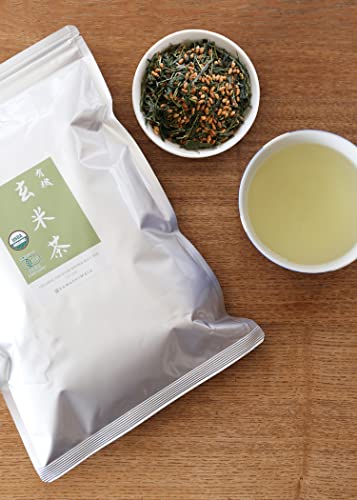
Kawashimaya Organic Genmaicha
A toasty, mild Japanese genmaicha where roasted rice aroma leads the cup, softening green tea's natural bitterness into something refreshingly approachable.
🎯 Best for: Relaxation and comfort tea, Multiple cups throughout the day (low caffeine)
🍃 Tastes like: roasted rice, green tea, bittersweet

🍃 Flavor Profile
Strength: Delicate
Notes: roasted rice, green tea, bittersweet
✅ What Customers Love
- Strong toasted rice aroma and flavor (10 mentions)
- Authentic Japanese quality/origin (6 mentions)
- Rice balances and softens green tea bitterness (5 mentions)
🎯 Best For
Relaxation and comfort tea • Multiple cups throughout the day (low caffeine) • Morning or afternoon routine • Pairing with cookies or light snacks
Brand: KAWASHIMAYA
Category: Green Tea
As an Amazon Associate we earn from qualifying purchases.
About This Green Tea
Genmaicha's signature character comes from the interplay of green tea and roasted brown rice, and this organic Uji Kyoto version leans distinctly toward the rice — its warm, nutty aroma is the first thing reviewers notice when opening the bag. The leaf quality is visibly clean, with minimal dust, and the brew is delicate and herbaceous rather than sharp or astringent. Drinkers who want a prominent green tea presence may find the tea element takes a back seat to the rice, and lighter-handed brewing can leave the cup tasting understated. Low in caffeine, it suits multiple cups across the day without jitteriness. Best for those who find pure green tea too grassy or bitter, or anyone who enjoys a comforting, food-friendly tea alongside Japanese meals or light snacks.
Is Kawashimaya Organic Genmaicha Right for You?
What does Kawashimaya genmaicha taste like?
The dominant flavor is toasty roasted rice — think warm, nutty, almost popcorn-like notes. That's the signature of genmaicha, and reviewers praise the strong toasted rice aroma in this particular blend. Underneath, there's a gentle green tea flavor that adds a slightly grassy, herbaceous quality. It's delicate rather than bold. Some reviewers describe hints of a soy-like aroma and a mildly bittersweet finish. Honestly, a couple of reviewers feel the rice dominates too much and wish the green tea flavor came through stronger — so if you want a tea-forward experience, this may taste light to you.
How do you brew Kawashimaya genmaicha properly?
For this particular genmaicha, water temperature matters a lot. Use water around 175–185°F (80–85°C) — boiling water will pull out too much bitterness from the green tea leaves. Steep for about 1–2 minutes for your first infusion. Some reviewers note the flavor is on the lighter, more delicate side, so if you want a stronger cup, try adding a bit more leaf rather than steeping longer, which can make it bitter. The loose leaves are full and clean with minimal dust, so they brew up nicely.
Is Kawashimaya genmaicha good for beginners?
It's one of the best green teas for beginners, actually. The roasted brown rice softens the green tea's bitterness, which is usually what turns newcomers off. Reviewers specifically mention that it appeals to people who don't normally like strong teas or even 'healthy' foods. The flavor is mild, approachable, and naturally a little sweet from the toasted rice. Clear brewing instructions are included, so you won't be guessing. If you've been curious about Japanese tea but intimidated by the grassy, vegetal reputation of green tea, this is a very friendly starting point.
How does genmaicha compare to regular green tea?
Genmaicha is green tea blended with roasted brown rice, and that changes the experience significantly. Regular green tea (like sencha) is more vegetal, grassy, and has a sharper bite. This Kawashimaya genmaicha, by contrast, is toasty, mild, and balanced — the rice rounds off the bitterness and adds a warm, nutty character. It's also lower in caffeine because you're getting less tea leaf per spoon. Reviewers who don't normally enjoy green tea often love genmaicha specifically because it's gentler and more comforting. If you want that classic 'green tea' taste front and center though, genmaicha may feel too rice-dominant.
What are common mistakes when brewing genmaicha green tea?
The biggest mistake is using boiling water. This genmaicha has a delicate flavor profile, and water that's too hot will overpower the toasty rice notes with harsh bitterness from the green tea. Another common mistake is steeping too long — keep it to 1–2 minutes. A few reviewers found the flavor too light, which likely means they were expecting sencha-level intensity. If it tastes weak to you, use more leaf per cup rather than a longer steep time. Also, make sure to reseal the bag after each use — Kawashimaya includes a resealable package, so use it to keep the leaves fresh.
Is genmaicha green tea high in caffeine?
Genmaicha is actually one of the lower-caffeine green teas. Because roughly half the content is roasted brown rice rather than tea leaves, you're getting less caffeine per cup compared to straight sencha or gyokuro. Reviewers of this Kawashimaya genmaicha specifically mention it as a low caffeine option they can drink multiple cups of throughout the day without jitters. If caffeine sensitivity is a concern, this is a much gentler choice than most green teas.
As an Amazon Associate we earn from qualifying purchases.
What are the 5 benefits of green tea?
For this Kawashimaya genmaicha specifically, here are five benefits backed by reviewer experience: (1) Relaxation and comfort — it's a calming daily ritual, not a caffeine jolt. (2) Low caffeine — you can drink multiple cups throughout the day without jitters. (3) Feels genuinely healthy — organic, made in Japan, with full tea leaves and minimal processing. (4) Approachable even if you don't like strong tea — the roasted rice softens any bitterness. (5) Versatile pairing — works as a standalone drink, with light snacks and cookies, or even as a base for ochazuke, a traditional Japanese rice dish.
What food pairs well with Kawashimaya genmaicha?
Reviewers mention pairing it with cookies and light snacks — the toasty rice flavor complements buttery, slightly sweet foods really well. But the standout pairing is ochazuke, a traditional Japanese dish where you pour hot tea over rice with toppings like salmon, pickles, or seaweed. Genmaicha is actually one of the classic teas used for ochazuke, so this is an authentic use. The mild, savory quality of this tea also works nicely alongside simple Japanese foods like onigiri, mochi, or even plain crackers. It's too delicate for rich, heavy foods — keep the pairings light.
Can I cold brew this Kawashimaya genmaicha?
Absolutely — and it's a great way to enjoy it. Cold brewing brings out the sweeter, toastier notes of the roasted rice while keeping any bitterness almost nonexistent. Use about 1.5–2 tablespoons per 16 oz of cold water, seal it in a pitcher or jar, and refrigerate for 4–8 hours. The result is a smooth, refreshing drink that's perfect for warm weather. Since reviewers already describe this tea as mild and balanced, cold brewing makes it even more approachable.
Can I adjust the strength of this genmaicha if it's too light?
Absolutely. A couple of reviewers found the flavor on the lighter side, but this is easily adjusted. Use more leaf per cup — try 1.5 to 2 tablespoons instead of one. You can also increase steep time slightly, but be careful going past 2 minutes as it can bring out bitterness from the green tea. Another trick: use slightly hotter water (closer to 185°F) to extract more flavor. The beauty of loose leaf is you have full control over strength, unlike tea bags where you're stuck with a fixed amount.
How long does the Kawashimaya genmaicha bag last?
At 360g (12.69 oz), this is a generously sized bag — much larger than the typical 100–200g tea packages. If you use about 3–5g per cup, you're looking at 70–120 cups from a single bag. That's potentially a couple months of daily tea drinking. One thing to note: a reviewer mentioned receiving a batch with a shorter-than-expected expiration date, so check the date when it arrives. The resealable packaging helps maintain freshness, which reviewers specifically appreciate.
Who should NOT buy this Kawashimaya genmaicha?
If you want a bold, tea-forward green tea experience, this probably isn't for you — the roasted rice dominates the flavor, and a couple of reviewers specifically wished the green tea came through more. If you're looking for premium, exceptional-grade genmaicha for special occasions, one reviewer found it 'middle of the road' quality-wise. And if you're strictly budget-conscious, there may be cheaper genmaicha options that deliver similar quality. This tea is best suited for daily drinkers who value organic certification, authentic Japanese origin, and a gentle, toasty flavor profile.
As an Amazon Associate we earn from qualifying purchases.
Will the caffeine in this green tea keep me awake?
Unlikely, especially compared to coffee or even regular green tea. Genmaicha has less caffeine because the roasted brown rice takes up about half the leaf content. Reviewers specifically drink this Kawashimaya genmaicha as a low-caffeine option for multiple cups throughout the day — even into the afternoon — without sleep issues. That said, everyone's caffeine sensitivity is different. If you're highly sensitive, you might still want to avoid it right before bedtime.
What brand of green tea is the best?
It depends on what you're looking for, but Kawashimaya is a strong choice if you want authentic Japanese green tea. Their organic genmaicha is made in Japan and sourced from the Uji Kyoto region, which is one of Japan's most respected tea-growing areas. Reviewers — including Japanese consumers — praise its authenticity and quality. That said, 'best' is subjective: if you want bold, grassy green tea flavor, a straight sencha might suit you better. Kawashimaya's genmaicha is more about that toasty roasted rice character with a gentle green tea backbone.
What happens if I drink a cup of Kawashimaya green tea every day?
Reviewers who drink this genmaicha daily report feeling relaxed, comfortable, and generally healthier. Because genmaicha is lower in caffeine than straight green tea — the roasted brown rice dilutes the tea leaf content — many people enjoy multiple cups throughout the day without getting jitters. It's the kind of tea that fits easily into a daily routine, whether morning or afternoon. Green tea in general is associated with antioxidant benefits, and reviewers specifically mention it 'feels healthy to drink.'
Is green tea a stimulant or depressant?
Green tea is technically a mild stimulant because of its caffeine content, but it behaves differently than coffee. The L-theanine in green tea promotes calm alertness rather than the jittery buzz you get from coffee. This Kawashimaya genmaicha leans even further toward the relaxing end — reviewers consistently describe it as a relaxation and comfort tea. With its lower caffeine content (thanks to the roasted rice), it's more about gentle warmth and calm than any real stimulating effect.
What is the healthiest way to make green tea?
With loose leaf tea like this Kawashimaya genmaicha, you're already ahead of tea bags — loose leaves tend to be higher quality with more intact compounds. Brew at 175–185°F rather than boiling to preserve the delicate catechins and antioxidants. Don't add sugar; the roasted rice in genmaicha already provides a natural, slightly sweet toastiness that makes it pleasant without sweeteners. Drink it fresh rather than letting it sit for hours. Multiple reviewers mention this tea 'feels healthy to drink,' and the organic certification means no pesticide concerns.
What Makes This Product Special
⚠️ Preliminary analysis based on 16-review sample • Our methodology
- Strong toasted rice aroma and flavor (10 mentions)
- Authentic Japanese quality/origin (6 mentions)
- Rice balances and softens green tea bitterness (5 mentions)
- Fresh, full tea leaves with minimal dust/powder (4 mentions)
- Good value for organic Japanese tea (3 mentions)
- Resealable packaging maintains freshness (3 mentions)
Taste Profile
- toasty
- mild
- balanced
- refreshing
- delicate
- herbaceous
- grassy
- slightly vegetal
Best Use Cases
🎯 Best For
- Relaxation and comfort tea
- Multiple cups throughout the day (low caffeine)
- Morning or afternoon routine
- Pairing with cookies or light snacks
- Japanese cuisine complement (ochazuke)
What to Consider
- Tea flavor pales compared to rice; not pronounced enough (2 mentions)
- Taste on lighter side; may need brewing adjustments (2 mentions)
- Middle of the road quality; not exceptional (1 mentions)
- Short expiration date on some batches (1 mentions)
⚠️ based on 16-review sample. Some issues may not be captured.
About This Analysis
This analysis is based on 16 customer reviews. We're showing you everything we found, but with a moderate sample, there's a lot we likely haven't captured yet.
✅ What we're confident about: What customers love and best use cases
⚠️ What may be incomplete: Potential issues and considerations
For more perspectives, check customer reviews on Amazon.
Product Selection
In short: We only feature high-rated products.
Products on TeaDelight.net are selected based on strong Amazon customer ratings, sufficient review volume, and market presence. We focus on well-regarded products that tea enthusiasts are actively considering and purchasing.
As an Amazon Associate we earn from qualifying purchases.
You Might Also Like

✅ Strong, delicious peach flavor
Stash Ginger Peach Green Tea with Matcha

✅ High caffeine content / potent energy boost
Tekola Organic Gunpowder Green Tea

✅ Good taste with no bitterness
SRILUXE Premium Gunpowder Loose Leaf Green Tea

✅ Authentic Longjing tea quality