



We analyze real customer reviews to surface what matters: key strengths, ideal use cases, and honest considerations — so you can make an informed choice.
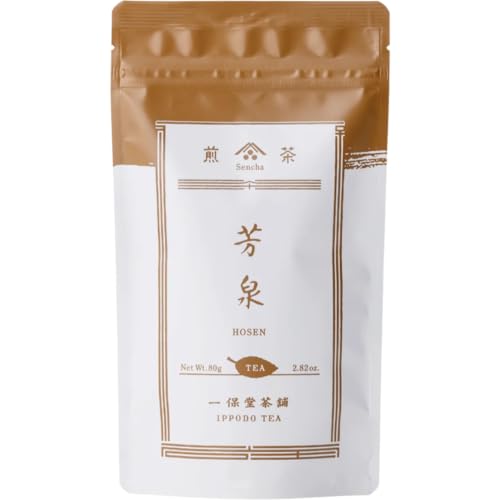
Ippodo Tea Hosen Sencha - Medium Balanced Green Tea
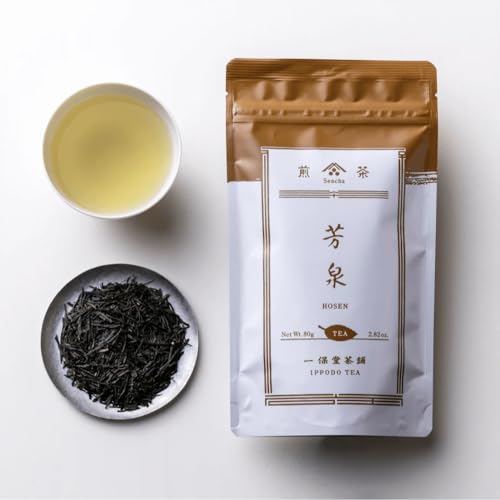
A traditional asamushi sencha with a sweet-vegetal character, gentle umami, and a golden infusion — brews without bitterness and holds up across multiple steeps.
🎯 Best for: Daily drinking (everyday enjoyment), All-day consumption
🍃 Tastes like: sweet vegetable, light umami, golden yellow infusion

What Stands Out
🍃 Flavor Profile
Strength: Delicate
Notes: sweet vegetable, light umami, golden yellow infusion
✅ What Customers Love
- Well-balanced flavor profile - sweet and umami with minimal astringency (7 mentions)
- Can be re-steeped 2-3 times while maintaining flavor (4 mentions)
- Bright, wonderful aroma (3 mentions)
🎯 Best For
Daily drinking (everyday enjoyment) • All-day consumption • Introduction to sencha • Cold brewing
Brand: IPPODO TEA CO.
Category: Green Tea
As an Amazon Associate we earn from qualifying purchases.
About This Green Tea
Hosen is a lightly steamed (asamushi) sencha from a Kyoto house that has refined this style since 1717. The flavor centers on natural sweetness and quiet umami — delicate rather than grassy, with a golden-yellow cup and a clean finish. Reviewers praise its forgiving character; the leaves hold up through two or three infusions without losing their appeal. Those seeking a potent or full-bodied sencha may find it too restrained. Its non-bitter, approachable profile suits daily drinking, cold brewing, and anyone new to Japanese green tea.
Is Ippodo Tea Hosen Sencha - Medium Balanced Green Tea Right for You?
What does Ippodo Hosen Sencha taste like?
Reviewers describe it as delicate, sweet, and balanced with light umami notes — think sweet vegetable flavors rather than grassy bitterness. The infusion brews to a beautiful golden yellow color. Multiple reviewers specifically praise the minimal astringency and complete absence of bitterness. It has a bright, wonderful aroma that's part of the experience. If you're used to bold, intense teas, Hosen might taste mild to you. But if you appreciate subtlety and elegance, it's the kind of tea where you notice new nuances with each sip.
Is Ippodo Hosen Sencha good for beginners?
It's an excellent choice for beginners. First-time sencha buyers consistently report positive experiences. The flavor is forgiving — you won't get punished with bitterness if your water temperature or steeping time isn't perfect. The brewing instructions are clear and easy to follow. The taste is mild and approachable with sweet, pleasant notes rather than intense vegetal flavors that can put newcomers off. If you've never tried real Japanese loose leaf sencha, Hosen is one of the best starting points available.
How do you brew Ippodo Hosen Sencha properly?
Ippodo includes clear brewing instructions, which reviewers appreciate. The key with this sencha is water temperature — you want it around 70-80°C (158-176°F), not boiling. Pour hot water over the leaves, steep for about 60-90 seconds, and pour out completely. One thing reviewers note: if you find the flavor too mild on the first try, let it steep a bit longer to bring out more depth. The good news is this tea is forgiving — even beginners report great results without fussy technique.
Can you re-steep Ippodo Hosen Sencha?
Yes — and this is one of its real strengths. Reviewers confirm you can get 2-3 good steepings from a single serving of leaves, with each infusion maintaining flavor. The second steep often brings out slightly different notes than the first. This also improves the value proposition: while the upfront cost is higher than budget teas, getting multiple cups from one serving of leaves means your cost per cup is lower than it first appears. Just increase your steep time slightly with each infusion.
How do you brew green tea leaves like Ippodo Hosen?
Loose leaf sencha like Hosen is simple once you know the basics. Use about 4-5 grams of leaves (roughly a tablespoon) per cup. Heat water to 70-80°C — if you don't have a thermometer, boil water and let it cool for 2-3 minutes. Pour over the leaves, steep 60-90 seconds, then pour out every last drop. The best part? Don't throw away the leaves. Reviewers confirm you can re-steep Hosen 2-3 times and still get good flavor, with each infusion revealing slightly different notes.
Is Ippodo Hosen Sencha too mild?
It depends on your preferences. Some reviewers specifically love the mild, balanced character — they find it elegant and easy to drink all day. But others feel it's not strong enough and lacks the depth they want from a sencha. If you typically drink bold teas like matcha, gyokuro, or deep-steamed (fukamushi) sencha, Hosen may taste thin to you. One workaround: use more leaves or steep longer to intensify the flavor. But if bold intensity is what you're after, this might not be your tea — it's deliberately designed to be gentle and balanced.
As an Amazon Associate we earn from qualifying purchases.
How does Ippodo Hosen compare to higher grade senchas?
Hosen is Ippodo's everyday sencha — medium grade, designed for daily enjoyment rather than special occasions. Reviewers who are experienced tea drinkers note it lacks the potency and depth of higher-grade senchas. The flavor is intentionally mild and balanced rather than intense and complex. Think of it like a reliable daily wine versus a special-occasion bottle: it's consistently pleasant but won't blow your mind. If you want more depth and complexity, you'd want to step up to Ippodo's higher tiers, but you'll pay accordingly.
Who is Ippodo Hosen Sencha best for?
This tea hits a sweet spot for a few types of tea drinkers. It's ideal for beginners exploring Japanese green tea for the first time — it's approachable and forgiving. It's great for daily drinkers who want a reliable, pleasant cup without fuss. And tea enthusiasts appreciate the traditional asamushi style and the nuanced balance of sweetness, umami, and astringency. It's not ideal for people who want bold, intense flavors, or for budget-conscious buyers who go through a lot of tea. Think of it as a refined, everyday sencha — not flashy, but consistently satisfying.
Can you eat the tea leaves after brewing Ippodo Hosen?
Yes — and this surprised some reviewers. The brewed leaves are edible and apparently quite enjoyable. This is actually a traditional practice in Japan, where used tea leaves are sometimes mixed into rice or eaten with soy sauce. With Hosen's high-quality, clean leaves, you're getting all the fiber, vitamins, and remaining nutrients that didn't dissolve into the water. It's an unexpected bonus and a sign of leaf quality — you'd only want to eat leaves that are fresh and well-produced.
How do you cold brew Ippodo Hosen Sencha?
Cold brewing this tea is a great option — reviewers confirm Hosen tastes good both hot and cold. Add about 5-6 grams of leaves to a pitcher with cold or room-temperature water, put it in the fridge, and let it steep for 4-8 hours (or overnight). Cold brewing brings out the natural sweetness and umami while virtually eliminating any astringency. Given that Hosen already has a mild, sweet profile, the cold brew version is exceptionally smooth and refreshing.
How do you brew green tea for iced tea?
You have two approaches with Ippodo Hosen. The quick method: brew it hot at double strength (more leaves, same water) for about 60 seconds, then pour directly over ice. The slow method: cold brew overnight in the fridge for a smoother, sweeter result. Either way works well — reviewers specifically note that Hosen tastes great cold. The tea produces a beautiful golden yellow infusion that looks as good iced as it does hot. Skip any sweetener at first; the natural sweetness of this sencha really shines when chilled.
What makes Ippodo Tea special as a brand?
Ippodo has been producing tea in Kyoto since 1717 — that's over 300 years of continuous operation. They specialize in traditional Kyoto-style tea production, and their Hosen Sencha uses light steaming (asamushi), which is the classic preparation method. This isn't a mass-market tea company; it's a heritage producer with deep expertise. Reviewers note the fresh, clean appearance of the tea leaves and the bright aroma as signs of careful production. Whether that heritage justifies the premium price is a personal call, but the craftsmanship is real.
As an Amazon Associate we earn from qualifying purchases.
What does asamushi (light steamed) sencha mean?
Asamushi refers to the steaming time during processing — "asa" means shallow or light. After harvesting, sencha leaves are steamed to stop oxidation. Light steaming (30 seconds or less) preserves the leaf structure and produces a clearer, more delicate brew with a golden yellow color. That's exactly what you get with Ippodo's Hosen — a clear, elegant infusion rather than the cloudy, intense green of deep-steamed (fukamushi) sencha. Asamushi is the traditional Kyoto style and rewards careful brewing with subtle, layered flavors.
What are common mistakes when brewing green tea?
The biggest mistake is using boiling water — that's what makes green tea bitter and astringent. With Ippodo's Hosen Sencha, you want water around 70-80°C. The second mistake is over-steeping; 60-90 seconds is usually right for sencha. Interestingly, reviewers note this Hosen is quite forgiving compared to higher-grade senchas, so even if your temperature is slightly off, you'll still get a pleasant cup without harsh bitterness. One reviewer did mention needing a longer brew time to get their desired strength, so feel free to experiment.
Is green tea very high in caffeine?
Green tea has moderate caffeine — typically 25-50mg per cup, compared to coffee's 95-200mg. Ippodo's Hosen Sencha falls in this range, and reviewers mention it provides a gentle energy boost. It's enough to help you feel alert without the jittery spike you get from coffee. The L-theanine in green tea also modulates the caffeine effect, giving you more of a calm, sustained focus. That's part of why reviewers describe Hosen as both energizing and soothing — seemingly contradictory, but that's the magic of quality green tea.
Is the caffeine in green tea enough to keep you awake?
It can be, depending on your sensitivity. Ippodo's Hosen Sencha provides what reviewers describe as a noticeable energy boost, but it's gentler than coffee. Most people find they can drink it in the morning and early afternoon without trouble. If you're very caffeine-sensitive, you might want to avoid it in the evening. One advantage: since this tea is designed for multiple infusions, each successive steep has slightly less caffeine, so your second and third cups are progressively milder.
What are the side effects of drinking green tea?
For most people, green tea is very well-tolerated. The main concerns are caffeine-related: potential sleep disruption if you drink it late in the day, or stomach discomfort if you drink it on an empty stomach. Ippodo's Hosen Sencha is on the milder side with minimal astringency, so it's less likely to cause stomach issues than stronger green teas. Reviewers don't report any negative side effects — in fact, they specifically note the gentle, soothing quality. If you're sensitive to caffeine, just keep it to the first half of the day.
What brand of green tea is the best?
It depends on what you're looking for, but Ippodo Tea is widely regarded as one of the finest Japanese green tea producers. They've been crafting tea in Kyoto since 1717 — over 300 years of expertise. Their Hosen Sencha is a great example of their quality: reviewers consistently praise its well-balanced flavor with sweet, umami notes and minimal bitterness. That said, "best" is subjective. If you want bold, intense green tea, a deeper-steamed (fukamushi) sencha might suit you better. Ippodo's strength is in traditional, elegant, balanced teas.
As an Amazon Associate we earn from qualifying purchases.
What happens if I drink green tea every day?
Ippodo's Hosen Sencha is actually designed for daily drinking — it's marketed as an "everyday enjoyment" tea. Reviewers who drink it regularly mention general wellness benefits, a gentle energy boost without jitters, and a soothing effect. Green tea is well-known for its antioxidants and L-theanine, which promotes calm focus. This particular sencha has a mild, balanced profile that won't overwhelm your palate day after day, which is exactly what you want in a daily drinker.
Is it beneficial to drink green tea daily?
Yes, and Ippodo specifically designed Hosen Sencha as an everyday tea. Reviewers who drink it regularly mention health and wellness benefits, sustained gentle energy, and a calming ritual. Green tea's antioxidants (particularly EGCG) are well-studied for their health benefits. The practical advantage of Hosen for daily drinking is its mild, balanced flavor — it's not so intense that it wears on you, and at around 2-3 steepings per session, a single serving of leaves goes a long way.
What are the 5 benefits of green tea?
Based on what reviewers experience with Ippodo's Hosen Sencha specifically: (1) A gentle, sustained energy boost without coffee jitters, thanks to the caffeine and L-theanine combination. (2) A soothing, calming effect — reviewers note it helps them relax. (3) General wellness support from antioxidants and polyphenols. (4) A genuinely enjoyable daily ritual with its sweet, umami-rich flavor and beautiful aroma. (5) Hydration with purpose — it's an all-day drink that keeps you hydrated while delivering health benefits. Some reviewers even discovered the leaves are edible, which is a bonus.
Is green tea a stimulant or depressant?
Green tea is technically a mild stimulant because of its caffeine content, but it's more nuanced than that. Reviewers of Ippodo's Hosen Sencha describe both an energy boost and a soothing effect — and that's not contradictory. The caffeine provides gentle alertness while the amino acid L-theanine promotes relaxation without drowsiness. It's why Japanese tea culture considers sencha both invigorating and calming. Think of it as focused calm rather than a jolt or a sedative.
What is the healthiest way to make green tea?
For maximum health benefits, brew loose leaf green tea like Ippodo's Hosen Sencha with water below 80°C and don't add sugar or milk. Loose leaf tea retains more of its beneficial compounds than tea bags. An interesting bonus that reviewers discovered: the Hosen's leaves are actually edible after brewing — some people enjoy eating them, which gives you all the fiber and nutrients that don't dissolve into the water. You can also cold brew this tea, which some studies suggest preserves more antioxidants.
Is green tea good for your skin?
Green tea is rich in polyphenols and antioxidants that are widely studied for skin health benefits — they help fight oxidative stress and inflammation. Drinking quality loose leaf green tea like Ippodo's Hosen Sencha gives you more of these compounds than typical tea bags. Reviewers mention general wellness benefits from regular consumption. While no one's claiming this tea is a miracle skincare product, the antioxidant content of a well-made sencha is genuinely beneficial as part of your overall health routine.
What Customers Love
⚠️ Limited sample based on limited customer feedback (11 reviews) • Our methodology
- Well-balanced flavor profile - sweet and umami with minimal astringency (7 mentions)
- Can be re-steeped 2-3 times while maintaining flavor (4 mentions)
- Bright, wonderful aroma (3 mentions)
- No bitterness (2 mentions)
- Fresh, clean appearance of tea leaves (2 mentions)
- Tastes good both hot and cold (1 mentions)
Taste Profile
- mild
- balanced
- sweet
- mellow
- slightly astringent
- subtle
- elegant
- vegetal
Best Use Cases
🎯 Best For
- Daily drinking (everyday enjoyment)
- All-day consumption
- Introduction to sencha
- Cold brewing
- Multiple infusions
⚠️ Not Ideal For
- Those seeking intense/bold flavor
- Budget-conscious buyers looking for value
What to Consider
- Price higher than comparable teas (2x markup vs Japan pricing, reduced from 100g to 80g) (3 mentions)
- Flavor may be too mild/not strong enough for some preferences (2 mentions)
- Lacks potency and depth of higher grade senchas (2 mentions)
- Requires longer brewing time to achieve desired strength (1 mentions)
- Potential freshness concerns (older harvest dates) (1 mentions)
⚠️ Important: This analysis is based on limited customer feedback (11 reviews). We've shared what we found, but there may be additional considerations we haven't captured.
About This Analysis
This analysis is based on 11 customer reviews. We're showing you everything we found, but with a small sample, there's a lot we likely haven't captured yet.
✅ What we're confident about: What customers love and best use cases
⚠️ What may be incomplete: Potential issues and considerations
For more perspectives, check customer reviews on Amazon.
Product Selection
In short: We only feature high-rated products.
Products on TeaDelight.net are selected based on strong Amazon customer ratings, sufficient review volume, and market presence. We focus on well-regarded products that tea enthusiasts are actively considering and purchasing.
As an Amazon Associate we earn from qualifying purchases.
You Might Also Like

✅ Strong, delicious peach flavor
Stash Ginger Peach Green Tea with Matcha

✅ Light, clean taste
Teas' Tea Jasmine Green Tea Unsweetened

✅ High caffeine content / potent energy boost
Tekola Organic Gunpowder Green Tea

✅ Good taste/flavor quality