



We analyze real customer reviews to surface what matters: key strengths, ideal use cases, and honest considerations — so you can make an informed choice.
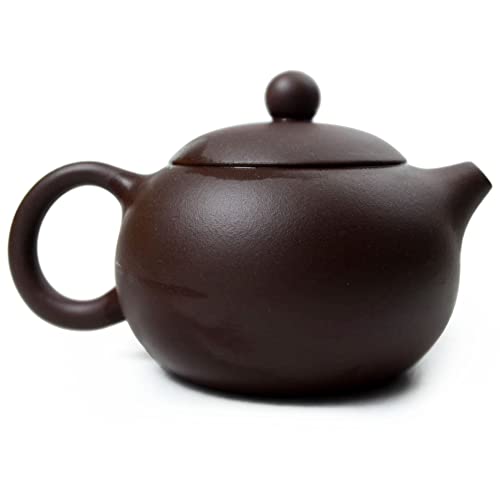
YXHUPOT Yixing Clay Xishi Teapot
A compact Zisha clay Xishi teapot with an unglazed, porous finish designed to absorb tea essence over time — sized for single-cup Gongfu Cha sessions.
🎯 Best for: Chinese Gongfu Cha (Kungfu tea) brewing method, Single serving tea sessions

✅ What Customers Love
- Compact size perfect for single cup brewing (6oz capacity) (4 mentions)
- Authentic Zisha clay construction without chemical smell or coating (3 mentions)
- Clean, controlled pouring with minimal spills (3 mentions)
🎯 Best For
Chinese Gongfu Cha (Kungfu tea) brewing method • Single serving tea sessions • Darker teas with higher tannins (Pu-erh specifically mentioned) • Loose leaf tea brewing
Brand: YXHUPOT
Category: Yixing Teaware
As an Amazon Associate we earn from qualifying purchases.
About This Product
Built from authentic Zisha clay, this Xishi-shaped teapot pours cleanly and precisely, with a rope-secured lid that stays in place mid-pour. The unglazed matte surface is porous by design — with repeated use, the clay absorbs tea oils and gradually enhances the flavor of each brew, making it well-suited for dedicating to a single tea like Pu-erh or another dark tea. At roughly 6oz capacity, it is sized for solo brewing sessions rather than group service. A hot water rinse before first use is recommended to clear an initial clay smell. Best suited for Gongfu Cha practitioners building a seasoned pot, or beginners drawn to the ritual of single-serving loose leaf brewing.
Is YXHUPOT Yixing Clay Xishi Teapot Right for You?
How can you tell if this YXHUPOT Yixing teapot is real?
There are a few signs to look for with this particular pot. It has seal marks on both the body and lid, which indicate traditional design elements. The clay has an unglazed, matte finish that's characteristic of genuine Zisha clay — and buyers note it actually looks darker purplish-brown in person rather than the reddish tone you might expect. It also has no chemical smell or artificial coating, which is a good sign. That said, at this price point, several reviewers are honest that the clay's authenticity as true Yixing is uncertain, and the pot is likely slip cast (machine-made) rather than handcrafted. It behaves like real Zisha clay — it absorbs tea essence and seasons over time — but if guaranteed provenance matters to you, you'd need to spend significantly more.
Does this teapot look like the photos?
Not exactly — and this is worth knowing before you buy. Several reviewers point out that the main product photo shows a glossy, reddish finish, but the actual pot arrives with a matte, unglazed texture and a darker purplish-brown color. The matte finish is actually what you want in an authentic Yixing-style pot (glossy would suggest a glaze or coating), so the real product is arguably better than what's pictured. Just don't expect the shiny, polished look from the listing photo.
Is 6oz too small for a teapot?
It depends entirely on how you brew. For Gongfu-style brewing — which is what this pot is designed for — 6oz is actually an ideal size. You're meant to do multiple short infusions of a single cup, not brew a big batch. Reviewers who understand this love the compact size and say it's perfect for solo tea sessions. However, if you're used to Western-style brewing where you fill a large mug, this will feel tiny. It won't fill a big tea cup, and it definitely can't serve multiple people at once without refilling. So if you're after a single-serving Gongfu experience, it's spot-on. If you want to pour tea for the family, look elsewhere.
Does this teapot really improve the taste of tea over time?
Yes, and that's one of the main reasons people seek out unglazed Yixing clay. The porous Zisha clay absorbs tiny amounts of tea oils and compounds with every brewing session, gradually building up a 'seasoning' that enhances the flavor of future brews. Reviewers confirm that this pot's matte, unglazed finish does absorb tea essence over time. Some experienced users even say a well-seasoned pot can produce a flavorful cup with just hot water and no tea leaves — though that takes years of dedicated use. This is also why you should dedicate the pot to one type of tea. Pu-erh is a particularly popular choice for this Zini clay pot.
What does the 9-hole filter do, and does it actually work?
The 9-hole filter is a cluster of small holes built into the inside of the spout where it meets the pot body. It acts as a built-in strainer, catching tea leaves so they don't end up in your cup. Reviewers confirm it works well — the filter prevents leaves from escaping during pouring. It's a nice feature because it means you don't need a separate mesh strainer, which keeps the traditional Gongfu setup clean and simple. For very fine tea particles or broken leaf teas, some tiny bits might still get through (that's true of any built-in filter), but for standard loose leaf brewing, it does the job.
Why does the lid have a rope attached to it?
The rope connects the lid to the handle so it won't fall off and break when you pour. This is a practical feature that several reviewers appreciate, especially since Yixing pots are small and you're often pouring at an angle during Gongfu brewing. It's particularly helpful for beginners who aren't used to holding a tiny teapot lid in place with one finger while pouring. It's a simple touch, but given that replacing a matched lid on a Yixing pot is essentially impossible, it's a thoughtful safety net.
As an Amazon Associate we earn from qualifying purchases.
Is this a good teapot for Pu-erh tea?
It's actually one of the most recommended pairings. Zini Zisha clay and Pu-erh are a classic combination in Gongfu brewing — the porous clay absorbs Pu-erh's deep, earthy flavors and enhances them over time. Reviewers specifically mention using this pot for Pu-erh and building a dedicated 'Pu-erh pot.' The 6oz size is ideal for Pu-erh's multiple-infusion brewing style, where you do short, concentrated steeps and can get 8+ rounds from quality leaves. If you're a Pu-erh drinker looking for an affordable dedicated pot, this is a solid match.
Can I use soap to clean this teapot?
Absolutely not — and this is the most important care rule for any unglazed Yixing-style pot. The porous Zisha clay absorbs whatever it comes into contact with, so if you use soap, your tea will taste like soap for a very long time. Just rinse with hot water after each use, dump out the spent leaves, and leave the lid off to air dry. That's it. Over time, you'll notice a natural patina building up inside — that's the seasoning, and it's a feature, not a problem. Reviewers note this pot doesn't need any complex cleaning routine.
Who is this teapot best for?
This pot hits a sweet spot for two groups. Beginners exploring Gongfu brewing will appreciate the forgiving size, clean pour with minimal spills, rope-secured lid, and built-in leaf filter — it takes the intimidation out of the traditional tea ceremony. More experienced tea enthusiasts will value it as a dedicated seasoning pot for darker teas like Pu-erh, where the Zisha clay actively improves the brew over months and years of use. It's not ideal if you want guaranteed handmade authenticity, need to brew large volumes, or primarily drink delicate light teas. But for a solo Gongfu session with rich, dark teas, it does the job well.
Can you store tea leaves inside the pot?
Interestingly, yes. Some reviewers discovered that this pot can double as a tea storage vessel — you can keep loose tea leaves inside between sessions for a natural, slow fermentation effect. The porous clay allows the tea to 'breathe' slightly while still being contained. This is particularly interesting for Pu-erh, which benefits from continued aging. It's not a primary use case, but it's a neat bonus if you want to dedicate the pot entirely to one tea.
How do I use a Yixing teapot for the first time?
Before your first brew, you'll want to rinse this pot with hot water a few times. Buyers note there's an initial smell from the clay that goes away after a simple hot water rinse — nothing unusual for unglazed clay, and no harsh chemicals involved. Just fill the pot with boiling water, let it sit for a few minutes, pour it out, and repeat two or three times. Some people also do a longer 'opening' by simmering the pot in a large pot of water for 15-20 minutes, but reviewers found the quick rinse method works fine for this one. After that, it's ready to brew. Remember: no soap, ever. The porous clay absorbs everything, and you want it absorbing tea, not dish detergent.
What is a Xishi teapot?
The Xishi is one of the most iconic Yixing teapot shapes, named after Xi Shi, one of the legendary Four Beauties of ancient China. It's characterized by its round, full body, short spout, and graceful curves — designed to feel comfortable and natural in the hand. This YXHUPOT version follows that traditional Xishi form, and reviewers specifically mention it's pleasant to hold with a well-balanced weight. The shape isn't just aesthetic — the round body gives tea leaves room to expand fully during Gongfu brewing, which helps extract flavor evenly.
As an Amazon Associate we earn from qualifying purchases.
How do I choose a Yixing teapot for beginners?
For a first Yixing pot, you want something forgiving and easy to use — and this YXHUPOT checks several of those boxes. The 6oz size is ideal for learning Gongfu brewing because it's manageable and brews a single cup at a time, so you're not wasting expensive tea while you dial in your technique. The lid is secured with a rope so it won't fall off when you pour (a common beginner worry), and the 9-hole filter keeps leaves out of your cup without needing a separate strainer. The pour is clean with minimal spills. One thing to decide upfront: since unglazed Yixing clay absorbs tea flavors, you'll want to dedicate this pot to one type of tea. Darker teas like Pu-erh are a popular pairing with Zini clay like this one.
How do I choose the right Yixing clay type for my tea?
This pot is made from Zini clay, which is the most common and versatile Yixing clay type. Zini is generally considered a great all-rounder, but it pairs especially well with darker, more heavily oxidized teas — Pu-erh, dark oolongs, and black teas. Reviewers specifically mention using this pot for Pu-erh, and the porous Zisha clay gradually absorbs and enhances those richer, earthier flavors over time. If you mainly drink lighter teas like green or white, you might want a different clay type (like Duanni), since the more neutral clays won't impart unwanted flavors to delicate brews.
How do I use a Yixing teapot for Gongfu brewing?
The Gongfu method with this 6oz pot is straightforward. Add a generous amount of loose leaf tea (more than you'd use for Western brewing — roughly 5-7 grams for this size), pour in hot water, and steep for just 10-30 seconds on your first infusion. Pour out completely into your cup or a fairness pitcher. Then re-steep the same leaves, adding 5-10 seconds each round. You can get 5-8 infusions from good quality leaves this way. This pot's 9-hole filter keeps leaves in the pot, and the controlled pour means you won't spill when serving. The compact 6oz size is actually perfect for Gongfu — it's designed for multiple short steeps of a single serving, not for brewing a big mug of tea.
Does this teapot work as a decorative piece?
Yes — reviewers mention that the classic Xishi shape makes it an attractive display piece when it's not in use. The matte, unglazed finish and darker purplish-brown clay give it an understated, traditional look. Several buyers describe it as a nice decorative centerpiece on a tea tray or shelf. So even between brewing sessions, it earns its place on your tea table.
How do I value a Yixing teapot?
Yixing teapots are valued based on several factors: the quality and authenticity of the clay, whether it's handmade or machine-produced, the reputation of the potter, and the craftsmanship of the shape and details. This YXHUPOT pot sits at the entry-level end — it has traditional design elements like seal marks and a classic Xishi shape, but it's almost certainly slip cast rather than handmade, and the authenticity of the Yixing clay is uncertain at this price point. For the price, you're getting a functional Gongfu brewing tool that pours well and appears to season like real Zisha clay. True collector-grade Yixing pots from known artists start in the hundreds and go into the thousands.
Is this teapot handmade or machine-made?
Despite the traditional appearance and seal marks, this pot is almost certainly slip cast (machine-made) rather than hand-built. Reviewers who are familiar with Yixing pottery note this based on the price point and construction details. Truly handmade Yixing pots require significant skill and time, which puts them in a much higher price range. That said, slip casting doesn't mean it's a bad pot — it still pours cleanly, holds heat well, and the clay seasons over time. Just be realistic about what you're getting: a well-made, functional Gongfu pot in a traditional shape, not an artisan piece.
What Customers Love
⚠️ Limited sample based on limited customer feedback (12 reviews) • Our methodology
- Compact size perfect for single cup brewing (6oz capacity) (4 mentions)
- Authentic Zisha clay construction without chemical smell or coating (3 mentions)
- Clean, controlled pouring with minimal spills (3 mentions)
- Matte, unglazed finish that absorbs tea essence over time (3 mentions)
- Lid secured with rope to prevent falling when pouring (2 mentions)
- Well-balanced weight and comfortable to hold (2 mentions)
- Seal marks on body and lid indicating traditional craftsmanship (2 mentions)
- 9-hole filter prevents tea leaves from escaping (2 mentions)
Best Use Cases
🎯 Best For
- Chinese Gongfu Cha (Kungfu tea) brewing method
- Single serving tea sessions
- Darker teas with higher tannins (Pu-erh specifically mentioned)
- Loose leaf tea brewing
- Building tea flavor over time through seasoning
⚠️ Not Ideal For
- Large tea cups or mugs
- Multiple servings at once
- Users wanting guaranteed handmade authenticity at this price
What to Consider
- Initial smell requiring hot water rinse before first use (2 mentions)
- Not likely handmade despite traditional appearance (slip cast) (2 mentions)
- Main product photo misleading (shows glossy instead of matte finish) (1 mentions)
- Too small for large tea cups or multiple servings (2 mentions)
- Uncertain authenticity of Yixing clay at this price point (2 mentions)
- Price considered high for likely machine-made product (1 mentions)
⚠️ Important: This analysis is based on limited customer feedback (12 reviews). We've shared what we found, but there may be additional considerations we haven't captured.
About This Analysis
This analysis is based on 12 customer reviews. We're showing you everything we found, but with a small sample, there's a lot we likely haven't captured yet.
✅ What we're confident about: What customers love and best use cases
⚠️ What may be incomplete: Potential issues and considerations
For more perspectives, check customer reviews on Amazon.
Product Selection
In short: We only feature high-rated products.
Products on TeaDelight.net are selected based on strong Amazon customer ratings, sufficient review volume, and market presence. We focus on well-regarded products that tea enthusiasts are actively considering and purchasing.
As an Amazon Associate we earn from qualifying purchases.
You Might Also Like

✅ Well-made construction and quality
YXHUPOT Xishi Purple Clay Gongfu Teapot

✅ Excellent pour quality with smooth laminar flow
YXHUPOT Purple Clay Teapot Fanggu
✅ High quality craftsmanship and build quality
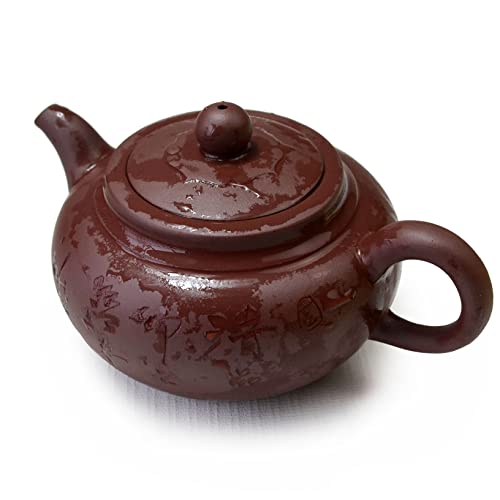
YXHUPOT Zisha Clay Teapot 10oz Hand-Carved

✅ Beautiful appearance and aesthetics