
Available Alternatives

✅ Excellent pour quality with smooth laminar flow
YXHUPOT Purple Clay Teapot Fanggu
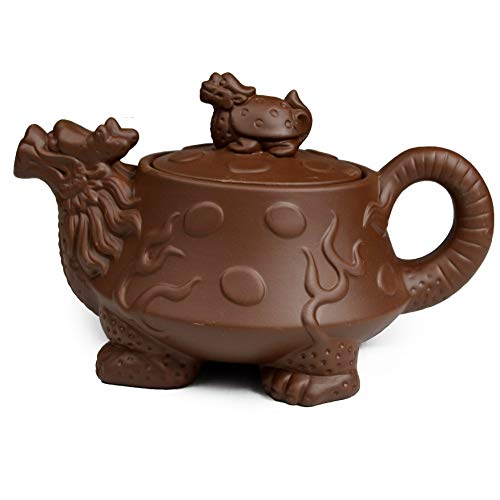
✅ Attractive dragon design with detailed craftsmanship
YXHUPOT Dragon Tortoise Zisha Clay Gongfu Teapot

✅ Excellent heat retention
YXHUPOT Dragon Phoenix Zisha Clay Teapot
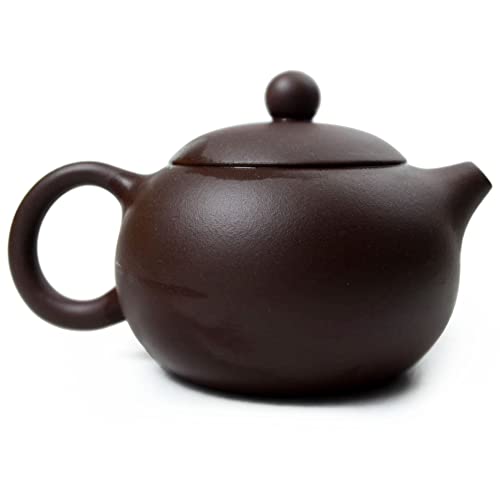
✅ Perfect size for single cup brewing (6oz capacity)
YXHUPOT Yixing Xishi Zini Clay Teapot 6oz

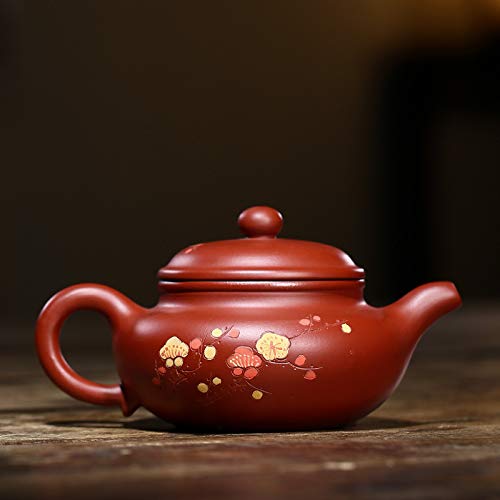


We analyze real customer reviews to surface what matters: key strengths, ideal use cases, and honest considerations — so you can make an informed choice.
SILINE Yixing Zisha Fanggu Teapot
A Zisha-style teapot with an airtight lid seal and splash-free pour, built for seasoning and patina development through regular use with oolong and pu-erh.
🎯 Best for: Oolong tea (both ball-rolled and white tip varieties), Pu-erh tea (Kunming aged Sheng)

✅ What Customers Love
- Beautiful appearance and aesthetics (5 mentions)
- Good pour quality, no splashing (3 mentions)
- Well packaged in nice box with fabric wrap (2 mentions)
🎯 Best For
Oolong tea (both ball-rolled and white tip varieties) • Pu-erh tea (Kunming aged Sheng) • Building patina through regular use • Budget-conscious collectors wanting Yixing-style experience
Brand: SILINE
Category: Yixing Teaware
As an Amazon Associate we earn from qualifying purchases.
About This Product
The Fanggu shape delivers a consistently smooth pour with no splashing, and the lid seats with an airtight seal that retains heat during steeping. Clay walls develop an attractive patina over time, rewarding regular use with ball-rolled oolong or aged pu-erh. Reviewers note a metallic ring when tapped — a traditional indicator of clay density and quality. The seven-hole filter suits loose, rolled leaves well but can clog with flat, open styles like shou mei. Well-suited to those learning patina development or wanting daily Yixing-style brewing without committing to a handmade artisan piece.
Is SILINE Yixing Zisha Fanggu Teapot Right for You?
What teas work best in the SILINE Yixing teapot?
Based on reviewer experience, this teapot really shines with oolong teas — both ball-rolled varieties and white tip oolongs — and pu-erh, particularly Kunming-aged sheng pu-erh. The interesting thing is that reviewers describe the pot as 'choosing' certain teas, meaning it brews some types noticeably better than others. That's actually a well-known Zisha characteristic as the clay interacts differently with different tea profiles. One important caveat: avoid flat leaf teas like fuding shou mei (white tea). The built-in filter only has 7 holes, which can clog with flat, spread-out leaves. Stick to rolled or broken leaves and you'll be fine.
How can you tell if the clay quality is good on this teapot?
There are a few quick tests. Reviewers note that when you tap this teapot, it produces a metallic echo — that's generally a positive sign indicating the clay was fired at a proper temperature. The airtight lid seal is another quality marker. However, more experienced reviewers have pointed out mold marks on the interior and suspect the clay is mixed with additives rather than being pure Zisha. For this price point, that's expected. If you're looking for truly pure Yixing clay, you'll need to shop at a much higher price bracket with reputable specialty vendors.
Does the SILINE Yixing teapot develop a patina?
Yes, and this is one of the things reviewers genuinely appreciate about it. Multiple owners confirm that the teapot develops an attractive patina with regular seasoning and use. This is one of the great joys of Zisha clay — over months and years of brewing the same tea, the clay absorbs oils and flavors, developing a glossy sheen and subtly enhancing your brew. Even though the clay isn't pure artisan-grade Yixing, the patina development still works. It's actually a great way for beginners to learn the seasoning process before investing in a high-end piece.
Does the lid on the SILINE Yixing teapot seal properly?
Yes — reviewers confirm the lid forms an airtight seal, which is an important quality marker for any Yixing-style teapot. A good seal helps retain heat during steeping, which is especially important in gongfu brewing where you're doing short, concentrated infusions. You can test this yourself: put the lid on, cover the air hole on top with your finger, and try to pour. If the seal is good, little to no water should come out. This is one area where the SILINE performs well despite being a commercial-grade piece.
How is the pour quality on this teapot?
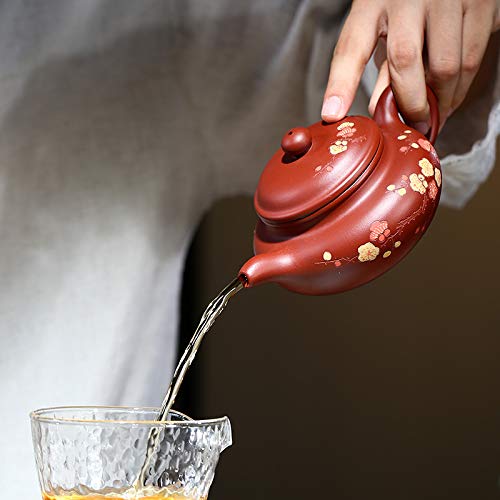
The pour is one of this teapot's genuine strengths. Multiple reviewers specifically call out the smooth, splash-free pour, which matters more than you might think in gongfu brewing. When you're pouring into small tasting cups or a fairness pitcher, a clean stream without dripping or splashing means better control and less mess. The 8.8 oz capacity also means you can empty the pot in a reasonable time, which prevents over-steeping your leaves between rounds.
Will flat leaf teas work in this teapot?
This is actually a known weak point. The built-in filter has only 7 holes, and reviewers report that flat leaves — like fuding shou mei (a white tea) — tend to clog the spout. If you primarily drink flat-leaf teas, you might want a teapot with a ball filter or more filter holes. This pot works much better with rolled teas (ball-rolled oolongs, for example) or broken/compressed teas like pu-erh, where the leaf pieces are compact enough not to block the filter.
As an Amazon Associate we earn from qualifying purchases.
Are there quality control issues with this teapot?
There have been some reports. At least one reviewer noted hidden defects in the clay that only became visible after thermal stress — specifically after sanitizing the pot with hot water. This is worth knowing because it means the teapot might look perfect out of the box but develop visible issues with use. The good news is that reviewers also note excellent customer service and a solid refund policy if you do run into problems. As a practical tip, do a thorough seasoning (slow, gentle heating) when you first get the pot — this gives the clay a controlled thermal test before you commit to building a patina with months of tea brewing.
How do I season the SILINE Fanggu for pu-erh tea?
To dedicate this pot to pu-erh, start by gently rinsing it with warm water — no soap, ever. Then gradually bring a pot of water to a boil with the teapot submerged (start with cool water so the temperature rises slowly, avoiding thermal shock). After about 20 minutes, remove and let it cool naturally. Next, brew a strong batch of the specific pu-erh you plan to use regularly and let the teapot soak in it for several hours or overnight. Repeat this a few times over the first week. Reviewers confirm that this pot develops an attractive patina with seasoning, and since pu-erh (especially aged sheng) is one of the teas this pot works best with, it's a natural pairing.
How do you use a Yixing teapot for the first time?
Before your first brew, you'll want to season the SILINE Fanggu. The traditional method is to gently boil it in water for about 20 minutes to open up the clay's pores, then soak it in a brewed batch of the tea you plan to dedicate it to. One important note from reviewers: hidden defects in the clay can sometimes only appear after thermal stress, so take the seasoning process slowly — don't shock it with extreme temperature changes. Use gradually heated water rather than dropping a cold pot into boiling water. After seasoning, never use soap on it — just rinse with hot water. The clay will absorb tea oils over time, and that's exactly what you want.
How do you use a Yixing teapot?
Yixing teapots are designed for gongfu-style brewing — small amounts of leaf, short steep times, multiple infusions. With the SILINE Fanggu's 8.8 oz capacity, you'd typically use about 5-8 grams of tea, fill with hot water, and steep for just 10-30 seconds on your first infusion, gradually increasing time with each round. Pour smoothly into a fairness pitcher or directly into cups — reviewers praise this pot's splash-free pour. The key rule: dedicate the pot to one type of tea. Since the clay absorbs flavors, you don't want your pu-erh pot tasting like jasmine. Reviewers specifically recommend this one for oolong (both ball-rolled and white tip) and pu-erh (especially aged sheng).
What are the benefits of Zisha teapots?
Zisha (purple clay) teapots are prized because the clay is naturally porous — it absorbs the oils and flavors of your tea over time, building a patina that enhances future brews. With the SILINE Fanggu specifically, reviewers confirm it develops an attractive patina with regular seasoning. The airtight lid seal helps retain heat during steeping, and the pour is smooth with no splashing, which matters when you're doing gongfu-style brewing with small cups. One fascinating thing reviewers mention is that the teapot seems to 'choose' certain teas — it performs noticeably better with some types than others, which is actually a well-known characteristic of Zisha clay absorbing and complementing specific tea profiles.
What Customers Love
⚠️ Limited sample based on limited customer feedback (12 reviews) • Our methodology
- Beautiful appearance and aesthetics (5 mentions)
- Good pour quality, no splashing (3 mentions)
- Well packaged in nice box with fabric wrap (2 mentions)
- Develops patina over time (2 mentions)
- Excellent customer service/refund policy (2 mentions)
- Airtight lid seal (1 mentions)
- Metallic echo when tapped (quality indicator) (1 mentions)
Best Use Cases
🎯 Best For
- Oolong tea (both ball-rolled and white tip varieties)
- Pu-erh tea (Kunming aged Sheng)
- Building patina through regular use
- Budget-conscious collectors wanting Yixing-style experience
⚠️ Not Ideal For
- Flat leaf teas like fuding shou mei (clogs filter)
- Users seeking genuine handmade artisan pieces
- High-grade pure Yixing clay collectors
What to Consider
- Not truly handmade - shows mold marks (1 mentions)
- Likely mixed clay with additives, not pure Yixing (1 mentions)
- Spout clogs with flat leaves (only 7 holes) (1 mentions)
- Quality control issues (hidden defects appearing after use) (1 mentions)
⚠️ Important: This analysis is based on limited customer feedback (12 reviews). We've shared what we found, but there may be additional considerations we haven't captured.
About This Analysis
This analysis is based on 12 customer reviews. We're showing you everything we found, but with a small sample, there's a lot we likely haven't captured yet.
✅ What we're confident about: What customers love and best use cases
⚠️ What may be incomplete: Potential issues and considerations
For more perspectives, check customer reviews on Amazon.
Product Selection
In short: We only feature high-rated products.
Products on TeaDelight.net are selected based on strong Amazon customer ratings, sufficient review volume, and market presence. We focus on well-regarded products that tea enthusiasts are actively considering and purchasing.
As an Amazon Associate we earn from qualifying purchases.