



We analyze real customer reviews to surface what matters: key strengths, ideal use cases, and honest considerations — so you can make an informed choice.
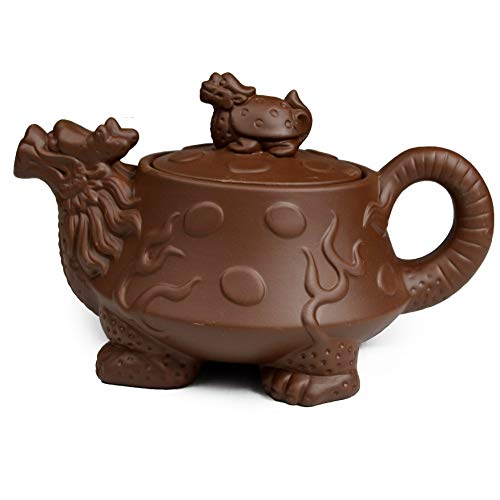
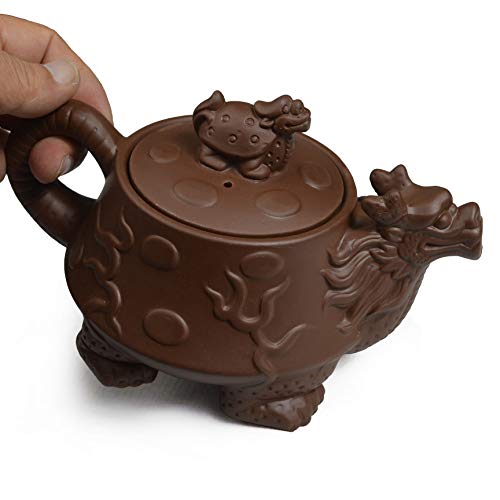
YXHUPOT Dragon Tortoise Zisha Clay Gongfu Teapot
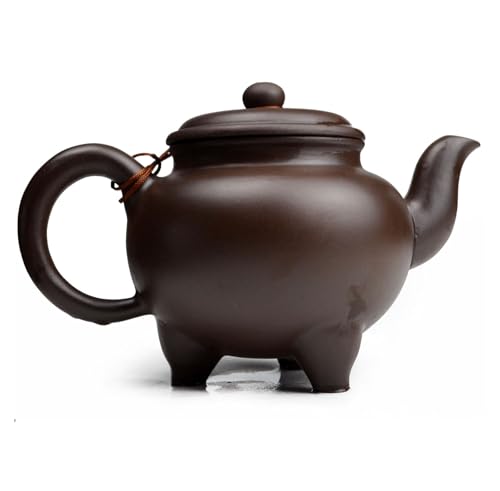
A hand-crafted Zisha clay gongfu teapot with an intricate dragon tortoise relief, built for traditional small-serving ceremonies and designed to season with repeated use.
🎯 Best for: Traditional Chinese gongfu tea ceremony (multiple small servings), Single-person tea sessions

✅ What Customers Love
- Attractive dragon design with detailed craftsmanship (8 mentions)
- Quality clay/Zisha construction (5 mentions)
- Excellent heat retention (clay material) (4 mentions)
🎯 Best For
Traditional Chinese gongfu tea ceremony (multiple small servings) • Single-person tea sessions • Whole leaf teas that don't require fine filtration • Display/decorative purposes alongside functional use
Brand: YXHUPOT
Category: Yixing Teaware
As an Amazon Associate we earn from qualifying purchases.
About This Product
Built from authentic Zisha clay, this gongfu teapot retains heat exceptionally well and develops a patina over time that subtly enhances tea flavor with each brewing session. The dragon tortoise relief features detailed craftsmanship that reviewers find striking in person — decorative and functional in equal measure. Spout-integrated filtration holes handle whole leaves cleanly, though finely crumbled teas may pass through without an additional filter. Capacity suits four small gongfu cups, making it well-matched to single-person sessions but limited for larger gatherings. Best suited to collectors of traditional Chinese teaware and enthusiasts who brew whole-leaf teas in the gongfu style.
Is YXHUPOT Dragon Tortoise Zisha Clay Gongfu Teapot Right for You?
How small is this teapot — is it big enough for a full cup of tea?
This is the number one thing buyers mention: it's smaller than expected. It holds enough for about 4 small gongfu-style cups, which translates to roughly one regular Western-style cup. Seven reviewers specifically called out the smaller-than-expected capacity. If you're used to a standard teapot that fills a couple of mugs, this will feel tiny. But that's actually by design — traditional gongfu pots are intentionally small so you can do multiple short infusions and taste how the tea evolves with each steep. For solo tea sessions or brewing for two with small cups, it works perfectly. For a group or if you want a big mug of tea, look elsewhere.
Does this teapot have a built-in strainer, and does it work well with loose tea?
It has built-in filter holes in the spout — small holes that catch tea leaves as you pour. Reviewers confirm these work well for larger whole-leaf teas like oolong, pu-erh, and full-leaf black teas. However, there's no removable strainer basket, and a few reviewers note that finer tea particles and crumbled leaves can slip through those holes into your cup. If you drink teas that tend to break into small pieces or powdery teas like some green teas, you may want to pour through an external fine mesh strainer. For traditional whole-leaf gongfu teas though, the built-in filter does its job.
What does the dragon design look like in person — is it well made?
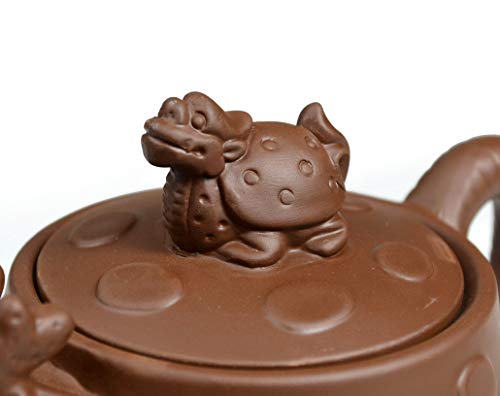
The dragon tortoise design is the most-praised feature of this teapot, with eight reviewers specifically calling out the attractive, detailed craftsmanship. It's a traditional Chinese dragon motif that gives the pot real visual presence. Several buyers mention they use it as a decorative piece when it's not in active use, which speaks to how good it looks on a shelf or tea table. The construction feels substantial and solid — not a lightweight novelty item. If you're drawn to traditional Chinese tea culture, the design adds a lot of character to the brewing experience.
Does Zisha clay actually improve tea flavor over time?
Yes, and reviewers of this pot confirm it. Zisha clay is porous, so it gradually absorbs the oils and essence of the tea you brew in it. Over weeks and months of use, the clay develops a seasoning that subtly enhances your tea's flavor profile. Buyers specifically note that the clay adds a pleasant taste and reduces aftertaste compared to glass or ceramic. This is why experienced tea drinkers dedicate one Yixing pot to one type of tea — the pot literally becomes tuned to that tea. It's one of the genuine advantages of clay over other materials, not just marketing.
Is this teapot good for someone new to Chinese tea culture?
It's actually a great entry point. The forgiving clay keeps tea warm even if your timing isn't perfect, the built-in filter means you don't need extra equipment, and the dragon design makes the whole ritual feel special — which matters when you're building a new habit. Multiple reviewers describe it as a good introduction to traditional Chinese tea culture. The gongfu-size capacity forces you to learn the proper technique of multiple short infusions rather than one big steep, which is how you'll get the best flavor from quality tea. Just know that you're getting an Yixing-style pot at an accessible price point, not a handmade artisan piece — but for learning and daily use, that's exactly what you want.
Is this Zisha clay teapot hard to clean?
A couple of reviewers mention that cleaning can be tricky with loose leaf tea, especially since there's no removable strainer to lift the leaves out. You'll need to rinse the leaves out through the opening, which can take some patience with the smaller size. The important thing with Zisha clay is to never use soap or detergent — just hot water. After each session, dump the leaves, rinse thoroughly with hot water, and leave the lid off to air dry. Over time the clay absorbs tea oils and develops a patina, which is actually desirable — it's called seasoning and it enhances the flavor of your tea.
As an Amazon Associate we earn from qualifying purchases.
Does the lid stay on when you pour?
Yes, and there's a nice design detail here: the teapot has a string attachment between the lid and the handle that physically prevents the lid from falling off during pours. Reviewers called this out as an unexpected benefit. It's a practical touch, especially for a smaller pot where you might be tilting at a steep angle to get the last of the tea out. The lid also has a ventilation hole that helps with airflow during brewing and makes for a smoother pour.
Can you use this teapot with tea bags?
Technically you could, but it would be a waste of what this pot does well. It's designed for loose leaf gongfu brewing — the small capacity (about 4 small cups) and built-in clay filter are meant for whole leaf tea steeped in short infusions. A tea bag in here would fill most of the pot and you'd get one small serving. If you primarily drink bagged tea, you'd be much better served by a standard ceramic teapot or even just a mug. This pot really shines with quality loose leaf tea where the clay enhances the flavor over time.
How do you choose the right Yixing teapot?
The biggest thing to consider is what you'll actually use it for. This YXHUPOT dragon teapot is sized for traditional gongfu brewing — meaning it holds enough for about 4 small cups or one generous Western-style cup. If you're brewing for yourself or one other person doing multiple short infusions, that's exactly what you want. If you're looking to brew a big pot for a group, this isn't the right fit. Also think about what teas you'll brew: Zisha clay absorbs flavor over time and enhances your tea, but you'll want to dedicate one pot to one type of tea. This pot works best with whole-leaf teas like oolong, pu-erh, or black tea — finer teas and crumbled leaves can slip through the built-in filter.
What types of tea work best in this Yixing teapot?
This pot is ideal for whole-leaf teas brewed gongfu-style: oolongs, pu-erh, and full-leaf black teas are the classics. The excellent heat retention from the clay keeps water hot for proper steeping, and the built-in filter handles larger leaves without issue. Darker, more robust teas also tend to season the clay beautifully over time. What you'll want to avoid: fine-particle teas like Japanese sencha or matcha, CTC-style teas that crumble into small bits, and herbal tisanes with tiny pieces — these can slip through the built-in filter or clog it. Stick to one tea type per pot to build up the best seasoning.
How do you use a Yixing teapot as a beginner?
This YXHUPOT pot is actually a solid beginner-friendly choice. The clay's forgiving heat retention means your tea stays warm even if you steep a bit too long, and the built-in spout filter simplifies the process — you don't need a separate strainer for whole leaf teas. Start with a good whole-leaf oolong or black tea, use water just off the boil, and keep your first steeps short (20–30 seconds). The main thing beginners should know: never use soap on it, just rinse with hot water after each session. And don't be surprised by the size — it's designed for multiple small pours, not filling a big mug. That's how gongfu tea is meant to work, and it's part of what makes the ritual enjoyable.
How can you tell if a Yixing teapot is real?
There are a few things to look for with this YXHUPOT teapot specifically. Genuine Zisha clay has a slightly gritty, unglazed texture — it shouldn't feel perfectly smooth like ceramic or porcelain. Reviewers note this pot has substantial weight and solid construction, which is consistent with real clay (not lightweight imitations). The built-in filter holes in the spout and the lid ventilation hole are also hallmarks of traditional Yixing-style construction. That said, at this price point, it's best described as Yixing-style Zisha clay rather than a premium collector-grade Yixing pot — it's a good functional introduction to clay teapots without the investment of a handmade artisan piece.
As an Amazon Associate we earn from qualifying purchases.
How do you use a Yixing teapot for the first time?
Before your first brew with this YXHUPOT teapot, you'll want to season it. Rinse the pot thoroughly with hot water — no soap, ever. Then fill it with hot water and let it soak for a few hours, or gently simmer it in a pot of water on the stove (with a towel on the bottom to protect the clay). Some people like to do the first soak with the type of tea they plan to dedicate the pot to. After that, just rinse it with hot water, add your loose leaf tea, and brew as normal. The clay will start absorbing the tea's character right away — reviewers mention that over time the clay actually adds a pleasant taste and reduces aftertaste compared to other materials.
Can you put this teapot on the stove to heat water?
No — this pot is not designed for direct heat. Zisha clay teapots are for steeping tea with already-heated water, not for boiling water on a stovetop or over a flame. Direct heat can crack the clay or damage the finish. Heat your water separately in a kettle, then pour it into the pot over your tea leaves. If you're looking for a stovetop-safe option, you'd want a tetsubin (cast iron kettle), which is a completely different type of teaware.
How do you use this Yixing teapot for gongfu brewing?
Gongfu brewing with this pot is straightforward. Fill the pot about one-third to one-half with whole leaf tea, then pour in hot water and do a quick rinse — pour that first steep out after just a few seconds. After that, steep in short intervals (15–30 seconds to start, adding time with each infusion). The clay's excellent heat retention, which multiple reviewers highlight, keeps your water at brewing temperature throughout the session. Pour into small cups and repeat — you can get 5 to 8 or more infusions from good quality tea. The built-in filter holes in the spout catch larger leaves as you pour, and the string attaching the lid to the handle is a nice touch that prevents the lid from sliding off during pours.
What Customers Love
⚠️ Limited sample based on limited customer feedback (13 reviews) • Our methodology
- Attractive dragon design with detailed craftsmanship (8 mentions)
- Quality clay/Zisha construction (5 mentions)
- Excellent heat retention (clay material) (4 mentions)
- Built-in filter/strainer holes in spout (3 mentions)
- Smooth pouring (2 mentions)
- Substantial weight/solid construction (2 mentions)
Best Use Cases
🎯 Best For
- Traditional Chinese gongfu tea ceremony (multiple small servings)
- Single-person tea sessions
- Whole leaf teas that don't require fine filtration
- Display/decorative purposes alongside functional use
- Tea enthusiasts collecting traditional teaware
⚠️ Not Ideal For
- Western-style large volume brewing
- Fine powder teas or crumbled infusions without additional filtering
- Direct stovetop heating (not designed for direct heat)
- Groups larger than 1-2 people (unless doing multiple brews)
What to Consider
- Smaller capacity than expected (single cup/4 small cups) (7 mentions)
- No removable strainer/filter for loose tea (3 mentions)
- Difficult to clean with loose leaf tea (2 mentions)
- Fine particles can pass through built-in filter (2 mentions)
⚠️ Important: This analysis is based on limited customer feedback (13 reviews). We've shared what we found, but there may be additional considerations we haven't captured.
About This Analysis
This analysis is based on 13 customer reviews. We're showing you everything we found, but with a small sample, there's a lot we likely haven't captured yet.
✅ What we're confident about: What customers love and best use cases
⚠️ What may be incomplete: Potential issues and considerations
For more perspectives, check customer reviews on Amazon.
Product Selection
In short: We only feature high-rated products.
Products on TeaDelight.net are selected based on strong Amazon customer ratings, sufficient review volume, and market presence. We focus on well-regarded products that tea enthusiasts are actively considering and purchasing.
As an Amazon Associate we earn from qualifying purchases.
You Might Also Like

✅ Excellent pour quality with smooth laminar flow
YXHUPOT Purple Clay Teapot Fanggu

✅ Excellent heat retention
YXHUPOT Dragon Phoenix Zisha Clay Teapot
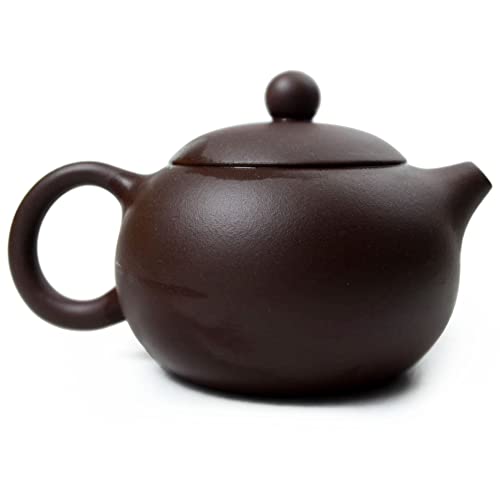
✅ Perfect size for single cup brewing (6oz capacity)
YXHUPOT Yixing Xishi Zini Clay Teapot 6oz
✅ Good capacity for 2-3 cups (20oz/600ml)