


We analyze real customer reviews to surface what matters: key strengths, ideal use cases, and honest considerations — so you can make an informed choice.
YXHUPOT Yixing Clay Zisha Gongfu Teapot
A 150ml unglazed Yixing zisha teapot built for gongfu cha, with genuine porous clay that seasons over time and a spout reviewers praise for clean, drip-free pouring.
🎯 Best for: Gongfu cha brewing style, Single-serving tea sessions

✅ What Customers Love
- Ideal size for single serving/gongfu brewing (7oz/150ml) (5 mentions)
- Beautiful traditional design (4 mentions)
- Easy to pour with good spout design (3 mentions)
🎯 Best For
Gongfu cha brewing style • Single-serving tea sessions • Pu'er tea preparation • Multiple short infusions
Brand: YXHUPOT
Category: Yixing Teaware
As an Amazon Associate we earn from qualifying purchases.
About This Product
This gongfu teapot is made from genuine unglazed Yixing zisha clay — the kind that gradually absorbs tea oils and develops a patina with regular use. Reviewers note it arrives without the chemical or fishy odors that signal lower-quality imitations, though a mild earthiness is normal at first and fades with a brief seasoning ritual. The spout pours cleanly across multiple short infusions, and the clay retains heat well throughout a session. At 7oz, it holds one serving — a practical constraint for proper gongfu leaf-to-water ratios, not a limitation. Best suited for pu'er drinkers, single-session tea rituals, and anyone building a dedicated single-tea teapot practice.
Is YXHUPOT Yixing Clay Zisha Gongfu Teapot Right for You?
How can you tell if this YXHUPOT Yixing teapot is real?
Buyers report that this teapot shows the hallmarks of genuine Yixing clay — it's unglazed, has a natural earthy smell when new, and absorbs tea oils over time to develop a patina. Multiple reviewers specifically note there's no fishy or chemical smell, which is a common red flag with fake Yixing pots. The clay heats up quickly and retains warmth well, which is another characteristic of authentic zisha clay. At this price point, it's considered an excellent entry into genuine Yixing without the investment of high-end artisan pieces.
Does this teapot drip when you pour?
No — this is actually one of the most praised features. Multiple reviewers specifically call out the easy, clean pour with no drips or spills. The spout design is well-executed, which is important for gongfu brewing where you're doing quick, precise pours into small cups. A drippy spout on a gongfu pot is a dealbreaker, and this one gets it right.
Is 7oz too small for a teapot?
It depends entirely on how you brew. For Western-style brewing where you're filling a big mug, yes — 7oz will feel tiny and you'll be disappointed. But for gongfu-style brewing, which is what this pot is designed for, 7oz (about 150ml) is actually the traditional and ideal size. You brew small, concentrated portions and re-steep the same leaves multiple times. One reviewer did mention the size was smaller than expected, so if you're used to Western teapots, know what you're getting into. But for gongfu? This is the right size.
Does this teapot need seasoning before first use?
Technically yes, but reviewers say the seasoning process for this pot is minimal. There's a mild earthy smell from the natural clay when new, but no chemical or fishy odors — which means the clay is clean and genuine. A few rinses with hot water and one or two 'sacrificial' brews with your chosen tea type is usually enough. Some Yixing pots require extensive boiling and repeated soaking, but this one is described as arriving practically ready to use.
Does this Yixing teapot retain heat well?
Yes — multiple reviewers confirm it heats up quickly and maintains temperature throughout a brewing session. Yixing clay is naturally good at heat retention because of its porous structure, and this pot delivers on that. For gongfu brewing where you're doing multiple short infusions, consistent heat means better extraction from your tea leaves across all those steeps.
Who is this YXHUPOT Yixing teapot best for?
It hits a sweet spot for two groups. Beginners get an affordable, genuine Yixing pot to learn gongfu brewing without a big financial commitment — the forgiving pour and right-sized capacity mean less frustration while you develop technique. Experienced tea enthusiasts get a quality clay pot to dedicate to a specific tea type, with clay that properly absorbs oils and builds patina. The one group it's not for: anyone who just wants to brew a big mug of tea quickly. This is a ritual pot, not a utility pot.
As an Amazon Associate we earn from qualifying purchases.
What teas work best in this Yixing teapot?
This pot is particularly well-suited for pu'er, roasted oolongs, and other dark or heavily oxidized teas — these are traditional pairings for Yixing clay and they season the pot beautifully over time. The unglazed zisha clay absorbs tea oils with each session, which means your 50th brew will taste richer than your first. Because of this absorption, you'll want to dedicate the pot to one tea type or family. It's also great for any tea that benefits from multiple short infusions, which is the whole philosophy behind gongfu brewing.
How do you use a Yixing teapot for gongfu brewing?
Gongfu brewing with this pot is straightforward: add a generous amount of tea leaves (roughly filling 1/3 to 1/2 of the pot), pour in hot water, and steep for short intervals — often just 10 to 30 seconds for the first few infusions, gradually increasing. The 7oz capacity is actually perfect for this style, giving you concentrated, flavorful cups. Reviewers love how the spout pours cleanly with no drips, which matters when you're doing quick pours. The clay heats up fast and holds temperature well, so your tea stays at the right brewing temp throughout the session. You can easily get 5 to 8 infusions from quality leaves.
How do you use a Yixing teapot for the first time?
When this pot arrives, it may have a mild earthy smell — that's normal for genuine unglazed clay. Reviewers note it requires minimal seasoning compared to many Yixing pots. A simple first-use ritual: rinse the pot with hot water a few times, then brew a batch of the tea you plan to dedicate it to and discard that first round. Some people do a longer soak or boil, but buyers of this specific pot say it arrives pretty much ready to use. The key thing is to pick one tea type and stick with it — the unglazed clay absorbs flavors over time, which is the whole point of Yixing.
Can you use this teapot for Western-style brewing?
You can, but you'll likely be frustrated. At 7oz, you're getting less than a standard cup of tea per brew, and Western-style brewing uses longer steep times with more water — the opposite of what this pot is designed for. This is a gongfu teapot through and through. If you want to brew Western-style with larger volumes, you're better off with a ceramic or glass teapot in the 16 to 32oz range. But if you're curious about the concentrated, multi-infusion gongfu approach, this pot is exactly right.
Can you store tea in a Yixing teapot?
No, and this pot isn't designed for that. It has a spout and a lid with a small air hole (standard for teapots — the hole allows smooth pouring), so it's not airtight. One reviewer made this mistake expecting it to work for storage. Use it for brewing, and store your tea separately in an airtight container away from light and moisture.
Does the Yixing clay patina actually improve the tea flavor?
Yes, and it's the main reason people use Yixing over glazed ceramic. The unglazed zisha clay on this pot is porous — it absorbs a tiny amount of tea oil with every session. Over weeks and months of use, a visible sheen (patina) develops, and the pot begins to contribute a subtle depth and smoothness to your brew. Reviewers of this specific pot confirm the clay quality supports proper patina development. This is also why you dedicate one Yixing pot to one tea type — you're building flavor memory into the clay itself.
As an Amazon Associate we earn from qualifying purchases.
How many cups of tea can you make with this teapot?
Per single fill, you'll get about one small gongfu-style cup (the traditional tiny cups hold about 1-2oz each, so roughly 3-4 of those). But gongfu brewing is all about multiple infusions — you steep the same leaves again and again, getting different flavor notes each time. With quality tea leaves, you can easily get 5 to 8 rounds from one loading of leaves, which adds up to quite a bit of tea over a full session. It's just served in small, concentrated portions rather than one big mug.
How do you choose a Yixing teapot for beginners?
For beginners, you want something affordable, forgiving, and properly sized for gongfu brewing — and this YXHUPOT pot checks all three boxes. The 7oz (roughly 150ml) capacity is actually the traditional size for gongfu cha, so you're learning with the right proportions from day one. The easy-pour spout means you won't struggle with drips or awkward angles while you're still getting comfortable with the technique. And because it's a lower price point, you won't agonize over dedicating it to one tea type (which is what you're supposed to do with Yixing clay). Start with a bold tea like pu'er or a roasted oolong — those season the clay beautifully.
Is this teapot good as a display piece?
Surprisingly, yes. Several reviewers mention using it as a decorative display piece in addition to brewing. The traditional archaize (fanggu) design has a classical Chinese aesthetic that looks great on a tea tray or shelf. It's compact at 7oz so it doesn't dominate a space, and the natural clay has an understated elegance. Some buyers appreciate it as both a functional brewer and a conversation piece.
How do you choose the right Yixing clay teapot?
The main things to consider are size, clay type, and what tea you'll brew. This YXHUPOT pot uses traditional zisha clay in the archaize (fanggu) style, which is versatile and works especially well with darker teas like pu'er, black tea, and roasted oolongs. The 7oz size is ideal for single-serving gongfu sessions — you'll get concentrated, flavorful cups with each infusion. If you're looking to try gongfu brewing without committing to a pricey collector's piece, reviewers say this pot punches well above its price in terms of clay quality and craftsmanship.
What Customers Love
⚠️ Limited sample based on limited customer feedback (10 reviews) • Our methodology
- Ideal size for single serving/gongfu brewing (7oz/150ml) (5 mentions)
- Beautiful traditional design (4 mentions)
- Easy to pour with good spout design (3 mentions)
- High quality for the price point (3 mentions)
- Genuine unglazed Yixing clay with no fishy/chemical smell (2 mentions)
- Retains heat well (2 mentions)
- Compact size, doesn't take much space (2 mentions)
Best Use Cases
🎯 Best For
- Gongfu cha brewing style
- Single-serving tea sessions
- Pu'er tea preparation
- Multiple short infusions
- Traditional Chinese tea ceremony
- Personal tea ritual
⚠️ Not Ideal For
- Brewing multiple cups at once
- Long-term tea storage
- Western-style large-pot brewing
What to Consider
- Too small for multiple cups (only 7oz capacity) (1 mentions)
- Not airtight for tea storage (has spout and lid hole) (1 mentions)
- Initial earthy smell requires seasoning (1 mentions)
⚠️ Important: This analysis is based on limited customer feedback (10 reviews). We've shared what we found, but there may be additional considerations we haven't captured.
About This Analysis
This analysis is based on 10 customer reviews. We're showing you everything we found, but with a small sample, there's a lot we likely haven't captured yet.
✅ What we're confident about: What customers love and best use cases
⚠️ What may be incomplete: Potential issues and considerations
For more perspectives, check customer reviews on Amazon.
Product Selection
In short: We only feature high-rated products.
Products on TeaDelight.net are selected based on strong Amazon customer ratings, sufficient review volume, and market presence. We focus on well-regarded products that tea enthusiasts are actively considering and purchasing.
As an Amazon Associate we earn from qualifying purchases.
You Might Also Like

✅ Excellent pour quality with smooth laminar flow
YXHUPOT Purple Clay Teapot Fanggu
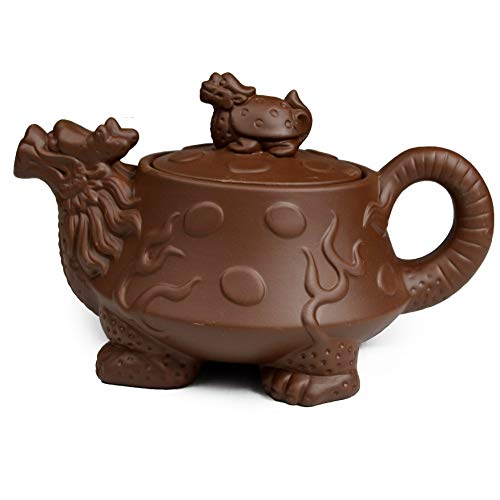
✅ Attractive dragon design with detailed craftsmanship
YXHUPOT Dragon Tortoise Zisha Clay Gongfu Teapot

✅ Excellent heat retention
YXHUPOT Dragon Phoenix Zisha Clay Teapot
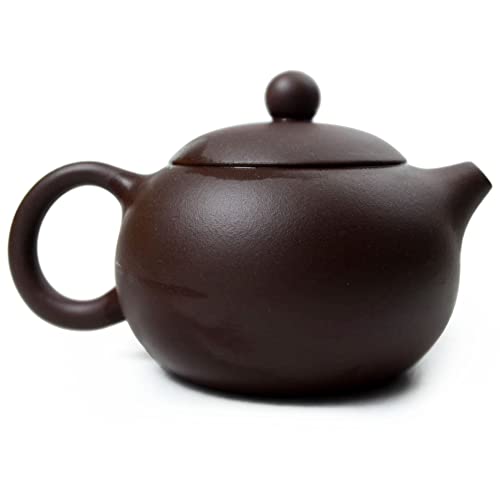
✅ Perfect size for single cup brewing (6oz capacity)