




We analyze real customer reviews to surface what matters: key strengths, ideal use cases, and honest considerations — so you can make an informed choice.
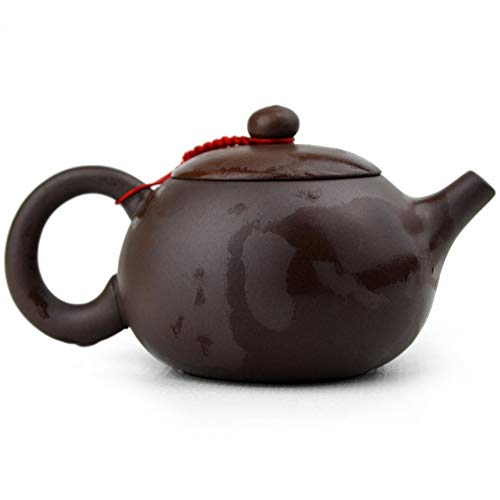
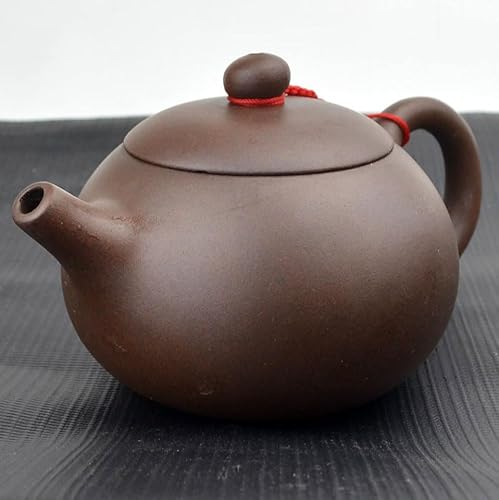
YXHUPOT Xishi Purple Clay Gongfu Teapot
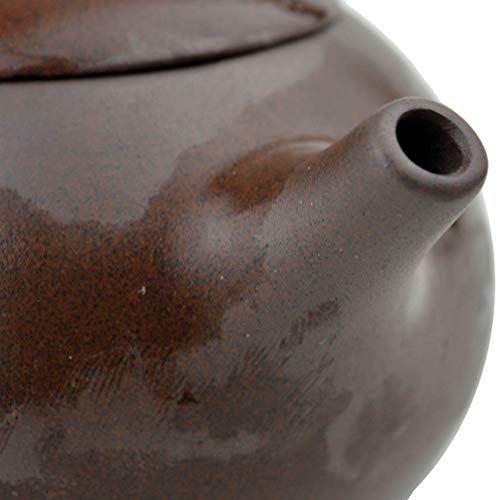
Built around an integrated ceramic ball strainer, this Xishi-shaped teapot handles Gongfu brewing for 1-2 people without a separate filter.
🎯 Best for: Gongfu-style oolong tea brewing, Tea for 1-2 people

✅ What Customers Love
- Well-made construction and quality (6 mentions)
- Clean lines and elegant aesthetic (3 mentions)
- Built-in ceramic ball strainer in spout (2 mentions)
🎯 Best For
Gongfu-style oolong tea brewing • Tea for 1-2 people • Contained tea forms (puerh oranges, pearls) • Display as decorative tea ware
Brand: YXHUPOT
Category: Yixing Teaware
As an Amazon Associate we earn from qualifying purchases.
About This Product
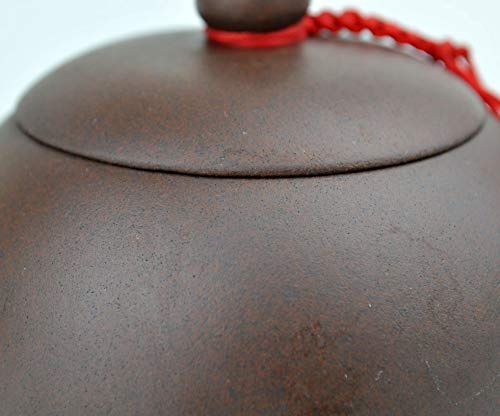
This Xishi-form teapot features a ceramic ball strainer integrated directly into the spout, eliminating the need for a separate filter during Gongfu sessions. At 210cc, it's sized for 1-2 person brewing and pairs naturally with a tea tray setup. The clean, traditional silhouette draws favorable attention for both use and display. Loose leaf teas can clog the built-in strainer — it works best with compressed forms like puerh pearls rather than open leaf styles. A welcoming entry point for those exploring Gongfu ceremony ware.
Is YXHUPOT Xishi Purple Clay Gongfu Teapot Right for You?
How can you tell if this YXHUPOT teapot is real Yixing clay?
This is an important question, and honesty matters here. At this price point, this teapot is best understood as a Yixing-style teapot rather than an authentic Yixing zisha piece. At least one reviewer has questioned whether the material is genuine Yixing clay or a different ceramic. Authentic Yixing clay from Dingshu Town commands significantly higher prices. That said, the teapot is well-constructed with clean lines and a classic Xishi shape — it's a solid functional teapot for gongfu brewing, just don't expect the mineral porosity and tea-seasoning properties that true zisha clay offers.
Does the built-in strainer on this teapot actually work well?
It depends on what you're brewing. The ceramic ball strainer is one of this pot's highlighted features — multiple reviewers appreciate not needing a separate filter. However, there's an honest caveat: at least two reviewers found that fine loose leaf tea can block the strainer holes, making it difficult to pour. The workaround is to use this pot with larger leaf styles — rolled oolongs, puerh mini cakes, dragon pearls, or any tea with bigger leaves. These flow through the strainer without issues. If you primarily brew fine-cut teas or broken leaf grades, you may want a pot with a different strainer design.
What types of tea work best in this Xishi teapot?
This YXHUPOT works best with gongfu-style oolong brewing — that's what the Xishi shape was traditionally designed for. Reviewers also found it handles contained tea forms exceptionally well: puerh oranges, dragon pearls, and compressed tea cakes flow through the built-in strainer without clogging. The zini clay and heat tolerance up to 80-85°C make it well suited for lighter oolongs, green oolongs, and aged white teas. It's not ideal for fine-cut loose leaf teas (the strainer can block) or teas that need rolling boil temperatures like some dark puerh.
Is 210cc (7oz) big enough for gongfu tea brewing?
Yes — 210cc is actually a very standard size for gongfu brewing. In gongfu style, you're doing multiple short infusions rather than one big steep, so you want a smaller pot that concentrates flavor. This YXHUPOT comfortably serves 1-2 people per infusion round. Some reviewers did note the capacity felt smaller than expected, but that's usually because they're coming from Western-style teapots which are much larger. If you're brewing gongfu style as intended, 210cc is right in the sweet spot. If you regularly brew for 3+ people, you'd want something in the 300-400cc range instead.
Who is this YXHUPOT Xishi teapot best for?
It's an ideal starter pot for someone curious about gongfu-style brewing who doesn't want to invest hundreds in an authentic Yixing piece right away. Beginners appreciate the simple design, built-in strainer, and attractive aesthetics. It also appeals to tea enthusiasts who want a dedicated pot for oolongs or contained puerh forms. Collectors who appreciate the classic Xishi silhouette enjoy it for display. It's less suited for experienced gongfu brewers who specifically need authentic zisha clay for flavor development, or anyone who primarily brews fine-cut loose leaf teas.
Is this teapot fragile? How careful do I need to be?
It's ceramic, so yes — treat it with the same care you'd give any clay teapot. At least one reviewer noted it broke when dropped, which isn't unusual for any ceramic piece. The good news is that reviewers praise the sturdy handle and balanced design, so it feels secure when pouring. The seller also packages it well for shipping. Just use common sense: don't place it on the edge of your tea tray, handle it with dry hands, and store it somewhere stable. A bamboo gongfu tea tray with a recessed area is ideal.
As an Amazon Associate we earn from qualifying purchases.
What temperature water should you use with this teapot?
Reviewers report good heat tolerance up to about 80-85°C (176-185°F), which makes it well suited for oolongs, green teas, and lighter puerh. Avoid using rolling boiling water (100°C) — both because the material may not handle extreme heat as well as authentic Yixing clay, and because most teas that pair with this pot style taste better at slightly lower temperatures anyway. If you're brewing a darker oolong that typically calls for near-boiling water, let it cool for a minute after boiling before pouring.
Can you use this teapot on a gongfu tea tray?
Absolutely — reviewers specifically mention using it on a gongfu tea tray and it fits the ceremony aesthetic well. The classic Xishi shape and dark brown zini finish look right at home in a traditional gongfu setup. The 210cc size is standard for tray brewing, and the balanced design with a sturdy handle makes the quick, controlled pours that gongfu style demands feel natural and comfortable.
How do you clean and maintain this teapot?
After each session, empty the spent leaves, rinse the pot thoroughly with hot water, and let it air dry with the lid off. Never use soap or detergent — clay and ceramic absorb flavors, and soap residue will taint future brews. For the built-in ball strainer, give it an extra rinse to clear any leaf fragments stuck in the holes. If you plan to dedicate this pot to one type of tea (the traditional Yixing approach), it will develop subtle flavor over time that enhances your brew. If not, just keep it clean and dry between uses to prevent any stale odors.
How do you choose a Yixing teapot for beginners?
For beginners, you want something affordable, simple to use, and forgiving. This YXHUPOT Xishi pot checks those boxes — the 210cc size is a standard gongfu volume, the built-in ceramic ball strainer means you don't need to buy a separate filter, and the Xishi shape is one of the most classic and versatile Yixing forms. One thing to keep in mind: this pot works better with contained tea forms like puerh mini cakes or dragon pearls than with fine loose leaf, since the built-in strainer can clog with small leaves. If you're just starting to explore gongfu brewing, it's a low-risk way to learn the ritual without a big investment.
How do you use a Yixing teapot as a beginner?
Start simple. This YXHUPOT Xishi pot is actually a great beginner piece because the design is intuitive — wide opening for easy loading, built-in strainer so you don't need extra equipment, and a well-balanced handle for comfortable pouring. Here's a beginner-friendly approach: use about 5-6 grams of oolong or a couple of puerh pearls, fill with water around 80-85°C, steep for 15 seconds, pour, and taste. Then re-steep the same leaves, adding 5-10 seconds each round. You'll get 4-6 infusions from good tea. The 210cc size means each pour fills about two small gongfu cups — perfect for a solo session or sharing with one other person.
How do you use a Yixing teapot for the first time?
Before your first brew, give this YXHUPOT pot a good rinse with hot water — fill it, let it sit for a few minutes, pour it out, and repeat a couple of times. This washes away any dust from manufacturing. Some people recommend boiling a new Yixing pot, but with this teapot, reviewers note it handles temperatures up to about 80-85°C well, so stick to that range rather than using boiling water. For your first actual brew, use the same tea you plan to dedicate the pot to. The Xishi shape works beautifully for oolongs. One tip from reviewers: try contained tea forms like puerh oranges or pearls first, since the built-in ball strainer flows more freely with those than with fine loose leaves.
As an Amazon Associate we earn from qualifying purchases.
How do you choose a Yixing clay teapot?
Choosing comes down to four things: size, shape, clay type, and what tea you'll brew. This YXHUPOT is a 210cc Xishi shape in zini (purple) clay — that's a versatile combination. The 210cc capacity is ideal for 1-2 people doing gongfu-style sessions. The Xishi shape has a wide opening that makes it easy to load and clean. Zini clay is considered the most neutral of Yixing clay types, so it won't dramatically alter your tea's flavor profile. Just know that at this price range, you're getting a functional gongfu pot rather than a collector-grade piece. For beginners, that's actually the right call — learn the technique first before investing in premium clay.
How do you use a Yixing teapot?
Gongfu brewing with this pot is straightforward. Add your tea leaves (fill about one-third of the pot for oolong, less for puerh), pour hot water at 80-85°C, and steep for short intervals — start around 10-15 seconds for the first infusion and add time with each subsequent pour. The built-in ceramic ball strainer filters leaves as you pour into your cups or a fairness pitcher. This YXHUPOT has a sturdy handle and good balance, so pouring feels natural. Between sessions, rinse with hot water only — never use soap, as clay absorbs flavors over time. Reviewers find it sits nicely on a gongfu tea tray for the full ceremony experience.
What Customers Love
⚠️ Limited sample based on limited customer feedback (14 reviews) • Our methodology
- Well-made construction and quality (6 mentions)
- Clean lines and elegant aesthetic (3 mentions)
- Built-in ceramic ball strainer in spout (2 mentions)
- Sturdy handle and well-balanced design (2 mentions)
- Good packaging from seller (2 mentions)
- Good value for money (2 mentions)
Best Use Cases
🎯 Best For
- Gongfu-style oolong tea brewing
- Tea for 1-2 people
- Contained tea forms (puerh oranges, pearls)
- Display as decorative tea ware
⚠️ Not Ideal For
- Traditional loose leaf gongfu brewing (strainer blocks)
- Large volume tea brewing
- High-temperature brewing above 85°C
What to Consider
- Internal strainer blocks with loose leaf tea, preventing pouring (2 mentions)
- Not authentic Yixing clay (possibly plaster or inferior material) (1 mentions)
- Smaller capacity than expected (7oz/210cc) (1 mentions)
- Fragile - breaks when dropped (1 mentions)
⚠️ Important: This analysis is based on limited customer feedback (14 reviews). We've shared what we found, but there may be additional considerations we haven't captured.
About This Analysis
This analysis is based on 14 customer reviews. We're showing you everything we found, but with a small sample, there's a lot we likely haven't captured yet.
✅ What we're confident about: What customers love and best use cases
⚠️ What may be incomplete: Potential issues and considerations
For more perspectives, check customer reviews on Amazon.
Product Selection
In short: We only feature high-rated products.
Products on TeaDelight.net are selected based on strong Amazon customer ratings, sufficient review volume, and market presence. We focus on well-regarded products that tea enthusiasts are actively considering and purchasing.
As an Amazon Associate we earn from qualifying purchases.
You Might Also Like

✅ Excellent pour quality with smooth laminar flow
YXHUPOT Purple Clay Teapot Fanggu
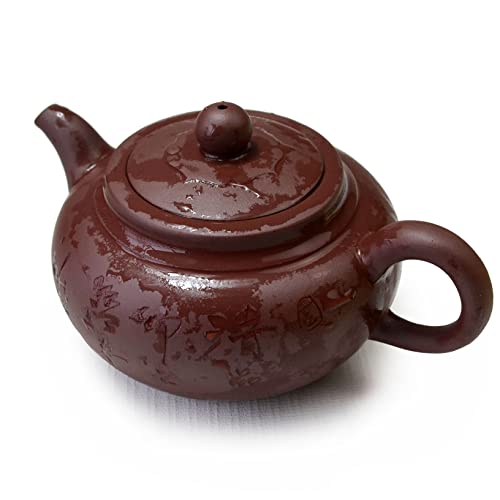
✅ High quality craftsmanship and build quality
YXHUPOT Zisha Clay Teapot 10oz Hand-Carved

✅ Beautiful appearance and aesthetics
SILINE Yixing Zisha Fanggu Teapot
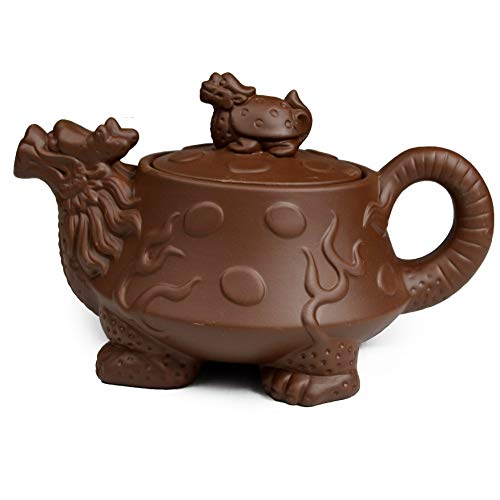
✅ Attractive dragon design with detailed craftsmanship