




We analyze real customer reviews to surface what matters: key strengths, ideal use cases, and honest considerations — so you can make an informed choice.
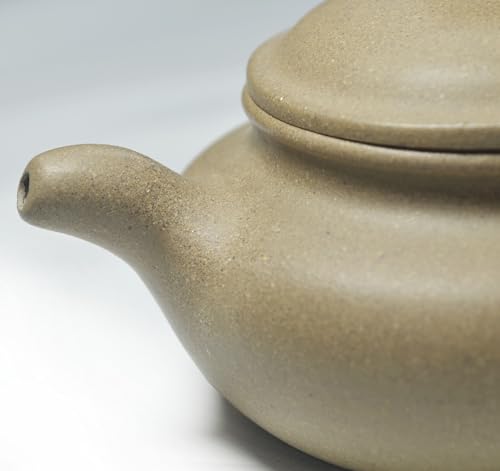
YXHUPOT Purple Clay Teapot Fanggu
A traditional zisha clay teapot in the classic Fanggu shape, prized for its smooth laminar pour and lid-hole flow control — built for gongfu-style single-session brewing.
🎯 Best for: Single-person gongfu-style tea sessions, Oolong tea brewing

✅ What Customers Love
- Excellent pour quality with smooth laminar flow (7 mentions)
- Tight lid seal prevents leaking when finger covers hole (3 mentions)
- Beautiful aesthetic detail and craftsmanship (3 mentions)
🎯 Best For
Single-person gongfu-style tea sessions • Oolong tea brewing • Pu-erh tea brewing • Gift giving (comes beautifully packaged)
Brand: YXHUPOT
Category: Yixing Teaware
As an Amazon Associate we earn from qualifying purchases.
About This Product
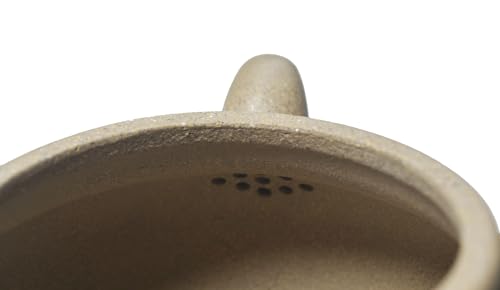
Crafted from genuine purple clay (zisha), this Fanggu-style teapot develops a seasoned patina over time, making it increasingly attuned to oolong or pu-erh. Fine strainer holes retain whole leaves without a separate infuser, and the lid hole enables physics-based flow control mid-pour. Reviewers note the pour is smooth and laminar with minimal dribble. Actual usable capacity sits closer to 6oz than the stated 8.6oz — a true single-cup vessel, not a pot for sharing. Best for solo gongfu practitioners seeking an accessible entry into traditional Yixing brewing, and comes packaged with a silk case and historical documentation.
Is YXHUPOT Purple Clay Teapot Fanggu Right for You?
How can you tell if this YXHUPOT Yixing teapot is real purple clay?
That's one of the most common concerns with budget Yixing teapots, and it's a fair question. This YXHUPOT pot is marketed as genuine zisha (purple clay), and several owners note that it has characteristics consistent with real clay — the unglazed interior absorbs tea oils over time, and the clay has a fine, sandy texture rather than a smooth ceramic feel. It also comes with historical documentation about Yixing clay traditions, which is a nice touch. That said, at this price point, some buyers remain skeptical about whether it's pure zisha or a blend. The practical test is seasoning it: brew the same tea repeatedly and see if the pot develops flavor memory over weeks. If it does, that's a strong sign of genuine porous clay.
Is this teapot really 8.6 ounces?
This is worth knowing before you buy: the listed 8.6oz is the absolute maximum fill-to-the-brim capacity. In practice, when you account for tea leaves and a reasonable fill level, you're looking at closer to 6oz per steep — and that's confirmed by multiple owners. Several reviewers specifically mention the small size, with some saying it's essentially a one-cup teapot. For gongfu-style brewing, that's actually normal and even desirable — small volumes mean more concentrated flavors and better control over each infusion. But if you're expecting to pour tea for two or three people from a single fill, this isn't the right pot. Think of it as a personal brewing vessel.
How is the pour quality on this teapot?
This is actually where the YXHUPOT really shines. Seven different reviewers specifically praise the smooth, laminar pour — the stream comes out clean and controlled with minimal dribbling. One owner even noted that the laminar flow extends about a foot before becoming turbulent, which is genuinely impressive for a teapot at this price. The lid hole gives you physics-based flow control: cover it with your finger and the pour stops, release it and the stream resumes. That said, one reviewer did report poor flow on their unit, so there may be some unit-to-unit variation. But the overwhelming consensus is that the pour is one of the best features of this pot.
Does the lid on this Yixing teapot fit well?
This is the one area where reviews are genuinely mixed. Some owners report a tight seal — tight enough that covering the lid hole with a finger stops the pour completely, which is the gold standard for Yixing pot fit. Others found their lid loose enough to leak during pouring. It seems to vary between units. The lid does have a nylon thread attachment, which a few buyers found a bit cheap-looking on an otherwise attractive pot. If a perfect lid seal is critical to you, be aware there's some inconsistency here. For most gongfu brewing purposes, a slight looseness isn't a dealbreaker — you can control the pour with the air hole technique — but it's worth knowing going in.
What teas work best in this YXHUPOT Yixing teapot?
This pot is a natural fit for oolong and pu-erh teas — both benefit enormously from the small-volume, multiple-infusion approach that a pot this size encourages. The fine strainer holes do a good job retaining whole leaves while letting liquid flow through cleanly, so you can watch your oolongs unfurl and expand without needing a separate strainer. Pu-erh is another excellent choice since the porous clay will absorb those deep, earthy flavors over time and actually enhance future brews. Some owners also report good results with other teas that reward multiple steepings, like certain green teas or white teas. Just remember: pick one tea type and dedicate this pot to it. The clay's ability to absorb and enhance flavors is the whole advantage of Yixing, and mixing tea types defeats the purpose.
Does this teapot need a separate tea strainer?
No, and that's one of its practical advantages. The pot has built-in strainer holes at the base of the spout that are fine enough to retain loose tea leaves while letting liquid pour through cleanly. Two reviewers specifically mention the strainer working well — leaves stay in the pot and the tea comes out clean. This is convenient for beginners who might not have a full gongfu tea setup yet, and it's one less accessory to buy. The leaves get plenty of room to expand and unfurl inside the pot, which is important for flavor extraction, especially with tightly rolled oolongs.
As an Amazon Associate we earn from qualifying purchases.
How does this compare to more expensive Yixing teapots?
At this price, you're obviously not getting a hand-crafted artisan piece from a named Yixing master. What you are getting, based on owner experiences, is a functional pot with genuinely good pour quality, decent heat retention, and clay that behaves like real zisha. The craftsmanship on the aesthetic details gets praise — it's a good-looking pot. Where it falls short compared to pricier options is consistency: the lid fit varies between units, and the nylon thread on the lid is a budget tell. Think of it as an excellent training pot and daily driver. If you fall in love with gongfu brewing, you'll probably eventually upgrade — but this gives you a legitimate, functional experience of what Yixing clay brewing is all about without a serious investment.
Is this a good gift for a tea lover?
It makes a surprisingly good gift, especially for someone curious about Chinese tea culture. It comes in a silk case with historical documentation about Yixing clay traditions, so the presentation is well above what you'd expect at this price. The Fanggu shape is a classic, collectible design that looks beautiful on display. For a tea enthusiast who already has Yixing pots, it's a nice inexpensive addition. For someone new to the tradition, it's a thoughtful introduction that comes with enough context to appreciate what they're holding. Just know that the recipient will need to learn gongfu-style brewing to get the most out of it — this isn't a casual everyday teapot.
How do you choose the right Yixing teapot for beginners?
If you're just getting into Yixing teapots, this YXHUPOT Fanggu is actually a smart starting point for a few reasons. First, the low price means you're not risking much while you learn the ropes of gongfu brewing. Second, the small size (realistically around 6oz usable capacity) actually reduces waste — when you're experimenting with leaf-to-water ratios and steep times, you don't want to ruin a large batch. It also comes with a built-in strainer with fine holes that retain leaves well, so you don't need to buy a separate strainer. And the included educational materials about Yixing pottery give you context about what you're working with. The main things to consider when choosing any Yixing pot are shape (this Fanggu style is a classic collectors' shape), clay type (this is zisha/purple clay), and what tea you plan to dedicate it to — oolongs and pu-erhs work especially well in small pots like this.
How do you use a Yixing teapot for the first time?
Before your first brew, you'll want to season this YXHUPOT teapot. Rinse it thoroughly with hot water — no soap, ever — to remove any residual dust from manufacturing. Then boil water and fill the pot, letting it sit for 15-20 minutes. Repeat this a couple of times. Some people like to simmer the pot in a larger vessel of water with some of the tea they plan to dedicate it to. After seasoning, decide which tea this pot will be for (pu-erh and oolong are popular choices for small Yixing pots like this one) and stick with that tea type going forward. The porous clay absorbs oils and flavors over time, which is the whole point — your pot literally gets better with use. One tip specific to this pot: test the lid seal early on. Cover the air hole on the lid with your finger while pouring — if the flow stops, your seal is good. Some owners report a tight seal, while others find theirs a bit loose.
What is a Fanggu shape teapot?
Fanggu (仿古) literally means 'ancient imitation' or 'antique style' — it's one of the classic traditional Yixing teapot shapes that has been reproduced for centuries. The design features a wide, low-profile body with a flat lid, which is both aesthetically pleasing and practical for brewing. It's considered a collectors' shape in the Yixing tradition, so owning one connects you to a long lineage of Chinese tea culture. This YXHUPOT version captures the classic Fanggu silhouette in the pea green-grey colorway, and multiple owners praise the aesthetic detail and craftsmanship of the shape.
How do you use a Yixing teapot properly?
The gongfu method is what this pot is designed for. Add loose leaf tea (fill about 1/3 to 1/2 of the pot with dry leaves for oolong, less for pu-erh), pour in hot water, and do a quick rinse — pour it out after just a few seconds. Then steep again for 15-30 seconds for your first real infusion. The beauty of this YXHUPOT is its pour quality — owners consistently praise the smooth, laminar flow with minimal dribbling, which gives you precise control over steep times. Use the lid hole as a flow control: covering it with your finger stops the pour, which is handy for precise brewing. You can get multiple infusions from the same leaves, gradually increasing steep time. The small ~6oz capacity is actually ideal for this — it means each cup is fresh and you can appreciate how the flavor evolves across steepings.
As an Amazon Associate we earn from qualifying purchases.
Can you brew tea for multiple people with this teapot?
Honestly, no — this is a single-person teapot. With a realistic capacity of about 6oz (not the listed 8.6oz), you're getting one small cup per infusion. Five reviewers specifically mention the very small size. If you're brewing for guests, you'd need a larger vessel or multiple pots. That said, for solo tea sessions, the size is actually a feature, not a bug. Small-volume brewing is how gongfu tea is traditionally done — you steep the same leaves many times, getting a different flavor profile from each infusion. One creative owner even mentioned using the pot to keep a second cup warm while finishing their first.
Is this YXHUPOT teapot good for gongfu brewing?
Yes, and it's arguably one of the best entry points for gongfu brewing at this price. The small capacity (realistically ~6oz) is right in the sweet spot for gongfu — you want small volumes so you can do multiple quick infusions and taste how the leaves evolve. The fine strainer holes retain whole leaves nicely without clogging, the pour is smooth and controlled for precise steep timing, and the air hole gives you an easy way to stop and start the flow. Multiple owners confirm it works beautifully for the traditional gongfu ritual with oolongs and pu-erhs. The small size that some people see as a downside is actually the whole point for this brewing style.
How do you clean and care for a Yixing teapot?
The golden rule: never use soap. Yixing clay is porous, and it will absorb detergent flavors permanently. After each use with this YXHUPOT, simply rinse with hot water and let it air dry with the lid off. Don't scrub the interior — that patina building up is tea oil being absorbed into the clay, which is exactly what you want. Over time, the pot develops a seasoned flavor that enhances your brews. If you notice any buildup on the outside, a soft damp cloth is all you need. Store it with the lid slightly ajar so air can circulate and prevent any musty smells. And always handle it with clean, dry hands — oils from skin and food can affect the clay's seasoning.
What Customers Love
⚠️ Limited sample based on limited customer feedback (14 reviews) • Our methodology
- Excellent pour quality with smooth laminar flow (7 mentions)
- Tight lid seal prevents leaking when finger covers hole (3 mentions)
- Beautiful aesthetic detail and craftsmanship (3 mentions)
- Comes with silk case and historical documentation (2 mentions)
- Fine strainer holes retain leaves while allowing liquid through (2 mentions)
- Good heat retention (1 mentions)
Best Use Cases
🎯 Best For
- Single-person gongfu-style tea sessions
- Oolong tea brewing
- Pu-erh tea brewing
- Gift giving (comes beautifully packaged)
- Small-volume, multiple-infusion teas
⚠️ Not Ideal For
- Brewing for multiple people
- Large volume single steeps
- Users who need consistent lid seal without manual intervention
What to Consider
- Loose-fitting lid can leak during pouring (3 mentions)
- Actual capacity closer to 6oz, not 8.6oz when filled reasonably (2 mentions)
- Very small size (one cup only) (5 mentions)
- Cheap nylon thread on lid (1 mentions)
- Inconsistent pour quality (one reviewer reported poor flow) (1 mentions)
⚠️ Important: This analysis is based on limited customer feedback (14 reviews). We've shared what we found, but there may be additional considerations we haven't captured.
About This Analysis
This analysis is based on 14 customer reviews. We're showing you everything we found, but with a small sample, there's a lot we likely haven't captured yet.
✅ What we're confident about: What customers love and best use cases
⚠️ What may be incomplete: Potential issues and considerations
For more perspectives, check customer reviews on Amazon.
Product Selection
In short: We only feature high-rated products.
Products on TeaDelight.net are selected based on strong Amazon customer ratings, sufficient review volume, and market presence. We focus on well-regarded products that tea enthusiasts are actively considering and purchasing.
As an Amazon Associate we earn from qualifying purchases.
You Might Also Like

✅ Well-made construction and quality
YXHUPOT Xishi Purple Clay Gongfu Teapot
✅ High quality craftsmanship and build quality
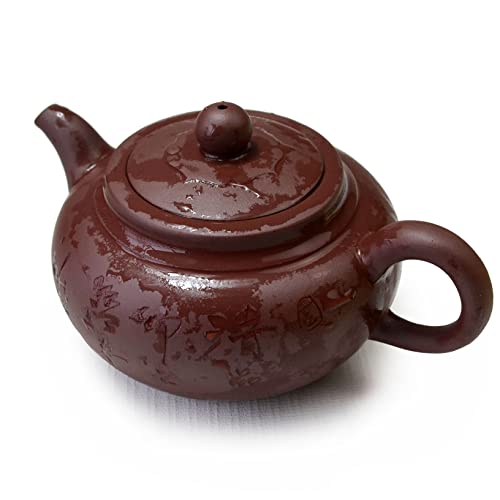
YXHUPOT Zisha Clay Teapot 10oz Hand-Carved

✅ Beautiful appearance and aesthetics
SILINE Yixing Zisha Fanggu Teapot
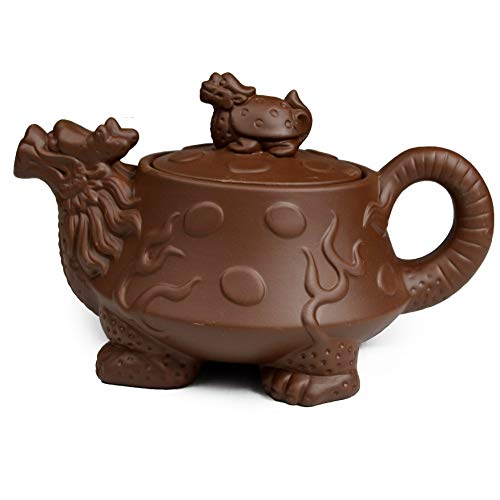
✅ Attractive dragon design with detailed craftsmanship