



We analyze real customer reviews to surface what matters: key strengths, ideal use cases, and honest considerations — so you can make an informed choice.
Golden Moon Tea Organic Pu-erh Aged Black Tea
For the everyday pu-erh drinker who isn't running gongfu sessions: a smooth, dark, organic shou (ripe pu-erh — the post-fermented variant that drinks mellow without aging) priced for the daily pot.
🎯 Best for: Daily western-style pu-erh drinking, Multiple resteeps in a western teapot
🍃 Strength: Medium

What Stands Out
🍃 Flavor Profile
Strength: Medium
Smooth, rich, and earthy lead the taste signals across 23 reviews. We'd call this a textbook clean shou: dark in the cup (six reviewers comment on the color), with a heavier mouthfeel and full body that suggest a properly developed pile-ferment. Two reviewers also pick up soy milk and cocao notes — unusual specificity for the style. The raw leaf carries a faint 'compost' aroma for a couple of drinkers; it lifts once brewed.
✅ What Customers Love
- Smooth, rich, earthy shou character
- Dark, full-bodied cup
- Distinctive soy-milk and cocao flavor notes
🎯 Best For
Daily western-style pu-erh drinking • Multiple resteeps in a western teapot • An approachable first ripe pu-erh
Brand: Golden Moon Tea
Category: Pu-erh Tea
As an Amazon Associate we earn from qualifying purchases.
About This Pu-erh Tea
For the everyday pu-erh drinker who isn't running gongfu sessions, this is a smooth, dark, organic shou — the post-fermented variant that drinks mellow without aging — priced for the daily pot. Across 23 reviews, smooth, rich, and earthy lead the taste signals. We'd call it a textbook clean shou: dark in the cup (six reviewers comment on the color), with a heavier mouthfeel and full body that suggest a properly developed pile-ferment. Two reviewers also pick up soy-milk and cocao notes — unusual specificity for the style. The raw leaf carries a faint 'compost' aroma for a couple of drinkers; it lifts once brewed.
Two reviewers call it their go-to daily brew, and several pull multiple steeps from a single teaspoon western-style. We'd reach for this as an everyday favorite — smooth and forgiving, and an approachable first ripe pu-erh if you're working your way into the style. Four reviewers have already reordered, which is a strong repeat-purchase signal for a category that often takes a few tries to click.
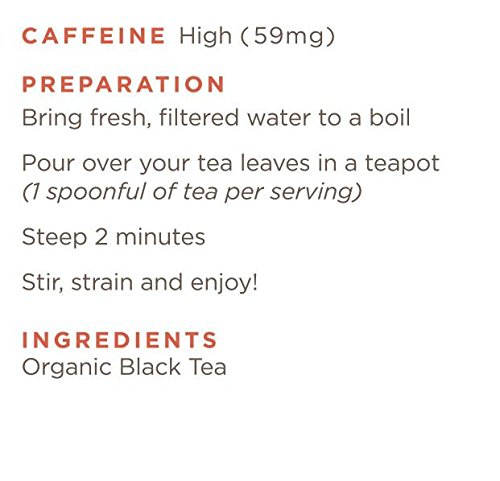
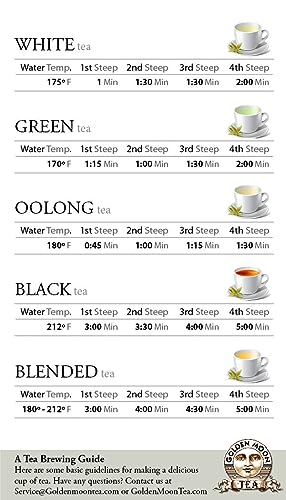
For brewing, use one level teaspoon to ten ounces of very hot water, and expect two to three solid resteeps western-style from a single measure. That resteep potential is part of what makes it work as a daily pot tea — the cost-per-cup is gentle.
The honest caveat: a few reviewers found the leaf cut too small for gongfu brewing. If you brew gongfu, the short session and weaker late infusions will be a real limitation. For the western-style pot this tea is actually built for, it's largely beside the point.
A smooth, reliable shou for the daily pot — earthy, full-bodied, and forgiving enough to leave on the kitchen counter.
Is Golden Moon Tea Organic Pu-erh Aged Black Tea Right for You?
What does Golden Moon's organic pu-erh taste like?
Smooth, rich, and earthy lead the descriptors, each cited by 4 of 14 reviewers — a textbook clean shou (ripe pu-erh). A couple of drinkers also pick up unusual soy-milk and cocao notes that don't typically show up in this style.
Is the cup dark and full-bodied or on the lighter side?
Reviewers describe a dark cup with a heavier mouthfeel and full body — six commenting on the color in the synthesis and two on the weight. That matches what you'd expect from a properly developed pile-ferment shou.
Can I brew this gongfu style?
A few reviewers found the leaf cut too small for gongfu — short sessions and weaker late infusions are the trade-off. It's a real limitation if that's your method, but largely beside the point for the western-style pot this tea actually suits.
How should I brew it for the best cup?
The synthesis recommends one level teaspoon to ten ounces of very hot water, western-style. Reviewers consistently get clean infusions this way and several pull multiple steeps from a single scoop.
How many resteeps does it give western-style?
Expect two to three solid resteeps from one teaspoon in a western pot — two reviewers explicitly note steeping three times, and several pull multiple cups from a single scoop.
Does this work as an everyday pu-erh?
Yes — two reviewers call it their 'go-to' daily brew and another two describe daily-drinking use. Smooth and forgiving, it's the kind of pu-erh you reach for without ceremony.
As an Amazon Associate we earn from qualifying purchases.
Is this a good first ripe pu-erh for someone new to the style?
The synthesis flags it as approachable for a first shou — smooth, not harsh, and brewable in a regular teapot with no gongfu gear required. Beginners get the earthy mellowness of pu-erh without the steeper learning curve.
Are the soy-milk and cocao notes actually noticeable?
Two reviewers each picked out soy milk and cocao — unusual specificity for shou, which more often gets generic 'earthy' descriptors. With only a couple of mentions, treat them as a possibility some palates catch rather than a defining trait.
How does it compare to David's Tea Organic Silken Pu'erh?
Two reviewers drew this comparison directly when discussing Golden Moon's pu-erh, which is the most-cited reference point in the review set. Reviewers didn't lay out a side-by-side flavor verdict — they mention it more as the benchmark they're familiar with.
Do reviewers come back and reorder?
Four of 14 reviewers explicitly mention reordering or having a second tin — a strong repeat-purchase signal for a sample this size, and one of the clearest indicators that the daily-drinker positioning lands.
Does the raw leaf have any off smell out of the bag?
A couple of drinkers pick up a faint 'compost' aroma on the dry leaf — the synthesis notes it lifts once the tea is brewed. That kind of earthy raw scent is fairly typical for shou and not a quality red flag at this count.
Category: What is pu-erh tea?
Pu-erh is a post-fermented tea from Yunnan Province in southwest China, made from the large-leaf Camellia sinensis var. assamica plant. Unlike green or black teas, it is defined by its capacity for ongoing microbial fermentation — the leaf continues to chemically evolve for years or decades after processing. It exists in two forms: raw (sheng), which ages slowly through natural oxidation and microbial activity, and ripe (shou), which is rapidly fermented in piles to mimic decades of aging in about 45–60 days.
As an Amazon Associate we earn from qualifying purchases.
Category: How should I store pu-erh tea at home?
Pu-erh is the rare tea that benefits from breathing rather than being hermetically sealed. The widely accepted target is 20–30°C and 60–70% relative humidity, with stability prioritized over precision. A semi-sealed container (ceramic jar or unglazed yixing canister) in a dark, odor-neutral cupboard works well; in dry climates, a 'pumidor' — typically a cooler or unplugged fridge with two-way humidity packs — recreates the conditions pu-erh needs for slow microbial transformation.
Category: What does pu-erh tea taste like?
Young raw pu-erh is robust and floral with noticeable bitterness, fresh hay, and stone-fruit notes. As it ages, the liquor darkens from gold through amber to mahogany and develops dried-fruit, honey, tobacco, and eventually camphor, leather, and earthy notes. Ripe (shou) pu-erh skips that youthful phase: it is dark, smooth, and earthy from the start, with cocoa, wood, and sometimes a 'wet basement' note in younger productions that mellows over a few years of resting.
What Makes This Product Special
⚠️ Preliminary analysis based on 23-review sample • Our methodology
- Smooth, rich, earthy shou character
- Dark, full-bodied cup
- Distinctive soy-milk and cocao flavor notes
- Good value for organic loose-leaf pu-erh
- Strong repeat-purchase signal
Taste Profile
Smooth, rich, and earthy lead the taste signals across 23 reviews. We'd call this a textbook clean shou: dark in the cup (six reviewers comment on the color), with a heavier mouthfeel and full body that suggest a properly developed pile-ferment. Two reviewers also pick up soy milk and cocao notes — unusual specificity for the style. The raw leaf carries a faint 'compost' aroma for a couple of drinkers; it lifts once brewed.
Brewing: One level teaspoon to ten ounces of very hot water; expect two to three solid resteeps western-style.
Best Use Cases
🎯 Best For
- Daily western-style pu-erh drinking
- Multiple resteeps in a western teapot
- An approachable first ripe pu-erh
⚠️ Not Ideal For
- Gongfu-style brewing
How People Use It
Two reviewers call it their 'go-to' daily brew, and several pull multiple steeps from a single teaspoon western-style. We'd reach for this as an everyday favorite — smooth and forgiving. Four reviewers have already reordered.
Good for Beginners
✅ Yes
- Smooth and not harsh
- Western-style brewing — no gongfu setup needed
What to Consider
A few reviewers found the leaf cut too small for gongfu brewing — a real limitation if you brew that way, but largely beside the point for the western-style pot the tea actually suits.
- Leaf cut too small for gongfu — short session, weaker late infusions
⚠️ based on 23-review sample. Some issues may not be captured.
About This Analysis
This analysis is based on 23 customer reviews. We're showing you everything we found, but with a moderate sample, there's a lot we likely haven't captured yet.
✅ What we're confident about: What customers love and best use cases
⚠️ What may be incomplete: Potential issues and considerations
For more perspectives, check customer reviews on Amazon.
Product Selection
In short: We only feature high-rated products.
Products on TeaDelight.net are selected based on strong Amazon customer ratings, sufficient review volume, and market presence. We focus on well-regarded products that tea enthusiasts are actively considering and purchasing.
As an Amazon Associate we earn from qualifying purchases.
You Might Also Like

✅ Long-lasting flavor across repeated steepings
Oriarmcha 2010 Lao Cha Tou Ripe Pu-erh Tea
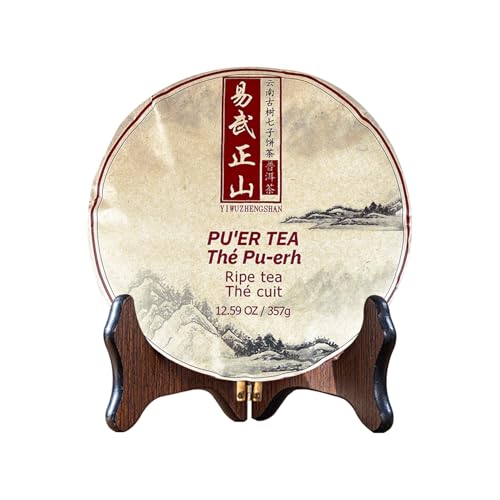
✅ smoother, richer, sweeter than its price suggests
YiwuZhengshan Ancient Tree Pu'er Tea

✅ Fresh, never-bitter cup for the reviewers it lands with
FullChea Menghai Puerh Tea Cakes (2008/2018)
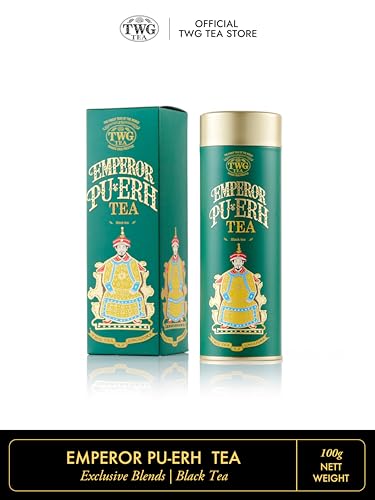
✅ Collectible premium tin and packaging