






We analyze real customer reviews to surface what matters: key strengths, ideal use cases, and honest considerations — so you can make an informed choice.
Tiesta Tea Strawberry Pineapple Loose Leaf Green Tea
A green tea with no reviewer feedback yet on this particular product.

What Stands Out
Brand: Tiesta Tea
Category: Green Tea
As an Amazon Associate we earn from qualifying purchases.
About This Green Tea
Tiesta Tea Fruity Paradise is positioned as a medium-caffeinated loose-leaf green tea blended with strawberry and pineapple notes, packaged in a 4oz refillable tin. The listing describes it as a premium blend that yields up to 50 cups, brewed hot or over ice. Reviewer feedback for this particular product has not yet accumulated, so the character below reflects general expectations for the style rather than confirmed cup notes.
Green teas in this fruit-forward style are typically reached for as a lighter, cleaner cup — well suited to afternoon or evening drinking when something less robust than black tea is wanted. The loose-leaf format and refillable tin suggest a tea built for regular at-home brewing rather than single-serve convenience.
For brewing, this style generally responds best to lower water temperatures than black tea — hot enough to extract the leaf without scorching it into bitterness. The same leaf is positioned by the label as working hot or iced, so a cooler infusion for iced service is a reasonable starting point.
A candid note: this product has no reviewer feedback yet, so any claim about how the strawberry and pineapple actually read in the cup, how forward the green tea base sits, or how the blend holds up across multiple steeps would be speculation. The characterization here is grounded in what the listing says about itself and what is typical of fruit-forward green tea blends — not in confirmed tasting reports from buyers.
For drinkers curious about a lighter green tea with a fruit lift and willing to form their own opinion, the 4oz tin is a modest commitment. Those who prefer to buy on the strength of reviewer consensus may want to wait until feedback builds.
Is Tiesta Tea Strawberry Pineapple Loose Leaf Green Tea Right for You?
What does Tiesta Tea Fruity Paradise taste like?
The listing positions this as a strawberry-pineapple green tea blend, so expect a fruity character layered over a green-tea base. No reviewer feedback has accumulated yet for this specific product, so the actual flavor balance is reportedly what the label promises rather than something drinkers have weighed in on.
Is this loose leaf or tea bags?
It's loose leaf, packaged in a 4oz refillable tin per the listing. That means no tea-bag material to worry about — you'll need an infuser, strainer, or teapot with a built-in basket to brew it.
Does this tea contain microplastics?
Because this is a loose-leaf tea in a tin rather than a bagged tea, there's no plastic-based tea-bag mesh in the brewing path — a common source of microplastic concern with pyramid sachets. The tin itself doesn't touch the brew.
How much caffeine does it have?
The label calls it 'Medium Caffeinated Green,' which puts it in the typical green-tea range rather than the lower end (white, herbal) or higher end (black, matcha). No reviewer data has accumulated yet on perceived caffeine kick for this specific blend.
How many cups does the 4oz tin make?
The listing says the 4oz tin brews up to 50 cups, which works out to roughly 2-2.5 grams of leaf per cup — standard for loose-leaf green tea. Actual yield depends on how strong you brew and whether you re-steep the leaves.
Can I brew this iced as well as hot?
Yes — the listing explicitly markets it for both hot and iced preparation, and the fruity strawberry-pineapple profile lends itself to cold brewing or pouring hot tea over ice. No reviewer feedback has accumulated yet on which method works best.
As an Amazon Associate we earn from qualifying purchases.
What water temperature should I use?
Brew on the cooler side — the synthesis notes this style is best at lower temperatures for a cleaner cup. For green tea, that generally means around 75-80°C (170-180°F); boiling water tends to scorch green leaf and turn it bitter.
When is the best time of day to drink this?
The synthesis points to afternoon or evening cups, in keeping with the lighter character of a fruit-forward green tea. The medium-caffeine label means it's not as stimulating as black tea, though sensitive drinkers may still want to keep it earlier in the day.
How much reviewer feedback exists for this blend?
Very little — this product hasn't accumulated reviewer commentary yet, so the description above leans on the label and on general green-tea expectations rather than on what drinkers have actually reported. Initial impressions from new buyers will fill in the picture over time.
Is the tin reusable for storing other tea?
The listing describes it as a 4oz refillable tin, so it's designed to be kept and refilled rather than discarded. That makes it usable as a storage vessel for other loose-leaf teas once you've finished the original blend.
Category: Why does my green tea taste bitter?
Bitterness and astringency in green tea come mainly from catechins (especially EGCG) being over-extracted. The two biggest causes are water that is too hot — boiling water pulls catechins aggressively — and steeping for too long. Catechins also extract faster than the sweet, savory amino acids, so a shorter steep at lower temperature gives you the sweetness without the harshness.
Category: What water temperature should I use to brew green tea?
Most green teas brew best between 70C and 80C (160-175F). Boiling water aggressively extracts catechins and produces bitterness and astringency, while cooler water preserves the amino acids responsible for sweetness and umami. Shaded teas like gyokuro are typically brewed even lower, around 50-60C, specifically to draw out L-theanine without pulling harsh catechins.
As an Amazon Associate we earn from qualifying purchases.
Category: What are the most common mistakes when brewing green tea?
The four big ones: using boiling water (which scorches the leaf and pulls bitter catechins), oversteeping (4+ minutes for a tea designed for 1-2), reusing weak or stale leaf, and leaving the leaves sitting in the water after the first pour. A 70-80C steep for 60-90 seconds, then a quick second infusion, generally beats a single long brew at boiling temperature.
How People Use It
Brewed at lower temperatures for a cleaner character; suits afternoon or evening cups.
What to Consider
This product has not yet accumulated reviewer feedback. The characterization above reflects general expectations for the tea type, not this specific product.
About This Analysis
This analysis is based on 0 customer reviews. We're showing you everything we found, but with a small sample, there's a lot we likely haven't captured yet.
✅ What we're confident about: What customers love and best use cases
⚠️ What may be incomplete: Potential issues and considerations
For more perspectives, check customer reviews on Amazon.
Product Selection
In short: We only feature high-rated products.
Products on TeaDelight.net are selected based on strong Amazon customer ratings, sufficient review volume, and market presence. We focus on well-regarded products that tea enthusiasts are actively considering and purchasing.
As an Amazon Associate we earn from qualifying purchases.
You Might Also Like

✅ Smooth, fresh, umami-forward sencha profile
Kyo Hayashiya Uji Sencha Loose Leaf Green Tea
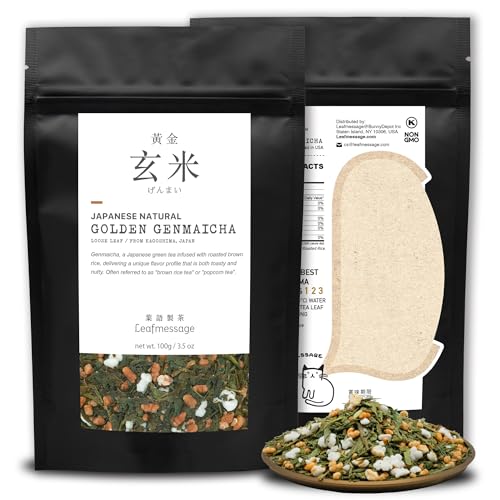
✅ Authentic genmaicha with visible toasted rice and popcorn
Leafmessage Golden Genmaicha Tea

✅ High repeat-purchase rate
Whole Foods Market Organic Decaf Green Tea

✅ fresh leaves with whole-leaf presentation and golden liquor