





We analyze real customer reviews to surface what matters: key strengths, ideal use cases, and honest considerations — so you can make an informed choice.
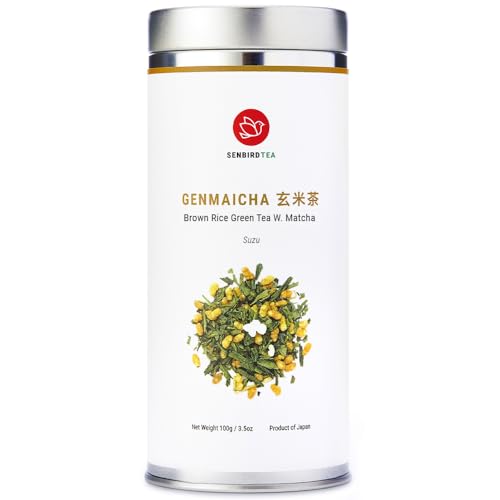
Senbird Premium Genmaicha with Matcha
A classic Japanese genmaicha with prominent nutty, toasted-rice flavor and a bright jade-green color — mellow and noticeably less bitter than plain sencha.
🎯 Best for: Morning tea routine, Afternoon enjoyment
🍃 Tastes like: roasted brown rice, popcorn, seaweed

What Stands Out
🍃 Flavor Profile
Strength: Moderate
Notes: roasted brown rice, popcorn, seaweed
✅ What Customers Love
- Nutty, toasted rice flavor is prominent and pleasant (11 mentions)
- High quality, fresh, authentic Japanese tea (6 mentions)
- Mellow, less bitter than plain green tea (4 mentions)
🎯 Best For
Morning tea routine • Afternoon enjoyment • Evening/night tea (low caffeine) • Serving to guests
Brand: Senbird
Category: Green Tea
As an Amazon Associate we earn from qualifying purchases.
About This Green Tea
Genmaicha's signature toasted rice aroma fills the cup immediately, with a nutty, mellow flavor that sits far gentler on the palate than plain sencha. Reviewers praise the bright jade color and distinct layering of sencha, roasted rice, and matcha that evolves across two to three infusions. The low caffeine content makes it practical from morning through evening. Water temperature matters — brewing above 180°F draws out bitterness that undermines the balance. Best for those who find standard green tea too sharp, and for enthusiasts who enjoy the ritual of multiple infusions.
Is Senbird Premium Genmaicha with Matcha Right for You?
What does Senbird Genmaicha with Matcha taste like?
The dominant flavor is nutty, toasted rice — think popcorn-like warmth — which is what genmaicha is known for. Reviewers describe it as mellow and well-balanced with earthy, umami undertones and a hint of seaweed and vegetal notes from the sencha base. The matcha addition gives it a creamy richness and that beautiful jade-green color without the grassiness of pure matcha. Multiple reviewers specifically call it 'less bitter than plain green tea,' which makes it very approachable.
What brand of green tea is the best for genmaicha?
Senbird is highly regarded for their genmaicha. Reviewers consistently describe it as authentic, high-quality Japanese tea sourced from Kyoto. Multiple customers note it 'tastes expensive' and praise the freshness — the toasted rice flavor is prominent and the matcha addition gives it a vibrant jade-green color you don't get from lower-quality brands. If you're looking for a genuine Japanese genmaicha experience rather than a mass-market version, Senbird delivers.
Is Senbird Genmaicha good for green tea beginners?
This is actually one of the best green teas for beginners. Reviewers highlight several beginner-friendly qualities: the brewing process is forgiving (you don't need to be precise), it's less bitter than traditional green tea, the flavor is well-balanced without being too strong or weak, and clear brewing instructions are included. The toasted rice gives it a comforting, familiar nutty flavor that's more approachable than pure sencha or matcha if you're just getting into Japanese teas.
How do you brew Senbird Genmaicha with Matcha properly?
The key with this genmaicha is keeping your water temperature below 180°F — that's the single most important thing. If you go hotter, it can turn bitter. Use about a tablespoon of loose leaf per cup, steep for 1-2 minutes, and you'll get that beautiful bright green color with a mellow, nutty flavor. The good news is that compared to many green teas, genmaicha is pretty forgiving. Even if your timing isn't perfect, the toasted rice and matcha help keep things balanced.
What are common mistakes when brewing this genmaicha?
The number one mistake is using water that's too hot. Reviewers specifically warn that water over 180°F will make this tea bitter — and that's a shame because when brewed correctly, it's one of the least bitter green teas you can find. Use water around 160-175°F for the best results. Another common mistake is only brewing it once. This tea rewards 2-3 infusions, and the flavor actually evolves with each steep — you'll notice different notes of rice, sencha, and matcha coming through at different stages.
Can you brew Senbird Genmaicha multiple times?
Yes, and reviewers say you absolutely should. This tea is great for 2-3 infusions, and the flavor actually evolves with each steep. The first infusion tends to be the most robust with strong toasted rice and matcha notes. The second steep often brings out more of the sencha's vegetal character. It's a nice way to get more value from each serving and experience the complex flavor profile that comes from having three distinct components — sencha, toasted rice, and matcha.
As an Amazon Associate we earn from qualifying purchases.
Does Senbird Genmaicha taste like popcorn?
You'll definitely catch popcorn-like notes — it's one of the most commonly mentioned flavors in reviews alongside 'nutty' and 'toasted.' The toasted brown rice creates that warm, almost roasted grain aroma that many people associate with popcorn. But it's more complex than that: you'll also pick up earthy, umami, and subtly vegetal notes from the sencha and matcha components. The popcorn character is the first thing that hits you, but there are layers underneath.
What food pairs well with Senbird Genmaicha?
This is where genmaicha gets interesting — reviewers mention it pairs surprisingly well with savory foods, including steak and dinner dishes. The nutty, toasted rice flavor and umami notes complement hearty meals rather than competing with them. It also works with desserts thanks to its mellow sweetness. Think of it like a versatile table tea — it won't overpower food but adds a warming, complementary element to the meal.
Is Senbird Genmaicha good for people who don't like matcha?
Surprisingly, yes. Reviewers specifically note that the matcha flavor is masked by the toasted rice, so you get the health benefits and color of matcha without the strong grassy taste that turns some people off. The matcha acts more as a background enhancer — adding creaminess and that vibrant jade-green hue — rather than dominating the cup. If you've tried pure matcha and didn't enjoy it, this blend might change your mind.
When is the best time to drink Senbird Genmaicha?
This tea is remarkably versatile throughout the day. Reviewers use it for morning routines as a gentler coffee alternative, afternoon enjoyment, and even evening relaxation thanks to its lower caffeine content. It also works well when serving guests because of its approachable, crowd-pleasing flavor. If you're pairing it with food, dinner time is great — the toasted rice and umami notes complement savory dishes beautifully.
How does Senbird compare to Lipton green tea?
They're in completely different categories. Lipton green tea is a mass-market tea bag product designed for convenience and consistency. Senbird's Genmaicha is a premium loose leaf blend from Kyoto with toasted rice and matcha — it's a different experience entirely. Reviewers describe the quality as authentic and fresh, with complex flavors that evolve across multiple infusions. If you're used to Lipton and wondering about upgrading, this is a significant step up in both flavor complexity and quality.
As an Amazon Associate we earn from qualifying purchases.
Is the caffeine in Senbird Genmaicha enough to keep you awake?
Most reviewers report this tea works well as an evening drink, which tells you the caffeine level is pretty low. Genmaicha naturally has less caffeine than pure sencha or matcha because a good portion of the blend is toasted brown rice, which contains no caffeine. That said, everyone's sensitivity is different — if you're very caffeine-sensitive, you might want to stick to afternoon and earlier. But for most people, this won't interfere with sleep the way coffee or even a standard green tea might.
How should I store Senbird Genmaicha to keep it fresh?
The tea comes in an airtight tin, which is ideal for storage. Keep it sealed between uses, away from direct sunlight, heat, and strong odors — tea absorbs smells easily. A cool, dry pantry or cupboard is perfect. Avoid the refrigerator, as moisture can degrade the quality. The tin itself is designed for long-term storage, and Senbird's refill program lets you reuse it, which is both practical and environmentally friendly.
What kind of teapot works best for this genmaicha?
Reviewers mention that it works especially well with a traditional Japanese kyusu teapot, which has a built-in strainer perfect for loose leaf tea. But honestly, any teapot with an infuser or even a simple mesh strainer will do the job. The tea is forgiving in its preparation, so you don't need specialized equipment to get great results. A basic mug with a tea infuser basket is perfectly fine for everyday brewing.
Is green tea very high in caffeine?
Green tea generally has less caffeine than coffee, and genmaicha specifically is on the lower end of green teas because the toasted rice dilutes the tea leaf content. Senbird customers use this as a low-caffeine alternative to coffee and even drink it in the evening. It has enough caffeine for a gentle lift without the jitters, but shouldn't keep most people up at night. If you're caffeine-sensitive, this is one of the gentler options in the green tea world.
What's the difference between genmaicha and regular green tea?
Regular green tea (sencha) is pure tea leaves, while genmaicha blends green tea with toasted brown rice — and Senbird's version adds matcha powder on top of that. The practical difference is significant: genmaicha is nuttier, more mellow, less bitter, and lower in caffeine because the rice dilutes the tea leaf content. Reviewers who find plain green tea too bitter often love genmaicha for exactly these reasons. It's essentially green tea with training wheels for beginners, and a cozy comfort tea for experienced drinkers.
How do you cold brew Senbird Genmaicha?
Cold brewing is a great option for this tea. Add about 1-2 tablespoons of loose leaf to a pitcher with cold water, refrigerate for 6-8 hours or overnight, and strain. Cold brewing naturally produces a smoother, sweeter flavor with virtually zero bitterness — which complements genmaicha's already mellow, nutty character beautifully. You'll still get that toasted rice and subtle matcha flavor, just in a lighter, more refreshing form that's perfect for warm weather.
As an Amazon Associate we earn from qualifying purchases.
What are the benefits of green tea?
Green tea is valued for its antioxidant content, potential cardiovascular support, gentle caffeine for sustained energy, and metabolism-supporting properties. Senbird's Genmaicha specifically adds a few extras: the matcha component means you ingest whole tea leaf powder (more concentrated antioxidants), the lower caffeine makes it a viable coffee replacement without the jitters, and the mellow taste means you can drink it without sugar — something many reviewers highlight as a benefit for their daily routine.
How do you brew loose leaf green tea like this?
For Senbird's Genmaicha, measure about a tablespoon of loose leaf into a teapot or infuser. Heat water to 160-175°F — if you don't have a thermometer, bring water to a boil and let it cool for about 3-4 minutes. Steep for 1-2 minutes for the first infusion. Reviewers mention it works especially well in a traditional Japanese kyusu teapot, but any infuser will do. Don't toss the leaves after one cup — this tea is great for 2-3 infusions with slightly longer steep times each round.
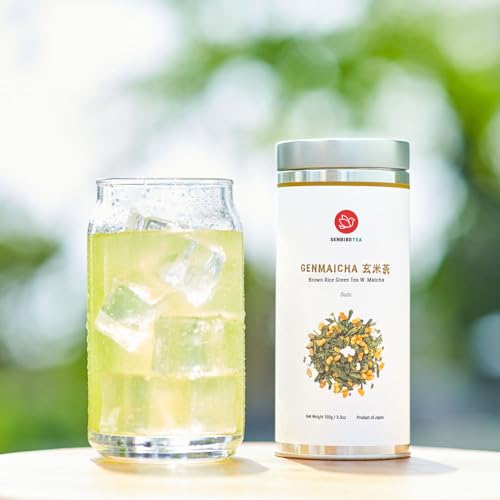
How do you make iced green tea with this genmaicha?
You can either cold brew it overnight for the smoothest result, or brew it hot and pour over ice. For the hot-to-iced method, brew a concentrated batch using double the normal amount of tea leaves with 175°F water for about 2 minutes, then pour directly over a full glass of ice. The toasted rice and matcha flavors hold up really well iced — you get a refreshing, nutty drink that's naturally good without sweetener.
What happens if I drink a cup of Senbird green tea every day?
Many Senbird Genmaicha customers use it as part of their daily routine — morning, afternoon, or even evening since it's relatively low in caffeine. Reviewers confirm it's a good source of antioxidants from both the green tea and matcha components. As a daily tea, genmaicha is a solid choice because it's mellow and easy on the stomach compared to stronger green teas. Just keep in mind that individual health effects vary, so consult your doctor if you have specific concerns.
Is it beneficial to drink green tea daily?
Many Senbird Genmaicha customers drink it daily as part of their routine — morning, afternoon, and even evening. Reviewers confirm it's a good source of antioxidants, and because it includes matcha powder, you're getting the benefit of consuming whole tea leaves rather than just a brewed infusion. The lower bitterness compared to plain green tea makes it easy to stick with daily without needing sweeteners, which is a health plus in itself.
What is the healthiest way to make green tea?
With loose leaf tea like Senbird's Genmaicha, you're already starting in a good place — loose leaf retains more of the beneficial compounds than tea bags. Brewing at the right temperature (under 180°F) preserves the antioxidants without extracting too many bitter tannins. The matcha component in this blend is a bonus since you're actually consuming the whole tea leaf powder, not just a brewed infusion. For maximum health benefits, drink it without sweeteners and don't overbrew.
What Customers Love
⚠️ Limited sample based on limited customer feedback (13 reviews) • Our methodology
- Nutty, toasted rice flavor is prominent and pleasant (11 mentions)
- High quality, fresh, authentic Japanese tea (6 mentions)
- Mellow, less bitter than plain green tea (4 mentions)
- Beautiful bright green/jade color when brewed (2 mentions)
- Can be brewed multiple times (2-3 infusions) with evolving flavor (2 mentions)
- Matcha addition enhances flavor and masks bitterness (2 mentions)
- Easy to prepare, forgiving brewing method (2 mentions)
Taste Profile
- nutty
- toasted
- mellow
- well-balanced
- earthy
- umami
- refreshing
- comforting
Best Use Cases
🎯 Best For
- Morning tea routine
- Afternoon enjoyment
- Evening/night tea (low caffeine)
- Serving to guests
- Daily routine
- Pairing with dinner or dessert
- Those who find plain green tea too bitter
What to Consider
- Can become very bitter if water is too hot (over 180°F) (1 mentions)
⚠️ Important: This analysis is based on limited customer feedback (13 reviews). We've shared what we found, but there may be additional considerations we haven't captured.
About This Analysis
This analysis is based on 13 customer reviews. We're showing you everything we found, but with a small sample, there's a lot we likely haven't captured yet.
✅ What we're confident about: What customers love and best use cases
⚠️ What may be incomplete: Potential issues and considerations
For more perspectives, check customer reviews on Amazon.
Product Selection
In short: We only feature high-rated products.
Products on TeaDelight.net are selected based on strong Amazon customer ratings, sufficient review volume, and market presence. We focus on well-regarded products that tea enthusiasts are actively considering and purchasing.
As an Amazon Associate we earn from qualifying purchases.
You Might Also Like

✅ Strong, delicious peach flavor
Stash Ginger Peach Green Tea with Matcha

✅ Light, clean taste
Teas' Tea Jasmine Green Tea Unsweetened

✅ High caffeine content / potent energy boost
Tekola Organic Gunpowder Green Tea

✅ Great taste and flavor