





We analyze real customer reviews to surface what matters: key strengths, ideal use cases, and honest considerations — so you can make an informed choice.
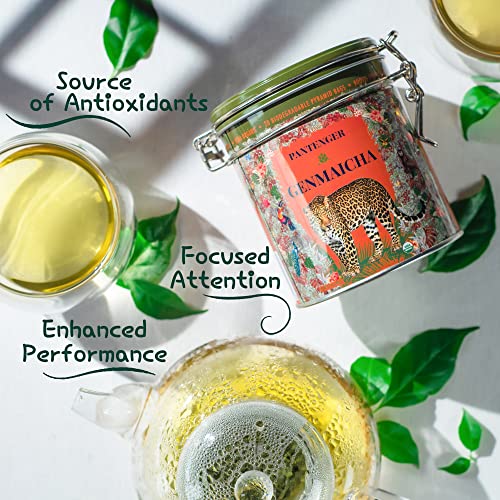
Pantenger Organic Genmaicha Japanese Green Tea
An organic Japanese genmaicha with a pronounced roasted rice character — savory, nutty, and refreshing when brewed at the right temperature.
🎯 Best for: Savory tea preference (non-sweet), Daily routine tea
🍃 Tastes like: roasted rice, toasted grain

What Stands Out
🍃 Flavor Profile
Strength: Moderate
Notes: roasted rice, toasted grain
✅ What Customers Love
- Strong roasted rice flavor and quality (4 mentions)
- Attractive airtight tin container (4 mentions)
- Refreshing taste when brewed properly (3 mentions)
🎯 Best For
Savory tea preference (non-sweet) • Daily routine tea • Replacing coffee • Restaurant-style genmaicha experience
Brand: Pantenger
Category: Green Tea
As an Amazon Associate we earn from qualifying purchases.
About This Green Tea
This genmaicha delivers toasted grain and roasted rice notes with a savory depth that makes it a natural coffee alternative for those stepping back from caffeine. Reviewers highlight the organic certification and the quality of its roasted character. Temperature control is essential — the leaves are sensitive to heat, and overly hot water will produce bitterness; with the right technique, the result is clean and refreshing. Best for experienced tea drinkers who enjoy savory, non-sweet cups and are comfortable brewing with care.
Is Pantenger Organic Genmaicha Japanese Green Tea Right for You?
Why does my Pantenger Genmaicha taste bitter?
Almost certainly your water is too hot. This is the single most common complaint in reviews — the tea is extremely sensitive to water temperature. If you're using boiling water (212°F/100°C), that's your problem. Drop to 170-180°F (77-82°C) and steep for just 1-2 minutes. The difference is dramatic. If you don't have a temperature-controlled kettle, boil your water and let it sit for 3-4 minutes before pouring. You should get a smooth, savory, refreshing cup instead of a bitter one.
How do you brew Pantenger Genmaicha properly?
This is probably the most important thing to know about this tea: water temperature matters a lot. Reviewers consistently warn that it becomes very bitter if you use water that's too hot. Aim for around 170-180°F (77-82°C) — well below boiling. Let your kettle cool for a few minutes after boiling, or use a temperature-controlled kettle if you have one. Steep for about 1-2 minutes on the first infusion. When brewed correctly, you'll get a refreshing, savory cup with lovely roasted rice notes. Rush it with boiling water and you'll wonder what went wrong.
What does Pantenger Genmaicha taste like?
When brewed properly, this tea has a moderate-strength flavor with prominent roasted rice and toasted grain notes. It's savory and nutty rather than sweet or floral — think warm, comforting, and refreshing at the same time. Some reviewers compare the experience to restaurant-style genmaicha. However, a few drinkers note that the roasted rice flavor is less intense than some competing brands, so if you want a very rice-forward genmaicha, this one leans more balanced between the sencha and the rice. And if you overbrew it, all bets are off — it turns bitter quickly.
Can Pantenger Genmaicha replace my morning coffee?
Many reviewers say yes. It's specifically called out as a coffee alternative that delivers a real pick-me-up energy boost. The savory, nutty flavor profile helps too — it's more satisfying than lighter, floral teas if you're used to the richness of coffee. You'll get less caffeine per cup, so the transition might mean drinking two cups where you'd have one coffee, but you avoid the crash and jitters. The trade-off is that you need to be more careful with brewing than just hitting the button on a coffee maker.
How does Pantenger Genmaicha compare to restaurant genmaicha?
Several reviewers specifically reach for the restaurant comparison — when brewed properly, this Pantenger blend delivers a restaurant-style genmaicha experience at home. The organic sencha and roasted brown rice combination hits that same savory, toasty profile you'd get at a Japanese restaurant. The key difference is that at a restaurant, someone skilled is brewing it for you at the right temperature. At home, you'll need to be precise with your water temp to match that quality. Get it right and you'll be impressed; get it wrong and you'll wonder what the fuss was about.
Who is Pantenger Genmaicha best for?
This tea is best suited for tea enthusiasts who enjoy the ritual of precise brewing — people who own a temperature-controlled kettle or don't mind being careful with water temp. It rewards proper technique with an excellent cup. It's also great for coffee drinkers looking for a savory, satisfying alternative, and for anyone who prefers non-sweet beverages. It's not ideal if you want a forgiving tea you can brew quickly without thinking, or if you expect a very mild, consistent cup regardless of technique.
As an Amazon Associate we earn from qualifying purchases.
Does the Pantenger Genmaicha tin keep the tea fresh?
Yes — the resealable tin is actually one of the most praised features of this product. Multiple reviewers specifically call out the attractive airtight container as a strong point. It's not just pretty packaging; it genuinely keeps the tea fresh, which matters for loose leaf tea that degrades when exposed to air, light, and moisture. The tin also makes it a nice gift since it looks premium on a shelf.
Does Pantenger Genmaicha leave sediment in the cup?
It can, yes. At least one reviewer noted significant residue and fine particles in their cup. This is somewhat common with loose leaf genmaicha because the roasted rice can fragment into small pieces. A fine-mesh infuser handles most of it, but if sediment bothers you, reviewers suggest using a coffee filter inside your strainer for a completely clean cup. It doesn't affect the taste — it's just an aesthetic preference.
Can you eat the rice from genmaicha after brewing?
You can, and apparently people do! Reviewers of this Pantenger blend specifically mention that the roasted rice kernels are enjoyable to eat after brewing. The puffed, toasted rice has a pleasant nutty crunch. It's a fun little bonus, especially if you're snacking while you sip. Not everyone will want to, but it's a neat quirk of genmaicha that you don't get with other tea types.
Is Pantenger Genmaicha good for gifting?
It makes a solid gift for tea lovers, mainly thanks to the packaging. The resealable tin is attractive and looks premium — multiple reviewers highlight it as a standout feature. The organic certification adds a nice touch for health-conscious recipients. Just know that the person receiving it will need to brew it carefully (170-180°F water, 1-2 minute steep) to get the best experience, so it's better suited as a gift for someone who already knows their way around loose leaf tea rather than a complete beginner.
What is Japanese genmaicha tea good for?
Genmaicha is a blend of green tea leaves and roasted brown rice, and it's particularly good as a daily comfort tea or coffee replacement. This Pantenger version delivers a savory, nutty flavor with toasted grain notes that many drinkers find satisfying as a pick-me-up without the jitters of coffee. The roasted rice gives it a naturally savory quality that works well if you prefer non-sweet beverages. It's also a nice introduction to Japanese green teas since the rice mellows out the grassiness you get with straight sencha.
Is green tea very high in caffeine?
Green tea has moderate caffeine — typically 25-50mg per cup compared to coffee's 95-200mg. Genmaicha like this Pantenger blend tends to be on the lower end of that range because the roasted brown rice displaces some of the tea leaves, diluting the caffeine content. Reviewers describe it as providing a pick-me-up energy boost without the intensity of coffee, which lines up with that moderate caffeine level. It's enough to notice but unlikely to cause jitters.
As an Amazon Associate we earn from qualifying purchases.
How to brew green tea cold?
Cold brewing is actually a great option for this Pantenger Genmaicha, especially if you're worried about the temperature sensitivity that reviewers mention. Add about 1-2 tablespoons of loose leaf to a pitcher with cold water, refrigerate for 6-8 hours or overnight, and strain. Cold brewing naturally avoids the bitterness problem entirely since you never heat the water. You'll get a smooth, subtly nutty and refreshing drink that's perfect for warmer weather.
Is genmaicha as good as green tea?
Genmaicha is green tea — it's sencha leaves blended with roasted brown rice. You still get the antioxidants and health properties of green tea, just with a different flavor profile. The rice adds a toasty, savory dimension that pure green tea doesn't have. Some people actually prefer genmaicha because the rice mellows the bitterness that can come with straight green tea. This Pantenger version uses organic sencha leaves, so you're getting quality green tea as the base.
How to brew green tea leaves like this Pantenger Genmaicha?
Use about 1 tablespoon of loose leaf per 8 oz cup. Heat your water to 170-180°F — this is critical with this particular tea, as it turns bitter fast with hotter water. Pour the water over the leaves in a teapot or infuser and steep for 1-2 minutes. You can get 2-3 infusions from the same leaves, increasing steep time slightly each round. One reviewer tip: the leaves do produce some fine sediment, so a fine-mesh infuser works better than a coarse one. And here's a fun bonus — the roasted rice kernels are actually enjoyable to snack on after brewing.
What are common mistakes when brewing green tea?
The number one mistake — and reviewers of this Pantenger Genmaicha confirm it emphatically — is using water that's too hot. Boiling water will make this tea extremely bitter. You want 170-180°F, not 212°F. The second common mistake is over-steeping; keep it to 1-2 minutes, especially on your first brew. One other thing specific to this tea: it does leave some fine particles and residue in your cup, so using a fine-mesh strainer or even a coffee filter inside your tea strainer can give you a cleaner cup.
What is the healthiest way to make green tea?
For this Pantenger Genmaicha, the healthiest approach is also the tastiest one: use water around 170-180°F and steep for 1-2 minutes. Lower temperatures actually preserve more of the beneficial catechins and antioxidants while avoiding the bitter compounds that get extracted at higher temperatures. Since this is organic loose leaf tea, you're avoiding the microplastics and bleaching agents that can come with some tea bags. Drink it plain without sweetener to keep it as clean as possible.
How to brew green tea for iced tea?
You have two approaches with this Pantenger Genmaicha. The quick method: brew it hot at 170-180°F using double the normal amount of leaves (2 tablespoons per 8 oz), steep for 1-2 minutes, then pour over a full glass of ice. The concentrate dilutes as the ice melts. The better method for this particular tea: cold brew it overnight in the fridge — this completely sidesteps the bitterness issue that plagues hot brewing if the temperature is off. Either way, the toasted rice flavor comes through nicely iced.
As an Amazon Associate we earn from qualifying purchases.
Is the caffeine in green tea enough to keep you awake?
It depends on your sensitivity, but this Pantenger Genmaicha provides a gentler lift than coffee. Reviewers specifically mention it as a coffee alternative that gives a pick-me-up energy boost. The caffeine is real — you'll feel more alert — but genmaicha has less caffeine than pure green tea since the roasted rice takes up space that would otherwise be tea leaves. Most people find it energizing without being wired. If you're very caffeine-sensitive, you might want to avoid it in the evening.
Is green tea a stimulant or depressant?
Green tea is a mild stimulant thanks to its caffeine content, but it works differently than coffee. Green tea also contains L-theanine, an amino acid that promotes calm focus, so you get alertness without the anxious edge. This Pantenger Genmaicha is on the gentler end — the roasted brown rice dilutes the caffeine, and reviewers describe the effect as a 'pick-me-up' rather than a jolt. It's stimulating enough to replace coffee for many people, but mellow enough for daily all-day drinking.
Is it beneficial to drink green tea daily?
Yes, and genmaicha is one of the best green teas for a daily habit. The moderate caffeine, antioxidant content, and savory flavor make it easy to enjoy cup after cup. This Pantenger version is organic, which means fewer pesticide concerns for something you're consuming daily. Reviewers who use it as their daily tea seem happy with it — the main caveat is that you need to be consistent with your water temperature to avoid bitterness. Once you've got the routine down, it's an excellent everyday tea.
Is it okay to drink genmaicha every day?
Absolutely — genmaicha is one of the most approachable green teas for daily drinking. The roasted brown rice dilutes the caffeine content compared to pure sencha, so you get a gentler energy lift. Reviewers of this Pantenger blend specifically mention using it as their daily routine tea and as a coffee alternative. The one thing to be mindful of is getting your water temperature right each time, since this tea is quite sensitive to overheating — but once you nail your routine, it's a great everyday cup.
What happens when you drink green tea every day?
Regular green tea consumption is associated with better antioxidant levels, improved metabolism, and steady gentle energy. With this Pantenger Genmaicha specifically, daily drinkers in the reviews appreciate it as a coffee replacement — you get a reliable pick-me-up without the crash. The organic certification is a plus for daily consumption since you're minimizing pesticide exposure over time. Practically speaking, the biggest change most people notice is steadier energy throughout the day and potentially less reliance on coffee.
What are the 5 benefits of green tea?
For this Pantenger Genmaicha specifically: (1) It's an effective coffee alternative — reviewers confirm it provides a real energy boost without the jitters. (2) It's organic, meaning fewer chemical residues in your daily cup. (3) Green tea antioxidants (catechins, EGCG) support overall health. (4) The savory roasted rice flavor satisfies without adding sugar or sweeteners. (5) It's versatile — works hot, iced, or cold-brewed, and you can even eat the roasted rice kernels after steeping. The general green tea benefits (metabolism, heart health, skin) apply here too.
As an Amazon Associate we earn from qualifying purchases.
What are the side effects of drinking green tea?
For most people, green tea is very well tolerated. The main things to watch for are caffeine-related effects if you're sensitive (mild insomnia, restlessness) or stomach upset if you drink it on an empty stomach. Genmaicha is actually one of the gentler options — the roasted rice makes it easier on the stomach than pure green tea. With this Pantenger blend specifically, the biggest 'side effect' reviewers mention is bitterness if you brew it wrong, which isn't a health concern, just a taste one. Stick to 170-180°F water and you'll be fine.
What Customers Love
⚠️ Limited sample based on limited customer feedback (9 reviews) • Our methodology
- Strong roasted rice flavor and quality (4 mentions)
- Attractive airtight tin container (4 mentions)
- Refreshing taste when brewed properly (3 mentions)
- Organic certification (2 mentions)
Taste Profile
- refreshing
- savory
- nutty
- non-bitter when brewed correctly
Best Use Cases
🎯 Best For
- Savory tea preference (non-sweet)
- Daily routine tea
- Replacing coffee
- Restaurant-style genmaicha experience
⚠️ Not Ideal For
- Rushed brewing without temperature control
- Those wanting consistent mild flavor regardless of technique
What to Consider
- Extremely sensitive to water temperature - becomes very bitter easily (3 mentions)
- Leaves significant residue and fine particles in cup (1 mentions)
- Less roasted rice flavor than some competing brands (2 mentions)
- High price point (1 mentions)
⚠️ Important: This analysis is based on limited customer feedback (9 reviews). We've shared what we found, but there may be additional considerations we haven't captured.
About This Analysis
This analysis is based on 9 customer reviews. We're showing you everything we found, but with a small sample, there's a lot we likely haven't captured yet.
✅ What we're confident about: What customers love and best use cases
⚠️ What may be incomplete: Potential issues and considerations
For more perspectives, check customer reviews on Amazon.
Product Selection
In short: We only feature high-rated products.
Products on TeaDelight.net are selected based on strong Amazon customer ratings, sufficient review volume, and market presence. We focus on well-regarded products that tea enthusiasts are actively considering and purchasing.
As an Amazon Associate we earn from qualifying purchases.
You Might Also Like

✅ Strong, delicious peach flavor
Stash Ginger Peach Green Tea with Matcha

✅ High caffeine content / potent energy boost
Tekola Organic Gunpowder Green Tea

✅ Light, mild, smooth flavor without bitterness
Otsuka Green Tea Co Gyokuro Imperial Loose Leaf

✅ Good taste with no bitterness