


We analyze real customer reviews to surface what matters: key strengths, ideal use cases, and honest considerations — so you can make an informed choice.
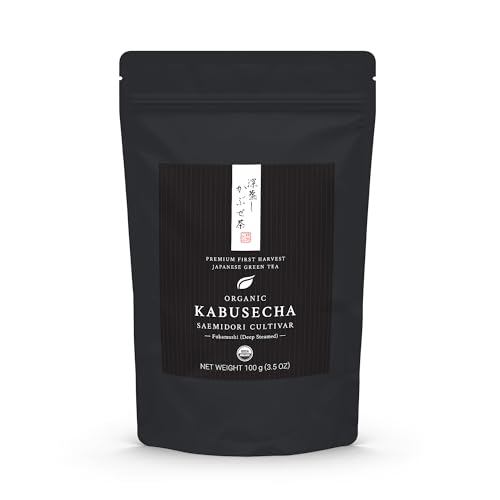
Matcha Konomi Organic Japanese Kabusecha Green Tea
A shade-grown kabusecha with deep oceanic umami, floral sweetness, and a velvety smooth finish — brews without bitterness even when steeped beyond the recommended time.
🎯 Best for: Early afternoon tea, Morning ritual or meditation
🍃 Tastes like: floral, oceanic, egg-like umami

What Stands Out
🍃 Flavor Profile
Strength: Moderate
Notes: floral, oceanic, egg-like umami
✅ What Customers Love
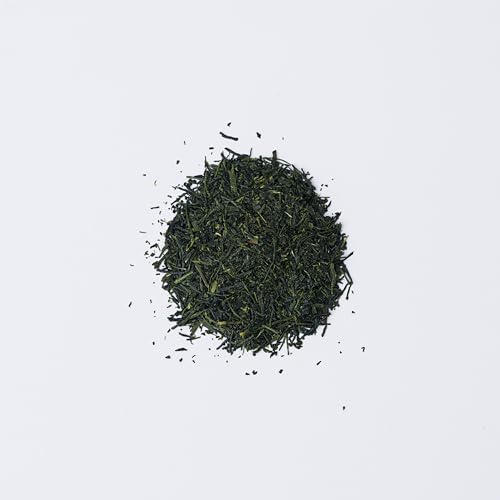
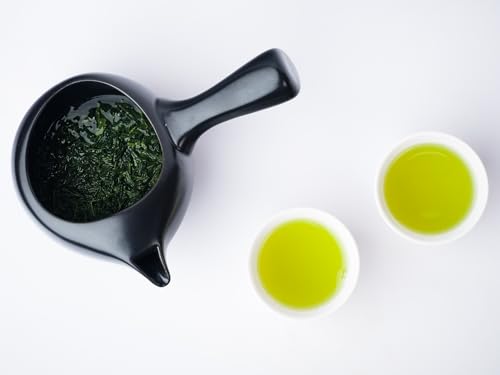
- Fresh, vibrant green color of leaves and brewed tea (15 mentions)
- High quality, premium leaves (12 mentions)
- Strong umami and savory notes (10 mentions)
🎯 Best For
Early afternoon tea • Morning ritual or meditation • Daily enjoyment • Calming and centering moments
Brand: Matcha Konomi
Category: Green Tea
As an Amazon Associate we earn from qualifying purchases.
About This Green Tea
Kabusecha is shade-grown to build umami depth without the full intensity of gyokuro, and the Fukamushi deep-steam process yields vivid green leaves that brew smooth and savory — with egg-like umami, lemongrass, and a hint of sage. The single-cultivar Saemidori rewards precise brewing at 152–155°F and gives multiple infusions per serving. The very fine leaf particles can slip through standard strainers, so a fine-mesh filter is worth keeping handy. A natural fit for morning ritual drinkers, meditation tea sessions, and Japanese green tea enthusiasts who value layered umami over bright or grassy profiles.
Is Matcha Konomi Organic Japanese Kabusecha Green Tea Right for You?
What does this kabusecha taste like?
This is not your typical grassy green tea. Reviewers describe a rich, layered umami flavor with notes of ocean, egg-like savoriness, lemongrass, sage, and a spinach-like vegetal quality. There's a natural sweetness and buttery smoothness that makes it feel almost velvety in the mouth. The deep steaming (fukamushi process) gives it more body than regular sencha. Multiple reviewers specifically call out the absence of bitterness, which is unusual for a green tea this flavorful. If you've only had light, grassy green teas before, the umami depth here might surprise you — in a good way.
What is Matcha Konomi kabusecha?
Matcha Konomi's kabusecha is a shade-grown Japanese green tea made from the prized Saemidori cultivar, harvested during the first flush. 'Kabusecha' means the tea plants are covered with shade cloths before harvest, which boosts chlorophyll and amino acids in the leaves. This particular version is also fukamushi (deep steamed), which gives it a richer, smoother body than standard sencha. Reviewers consistently praise its vibrant green color and strong umami character — it's a step up from everyday sencha without jumping all the way to gyokuro pricing.
What's the difference between kabusecha and regular sencha?
The key difference is shade. Regular sencha grows in full sun, while kabusecha is covered with shade cloths for 1–2 weeks before harvest. This shade period forces the plant to produce more chlorophyll and L-theanine (the calming amino acid), which gives kabusecha its deeper green color, stronger umami flavor, and smoother texture. This particular kabusecha is also fukamushi (deep steamed), adding even more body. Think of it as sitting between sencha and gyokuro on the spectrum — more complex and umami-rich than sencha, but more accessible and less expensive than top-shelf gyokuro.
What is the Saemidori cultivar and why does it matter?
Saemidori is a premium Japanese tea cultivar known for its exceptional sweetness and rich umami character. It was developed by crossing Yabukita (the most common Japanese tea cultivar) with Asatsuyu, inheriting the best qualities of both. For this kabusecha, the Saemidori cultivar contributes to the smooth, velvety mouthfeel and complex flavor profile that reviewers rave about. Single-cultivar teas are like single-origin coffee — they let you taste the specific character of one plant variety rather than a blend, which is why tea enthusiasts seek them out.
What does fukamushi (deep steamed) mean for this tea?
Fukamushi means the tea leaves are steamed for longer than standard sencha during processing — typically 60–120 seconds versus the usual 30–60. This extra steaming breaks down the leaf cell structure more, resulting in a richer, more full-bodied brew with deeper color and smoother taste. The trade-off is that the leaves become more fragile and break into finer particles, which is why some reviewers note that very fine leaf particles pass through standard strainers. A fine-mesh filter or Japanese kyusu teapot solves this. The payoff is that velvety, smooth texture and vibrant green color reviewers love.
How do you brew this kabusecha properly?
Temperature is key — reviewers and the included instructions recommend 152–155°F (67–68°C), which is lower than most people expect for green tea. Use about a teaspoon of leaves per cup, steep for 60–90 seconds on the first infusion, and you'll get that signature smooth, umami-rich flavor with no bitterness. The great news is this tea is quite forgiving: multiple reviewers note it stays smooth even when oversteeped beyond the recommended time. And don't toss those leaves after one cup — you can get multiple infusions from a single serving, which also helps stretch the value.
As an Amazon Associate we earn from qualifying purchases.
Is this tea too strong or savory for green tea beginners?
It depends on your palate. The umami and savory character is more pronounced than typical green teas — a few reviewers note the strong umami flavor may be unfamiliar or overpowering if you're used to lighter teas. That said, the tea is surprisingly forgiving for beginners: it stays smooth even when oversteeped, comes with clear brewing instructions, and doesn't turn bitter easily. If you're transitioning from matcha, you'll find the flavor profile familiar and approachable. If your only reference is Lipton, you might want to start with a standard sencha first and work your way up to this.
How does this compare to matcha?
If you enjoy matcha's umami richness but don't always want to deal with whisking powder, this kabusecha delivers a similar flavor profile in a much simpler format — just steep and pour. Reviewers who are transitioning from matcha find it very approachable. The shade-growing process is similar (though shorter than for matcha), giving you that deep green color and umami character. The main difference is that with loose leaf you get a clearer, lighter-bodied cup versus matcha's thick, frothy texture. You also get the joy of multiple infusions, each one a little different — something you can't do with matcha.
What does first harvest mean and why is it important?
First harvest (also called 'shincha' or 'ichibancha') refers to the very first picking of tea leaves in spring, usually in April or May. These leaves have been storing nutrients all winter, which means they're richer in amino acids, sweeter, and more complex in flavor than later harvests. For this kabusecha, the first harvest designation contributes to the strong umami, natural sweetness, and vibrant green color that reviewers consistently highlight. Later harvests tend to be more astringent and less nuanced. It's the tea equivalent of 'first press' olive oil — the premium pick.
How many cups can you get from the 100g bag?
Using roughly 3–4 grams per serving (about a teaspoon), you'll get around 25–33 first infusions from the bag. But here's where it gets interesting: reviewers confirm you can get multiple infusions from a single serving of leaves, typically 2–3 good steeps. That effectively doubles or triples your cup count to potentially 50–100 cups. Each infusion will taste slightly different as different compounds extract, which is part of the fun of quality loose leaf tea. The potency of the leaves means a little goes a long way.
Do I need a special teapot to brew this tea?
You don't strictly need one, but it helps. Because this is a fukamushi (deep steamed) tea, the leaves break into very fine particles that can slip through standard tea infuser baskets. Reviewers mention this as a minor inconvenience. A Japanese kyusu teapot with a built-in fine mesh filter is ideal, or you can use a paper filter or fine-mesh strainer. If you already have a regular infuser, try it first — some leaf matter in the cup is actually normal for fukamushi tea and doesn't affect the taste. Many Japanese tea drinkers consider those fine particles part of the charm.
How do you brew this green tea cold?
Cold brewing works beautifully with this kabusecha. Add about 1–2 teaspoons of leaves to a glass or pitcher of cold water, refrigerate for 3–6 hours (or overnight), and strain. Reviewers specifically mention it works well cold-brewed with ice. Cold brewing brings out the tea's natural sweetness and mellows the umami, making it even more approachable if you're new to savory green teas. The result is a refreshing, smooth cup that's perfect for warm afternoons. Just note that those fine fukamushi leaf particles may need a finer strainer than usual.
As an Amazon Associate we earn from qualifying purchases.
How do you make iced green tea with loose leaves?
Two great methods work with this kabusecha. For quick iced tea, brew a concentrated cup using double the usual leaf amount at 152–155°F for 90 seconds, then pour directly over a full glass of ice. For a smoother result, cold brew it overnight in the fridge — reviewers specifically note this tea works well cold-brewed. The cold method brings out more sweetness and softens the umami notes, making it incredibly refreshing. Either way, you get that gorgeous vibrant green color that this tea is known for.
What are common mistakes when brewing green tea?
The biggest mistake is using boiling water — that's what makes green tea bitter and astringent. This kabusecha brews best at 152–155°F, well below boiling. If you don't have a thermometer, boil your water and let it cool for about 5 minutes. The second common mistake is oversteeping, though this particular tea is more forgiving than most — reviewers say it stays smooth even past the recommended time. One thing specific to this fukamushi (deep steamed) tea: the leaves are very fine, so standard mesh strainers may let particles through. A fine-mesh Japanese kyusu teapot or a paper filter works better.
Is this tea really organic?
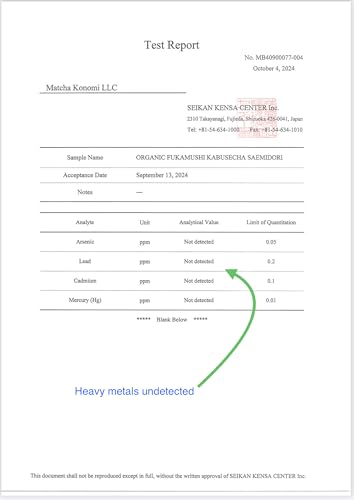
Yes — it carries USDA Certified Organic certification, and Matcha Konomi also has their teas lab-tested. Reviewers mention the organic certification as a positive, and it's one of the things that appeals to quality-focused buyers. For Japanese green tea specifically, organic certification matters because conventional tea farming in Japan can involve pesticides, and since you're drinking the infused liquid (or in matcha's case, the whole leaf), knowing the leaves are clean gives peace of mind.
When is the best time of day to drink this tea?
Reviewers suggest it's best for morning rituals or early afternoon tea sessions. The combination of moderate caffeine and calming L-theanine makes it ideal for times when you want focused calm — meditation, creative work, or just a mindful break. Several people specifically use it as part of a morning routine. Because it does contain caffeine (slightly more than average green tea due to the shade-growing), you might want to avoid it in the late evening if you're caffeine-sensitive. Hot or cold, it works well at any of these times.
Does kabusecha tea have caffeine?
Yes, kabusecha does contain caffeine — shade-growing actually tends to increase caffeine levels compared to fully sun-grown sencha. That said, reviewers describe the effect as a slight energy boost that's more calming and centering than jittery, likely because of the high L-theanine content balancing out the caffeine. It's not going to replace a double espresso if you need a strong caffeine hit, but it's a pleasant, sustained alertness. If you're sensitive to caffeine, you might want to enjoy it earlier in the day — reviewers suggest it's great for early afternoon or morning rituals.
What are the benefits of drinking green tea?
For this kabusecha specifically, reviewers highlight several tangible benefits: a calming and centering effect that supports meditation and focus, a gentle energy boost without jitters, and a refreshing quality that works both hot and cold. Beyond the experiential benefits, shade-grown Japanese green teas are rich in L-theanine (for calm focus), catechins (antioxidants), and chlorophyll. The USDA organic certification and lab testing give extra peace of mind about what you're consuming. And practically, the multiple infusion potential means you get sustained benefits throughout a single tea session.
As an Amazon Associate we earn from qualifying purchases.
Is green tea a stimulant or depressant?
Technically green tea contains caffeine, which is a stimulant, but the experience with this kabusecha is more nuanced than that label suggests. Reviewers describe it as both refreshing and relaxing at the same time — a calm alertness rather than a buzz. That's the L-theanine at work, an amino acid that's especially concentrated in shade-grown teas like this one. It promotes alpha brain waves associated with relaxed focus. So it's stimulating enough to support your morning ritual or afternoon productivity, but calming enough that people use it for meditation practice.
Is Japanese sencha green tea good for you?
Japanese sencha is one of the most widely consumed green teas in the world, and this kabusecha takes it a notch further — shade-growing increases the L-theanine content, which is the amino acid associated with calm focus. Reviewers of this tea specifically mention a calming, centering effect paired with a gentle energy boost, making it a nice alternative to coffee. It's also USDA certified organic and lab-tested, which matters if you're particular about what you're putting in your cup. Several customers use it as part of a daily morning ritual or meditation practice.
How do you brew loose leaf green tea?
For this kabusecha specifically: use about a teaspoon of leaves per 6–8 oz of water heated to 152–155°F. Steep for 60–90 seconds on the first infusion. A Japanese kyusu teapot is ideal since its built-in fine mesh filter handles the delicate fukamushi leaves well. If you're using a regular infuser basket, look for one with very fine mesh — the deep-steamed leaves break into small particles that can slip through standard strainers. The leaves come with clear brewing instructions, which reviewers appreciate, especially if you're new to loose leaf tea.
What is the healthiest way to make green tea?
For maximum health benefits, brew with water around 152–155°F and don't add milk — dairy proteins can bind to some of the beneficial catechins. This kabusecha is naturally smooth and sweet enough that you shouldn't need any sweetener either. Drinking the later infusions is also worthwhile since different compounds extract at different rates. Some reviewers also enjoy this tea cold-brewed with ice, which produces a sweeter, mellower cup and actually extracts more L-theanine relative to caffeine — great if you want the calming benefits without the stimulation.
What brand of green tea is the best?
There's no single best brand — it depends on your taste preferences and budget. But if you're looking for a premium, single-cultivar Japanese green tea, Matcha Konomi's kabusecha consistently earns praise from reviewers. The Saemidori cultivar is known for its sweetness and umami depth, and this first-harvest version delivers on that. Reviewers call the leaves high quality and premium, and the flavor profile — smooth, umami-rich, no bitterness — reflects careful sourcing. It's more of a specialty purchase than an everyday supermarket tea, but for quality-focused drinkers, it punches well above its weight.
Which brand of matcha green tea is best?
It depends on what you're after. Matcha Konomi specializes in premium Japanese green teas, and while this particular product isn't matcha — it's a kabusecha loose leaf — the brand is well-regarded for quality sourcing. Reviewers highlight the high quality of the leaves, the organic and lab-tested certification, and the complex flavor profile. If you're looking for a loose leaf green tea with matcha-like richness (deep umami, vivid green color) but prefer brewing whole leaves, this is a strong option from a brand that clearly knows Japanese tea.
As an Amazon Associate we earn from qualifying purchases.
What are the side effects of drinking green tea?
For most people, green tea is very well tolerated. The main consideration is caffeine sensitivity — if you're affected by caffeine, drinking this later in the day could interfere with sleep. One reviewer of this specific tea noted a dry, bitter aftertaste, though this was a single mention against many more praising its smoothness. On an empty stomach, the tannins in any green tea can sometimes cause mild nausea, so pairing it with a light snack can help. Overall, at normal consumption levels (2–3 cups a day), side effects are rare.
Is green tea very high in caffeine?
Green tea generally has moderate caffeine — roughly 25–50mg per cup compared to coffee's 95–200mg. This kabusecha likely sits on the higher end of that range because shade-growing concentrates caffeine in the leaves. But the experience is quite different from coffee. Reviewers consistently describe a gentle energy boost that's calming rather than stimulating, thanks to the L-theanine working alongside the caffeine. It's enough to keep you alert and focused without the jitters or crash that coffee can bring.
Is the caffeine in green tea enough to keep you awake?
It can provide a noticeable alertness boost, but it's gentler than coffee. Reviewers of this kabusecha describe a slight energy boost that pairs with a calming, centering effect — so you're alert but not wired. The L-theanine in shade-grown teas like this one modulates how you experience the caffeine, smoothing out the stimulation. It's a good choice for a morning pick-me-up or early afternoon focus session. If you're caffeine-sensitive, you might want to avoid it in the evening, but most people find it won't keep them up the way coffee does.
What happens if I drink green tea every day?
Many reviewers of this kabusecha drink it daily and describe benefits like feeling more calm and centered, getting a gentle energy boost without jitteriness, and having a refreshing yet relaxing ritual to anchor their morning or afternoon. Green tea in general is rich in antioxidants and has been studied extensively for various health benefits. The key with this particular tea is the high L-theanine from shade-growing, which promotes that calm-focus state that makes daily drinking feel less like a caffeine habit and more like a wellness practice.
Is it beneficial to drink green tea daily?
Many reviewers of this kabusecha drink it as part of a daily routine and report positive effects — calming and centering moments, gentle energy, and an overall sense of well-being. Green tea's antioxidant profile is well-documented, and the shade-growing process in this tea increases beneficial compounds like L-theanine. Practically speaking, at roughly 50 cents per cup (and even less when you factor in multiple infusions from a single serving), daily enjoyment is quite sustainable. Several reviewers specifically mention it as their go-to daily tea.
What Makes This Product Special
⚠️ Preliminary analysis based on 22-review sample • Our methodology
- Fresh, vibrant green color of leaves and brewed tea (15 mentions)
- High quality, premium leaves (12 mentions)
- Strong umami and savory notes (10 mentions)
- Pleasant, fresh aroma (9 mentions)
- No bitterness or very minimal bitterness (8 mentions)
- Smooth, velvety texture (6 mentions)
- Multiple infusions possible from single serving (5 mentions)
- Organic certification and lab testing (3 mentions)
Taste Profile
- smooth
- mellow
- umami-rich
- sweet
- balanced
- savory
- grassy
- earthy
- crisp
- velvety
- buttery
Best Use Cases
🎯 Best For
- Early afternoon tea
- Morning ritual or meditation
- Daily enjoyment
- Calming and centering moments
- Hot or cold brewing
- Japanese tea experience
⚠️ Not Ideal For
- Users unfamiliar with savory/umami green tea
- Those wanting strong caffeine boost
What to Consider
- Very fine leaf particles pass through standard strainers (3 mentions)
- Price considered high by some (4 mentions)
- Strong umami/savory flavor may be unfamiliar or overpowering to some (3 mentions)
- Dry, bitter aftertaste noted by one reviewer (1 mentions)
⚠️ based on 22-review sample. Some issues may not be captured.
About This Analysis
This analysis is based on 22 customer reviews. We're showing you everything we found, but with a moderate sample, there's a lot we likely haven't captured yet.
✅ What we're confident about: What customers love and best use cases
⚠️ What may be incomplete: Potential issues and considerations
For more perspectives, check customer reviews on Amazon.
Product Selection
In short: We only feature high-rated products.
Products on TeaDelight.net are selected based on strong Amazon customer ratings, sufficient review volume, and market presence. We focus on well-regarded products that tea enthusiasts are actively considering and purchasing.
As an Amazon Associate we earn from qualifying purchases.
You Might Also Like

✅ Strong, delicious peach flavor
Stash Ginger Peach Green Tea with Matcha

✅ Light, clean taste
Teas' Tea Jasmine Green Tea Unsweetened

✅ Good taste/flavor quality
Lipton Green Tea with Jasmine

✅ High caffeine content / potent energy boost