
Available Alternatives

✅ Strong, delicious peach flavor
Stash Ginger Peach Green Tea with Matcha

✅ Light, clean taste
Teas' Tea Jasmine Green Tea Unsweetened

✅ High caffeine content / potent energy boost
Tekola Organic Gunpowder Green Tea

✅ Good taste/flavor quality
Lipton Green Tea with Jasmine



We analyze real customer reviews to surface what matters: key strengths, ideal use cases, and honest considerations — so you can make an informed choice.
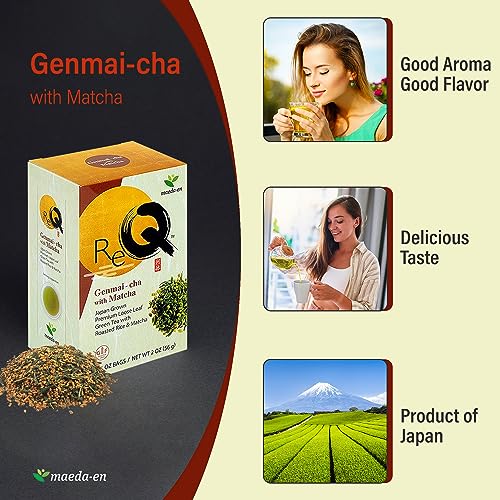
MAEDA-EN Genmaicha with Matcha Loose Leaf Green Tea
A delicate genmaicha where toasted rice and matcha meet in a smooth, balanced cup — less roasty than most, with subtle vegetal sweetness and a pleasant lingering aroma.
🎯 Best for: After heavy meals with sweet desserts (bitterness counters sugar/grease), Everyday enjoyment
🍃 Tastes like: roasted rice, mild sweetness, bitter notes
What Stands Out
🍃 Flavor Profile
Strength: Delicate
Notes: roasted rice, mild sweetness, bitter notes
✅ What Customers Love
- Well-balanced flavor profile (4 mentions)
- Pleasant, wonderful aroma (4 mentions)
- Complex flavors with nuances (3 mentions)
🎯 Best For
After heavy meals with sweet desserts (bitterness counters sugar/grease) • Everyday enjoyment • Hot or iced tea preparation • Those preferring subtle teas
Brand: MAEDA-EN
Category: Green Tea

As an Amazon Associate we earn from qualifying purchases.
About This Green Tea
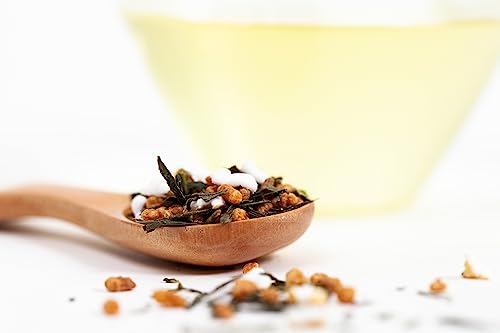
This loose leaf blend pairs Japanese green tea with toasted brown rice and a touch of matcha, producing a light, layered cup with roasted grain warmth and mild vegetal sweetness. The roast is noticeably gentler than many genmaicha blends, allowing matcha's grassy character to come through without overpowering the base. Reviewers highlight the aroma and the way complex flavors emerge without bitterness dominating — it holds up well brewed hot or iced. The mild bitterness makes it a natural companion after rich or sweet meals. An infuser is required, and those seeking a bold, assertive green tea will likely find it too subtle — it's best suited to drinkers who appreciate quiet complexity over punch.
Is MAEDA-EN Genmaicha with Matcha Loose Leaf Green Tea Right for You?
What does this Maeda-en Genmaicha with Matcha taste like?
Expect a delicate, well-balanced cup with toasty roasted rice as the dominant note, a mild natural sweetness, and subtle vegetal green tea undertones. Reviewers consistently praise the wonderful aroma and complex flavor nuances. It's notably not overly roasted compared to other Genmaicha teas on the market — the flavor is smooth and refined rather than bold. There are some gentle bitter notes that add depth, but they're well-integrated rather than sharp.
How does this compare to other Genmaicha teas?
What sets this Maeda-en blend apart is that it's notably not overly roasted compared to many other Genmaicha options. Where some brands lean heavily into a dark, toasty profile, this one keeps a more refined balance between the roasted rice, green tea, and matcha elements. Reviewers specifically call out the complex flavors with nuances that you don't always get in mass-market Genmaicha. It's also Gyokuro-grade, which is a step above what most competitors use.
What food pairs well with this Genmaicha?
This Maeda-en Genmaicha is specifically noted as excellent after heavy meals with sweet desserts — the subtle bitterness helps cut through richness and sugar. The roasted rice flavor also complements Japanese food naturally, especially sushi, rice dishes, and light appetizers. It works nicely alongside pastries and baked goods too, where the toasty notes echo the baked flavors. Think of it as a palate cleanser that also satisfies.
Is this Genmaicha good for green tea beginners?
It's actually an excellent choice for beginners. Reviewers note the forgiving flavor — it's not overly strong or grassy like some pure green teas can be. The roasted rice gives it a warm, approachable quality that most people find pleasant even if they're not used to green tea. It also pairs well with milk, sugar, or honey, so you can ease into it. The one beginner hurdle is that it's loose leaf, so you'll need an infuser or strainer.
Is this tea too subtle for someone who likes strong green tea?
It might be. Reviewers who prefer robust, bold green tea flavors find this blend too subtle and plain for their taste. The flavor profile is deliberately delicate and smooth — that's its strength, but it's also its limitation if you want something that punches you in the palate. If you're coming from strong sencha or gyokuro and want intensity, you may find this underwhelming. But if you enjoy nuanced, balanced flavors, it's excellent.
Can you add milk to this Genmaicha?
Yes, and reviewers actually mention it pairs well with milk and sugar. Adding a splash of milk softens the vegetal notes and enhances the roasted rice sweetness, creating something almost latte-like. It's not traditional, but it's a perfectly valid way to enjoy it — especially if you're newer to green tea or want a creamier cup. Try it with a touch of honey too for a warming, cozy drink.
As an Amazon Associate we earn from qualifying purchases.
How much tea does the 3-pack contain?
The 3-pack contains three 168-gram bags, giving you 504 grams of loose leaf tea total. Depending on how strong you brew it, you'll use roughly 2-3 grams per cup, which means you're looking at around 170-250 cups from the full set. That works out to a reasonable per-cup cost even at the higher price point, especially compared to buying individual specialty teas.
Do you need a tea infuser for this tea?
Yes — this is loose leaf tea, not tea bags, so you'll need some way to strain the leaves. A tea infuser basket, a teapot with a built-in strainer, or even a simple mesh strainer will work. Some reviewers note that needing an infuser is a minor inconvenience, but the trade-off is that loose leaf gives you much better flavor than pre-bagged tea. If you don't own an infuser, a basic one costs just a few dollars and is worth the investment.
How do you brew this green tea for iced tea?
This Maeda-en Genmaicha works really well iced — multiple reviewers specifically mention enjoying it cold. You have two options: brew it hot at double strength (use twice the leaf) and pour over ice, or cold-brew it by adding loose leaf to cold water and refrigerating for 6-8 hours. The cold-brew method brings out more of the smooth, sweet roasted rice notes and less of the bitterness. You'll need a strainer or infuser since it's loose leaf.
Is the caffeine in this green tea enough to keep you awake?
It can be, especially if you're caffeine-sensitive. This blend includes matcha on top of the green tea base, which adds a bit more caffeine than plain Genmaicha. The enrichment data specifically notes it's not ideal for late evening consumption because of the caffeine content. For most people, it's a nice gentle pick-me-up during the day — less intense than coffee but enough to help you focus.
What is matcha Genmaicha tea good for?
Matcha Genmaicha combines roasted rice with green tea and matcha powder, giving you the best of all three. This Maeda-en blend is especially good after heavy meals — the slight bitterness helps counter the richness of food and sweets. It also works well as an everyday tea since the flavor is smooth and forgiving rather than overpowering. Reviewers enjoy it both hot and iced, so it's genuinely versatile across seasons.
Is it okay to drink Genmaicha every day?
Absolutely — Genmaicha is one of the more approachable green teas for daily drinking. This Maeda-en blend has a delicate, balanced flavor that reviewers describe as smooth and not overly strong, which makes it easy to enjoy cup after cup without palate fatigue. The one thing to keep in mind is caffeine — like all green teas, it does contain some, so you might want to avoid it late in the evening if you're caffeine-sensitive.
As an Amazon Associate we earn from qualifying purchases.
Is Maeda-en matcha good quality?
Yes, Maeda-en is well-regarded for quality. This particular Genmaicha with Matcha blend uses Gyokuro-grade tea leaves, which is a premium classification in Japanese green tea. Reviewers consistently praise the fresh quality of the loose leaf and the well-balanced flavor profile — it's not the kind of matcha that tastes flat or stale. The tea is sourced from Japan, and drinkers note complex flavors with subtle nuances that indicate careful production.
What brand of green tea is the best?
There's no single 'best' — it depends on what you're looking for. Maeda-en is a well-respected Japanese tea brand, and this Genmaicha with Matcha uses Gyokuro-grade leaves sourced from Japan. Reviewers praise its fresh quality and complex flavor. If you're after a smooth, balanced, aromatic green tea rather than something bold or grassy, Maeda-en is a strong contender. For everyday supermarket tea, brands like Ito En also have a solid reputation.
How do you brew this Maeda-en Genmaicha properly?
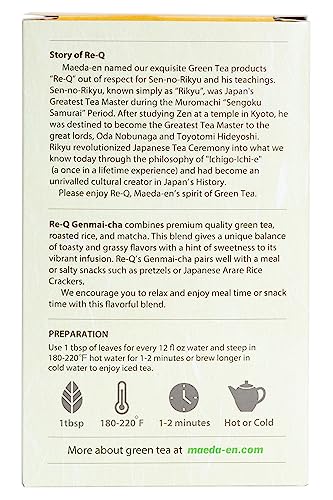
Since this is loose leaf tea, you'll need an infuser, strainer, or teapot with a built-in filter. Use water around 175°F (80°C) — not boiling, as that can make green tea bitter. Steep for about 2-3 minutes. Reviewers note this tea is forgiving, so even if you're not precise, you'll likely get a pleasant cup. It also works beautifully as iced tea — just brew it a bit stronger and pour over ice, or cold-brew it in the fridge overnight.
Is green tea very high in caffeine?
Green tea has moderate caffeine — typically 25-50mg per cup, compared to 95mg+ in coffee. This Maeda-en Genmaicha with Matcha may sit on the slightly higher end of that range since it includes matcha powder, which is the whole leaf ground up. It's enough to give you a gentle lift without the jitters most people get from coffee. That said, reviewers note it's not ideal for late evening drinking if you're sensitive to caffeine.
Is it beneficial to drink green tea daily?
Daily green tea consumption is widely associated with antioxidant benefits, improved metabolism, and general wellness. This Maeda-en Genmaicha is actually a great choice for everyday drinking — reviewers describe it as smooth, balanced, and not overly strong, which means it won't overwhelm your palate day after day. The roasted rice element adds a comforting, toasty quality that makes it feel like a daily ritual rather than a chore.
What happens if I drink green tea every day?
Most people experience positive effects — better focus from the caffeine and L-theanine combination, improved digestion, and a general sense of well-being. With this Maeda-en Genmaicha specifically, reviewers use it as an everyday tea and appreciate its forgiving, balanced nature. The roasted rice gives it a comforting quality that doesn't get old. Just be mindful of caffeine intake later in the day, since this blend does include matcha.
As an Amazon Associate we earn from qualifying purchases.
What are common mistakes when brewing green tea?
The biggest mistake is using boiling water — green tea leaves are more delicate than black tea and will turn bitter and astringent if you scorch them. Aim for 170-180°F (77-82°C). Over-steeping is another common issue; 2-3 minutes is the sweet spot for most green teas including this Genmaicha. The good news is that reviewers find this Maeda-en blend pretty forgiving, with a smooth, balanced profile even if your timing isn't perfect.
What is the healthiest way to make green tea?
For maximum benefit, brew your green tea with water below boiling (around 175°F) and steep for 2-3 minutes. Avoid adding excessive sugar, though this Maeda-en Genmaicha has natural mild sweetness from the roasted rice that makes it pleasant without sweeteners. Some drinkers do add a splash of milk and a touch of honey — reviewers mention it pairs well with additions — but drinking it plain preserves the most antioxidants.
What Customers Love
⚠️ Limited sample based on limited customer feedback (9 reviews) • Our methodology
- Well-balanced flavor profile (4 mentions)
- Pleasant, wonderful aroma (4 mentions)
- Complex flavors with nuances (3 mentions)
- Versatile - works hot or iced (3 mentions)
- Not overly roasted (compared to other genmaicha) (2 mentions)
- Fresh quality loose leaf (2 mentions)
- Pairs well with milk and sugar (1 mentions)
Taste Profile
- smooth
- balanced
- delicate
- subtle
- complex
- vegetal
Best Use Cases
🎯 Best For
- After heavy meals with sweet desserts (bitterness counters sugar/grease)
- Everyday enjoyment
- Hot or iced tea preparation
- Those preferring subtle teas
⚠️ Not Ideal For
- Late evening consumption (contains caffeine)
- Those seeking strong, robust green tea flavor
What to Consider
- Expensive/high price point ($22 for 56-168g) (3 mentions)
- Too subtle/plain for those seeking robust green tea (2 mentions)
- Requires infuser (not in tea bags) (1 mentions)
⚠️ Important: This analysis is based on limited customer feedback (9 reviews). We've shared what we found, but there may be additional considerations we haven't captured.
About This Analysis
This analysis is based on 9 customer reviews. We're showing you everything we found, but with a small sample, there's a lot we likely haven't captured yet.
✅ What we're confident about: What customers love and best use cases
⚠️ What may be incomplete: Potential issues and considerations
For more perspectives, check customer reviews on Amazon.
Product Selection
In short: We only feature high-rated products.
Products on TeaDelight.net are selected based on strong Amazon customer ratings, sufficient review volume, and market presence. We focus on well-regarded products that tea enthusiasts are actively considering and purchasing.
As an Amazon Associate we earn from qualifying purchases.