



We analyze real customer reviews to surface what matters: key strengths, ideal use cases, and honest considerations — so you can make an informed choice.
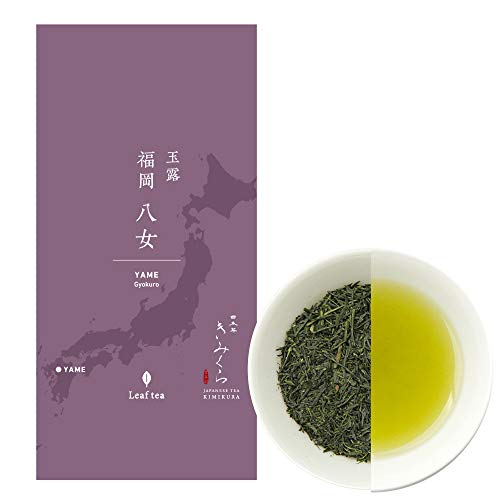
KIMIKURA Premium Gyokuro Green Tea from Yame
A shade-grown Yame gyokuro with deep umami character and tranquil mental clarity — the defining qualities of Japan's most prized green tea style.
🎯 Best for: Pre-meditation ritual, Cognitive work requiring focus
🍃 Tastes like: smoky, umami, vegetal

What Stands Out
🍃 Flavor Profile
Strength: Delicate
Notes: smoky, umami, vegetal
✅ What Customers Love
- Strong umami flavor characteristic of quality gyokuro (3 mentions)
- Smooth, delicate taste profile (2 mentions)
- Calm, focused mental effects from L-theanine (2 mentions)
🎯 Best For
Pre-meditation ritual • Cognitive work requiring focus • Traditional Japanese tea ceremony with sweets like mochi • Morning mindfulness practice
Brand: KIMIKURA
Category: Green Tea
As an Amazon Associate we earn from qualifying purchases.
About This Green Tea
This first-harvest gyokuro from Yame delivers signature deep umami and smooth, brothy character that reviewers find distinctly satisfying. Brewing at room temperature for the first steep unlocks full flavor and the calm, focused clarity from its L-theanine content. The vibrant green color in the cup reflects authentic shade-grown cultivation. Note that stem content is higher than some expect, limiting resteep potential to roughly one strong cup. Best for morning mindfulness practice, pre-meditation rituals, or those drawn to traditional Japanese tea ceremony with sweets.
Is KIMIKURA Premium Gyokuro Green Tea from Yame Right for You?
What does KIMIKURA gyokuro taste like?
Reviewers describe this tea as having a strong umami character — that savory, almost brothy depth that defines quality gyokuro. Beyond the umami, you'll pick up smoky notes and vegetal flavors, with an overall delicate rather than bold flavor profile. It brews to a vibrant green color. The taste is smooth and refined, without the astringency you'd get from cheaper green teas. Some drinkers note it's calming even in flavor — nothing harsh or sharp. However, a few reviewers felt the flavor intensity didn't fully deliver on the premium promise, which may relate to the stem content diluting the leaf flavor.
Why does this gyokuro have so many stems?
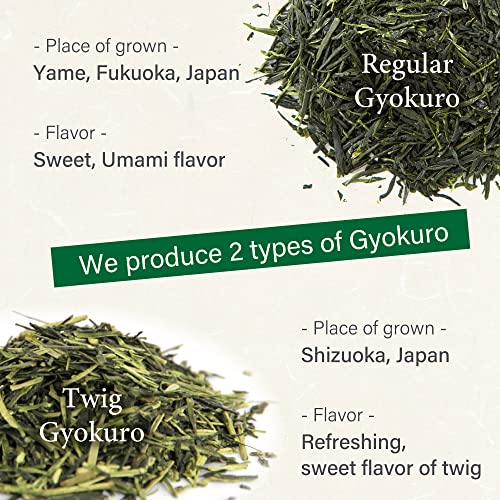
Several reviewers have noted an unusually high proportion of stems and twigs in this KIMIKURA gyokuro, which is a legitimate concern for a tea marketed as premium. In Japanese tea, stems are typically separated during processing — stem-heavy tea is actually its own category called kukicha (twig tea). A premium gyokuro should be predominantly leaf. The stems do reduce the caffeine content (which some buyers appreciate) and contribute a different sweetness, but they also dilute the rich umami and vegetal flavors you're paying premium prices for. Four separate reviewers mentioned this issue, making it the most consistent criticism of the product.
How many times can you resteep KIMIKURA gyokuro?
This is actually a notable weakness of this particular product. While quality gyokuro from other brands typically yields 3 or more good steeps, reviewers report that KIMIKURA's gyokuro runs out of flavor faster — some only getting one satisfying cup from a serving. This is likely connected to the higher proportion of stems, dust, and broken leaves, which release their flavor quickly but don't have the depth for multiple infusions. If multiple steeps are important to your tea routine (and for the value equation at gyokuro prices, they really should be), this is something to factor into your decision.
Does KIMIKURA gyokuro help with focus?
Yes, and this is one of the most consistently praised aspects of this tea. Reviewers specifically mention enhanced mental focus and clarity as a real, noticeable effect — not just marketing. The mechanism is well-understood: shade-grown gyokuro has elevated L-theanine, which works synergistically with caffeine to promote alert, calm concentration. Drinkers use it for demanding cognitive tasks and report that it enhances performance without the anxiety or crash that coffee can bring. If you're looking for a focus-boosting beverage that's gentler and more sustainable than coffee, this delivers.
How does KIMIKURA gyokuro compare to other gyokuro brands?
KIMIKURA delivers on the core gyokuro experience — authentic Yame origin, strong umami, vibrant green color, and the characteristic calm focus. Where it falls short compared to competitors is in leaf quality and value. The stem-to-leaf ratio and dust content are higher than what experienced gyokuro drinkers expect at this price, and the resteep performance lags behind other brands. If you're looking for the absolute best gyokuro for your money, experienced tea drinkers suggest shopping around. But if the Yame origin and KIMIKURA brand appeal to you, or if you're trying gyokuro for the first time, it still provides a genuine gyokuro experience.
Is KIMIKURA gyokuro good for meditation?
Reviewers specifically call this out as a pre-meditation tea, and it makes sense. The combination of L-theanine and moderate caffeine creates a state that drinkers describe as calm and centered without drowsiness — exactly what you want going into meditation. The brewing ritual itself can serve as a mindfulness practice: heating water to the right temperature, watching the vibrant green leaves unfurl, waiting patiently. The smooth, umami-rich flavor is contemplative rather than stimulating. If you're building a meditation practice and want a tea to pair with it, this is a genuinely good match.
As an Amazon Associate we earn from qualifying purchases.
What are the 5 benefits of green tea?
For this KIMIKURA Yame gyokuro specifically, the standout benefits based on reviewer experience are: (1) Enhanced mental focus and clarity — this is the most consistently praised effect. (2) Calm alertness without drowsiness — the L-theanine/caffeine balance is noticeably smooth. (3) Rich umami flavor that's genuinely enjoyable to drink. (4) A natural mindfulness ritual — several reviewers use it for meditation prep. (5) Gentler caffeine than typical gyokuro, making it accessible even if you're somewhat caffeine-sensitive. Beyond these, you get the general antioxidant and catechin benefits common to all quality green teas.
Is KIMIKURA gyokuro good for beginners?
Yes, with some caveats. This tea is actually more beginner-friendly than most gyokuro for a couple of reasons: the reduced caffeine makes it gentler on your system, and the flavor profile is forgiving — delicate and smooth rather than intensely concentrated. You won't be overwhelmed by that powerful umami punch that some premium gyokuro can deliver. The downside for beginners is that proper brewing technique still matters (low water temperature, specific timing), and the premium price is a big investment if you're not sure you'll enjoy gyokuro. If you're curious about gyokuro but nervous about the intensity, this is a reasonable starting point — just be prepared to learn the proper brewing method.
What is the best way to enjoy KIMIKURA gyokuro?
For the best experience, brew it the traditional way: use water cooled to about 50-60°C (well below boiling), a generous amount of leaf, and steep for 2-3 minutes. Drink it slowly and mindfully — this isn't a gulp-it-down tea. Reviewers mention pairing it with traditional Japanese sweets like mochi, which complements the umami beautifully. It shines as a morning mindfulness ritual or before focused work sessions. Given the limited resteep potential, treat each serving as a single, deliberate cup rather than planning for multiple infusions. The smoky, vegetal notes come through best when you give it your full attention.
How much KIMIKURA gyokuro do you get in the package?
The package contains 70 grams (2.4 oz) of loose-leaf tea. For gyokuro, where you typically use about 5 grams per serving, that gives you roughly 14 servings. Given that reviewers report limited resteep potential with this particular tea (often just one good cup per serving), those 14 servings are closer to 14 cups total. At the premium price point, that's something to factor into the value equation — especially when comparing to other gyokuro brands where 5 grams might yield 3 cups through resteeping.
Is the caffeine in green tea enough to keep you awake?
With this KIMIKURA gyokuro, reviewers report more of a calm, centered alertness than a wake-up jolt. The combination of reduced caffeine (from the stem content) and high L-theanine creates what drinkers describe as enhanced mental focus without drowsiness — or jitteriness. It's enough to sharpen your thinking for demanding cognitive work, but it's not going to wire you the way coffee does. Several reviewers actually use it as a pre-meditation drink, which tells you something about the quality of the alertness it provides.
How do you brew gyokuro green tea properly?
Brewing gyokuro correctly makes a huge difference, and this KIMIKURA tea rewards proper technique. Reviewers recommend using room-temperature or very cool water (around 50-60°C / 120-140°F) for the first steep — this draws out the umami sweetness without extracting bitterness. Use more leaf than you would for regular green tea (about 5g for a small cup), and steep for 2-3 minutes. The first steep should give you a rich, almost brothy cup with deep umami. You can increase the water temperature slightly for subsequent steeps, though note that some reviewers found this particular tea's resteep performance limited compared to other gyokuro brands.
As an Amazon Associate we earn from qualifying purchases.
What is gyokuro green tea good for?
Gyokuro is prized for its ability to promote calm, focused mental clarity — and this KIMIKURA gyokuro delivers on that. Reviewers specifically mention using it before meditation and for demanding cognitive work, noting a centered feeling without drowsiness. The high L-theanine content (a hallmark of shade-grown teas like gyokuro) creates that smooth, alert calm that's different from coffee's jittery energy. It's essentially a focus tea that also happens to taste exceptional, with deep umami and vegetal notes.
Why is gyokuro tea so expensive?
Gyokuro commands premium prices because of its labor-intensive production — the tea bushes are shade-covered for about three weeks before harvest, which boosts L-theanine and chlorophyll while reducing bitterness. This KIMIKURA version is a first-harvest Yame gyokuro, which adds to the cost. That said, some reviewers feel the price-to-quality ratio on this particular product doesn't quite match up. They've noted a higher proportion of stems and dust than expected at this price point, and limited resteep potential compared to other gyokuro brands. It's worth weighing whether the authentic Yame origin justifies the premium for you.
What is Yame gyokuro?
Yame is a region in Fukuoka Prefecture, Japan, that's considered one of the top gyokuro-producing areas in the country. Yame gyokuro is known for its particularly rich umami flavor and sweet finish, thanks to the region's climate and traditional cultivation methods. This KIMIKURA tea is sourced from Yame, and reviewers do confirm the strong umami character you'd expect from an authentic Yame gyokuro. The vibrant green color when brewed is another telltale sign of proper Yame shade-grown tea.
How to brew green tea cold?
Cold-brewing is actually a fantastic way to enjoy gyokuro, and some purists consider it the ultimate method. Place about 5-10 grams of the KIMIKURA leaves in a pitcher with cold water, and refrigerate for 6-8 hours or overnight. Cold-brewing extracts the sweet, umami-forward flavors while leaving most of the bitterness behind. Given this tea's delicate flavor profile and smoky-umami character, cold brew will emphasize the sweetness and smooth mouthfeel. The reduced caffeine extraction from cold brewing, combined with this tea's already lower caffeine levels, makes it a very mellow, calming drink.
Is it beneficial to drink green tea daily?
Generally yes, and gyokuro like this KIMIKURA tea offers some distinct advantages for daily drinking. Reviewers mention sustained benefits like enhanced mental focus, calm clarity, and a centered feeling that supports daily routines — whether that's morning mindfulness, work sessions, or pre-meditation rituals. The reduced caffeine in this particular product makes it more manageable as a daily drink than higher-caffeine gyokuro. One practical consideration: at this price point and with the 70g package size, daily drinking adds up quickly. You might want to reserve this as a special daily ritual tea rather than an all-day sipper.
What are the side effects of gyokuro green tea?
Gyokuro typically has higher caffeine than most green teas due to the shading process. However, this KIMIKURA version actually has reduced caffeine content compared to typical gyokuro — reviewers attribute this to the higher proportion of stems in the blend, which naturally contain less caffeine than the leaves. So if caffeine sensitivity is a concern, this particular gyokuro may actually be more forgiving than others. The L-theanine also helps smooth out any caffeine edge, which is why drinkers report calm focus rather than jitteriness. Standard green tea cautions still apply: don't drink it on a completely empty stomach if you're sensitive, and avoid it close to bedtime if you're caffeine-sensitive.
As an Amazon Associate we earn from qualifying purchases.
What happens when you drink green tea every day?
Daily green tea drinkers commonly report improved focus, better energy stability, and a general sense of well-being. With this KIMIKURA gyokuro specifically, reviewers highlight enhanced mental clarity and a calm, centered feeling as consistent experiences. The L-theanine and caffeine combination provides a reliable daily cognitive boost without the crashes associated with coffee. Over time, daily gyokuro drinkers often develop a sharper palate for umami and a deeper appreciation for the brewing ritual itself — which becomes a valued part of the daily routine rather than just a beverage habit.
What are common mistakes when brewing green tea?
The biggest mistake with this KIMIKURA gyokuro — and gyokuro in general — is using water that's too hot. Boiling water will scorch the delicate leaves and turn that smooth umami into harsh bitterness. Keep it well below 70°C (158°F), and ideally around 50-60°C for the first steep. Other common mistakes include steeping too briefly (gyokuro needs 2-3 minutes to develop its full flavor) and using too little leaf. This is a tea that rewards patience and attention to technique. Reviewers who follow traditional brewing methods report the best results — smoky, umami-rich, and beautifully smooth.
How to brew green tea leaves?
For loose-leaf gyokuro like this KIMIKURA tea, you'll want a small teapot or kyusu (Japanese teapot). Measure about 5 grams of leaf, add water that's been cooled to around 50-60°C, and steep for 2-3 minutes. Pour out every last drop — don't leave water sitting on the leaves. For the second steep, you can use slightly warmer water and a shorter steep time. One thing to be aware of with this particular tea: reviewers note about 40% dust and broken leaves in the mix, so you may want a pot with a fine strainer to keep your cup clean. A fine-mesh filter or traditional kyusu with a built-in clay strainer works well.
Is green tea very high in caffeine?
Gyokuro is actually one of the highest-caffeine green teas because the shading process increases caffeine production in the leaves. However, this specific KIMIKURA gyokuro has reduced caffeine compared to typical gyokuro, according to reviewers. The reason? A higher-than-expected proportion of stems and twigs in the blend, which naturally contain less caffeine. So while a standard gyokuro might pack 120-140mg of caffeine per cup, this one likely delivers less. Reviewers describe the effect as calm and focused rather than stimulating — the L-theanine balances whatever caffeine is present.
How to brew green tea for iced tea?
You have two approaches with this KIMIKURA gyokuro. The quick method: brew it hot at the recommended low temperature (50-60°C), using a bit more leaf than usual to concentrate the flavor, then pour over ice. The slow method: cold-brew it overnight in the fridge, which tends to produce a sweeter, smoother result. Given this tea's smoky, umami notes and delicate character, cold-brewing tends to showcase its strengths best. Either way, skip the sugar — good gyokuro has a natural sweetness that you'll want to taste on its own.
Is green tea a stimulant or depressant?
Green tea, including this KIMIKURA gyokuro, contains both caffeine (a stimulant) and L-theanine (which promotes relaxation without sedation). The net effect is unique — reviewers of this tea describe it as calm-inducing while maintaining mental clarity. It's neither purely stimulating nor sedating. Think of it as a focused calm: alert enough for demanding tasks, relaxed enough for meditation. This dual action is especially pronounced in shade-grown teas like gyokuro, where L-theanine levels are naturally elevated.
What Customers Love
⚠️ Limited sample based on limited customer feedback (9 reviews) • Our methodology
- Strong umami flavor characteristic of quality gyokuro (3 mentions)
- Smooth, delicate taste profile (2 mentions)
- Calm, focused mental effects from L-theanine (2 mentions)
- Vibrant green color when brewed (2 mentions)
Taste Profile
- smooth
- delicate
- umami
- calm-inducing
Best Use Cases
🎯 Best For
- Pre-meditation ritual
- Cognitive work requiring focus
- Traditional Japanese tea ceremony with sweets like mochi
- Morning mindfulness practice
⚠️ Not Ideal For
- Budget-conscious buyers seeking value
- Those wanting multiple resteeps from same leaves
What to Consider
- Excessive stems/twigs diluting quality and flavor (4 mentions)
- Poor resteep performance - only yields 1 cup vs 3 cups from other brands (1 mentions)
- High proportion of dust/broken leaves (60% leaves, 40% dust noted) (1 mentions)
- Lacks flavor intensity (1 mentions)
⚠️ Important: This analysis is based on limited customer feedback (9 reviews). We've shared what we found, but there may be additional considerations we haven't captured.
About This Analysis
This analysis is based on 9 customer reviews. We're showing you everything we found, but with a small sample, there's a lot we likely haven't captured yet.
✅ What we're confident about: What customers love and best use cases
⚠️ What may be incomplete: Potential issues and considerations
For more perspectives, check customer reviews on Amazon.
Product Selection
In short: We only feature high-rated products.
Products on TeaDelight.net are selected based on strong Amazon customer ratings, sufficient review volume, and market presence. We focus on well-regarded products that tea enthusiasts are actively considering and purchasing.
As an Amazon Associate we earn from qualifying purchases.
You Might Also Like

✅ Strong, delicious peach flavor
Stash Ginger Peach Green Tea with Matcha

✅ Light, clean taste
Teas' Tea Jasmine Green Tea Unsweetened

✅ High caffeine content / potent energy boost
Tekola Organic Gunpowder Green Tea

✅ Great taste and flavor