



We analyze real customer reviews to surface what matters: key strengths, ideal use cases, and honest considerations — so you can make an informed choice.
Itoh Kyuemon Uji Kabusecha Green Tea
A shade-grown Japanese kabusecha with smooth, balanced umami and low astringency — notably forgiving of imprecise brewing temperatures and steep times.
🎯 Best for: Morning energy, Multiple daily steepings
🍃 Tastes like: umami, slight sweetness, earthy

What Stands Out
🍃 Flavor Profile
Strength: Delicate
Notes: umami, slight sweetness, earthy
✅ What Customers Love
- Mild, low astringency (4 mentions)
- Forgiving brewing - doesn't turn bitter easily even when oversteeped (3 mentions)
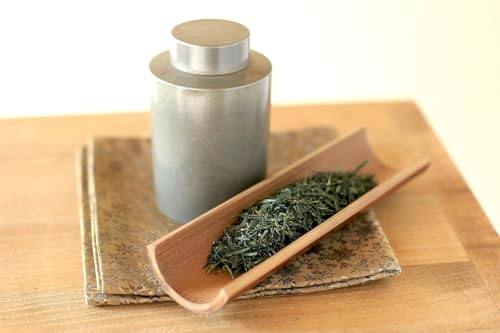
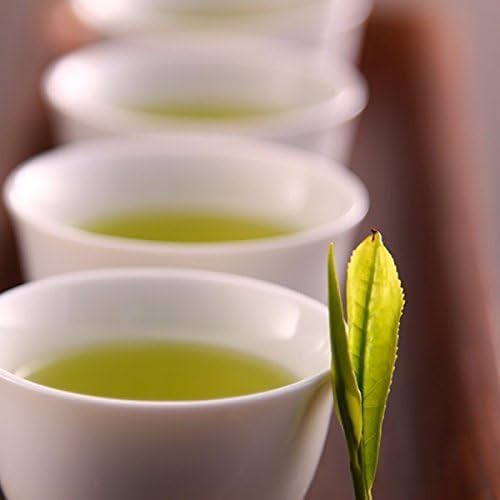
- Dark green leaf color indicating quality kabusecha (3 mentions)
🎯 Best For
Morning energy • Multiple daily steepings • Creating custom tea blends • Forgiving brewing for inconsistent technique
Brand: 伊藤久右衛門
Category: Green Tea
As an Amazon Associate we earn from qualifying purchases.
About This Green Tea
Grown in Uji, this kabusecha sits between sencha and gyokuro — offering depth and dark green leaf color without gyokuro's intensity. The flavor is mild and clean, with balanced umami, faint sweetness, and a grassy earthiness that stays smooth across multiple infusions. Reviewers note it holds well even when oversteeped, making it approachable for those newer to Japanese green tea. Fine leaf particles can pass through standard strainers, leaving sediment in the cup. Best for morning drinkers, daily re-steeping sessions, and those drawn to a gentle, umami-forward cup.
Is Itoh Kyuemon Uji Kabusecha Green Tea Right for You?
What does Itohkyuemon Kabusecha taste like?
This is a delicate, smooth tea with a pronounced umami character — that savory richness that's the hallmark of shade-grown Japanese green tea. Reviewers describe slight sweetness alongside earthy and grassy notes, with a clean finish. There's a subtle hint of a sour undertone that adds complexity without being sharp. It's notably mild and low in astringency, which means none of that mouth-puckering dryness you get with cheaper green teas. Think: refined, balanced, and approachable rather than bold or intense.
Is this kabusecha good for green tea beginners?
This is actually one of the best Japanese green teas for beginners. Multiple reviewers highlight how forgiving it is — it doesn't turn bitter easily even when you oversteep it, which is the number one frustration new green tea drinkers face. The flavor is mild and approachable rather than overwhelming, the preparation is simple with flexible temperature and steep time, and you get consistent results even with imperfect technique. If you've been scared off by bitter green tea before, this is a great second chance.
Is Itohkyuemon Kabusecha better than gyokuro?
That's a bold comparison, but at least one experienced tea reviewer actually said they preferred this kabusecha over gyokuro. Kabusecha is shade-grown for a shorter period than gyokuro (about 1-2 weeks vs. 3+ weeks), so it has a lighter umami profile that some find more balanced and drinkable. It's also significantly more affordable than premium gyokuro. If you love intense, concentrated umami, gyokuro might still win for you. But if you want a refined shade-grown tea that's easier to brew and easier on the wallet, this kabusecha is a compelling alternative.
How do you brew green tea properly?
For this Itohkyuemon kabusecha specifically, the good news is it's very forgiving. Multiple reviewers note it doesn't turn bitter easily even if you oversteep it, which is unusual for Japanese green tea. That said, for the best flavor, use water around 170-180°F (not boiling) and steep for 1-2 minutes. One tip from reviewers: the manufacturer's instructions can actually make it too strong and astringent, so start with a shorter steep time and adjust to your taste. This tea also works well at varying temperatures, so feel free to experiment.
How to brew green tea leaves?
For this Itohkyuemon loose leaf kabusecha: use about 1 teaspoon of leaves per cup, water at 170-180°F, and steep for 1-2 minutes. One important note — you'll want a fine-mesh strainer or infuser, because these leaves are quite fine and can slip through standard strainers, leaving sediment in your cup. The great thing about this tea is you can resteep the same leaves 2-4 times. The first infusion is the most delicate and umami-rich, while later steeps become slightly more astringent but still enjoyable.
What are common mistakes when brewing green tea?
The most common mistake is using boiling water — it scorches the leaves and makes the tea bitter and astringent. The second is steeping too long. Interestingly, this Itohkyuemon kabusecha is more forgiving on both counts than most Japanese green teas. Reviewers consistently mention it doesn't go bitter easily even when oversteeped. One mistake specific to this tea: following the manufacturer's brewing instructions exactly, which some reviewers found made it too strong. Start gentler and work up. Also, use a fine-mesh strainer — the leaves are quite fine and can pass through standard strainers.
As an Amazon Associate we earn from qualifying purchases.
How many times can you steep Itohkyuemon Kabusecha?
Reviewers report getting 2-4 good infusions from the same leaves, which is a nice value add considering the per-ounce price. The first steeping delivers the most delicate umami flavor, and subsequent steeps bring out slightly different characteristics. Be aware that later infusions do develop more astringency and lose some of that premium smoothness, but they're still enjoyable. This multi-steep potential is one reason reviewers consider it good value despite the premium price point.
Does the tea have sediment or leaf particles in the cup?
This is worth knowing upfront: the leaves are quite fine, and multiple reviewers mention they can pass through standard tea strainers, leaving some sediment at the bottom of your cup. It doesn't affect the taste, but if you prefer a perfectly clear cup, invest in a fine-mesh stainless steel strainer or a Japanese-style kyusu teapot with a built-in fine filter. This isn't a quality issue — it's just the nature of these finely processed kabusecha leaves.
Can you use this kabusecha in tea blends?
Yes — and reviewers specifically praise it as a blending base. Its mild, balanced umami character plays well with herbs and fruits without overpowering them. Multiple reviewers mention using it to create custom tea blends, which speaks to its versatility. If you're into experimenting, try it with jasmine, mint, or citrus peel. The clean, smooth profile gives you a quality foundation that elevates whatever you pair it with.
Who is this tea best for?
This Itohkyuemon kabusecha has a sweet spot for a few types of tea drinkers. Beginners will love how forgiving it is — you really can't mess it up. Japanese green tea enthusiasts will appreciate the authentic Uji origin and quality kabusecha character. Daily drinkers benefit from the multiple steeping potential and mild profile that doesn't get tiring. And creative blenders can use it as a premium base for custom mixes. It's less ideal if you want bold, intense flavors or if any sediment in your cup bothers you.
How should you store this Itohkyuemon green tea?
Here's an honest heads-up: the original packaging is not resealable, which multiple reviewers flag as a drawback. You'll want to transfer the leaves to an airtight container as soon as you open it — a tin with a tight lid or a resealable bag works well. Store it away from light, heat, and moisture. Japanese green tea is more delicate than oxidized teas and will lose freshness faster if exposed to air. Get it into proper storage right away and it'll stay fresh for weeks.
Are there stems in the Itohkyuemon Kabusecha leaves?
At least one reviewer noted some stems present in the leaves. This is actually normal for kabusecha — unlike the highest grades of gyokuro where stems are meticulously removed, kabusecha processing allows some stem material. The stems don't negatively impact the flavor and can actually contribute a subtle sweetness. This isn't a defect; it's characteristic of the tea type and price point.
As an Amazon Associate we earn from qualifying purchases.
How to brew green tea cold?
Cold brewing is a great option for this kabusecha. Add about 1-2 teaspoons of leaves to a cup or pitcher of cold water and let it steep in the refrigerator for 4-8 hours. Cold brewing naturally reduces bitterness and astringency while bringing out the sweet, umami notes — which plays perfectly to this tea's strengths. Reviewers mention it works well at varying temperatures, so cold brewing is very much in its wheelhouse. Just use an extra-fine strainer when pouring since the small leaf particles can make it through.
What's the difference between kabusecha and sencha?
The key difference is shading. Sencha is grown in full sunlight, while kabusecha is covered for about 1-2 weeks before harvest. This shading boosts chlorophyll (giving the dark green color reviewers notice in this Itohkyuemon tea), increases umami-producing amino acids, and reduces astringency. The result is a smoother, more savory cup compared to sencha's brighter, more grassy character. Kabusecha sits between sencha and gyokuro in both flavor profile and price — it's sometimes called the best of both worlds.
What is the highest quality Japanese green tea?
Kabusecha like this Itohkyuemon Ujiyama sits in the upper tier of Japanese green teas — it's shade-grown like gyokuro but for a shorter period, which gives it a refined umami character without the hefty price tag of top-shelf gyokuro. One experienced tea reviewer actually noted they preferred this kabusecha over gyokuro. The dark green leaf color is a hallmark of quality shade-grown tea, and Itohkyuemon is a well-established Kyoto Uji producer, which is considered one of Japan's premier tea-growing regions.
Is Kabusecha high in caffeine?
Kabusecha has a moderate caffeine level — higher than standard sencha but generally less than gyokuro. The shading process increases caffeine content in the leaves. Reviewers of this Itohkyuemon kabusecha mention using it as a caffeinated morning energy boost, and some even enjoy it in the evening since the caffeine is milder than coffee. If you're sensitive to caffeine, it's worth noting that shorter steep times and cooler water will extract less caffeine.
What is Itohkyuemon famous for?
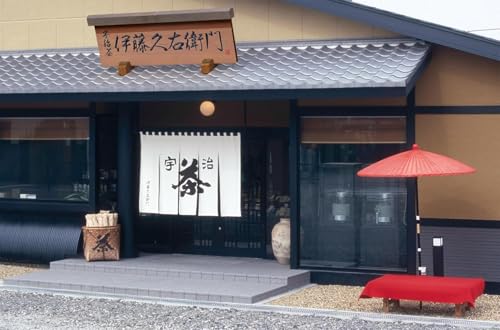
Itohkyuemon (伊藤久右衛門) is a long-established tea house based in Uji, Kyoto — one of Japan's most celebrated tea-producing regions. They're known for premium Japanese green teas and matcha, sourcing from the Uji area which has centuries of tea-growing heritage. This particular kabusecha reflects that pedigree: reviewers consistently note the authentic Japanese quality, from the dark green leaf color to the balanced umami flavor profile.
Is Uji green tea the same as matcha?
No — Uji refers to the growing region in Kyoto, not the type of tea. Matcha is stone-ground tea powder, while this Itohkyuemon product is kabusecha, a loose leaf shade-grown green tea. Both can come from Uji, but they're very different experiences. This kabusecha gives you a clean, smooth cup with umami and subtle sweetness, whereas matcha is much thicker and more concentrated. You brew this one by steeping leaves, not whisking powder.
As an Amazon Associate we earn from qualifying purchases.
How to brew green tea for iced tea?
You have two approaches with this Itohkyuemon kabusecha. Quick method: brew it hot but concentrated — use double the leaves with half the water at 170-180°F for 1-2 minutes, then pour over ice. Slow method: cold brew in the fridge for 4-8 hours. Both work well because this tea is flexible with temperatures and steep times. The cold brew method will give you a smoother, sweeter result that highlights the umami and subtle sweetness. Just watch for fine leaf particles — use a good strainer.
Is green tea very high in caffeine?
This kabusecha has moderate caffeine — more than a standard sencha because the shade-growing process increases caffeine content, but still significantly less than coffee. Reviewers use it for a morning energy boost, and it's gentle enough that some enjoy it in the evening too. If you want less caffeine per cup, use cooler water and shorter steep times. Since you can get 2-4 infusions from these leaves, later steeps will also have progressively less caffeine.
Is the caffeine in green tea enough to keep you awake?
For this Itohkyuemon kabusecha, reviewers specifically mention using it as a caffeinated morning energy boost, so yes — it delivers enough caffeine to perk you up. Kabusecha generally has more caffeine than regular sencha due to the shade-growing process. The effect is usually smoother and more sustained than coffee without the jitters. That said, it's mild enough that some reviewers still enjoy it in the evening, so individual sensitivity definitely plays a role.
What happens if I drink 1 cup of green tea every day?
A daily cup of quality green tea like this kabusecha gives you a moderate caffeine boost along with antioxidants. Reviewers of this particular tea use it for morning energy, and some drink it multiple times a day since you can get 2-4 infusions from the same leaves. The mild, low-astringency profile makes it easy to drink daily without it feeling harsh on your stomach. Just be aware that the caffeine, while gentler than coffee, can add up if you're re-steeping throughout the day.
What Customers Love
⚠️ Limited sample based on limited customer feedback (12 reviews) • Our methodology
- Mild, low astringency (4 mentions)
- Forgiving brewing - doesn't turn bitter easily even when oversteeped (3 mentions)
- Dark green leaf color indicating quality kabusecha (3 mentions)
- Can be steeped multiple times (2-4 infusions) (2 mentions)
- Authentic Japanese product (2 mentions)
- Versatile - works well in blends (2 mentions)
Taste Profile
- mild
- delicate
- clean
- grassy
- earthy
- smooth
- balanced umami
Best Use Cases
🎯 Best For
- Morning energy
- Multiple daily steepings
- Creating custom tea blends
- Forgiving brewing for inconsistent technique
- Evening enjoyment (mild caffeine)
⚠️ Not Ideal For
- Users who dislike any sediment in tea
- Long-term storage without transferring to airtight container
What to Consider
- Fine leaves can pass through tea strainers, causing sediment (3 mentions)
- Packaging not resealable (3 mentions)
- Can be too strong/astringent if brewed per manufacturer instructions (1 mentions)
- Later infusions lose premium quality and develop astringency (1 mentions)
- Some stems present in leaves (1 mentions)
⚠️ Important: This analysis is based on limited customer feedback (12 reviews). We've shared what we found, but there may be additional considerations we haven't captured.
About This Analysis
This analysis is based on 12 customer reviews. We're showing you everything we found, but with a small sample, there's a lot we likely haven't captured yet.
✅ What we're confident about: What customers love and best use cases
⚠️ What may be incomplete: Potential issues and considerations
For more perspectives, check customer reviews on Amazon.
Product Selection
In short: We only feature high-rated products.
Products on TeaDelight.net are selected based on strong Amazon customer ratings, sufficient review volume, and market presence. We focus on well-regarded products that tea enthusiasts are actively considering and purchasing.
As an Amazon Associate we earn from qualifying purchases.
You Might Also Like

✅ Strong, delicious peach flavor
Stash Ginger Peach Green Tea with Matcha

✅ Light, clean taste
Teas' Tea Jasmine Green Tea Unsweetened

✅ High caffeine content / potent energy boost
Tekola Organic Gunpowder Green Tea

✅ Great taste and flavor