
Available Alternatives

✅ Smooth, fresh, umami-forward sencha profile
Kyo Hayashiya Uji Sencha Loose Leaf Green Tea
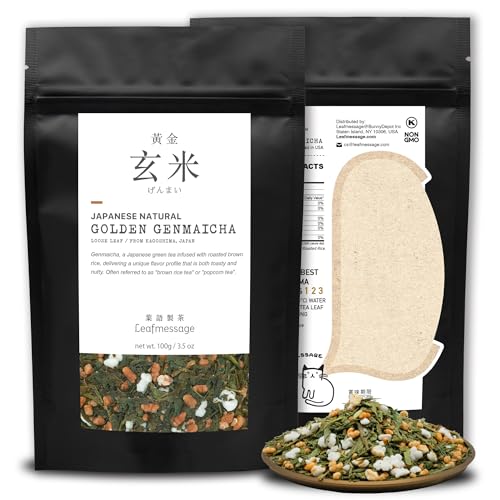
✅ Authentic genmaicha with visible toasted rice and popcorn
Leafmessage Golden Genmaicha Tea

✅ High repeat-purchase rate
Whole Foods Market Organic Decaf Green Tea

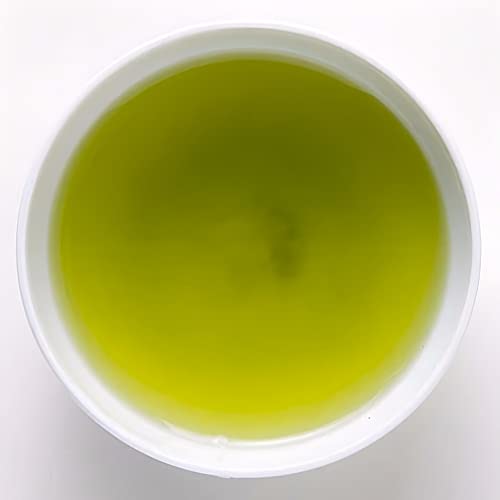
✅ fresh leaves with whole-leaf presentation and golden liquor
Xihu Dragonwell Longjing Tea (Yu Qian)


We analyze real customer reviews to surface what matters: key strengths, ideal use cases, and honest considerations — so you can make an informed choice.
Den's Tea Genmaicha Extra Green with Matcha Loose Leaf
A Japanese genmaicha laced with matcha — sencha, toasted rice, and green-tea powder in two ounces of loose leaf. With three reviews on file, much of the picture still comes from the label.
🎯 Best for: Drinkers who already enjoy genmaicha's toasted-rice character, Buyers preferring loose leaf over mesh bags
🍃 Strength: Medium

🍃 Flavor Profile
Strength: Medium
One reviewer calls the flavor 'very nutty,' which tracks for genmaicha's toasted-rice signature. The three early reviews skew positive, though one gift recipient was put off by the rice dynamic.
✅ What Customers Love
- Nutty, rice-forward profile consistent with genmaicha
- Sturdy resealable packaging
- Priced reasonably for a loose-leaf Japanese tea
🎯 Best For
Drinkers who already enjoy genmaicha's toasted-rice character • Buyers preferring loose leaf over mesh bags • Adding milk or cream
Brand: Den's Tea
Category: Green Tea
As an Amazon Associate we earn from qualifying purchases.
About This Green Tea
Den's Tea Genmaicha Extra Green with Matcha is a Japanese green tea sold loose leaf in two-ounce bags. The listing positions it as a blend of sencha-style green tea, well-roasted brown rice (genmai), and a measure of green-tea powder. With only three reviews on file, much of the picture still comes from the label itself; one reviewer describes the flavor as 'very nutty,' which tracks with genmaicha's toasted-rice signature.
Genmaicha sits in the everyday-tea slot in Japan, and this version is aimed squarely at drinkers who already enjoy that toasted-rice character. The loose-leaf format is a draw for buyers who prefer to brew without mesh tea bags, and one of the three reviewers specifically mentions choosing it for that reason. A separate reviewer notes pairing it with milk and cream — early signals only, given how few cups have been logged here.
Den's own brewing guidance is on the fast side: roughly a heaping teaspoon per four ounces of boiled water, a 30-second first steep, and a shorter 15-second second steep on the same leaves. For iced tea, the company suggests brewing as for hot and then pouring over ice to lock in the aroma. Origin is listed as Shizuoka, first-flush Yabukita cultivar, with a tea-ceremony-grade matcha component.
The honest caveats are worth stating plainly. The review base is very thin — three reviews — so confidence in any taste claim should be correspondingly low. The three early reviews skew positive overall, but one gift recipient was put off by the rice dynamic, which is a real risk for anyone who hasn't tried genmaicha before. If toasted, grain-forward flavors aren't already a known preference, this isn't the loose leaf to test that on blind.
For existing genmaicha drinkers who want a loose-leaf option with a matcha lift, the format and the brewing guidance both point to a quick, repeat-steep everyday cup rather than a single long brew.
Is Den's Tea Genmaicha Extra Green with Matcha Loose Leaf Right for You?
What is genmaicha extra green with matcha?
The listing positions this as a Japanese green tea — sencha leaves blended with toasted rice (the genmaicha tradition) and dusted with matcha powder for an extra-green character. It ships as loose leaf in a 2 oz pack from Den's Tea.
What does it taste like?
Based on a small handful of early reports, the flavor reads as nutty and rice-forward — consistent with what the toasted-rice base of genmaicha usually brings. With only three eligible reviews on file, treat this as an initial impression rather than a settled profile.
Is this a good genmaicha for someone new to the style?
Reportedly yes — the synthesis flags genmaicha-with-matcha blends as an accessible entry point into Japanese greens, and the prep is forgiving with a quick 30-second steep and reusable leaves. The review base is thin, so this is a category-level read more than a verdict from drinkers.
How do you brew it?
Den's own literature, noted by one reviewer, suggests a fast 30-second first steep and a second brew on the same leaves. That's a typical Japanese-green approach — short infusions, multiple rounds.
Can you add milk or cream to it?
One reviewer pairs it with milk and cream, and the synthesis lists this as an initial-signal use case. With a base this thin, treat it as 'someone tried it and liked it' rather than a recommended preparation.
Why loose leaf instead of tea bags?
The title specifies loose leaf, which lets you control the leaf-to-water ratio and re-steep the same leaves — both useful for a sencha-based blend like genmaicha. One early reviewer specifically wanted loose leaf to avoid mesh tea bags.
As an Amazon Associate we earn from qualifying purchases.
Who might not enjoy this tea?
The toasted-rice character is polarizing — one of three early reviewers gifted it and the recipient was put off by the rice dynamic. If you already know you dislike that genmaicha hallmark, this blend won't change your mind.
How much tea is in the package?
The listing specifies 2 oz of loose leaf (roughly 62 grams). For a sencha-based tea brewed in short steeps with re-infusion, that yields a fair number of sessions before reorder.
Is it really from Japan?
The title states 'Product of Japan' and the brand Den's Tea is a Japanese tea importer. That label claim is what we have to go on — the review base is too thin to add independent confirmation.
How does the matcha addition change a regular genmaicha?
Adding matcha powder to a sencha-and-rice base typically deepens the green color of the brew and pushes the grassy, vegetal side forward against the toasted rice. With only three reviews on file, that's a category-level read rather than something drinkers here describe directly.
Category: How much caffeine is in green tea?
A typical cup of green tea contains roughly 20-45 mg of caffeine, depending on the leaf, water temperature, and steep time. That is less than coffee but not low — high-grade shaded teas like gyokuro and matcha can rival or exceed a cup of brewed coffee because the youngest buds and shaded leaves carry the highest caffeine concentration in the plant.
Category: What is the difference between sencha, gyokuro, and matcha?
Sencha is sun-grown Japanese green tea, rolled into needles and steamed — bright, vegetal, balanced. Gyokuro is shaded for at least 20 days before harvest, which raises L-theanine and lowers catechins, producing a viscous, intensely umami brew. Matcha comes from tencha (shaded leaf that is dried flat rather than rolled) and is stone-ground into powder that you whisk into water, so you consume the whole leaf.
As an Amazon Associate we earn from qualifying purchases.
Category: What water temperature should I use to brew green tea?
Most green teas brew best between 70C and 80C (160-175F). Boiling water aggressively extracts catechins and produces bitterness and astringency, while cooler water preserves the amino acids responsible for sweetness and umami. Shaded teas like gyokuro are typically brewed even lower, around 50-60C, specifically to draw out L-theanine without pulling harsh catechins.
What Customers Love
⚠️ Limited sample based on limited customer feedback (3 reviews) • Our methodology
- Nutty, rice-forward profile consistent with genmaicha
- Sturdy resealable packaging
- Priced reasonably for a loose-leaf Japanese tea
Taste Profile
One reviewer calls the flavor 'very nutty,' which tracks for genmaicha's toasted-rice signature. The three early reviews skew positive, though one gift recipient was put off by the rice dynamic.
- Milk
- Cream
Brewing: Den's literature suggests a fast 30-second first steep with a second brew on the same leaves.
Best Use Cases
🎯 Best For
- Drinkers who already enjoy genmaicha's toasted-rice character
- Buyers preferring loose leaf over mesh bags
- Adding milk or cream
⚠️ Not Ideal For
- Drinkers averse to the toasted-rice flavor
How People Use It
A reviewer mentions milk and cream as pairings. We'd treat this as initial signals only — the data hasn't pooled yet.
Good for Beginners
✅ Yes
- Genmaicha-with-matcha blends are an accessible Japanese-green entry point
- Quick 30-second brew with reusable leaves keeps the prep simple
What to Consider
- Toasted-rice character polarizes some drinkers
- Very thin review base
⚠️ Important: This analysis is based on limited customer feedback (3 reviews). We've shared what we found, but there may be additional considerations we haven't captured.
About This Analysis
This analysis is based on 3 customer reviews. We're showing you everything we found, but with a small sample, there's a lot we likely haven't captured yet.
✅ What we're confident about: What customers love and best use cases
⚠️ What may be incomplete: Potential issues and considerations
For more perspectives, check customer reviews on Amazon.
Product Selection
In short: We only feature high-rated products.
Products on TeaDelight.net are selected based on strong Amazon customer ratings, sufficient review volume, and market presence. We focus on well-regarded products that tea enthusiasts are actively considering and purchasing.
As an Amazon Associate we earn from qualifying purchases.