




We analyze real customer reviews to surface what matters: key strengths, ideal use cases, and honest considerations — so you can make an informed choice.
Bigelow Classic Decaffeinated Green Tea
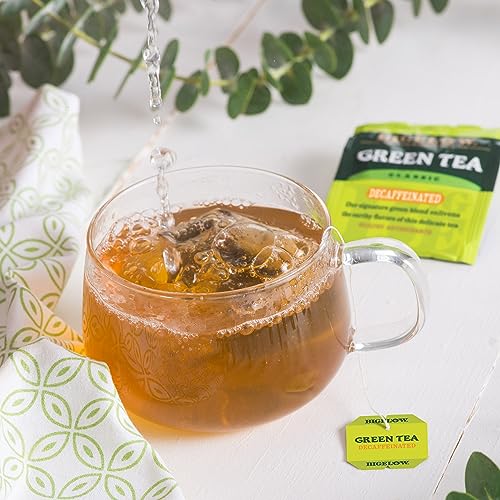
A delicate, lemon-kissed decaffeinated green tea with a mild, balanced character that reviewers compare to the light green tea served at Japanese restaurants.
🎯 Best for: morning coffee replacement, digestive support after meals
🍃 Tastes like: lemon, green tea base

What Stands Out
🍃 Flavor Profile
Strength: Delicate
Notes: lemon, green tea base
✅ What Customers Love
- Taste quality (12 mentions)
- Price/value (4 mentions)
- Decaffeinated (3 mentions)
🎯 Best For
morning coffee replacement • digestive support after meals • daily routine tea • health benefits without caffeine
Brand: Bigelow Tea
Category: Green Tea
As an Amazon Associate we earn from qualifying purchases.
About This Green Tea
The flavor is light and gently lemony, with a clean green tea base that avoids both grassiness and astringency. It brews to a pale, understated cup — making it a natural morning coffee substitute or a soothing post-meal digestive. Reviewers note the subtle character holds up to daily drinking without developing fatigue, and the individually wrapped bags keep each serving fresh. Those seeking a bold or full-bodied green tea will find it too mild, but for anyone building a gentle, approachable caffeine-free ritual, it delivers reliably.
Is Bigelow Classic Decaffeinated Green Tea Right for You?
What does Bigelow decaf green tea taste like?
Reviewers consistently describe it as delicate and mild with subtle lemon notes over a clean green tea base. It's light, balanced, and not at all grassy or bitter when brewed correctly. Several people compare it to the green tea you'd get at a Japanese restaurant — that smooth, approachable character. If you're coming from black tea or coffee, expect something much more gentle and nuanced. A few reviewers found it too subtle, but the majority praise the easy-drinking, balanced flavor profile.
Is Bigelow decaf green tea too weak?
It depends on your taste preferences. This tea has a naturally delicate flavor — it's meant to be light and subtle rather than bold. A small number of reviewers did find it weak, but the overwhelming majority (12+ mentions of taste quality) love the mild, balanced character. If you prefer stronger tea, try using two bags per cup or steeping a bit longer (though be careful not to exceed 4 minutes or it may turn bitter). This tea is designed for people who appreciate subtlety over intensity.
Is Bigelow decaf green tea good for digestion?
This is actually one of the standout benefits reviewers highlight. Multiple customers report that it aids digestion, with one specifically noting it "helps digesting heavy meals incredibly well." Drinking a cup after dinner is a common use case among reviewers. Green tea in general has compounds that support digestive health, and the decaf aspect means you can comfortably drink it after an evening meal without caffeine keeping you up afterward.
Can I use Bigelow decaf green tea as a coffee replacement?
Many reviewers do exactly this. The decaf nature means you won't get a caffeine jolt, but that's actually the point for most people switching — they want the warm-beverage ritual and health benefits without the caffeine dependency, jitters, or sleep disruption. The mild lemon-green tea flavor is pleasant enough to become a daily morning habit. Reviewers who made the switch describe it as a satisfying replacement, though you should adjust expectations: this is a gentle, calming drink, not an energy booster.
Who is Bigelow decaf green tea best for?
This tea hits a sweet spot for several groups: beginners who want an approachable, mild green tea without any complicated brewing; caffeine-sensitive people who want green tea benefits without the stimulant; coffee drinkers looking to reduce caffeine intake; and daily tea drinkers who want something they won't get tired of. It's also great for after-dinner drinking since the decaf won't affect sleep. It's not ideal if you want a bold, grassy, intense green tea experience — for that, you'd want a caffeinated sencha or matcha.
Are Bigelow tea bags individually wrapped?
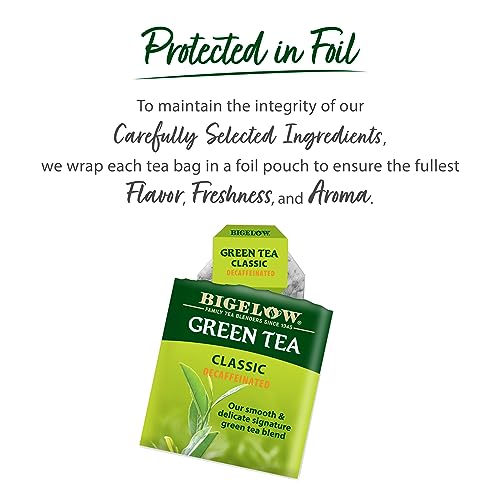
Yes, each tea bag is individually wrapped in a foil pouch. This keeps the tea fresh and protected from moisture and odors, which is especially important when you're buying a 120-count bulk pack that might take a few months to work through. It also makes the bags portable — easy to toss one in your bag for work or travel. Reviewers mention the individual wrapping as a positive feature.
As an Amazon Associate we earn from qualifying purchases.
How does Bigelow decaf compare to Lipton green tea?
Both are widely available, affordable green teas, but they differ in character. Bigelow's decaf classic green tea has a more defined flavor with subtle lemon notes and a clean finish — reviewers frequently praise its taste quality. Lipton green tea tends to be milder and more neutral. The key differentiator here is that this Bigelow is decaffeinated, making it a better choice if you want to drink green tea in the evening or avoid caffeine entirely. Price-wise, both are budget-friendly, with Bigelow coming in around 13 cents per bag in this bulk pack.
Is Bigelow decaf green tea still good for you?
Yes, decaffeination doesn't strip away the core benefits of green tea. Bigelow's decaf classic green tea still contains antioxidants and polyphenols — the compounds most associated with green tea's health benefits. Multiple reviewers specifically mention drinking it for digestive support and as a daily health routine, with several noting it helps with digestion after heavy meals. You lose the caffeine, but you keep most of what makes green tea beneficial.
Is Bigelow classic green tea healthy?
Bigelow's classic green tea — including this decaf version — is a solid choice for health-conscious tea drinkers. Reviewers consistently use it as a coffee substitute and for digestive support, with one noting it "helps digesting heavy meals incredibly well." Green tea in general is rich in antioxidants, and this decaf version lets you drink it any time of day without caffeine concerns. At just a tea bag and hot water, there are no added sugars or calories to worry about either.
What are the 5 benefits of green tea?
For this Bigelow decaf green tea specifically: (1) Digestive support — reviewers rave about how it helps after heavy meals. (2) Antioxidant intake from polyphenols and catechins. (3) Anti-inflammatory effects, which reviewers have validated. (4) A caffeine-free coffee alternative — multiple reviewers switched from coffee to this. (5) A calming daily ritual with a gentle, balanced lemon-green tea flavor that doesn't cause fatigue over time. The decaf aspect means you get all five benefits without any caffeine-related downsides.
Is it okay to drink decaffeinated green tea every day?
Absolutely, and many Bigelow decaf green tea drinkers do exactly that. Because there's virtually no caffeine, you don't have to worry about sleep disruption or jitteriness from daily consumption. Reviewers describe this as their go-to daily routine tea — something they drink consistently without getting tired of the flavor. The mild, balanced taste actually makes it easier to enjoy long-term compared to bolder teas that can cause palate fatigue.
Is green tea very high in caffeine?
Regular green tea has moderate caffeine — roughly 25-50mg per cup compared to coffee's 95mg. But this specific product is decaffeinated, so caffeine is essentially a non-issue. That's actually one of the main reasons people choose this Bigelow variety: reviewers specifically mention picking it as a coffee substitute without the caffeine effects. If you're sensitive to caffeine or want to drink tea in the evening, this decaf version gives you the green tea experience without the stimulant.
As an Amazon Associate we earn from qualifying purchases.
Is the caffeine in green tea enough to keep you awake?
In regular green tea, yes — the 25-50mg of caffeine can affect sleep-sensitive people. But this Bigelow variety is decaffeinated, which is precisely why many reviewers chose it. They specifically wanted a green tea they could drink in the evening or as part of their daily routine without worrying about sleep disruption. If you're looking for green tea that won't keep you up, this decaf version is one of the better options available.
What brand of green tea is the best?
"Best" really depends on what you're looking for. Bigelow's decaf classic green tea stands out for everyday drinking — it's mild, approachable, and consistently praised for its balanced lemon-green tea flavor at around 13 cents per bag. If you want bold, grassy Japanese-style green tea, you'd look elsewhere. But for a reliable, affordable daily green tea you can drink any time without caffeine worries, Bigelow is a top contender. Several reviewers compare it favorably to the green tea served at Japanese restaurants.
How do you brew green tea properly?
For Bigelow's decaf green tea bags, the key is water temperature — don't use boiling water. Heat your water to about 175°F (80°C), which is when you see small bubbles forming but before a full rolling boil. Steep for 2-3 minutes. Going longer or hotter can make green tea taste bitter, which is one of the most common mistakes people make. This particular tea has a naturally delicate flavor profile, so a gentler brew brings out the subtle lemon and green tea notes without any bitterness.
What are common mistakes when brewing green tea?
The biggest mistake is using boiling water — green tea is more delicate than black tea and scorches easily, turning bitter. Use water around 175°F instead. The second mistake is over-steeping; 2-3 minutes is plenty for Bigelow's decaf green tea. Some reviewers who found this tea "weak" may have been expecting black tea intensity, but green tea is naturally lighter and more subtle. A third mistake is adding milk — green tea pairs much better with a squeeze of lemon or nothing at all, which complements the lemon notes already present in this blend.
Is green tea a stimulant or depressant?
Regular green tea contains caffeine (a stimulant) and L-theanine (which promotes calm focus), creating a balanced, gentle alertness. However, this Bigelow product is decaffeinated, so the stimulant effect is minimal. Reviewers use it as a calming daily ritual and for after-meal digestion rather than for an energy boost. If you're specifically looking for the stimulant effect of green tea, you'd want the caffeinated version. This one is better suited for relaxation and wellness benefits.
What happens if I drink 1 cup of green tea every day?
With this decaf version, the main benefits reviewers report are improved digestion and a satisfying daily ritual without the caffeine dependency. Over time, daily green tea consumption is associated with antioxidant intake that supports overall wellness. Because this is decaffeinated, you won't experience the energy boost of regular green tea, but you also won't deal with caffeine tolerance buildup. Many reviewers have made it their daily habit and report feeling good about the consistency.
As an Amazon Associate we earn from qualifying purchases.
How to brew green tea cold?
Cold brewing is great with this tea and produces an even smoother, less bitter result. Drop 2-3 Bigelow decaf green tea bags into a pitcher with about 4 cups of cold water and refrigerate for 6-8 hours or overnight. The slow extraction pulls out the delicate flavors — the subtle lemon and light green tea notes — without any bitterness. Since it's decaf, it makes an excellent evening or anytime cold drink. Remove the bags after steeping so it doesn't over-extract.
How to brew green tea with tea bags?
With Bigelow's individually wrapped decaf green tea bags, it's straightforward: heat water to about 175°F (below boiling — look for small bubbles), place the tea bag in your cup, pour the water over it, and steep for 2-3 minutes. Don't squeeze the bag when removing it, as that presses out bitter tannins. One reviewer tip: if the flavor is too subtle for your taste, try using two bags per cup rather than steeping one bag longer, which can make it bitter instead of stronger.
How to brew green tea for iced tea?
You have two options. Quick method: brew 3-4 Bigelow decaf green tea bags in half the normal amount of hot water (175°F, steep 3 minutes), then pour over a full glass of ice. The ice dilutes it to the right strength. Slow method: cold brew overnight in the fridge with 2-3 bags per 4 cups of water. Both work well with this tea's light lemon-green tea profile. The decaf aspect is actually a plus here — you can enjoy iced green tea all afternoon and evening without caffeine keeping you up.
What happens when you drink green tea every day?
Based on what Bigelow decaf green tea reviewers report: improved digestion (especially after meals), a satisfying daily ritual, and the peace of mind that comes with a healthy caffeine-free beverage. More broadly, daily green tea consumption is associated with increased antioxidant levels and anti-inflammatory benefits. Several reviewers have been drinking this tea daily for extended periods and describe it as something they never get tired of — the mild, balanced flavor avoids palate fatigue.
Is it beneficial to drink green tea daily?
Research and real-world experience both say yes. Daily green tea consumption is linked to antioxidant benefits, and reviewers of this specific Bigelow decaf green tea report digestive support and a satisfying daily wellness routine. One reviewer specifically highlighted that it "helps digesting heavy meals incredibly well." The decaf aspect actually makes daily drinking easier since you won't build up caffeine tolerance or need to time your cups around sleep.
What are the side effects of drinking green tea?
Green tea is one of the safer beverages out there. The most common side effects — jitteriness, sleep issues, stomach upset on an empty stomach — are primarily caffeine-related, and this Bigelow version is decaffeinated, so those are largely non-issues. Some people find green tea slightly astringent if over-brewed, which can cause mild stomach discomfort, so stick to 2-3 minutes of steeping. In this specific product, there are no reported side effects from reviewers — most drink it daily without any complaints.
As an Amazon Associate we earn from qualifying purchases.
What is the healthiest way to make green tea?
Brew it with water below boiling (around 175°F) and steep for 2-3 minutes — this extracts the beneficial catechins without pulling out too many tannins that cause bitterness. Drink it without sugar to keep it calorie-free. Some research suggests adding a squeeze of lemon can help your body absorb the antioxidants better, which works perfectly here since Bigelow's classic green tea already has subtle lemon notes. Avoid adding milk, as dairy proteins can bind to some of the beneficial compounds.
Is Bigelow decaf green tea water processed?
Bigelow doesn't prominently advertise a specific decaffeination method for this product. Common decaf tea processes include CO2 extraction and ethyl acetate methods — both are considered safe. If the specific decaffeination method is important to you, check the packaging details or reach out to Bigelow directly. What reviewers do confirm is that the decaf version retains a pleasant, authentic green tea flavor, suggesting the process doesn't strip the tea of its character.
Is Bigelow decaf green tea naturally processed in the USA?
Bigelow is a family-owned American tea company based in Fairfield, Connecticut, and they blend and package their teas in the USA. Their decaffeination process is designed to preserve flavor while removing caffeine. For specific details about whether they use CO2 or ethyl acetate decaffeination methods, it's best to check Bigelow's packaging or contact them directly, as processing methods can vary by product line.
What Makes This Product Special
⚠️ Preliminary analysis based on 19-review sample • Our methodology
- Taste quality (12 mentions)
- Price/value (4 mentions)
- Decaffeinated (3 mentions)
- Lemon flavor balance (3 mentions)
- Individually wrapped bags (1 mentions)
Taste Profile
- mild
- light
- subtle
- balanced
Best Use Cases
🎯 Best For
- morning coffee replacement
- digestive support after meals
- daily routine tea
- health benefits without caffeine
⚠️ Not Ideal For
- those seeking strong/bold tea flavor
What to Consider
- Damaged/opened packaging on delivery (5 mentions)
- Tea bag construction (cord glued to bag causing spillage) (1 mentions)
- Perceived as weak/subtle by some (1 mentions)
⚠️ based on 19-review sample. Some issues may not be captured.
About This Analysis
This analysis is based on 19 customer reviews. We're showing you everything we found, but with a moderate sample, there's a lot we likely haven't captured yet.
✅ What we're confident about: What customers love and best use cases
⚠️ What may be incomplete: Potential issues and considerations
For more perspectives, check customer reviews on Amazon.
Product Selection
In short: We only feature high-rated products.
Products on TeaDelight.net are selected based on strong Amazon customer ratings, sufficient review volume, and market presence. We focus on well-regarded products that tea enthusiasts are actively considering and purchasing.
As an Amazon Associate we earn from qualifying purchases.
You Might Also Like

✅ Strong, delicious peach flavor
Stash Ginger Peach Green Tea with Matcha

✅ Light, clean taste
Teas' Tea Jasmine Green Tea Unsweetened

✅ High caffeine content / potent energy boost
Tekola Organic Gunpowder Green Tea

✅ Good taste/flavor quality