
Available Alternatives
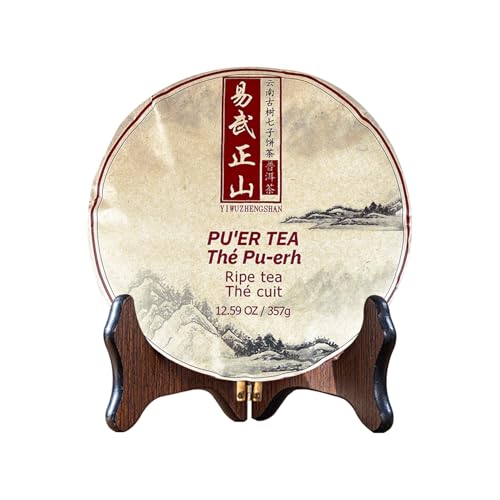
✅ Smooth and rich flavor for the price point
YiwuZhengshan Ancient Tree Pu'er Tea

✅ Pleasant floral aroma and fragrance
FullChea Puerh Tea Cakes 2008/2018 Menghai
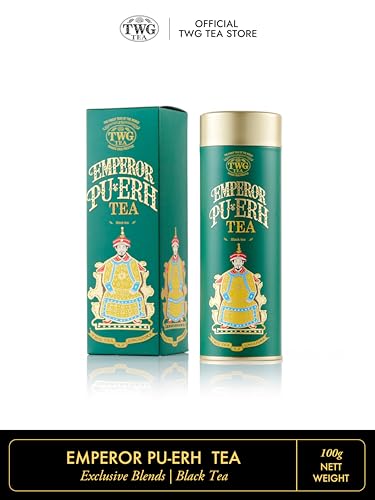
✅ Excellent flavor quality
TWG Emperor Pu-Erh Tea
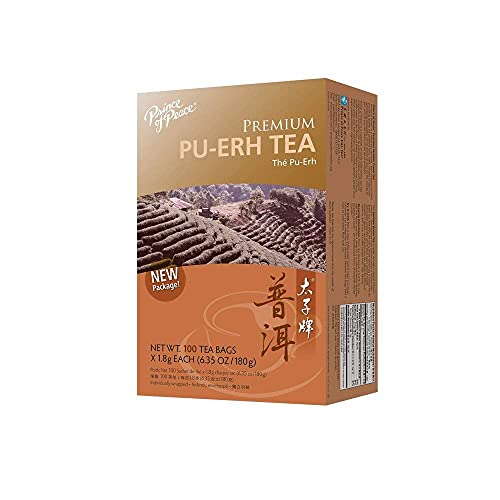
✅ No bitterness even after extended steeping
Prince of Peace Premium Pu-Erh Tea






We analyze real customer reviews to surface what matters: key strengths, ideal use cases, and honest considerations — so you can make an informed choice.
YUANSHENG Organic Ripe Pu-erh Tea Cake
A shu pu-erh cake with deep earthy richness and natural sweetness — smooth and mellow across multiple steepings, with a long, satisfying finish.
🎯 Best for: Daily drinking routine, Afternoon relaxation tea
🍃 Tastes like: earthy, sweet hint, woody

What Stands Out
🍃 Flavor Profile
Strength: Bold
Notes: earthy, sweet hint, woody
✅ What Customers Love
- Rich, earthy flavor that's smooth without bitterness (9 mentions)
- Easy to break apart for portioning (4 mentions)
- Long, pleasant aftertaste (3 mentions)
🎯 Best For
Daily drinking routine • Afternoon relaxation tea • Sharing with friends and family • Gift giving
Brand: YUANSHENG
Category: Pu-erh Tea
As an Amazon Associate we earn from qualifying purchases.
About This Pu-erh Tea
This ripe pu-erh cake delivers the classic character of well-fermented shu: earthy, woody depth with a faint sweetness and a smooth body that avoids bitterness even with longer steep times. The dark red liquor deepens through successive infusions, with reviewers noting new flavor nuances emerging in later steepings. Its waffle-pressed format breaks apart easily for consistent portioning, making it practical for daily use. Some cakes carry a slight sour aroma on first opening that may benefit from brief airing or additional storage time. Best suited to daily drinkers looking for a forgiving, full-flavored pu-erh and to beginners curious about aged fermentation teas.
Is YUANSHENG Organic Ripe Pu-erh Tea Cake Right for You?
What does this YUANSHENG pu-erh taste like?
Reviewers consistently describe a rich, earthy flavor with woody notes and a subtle natural sweetness — no bitterness at all. The taste profile is bold but smooth, with hints of something slightly smoky and what some describe as a 'fecund' earthiness. Think of a deep, comforting, forest-floor quality. One reviewer mentions it has a 'nostalgic, comforting earthy aroma reminiscent of farms.' The aftertaste is long and pleasant, which is considered a sign of quality in pu-erh. The brew produces a deep, dark red liquor that's beautiful in the cup.
Is this YUANSHENG pu-erh good for beginners?
This is actually one of the better pu-erh options for beginners. Reviewers and the product description both position it as beginner-friendly, and for good reason: it's smooth without bitterness even if you steep it too long, the natural sweetness makes it approachable if you're not used to earthy teas, and the cake is easy to break apart for portioning. Many pu-erh cakes are intimidating — rock-hard discs that need a specialized knife. This one is more forgiving all around. If you've been curious about pu-erh but intimidated by the learning curve, this is a solid starting point.
Does this pu-erh cake make a good gift?
Reviewers say yes. The packaging is attractive and well-sealed with foil lining, which gives it a presentable look right out of the box. A pu-erh cake is also a more interesting and memorable gift than a box of tea bags — it's a conversation starter. The USDA organic certification adds credibility, and the Yunnan ancient tree sourcing gives it a story to tell. It works well for tea lovers who want to explore pu-erh, or as an introduction for someone curious about Chinese tea culture.
Is this pu-erh good enough for experienced tea drinkers?
Yes — experienced pu-erh drinkers appreciate this cake too. Reviewers note the complex flavor that reveals new notes across multiple steepings, and the authentic Yunnan ancient tree sourcing resonates with those who know their pu-erh. One reviewer specifically compared the quality favorably to hard-to-find discontinued brands they'd previously enjoyed. The larger cake format also appeals to enthusiasts who like customizing their portion sizes. That said, if you're expecting a decades-aged premium cake, calibrate expectations — this is a well-made daily drinker, not a rare collector's piece.
How do you choose good pu-erh tea?
For ripe (shu) pu-erh, look for a deep, dark red liquor color — that's a sign of proper fermentation. This YUANSHENG cake checks that box, with reviewers describing a rich, deep red color in the cup. You also want a smooth, earthy flavor without harsh bitterness or an overwhelming fishy smell (a common defect in poorly processed shu pu-erh). Organic certification, like the USDA organic label on this cake, gives extra assurance about sourcing. Ancient tree material from Yunnan is generally considered superior. And the aroma should be woody and earthy — which is exactly what reviewers describe here.
How do you use a pu-erh tea cake?
Break off a small chunk — about 5-7 grams — using a pu-erh knife or even just your fingers. Reviewers specifically praise this YUANSHENG cake for being easy to break apart, which isn't always the case with compressed pu-erh. Some cakes can be rock-hard and require serious effort, but this one is manageable. After breaking off your portion, rinse the leaves with a quick pour of boiling water (discard this water), then brew as normal. Store the remaining cake in a cool, dry place with some airflow — it will actually continue to develop flavor over time.
As an Amazon Associate we earn from qualifying purchases.
How do you properly brew pu-erh tea?
For this YUANSHENG cake, break off a chunk (about 5-7 grams for a standard cup) and rinse it first — pour boiling water over the leaves, let it sit for about 5 seconds, then discard that water. This 'awakens' the compressed leaves. Then brew with freshly boiled water (around 200-212°F) for 15-30 seconds on the first steep, adding time with each subsequent infusion. Reviewers note this tea is very forgiving — it stays smooth without bitterness even with longer steep times, so don't stress about precision. The cake is easy to break apart, which makes portioning simple.
How many times can you brew this pu-erh cake?
Reviewers' experiences vary on this. The product suggests up to 10 steepings, and while some reviewers enjoy multiple infusions that reveal new flavor notes each time, at least one reviewer found the flavor fades significantly after 2-3 steepings. Realistically, expect good strong flavor for 3-5 steepings, with lighter but still pleasant brews beyond that. The number of steepings also depends on how much leaf you use and your water temperature — more leaf and hotter water will give you more rounds.
Does this pu-erh tea need to be aged before drinking?
No — this is a ripe (shu) pu-erh, which means it's already been through an accelerated fermentation process and is ready to drink right away. Raw (sheng) pu-erh is the type that benefits most from years of aging. That said, one reviewer noted a slight sour aroma, which can happen with newer ripe pu-erh. If you encounter this, letting the cake breathe for a few days to a couple of weeks after opening can help mellow out any off notes. But most reviewers enjoy it immediately with no issues.
What does the fishy smell in pu-erh mean?
A fishy smell in ripe pu-erh is called 'wo dui' flavor — it's a byproduct of the wet-piling fermentation process. One reviewer of this YUANSHENG cake did report a fishy smell, though the vast majority describe clean, woody, earthy aromas. If you encounter it, don't panic — it usually dissipates with air exposure. Unwrap the cake and let it sit in a dry, ventilated area for a few days to a few weeks. A thorough rinse (discarding the first steep) also helps. In well-made pu-erh, this smell fades quickly. Persistent fishiness can indicate lower-quality processing, but based on the overwhelming reviewer consensus here, it doesn't seem to be a widespread issue with this cake.
Can I drink this pu-erh with milk or sugar?
You can, but you might not need to. Reviewers note this YUANSHENG pu-erh has an inherent natural sweetness that means most people skip the sweetener entirely. The smooth, rich body is satisfying on its own. If you do want to experiment, a small amount of honey complements the earthy notes nicely. Milk is less traditional with pu-erh than with black tea, but some people enjoy it — the bold flavor can stand up to a splash. Try it plain first, though, and you may find it doesn't need anything.
What are the negative effects of pu-erh tea?
The main concerns are caffeine-related: potential sleep disruption if consumed too late, and possible digestive discomfort if you drink very strong pu-erh on an empty stomach. Some lower-quality ripe pu-erh can have a fishy or musty smell from poor processing — one reviewer of this YUANSHENG cake did report a fishy smell, and another noted a slight sour aroma, though the vast majority describe pleasant woody and earthy notes. If you encounter any off-putting smell, try airing the cake out for a few days or giving it a thorough rinse before brewing. Pu-erh can also interfere with iron absorption, so avoid drinking it with meals if that's a concern.
As an Amazon Associate we earn from qualifying purchases.
What's the difference between ripe and raw pu-erh?
This YUANSHENG cake is a ripe (shu) pu-erh, which means it's gone through an accelerated fermentation process called 'wo dui' that was developed in the 1970s. This gives it that smooth, earthy, mellow flavor profile right away — no need to wait years. Raw (sheng) pu-erh skips that step and ages naturally over decades, starting out bright and astringent and gradually mellowing. If you're new to pu-erh, ripe is generally more approachable — and this particular cake is especially forgiving with its smooth, naturally sweet character and zero bitterness.
How should I store this pu-erh cake?
Keep it in a cool, dry place with some airflow — don't seal it in an airtight container. Pu-erh is a living tea that continues to develop over time, and it needs a bit of air circulation for that process. Avoid storing it near strong odors (spices, coffee, cleaning products) since pu-erh absorbs smells readily. The original packaging with its foil lining is good for short-term storage, but if you plan to age it, consider wrapping it loosely in cotton paper. Humidity should stay between 50-70% — too dry and the tea goes dormant, too humid and you risk mold.
Why is pu-erh tea so expensive?
Pu-erh pricing varies wildly — from affordable daily drinkers to collector cakes costing thousands. The price depends on tree age, region, processing quality, and aging. This YUANSHENG cake is sourced from Yunnan ancient trees and is USDA organic certified, which adds cost. However, at 7.06 oz for a full cake, it's actually quite reasonable per cup. Reviewers note you get a good amount of tea for the money, and some even found the cake weighed more than labeled. Plus, you can re-steep the leaves multiple times, stretching your investment further.
Is ripe pu-erh tea good for you?
Ripe (shu) pu-erh like this YUANSHENG cake has a long tradition in Chinese wellness practices. Reviewers of this specific tea mention digestive health benefits as a reason they drink it daily. The fermentation process that ripe pu-erh undergoes creates beneficial microorganisms similar to other fermented foods. It's also naturally smooth and low in bitterness, which makes it gentle on the stomach compared to some other teas.
What are the benefits of drinking pu-erh tea?
Traditionally, pu-erh is valued for digestive support, and reviewers of this YUANSHENG cake confirm experiencing digestive health benefits from regular consumption. The fermentation process creates beneficial microorganisms similar to other fermented foods. Beyond health, there's the practical benefit of multiple steepings from a single portion — reviewers note that each steep reveals different flavor notes, making it an engaging daily ritual. This particular cake is also naturally sweet, so you can skip added sweeteners. And at 7.06 oz, a single cake provides weeks of daily drinking.
What happens when you drink pu-erh tea every day?
Many reviewers of this YUANSHENG cake specifically mention buying it for their daily drinking routine, and several note digestive health benefits from regular consumption. The tea has a naturally smooth, earthy flavor without bitterness, which makes it easy to enjoy every day without fatigue. Some drinkers also mention it as part of their afternoon relaxation ritual. One thing to keep in mind: pu-erh does contain caffeine, so you may want to time your last cup earlier in the day.
As an Amazon Associate we earn from qualifying purchases.
How much pu-erh tea should I use per cup?
For Western-style brewing in a mug, use about 3-5 grams of this YUANSHENG cake per 8 oz of water. For gongfu style in a small teapot or gaiwan, use about 5-7 grams per 100-150 ml. Since the cake is easy to break apart, portioning is straightforward. Pu-erh is forgiving — this tea stays smooth even if you use a bit more than intended, so don't overthink it. Start with a smaller amount and adjust to your taste preference.
Who should not drink pu-erh tea?
Pu-erh tea does contain caffeine, so people who are highly sensitive to caffeine, pregnant, or nursing should consult their doctor before drinking it regularly. Because pu-erh can aid digestion, those on certain medications — particularly blood thinners or iron supplements — may want to check with a healthcare provider, as tea can affect absorption. That said, this YUANSHENG ripe pu-erh is on the smoother, mellower side of the spectrum, which many find easier to tolerate than raw pu-erh or strong black teas.
Is pu-erh tea high in caffeine?
Pu-erh generally contains moderate caffeine — roughly 30-70 mg per cup depending on brewing method, which puts it between green tea and coffee. Ripe (shu) pu-erh like this YUANSHENG cake tends to have slightly less caffeine than raw pu-erh because the fermentation process breaks down some caffeine content. It's enough to give you a gentle lift for your afternoon session without the jitters that coffee can cause. Reviewers use this tea for daily relaxation, suggesting the caffeine level is manageable.
Is pu-erh tea good for sleep?
Pu-erh does contain caffeine, so drinking it right before bed isn't ideal. However, ripe (shu) pu-erh like this YUANSHENG cake has lower caffeine than raw pu-erh, coffee, or most black teas. Many people enjoy it in the afternoon or early evening without sleep issues. If you're sensitive to caffeine, try using the later steepings (3rd, 4th, 5th) which have progressively less caffeine, or stop drinking it 4-6 hours before bedtime. Reviewers specifically mention this as an 'afternoon relaxation tea,' which suggests most people find the caffeine level manageable.
Is pu-erh healthier than green tea?
They offer different benefits. Green tea is well-studied for its antioxidant content (catechins and EGCG), while pu-erh's fermentation process creates unique beneficial compounds, particularly for digestive health — something reviewers of this YUANSHENG cake specifically mention experiencing. Pu-erh also tends to be gentler on the stomach than green tea, which can cause nausea in some people when consumed on an empty stomach. Rather than thinking of one as 'healthier,' they complement each other well. Many tea drinkers enjoy green tea in the morning and pu-erh after meals.
Is pu-erh tea healthier than coffee?
They're different beverages with different benefits. Pu-erh offers lower caffeine (roughly a third of coffee), beneficial compounds from fermentation that support digestive health, and L-theanine which promotes calm alertness rather than coffee's jittery buzz. Reviewers of this YUANSHENG cake mention both daily relaxation and digestive benefits. Coffee has its own well-researched benefits, but if you're looking to reduce caffeine intake while still having a rich, bold, earthy daily beverage, ripe pu-erh is an excellent substitute.
As an Amazon Associate we earn from qualifying purchases.
How long should I steep pu-erh tea?
Start with about 15-30 seconds for the first infusion after your rinse, then add 5-10 seconds for each additional steep. The great thing about this YUANSHENG pu-erh is that reviewers say it's smooth without bitterness even with longer steep times, so it's very beginner-friendly. You won't get that punishing astringency even if you forget about it for a minute. The flavor does shift across steepings — multiple reviewers mention discovering new flavor notes as you re-brew, which is part of the fun.
What Makes This Product Special
⚠️ Preliminary analysis based on 15-review sample • Our methodology
- Rich, earthy flavor that's smooth without bitterness (9 mentions)
- Easy to break apart for portioning (4 mentions)
- Long, pleasant aftertaste (3 mentions)
- Multiple steepings reveal new flavors (3 mentions)
- Organic certification and clean taste (3 mentions)
- Deep, dark red color characteristic of quality shu pu-erh (2 mentions)
- Attractive, well-sealed packaging with foil lining (2 mentions)
Taste Profile
- smooth
- rich
- earthy
- deep
- mellow
- slightly smoky
Best Use Cases
🎯 Best For
- Daily drinking routine
- Afternoon relaxation tea
- Sharing with friends and family
- Gift giving
- Multiple re-steepings for extended sessions
What to Consider
- Fishy smell reported by one reviewer (1 mentions)
- Slight sour aroma that may need aging/storage to resolve (1 mentions)
- Color not deep red enough for one reviewer's preference (1 mentions)
- Flavor fades significantly after 2-3 steepings despite claims of 10 (1 mentions)
⚠️ based on 15-review sample. Some issues may not be captured.
About This Analysis
This analysis is based on 15 customer reviews. We're showing you everything we found, but with a moderate sample, there's a lot we likely haven't captured yet.
✅ What we're confident about: What customers love and best use cases
⚠️ What may be incomplete: Potential issues and considerations
For more perspectives, check customer reviews on Amazon.
Product Selection
In short: We only feature high-rated products.
Products on TeaDelight.net are selected based on strong Amazon customer ratings, sufficient review volume, and market presence. We focus on well-regarded products that tea enthusiasts are actively considering and purchasing.
As an Amazon Associate we earn from qualifying purchases.