
Available Alternatives
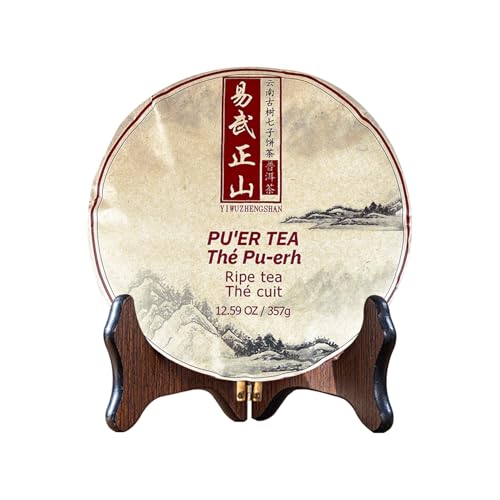
✅ Smooth and rich flavor for the price point
YiwuZhengshan Ancient Tree Pu'er Tea

✅ Pleasant floral aroma and fragrance
FullChea Puerh Tea Cakes 2008/2018 Menghai
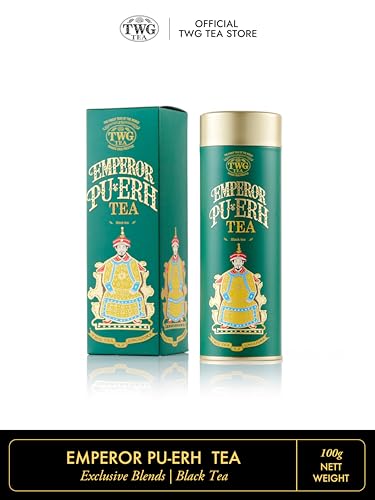
✅ Excellent flavor quality
TWG Emperor Pu-Erh Tea
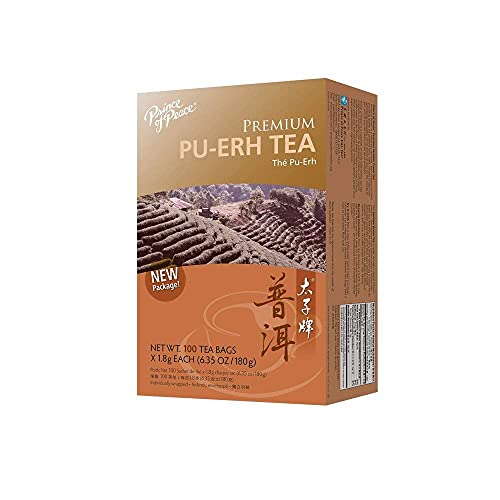
✅ No bitterness even after extended steeping
Prince of Peace Premium Pu-Erh Tea



We analyze real customer reviews to surface what matters: key strengths, ideal use cases, and honest considerations — so you can make an informed choice.
TAETEA 7542 Classic Raw Pu-erh Tea
A smooth, mellow sheng puerh with notes of chestnut, malt, and light smoke — a classic recipe designed for both daily drinking and long-term aging.
🎯 Best for: Daily drinking routine, Gong fu style brewing
🍃 Tastes like: smoky, malty, chestnut

What Stands Out
🍃 Flavor Profile
Strength: Moderate
Notes: smoky, malty, chestnut
✅ What Customers Love
- Smooth and mellow flavor profile (5 mentions)
- Good value for price (4 mentions)
- Multiple steepings possible (3+ infusions) (3 mentions)
🎯 Best For
Daily drinking routine • Gong fu style brewing • After heavy meals • Traditional tea ceremony
Brand: TAETEA
Category: Pu-erh Tea
As an Amazon Associate we earn from qualifying purchases.
About This Pu-erh Tea
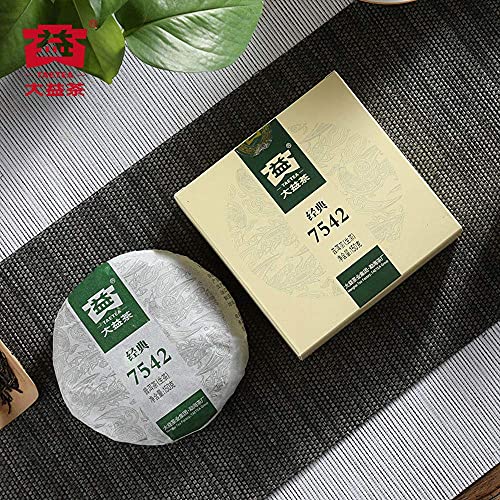
TAETEA's 7542 is a benchmark sheng puerh — smooth and mellow with a flavor profile that moves through chestnut and malt before settling into subtle tobacco and dark berry. Multiple steepings reveal evolving complexity, and reviewers note a pleasant chaqi energy that makes it particularly satisfying after heavy meals. The loosely pressed cake can crumble at the edges, which may be inconvenient for long-term storage but makes leaf separation straightforward for daily use. Best suited to puerh newcomers seeking an authentic introduction to sheng and to enthusiasts who want a reliable cake for aging experiments.
Is TAETEA 7542 Classic Raw Pu-erh Tea Right for You?
What does this TAETEA 7542 pu-erh taste like?
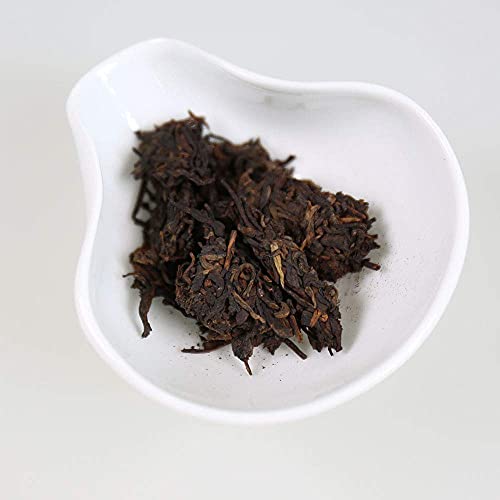
Reviewers describe a smooth, earthy tea with moderate strength — not overwhelmingly bold, but with genuine complexity. The dominant notes are smoky and malty, with undertones of chestnut, dark berry, and a subtle sweetness that some liken to vanilla. There's a light bamboo and tobacco quality as well. When young (which this cake is), expect some bitterness on early steeps that mellows into a sweeter, cleaner profile on later infusions. The mouthfeel is on the lighter side — some drinkers find it smooth and pleasant, while others note it's a bit thin and lacks the depth of more premium pu-erh cakes.
Is the TAETEA 7542 good for pu-erh beginners?
It's actually a solid starting point. Reviewers confirm that the 7542 recipe provides a classic, standard pu-erh flavor profile — think of it as the baseline that other raw pu-erhs are compared against. The moderate flavor strength won't overwhelm newcomers, and it's forgiving to brew — you can steep it lighter or darker without ruining it. The affordable price point makes it low-risk to try. The main caveat for beginners: this is raw (sheng) pu-erh, not ripe (shou). If you're expecting the dark, smooth, 'fermented' taste commonly associated with pu-erh, that's ripe pu-erh. Raw pu-erh is brighter, sometimes bitter when young, and more similar to green tea in some ways.
How to properly brew pu-erh tea?
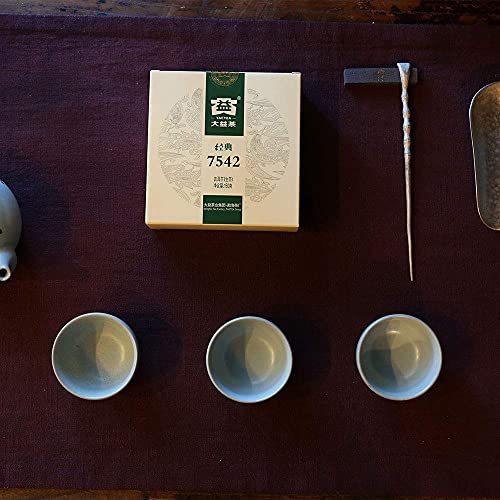
For this TAETEA 7542, gong fu style brewing brings out the best results. Use about 5-7 grams of tea in a small gaiwan or Yixing teapot (100-150ml). Rinse the leaves with boiling water for 5-10 seconds and discard — this 'wakes up' the compressed leaves. Then steep with freshly boiled water (200-212°F), starting with short infusions of 10-15 seconds and gradually increasing time with each steep. Reviewers confirm this cake handles multiple steepings beautifully, with 3+ infusions easily achievable and flavor evolving with each round. You can also brew it Western-style with less leaf and longer steeps if that's more your speed — this tea is forgiving either way.
How much pu-erh tea per cup?
For this TAETEA 7542, use about 5-7 grams (roughly a heaping teaspoon of broken-up cake) per 100-150ml of water if you're doing gong fu style, which is the best way to experience the full range of flavors. For a standard Western-style mug (250-300ml), use about 3-5 grams with a longer steep time. Since this is a 150g cake, you'll get roughly 20-30 gong fu sessions out of it, depending on how much you use per sitting. Each session can yield 3+ infusions, so a single serving goes a long way.
How many times can you brew pu-erh?
This TAETEA 7542 handles multiple steepings well — reviewers consistently report getting 3 or more solid infusions from a single serving, and with gong fu brewing you can often push that to 5-8 steeps. The flavor evolves with each infusion, which is part of the fun. Early steeps tend to be brighter and slightly more bitter, while later steeps smooth out into sweeter, more mellow territory with those chestnut and vanilla undertones coming through. This multi-steep quality is actually one of the strengths reviewers call out for this particular cake.
How to use a pu-erh tea cake?
To break apart this TAETEA 7542 cake, use a pu-erh knife or letter opener — insert it at an angle into the edge of the cake and gently pry upward to flake off a chunk. Try to separate the leaves rather than cracking them apart. Some reviewers note this particular cake isn't pressed very firmly and crumbles easily, which actually makes it easier to break apart than denser cakes. Aim for about 5-7 grams per session. Store the remaining cake somewhere cool, dry, and away from strong odors. No airtight container needed — pu-erh benefits from some air circulation for aging. The cake doesn't come with a storage container, so you'll want to have something ready.
As an Amazon Associate we earn from qualifying purchases.
Can I use this TAETEA 7542 for gong fu brewing?
Absolutely — gong fu style is the recommended way to brew this tea, and it's one of the use cases reviewers highlight as ideal. The compressed cake format is designed for gong fu brewing: break off 5-7 grams, rinse once, and do multiple short infusions. Reviewers note that the flavor evolves nicely across steepings, going from brighter and more astringent early on to smoother and sweeter in later rounds. The fact that it handles 3+ quality infusions easily makes it a good value for gong fu sessions. The cake does crumble easily, which actually makes portioning simpler if you don't have a pu-erh knife.
How to choose good pu-erh tea?
Look for reputable factories with established recipes — this TAETEA 7542 is a good example because the 7542 recipe is one of the most recognized blends in the pu-erh world, and TAETEA (Dayi) is one of the largest and most respected producers. Each authentic TAETEA cake comes with a verifiable QR code, which is a useful authenticity check. For raw pu-erh, examine the leaves — you want mostly whole leaves rather than excessive stems and dust. The cake should be reasonably well-pressed. That said, some reviewers of this particular cake note it can crumble easily and contains more stems than expected, so quality can vary between batches. When buying online, factor in the per-gram cost — this is a 150g cake, which is smaller than the standard 357g size.
Is this TAETEA 7542 good for aging?
It has potential. The 7542 recipe has decades of history as an aging standard — many collectors have aged this blend successfully over 10-20+ years. TAETEA is a reputable factory, and the recipe is well-established. However, some reviewers note concerns about this particular cake's leaf quality — more stems and broken leaves than expected, and a cake that doesn't hold together firmly. Higher-quality leaf material generally ages better, so while this is a fine entry-level aging experiment, serious collectors might want a tighter-pressed cake with more whole leaves. At 150g (smaller than the standard 357g cake), it's also a modest amount to age. Good for learning about pu-erh aging without a big investment.
Is this a good pu-erh tea for the price?
It depends on what you're comparing it to. Reviewers are split — several call it good value for the quality, while others point out that at 150g (less than half the standard 357g cake), the per-gram cost isn't as cheap as it first appears. You can find higher-quality pu-erh at comparable per-gram prices if you buy standard-sized cakes. That said, the smaller size is actually an advantage if you're trying pu-erh for the first time or want variety without committing to a large cake. The smooth flavor, multiple steepings, and authentic TAETEA pedigree do offer reasonable value. Just go in with eyes open about the smaller size.
Is the TAETEA 7542 authentic?
Authenticity is always a concern with pu-erh, and TAETEA cakes are among the most counterfeited in the market. The good news is that this cake comes with a verifiable QR code — reviewers specifically mention being able to confirm authenticity through TAETEA's verification system. That's a meaningful reassurance that you're getting genuine Dayi factory tea. If the QR code doesn't verify, you'd have grounds for a return. The 7542 recipe is one of TAETEA's flagship products, so the verification system is well-established.
What does 7542 mean in pu-erh tea?
The 7542 is a recipe number that tells you a lot about this tea. The '75' means the recipe was first created in 1975. The '4' indicates the grade of the leaves used (grade 4 out of 10, which is a mid-grade leaf — not the finest tips, but solid quality). The '2' identifies the factory — in this case, Menghai Tea Factory, which is TAETEA/Dayi. This recipe has been in continuous production for decades and is considered one of the benchmark blends for raw pu-erh. When pu-erh collectors talk about 'classic' sheng, the 7542 is often what they mean.
As an Amazon Associate we earn from qualifying purchases.
Why is this pu-erh cake only 150g instead of the standard 357g?
The standard pu-erh cake is 357g, but TAETEA produces this 7542 in a smaller 150g format — likely aimed at the online retail market where buyers may be trying pu-erh for the first time and don't want to commit to a full-sized cake. It's a lower price point upfront, which makes it more accessible. However, several reviewers point out that when you calculate the per-gram cost, it's not necessarily cheaper than buying a full 357g cake of comparable or even better quality. Think of it as a sample-friendly size: great for trying the 7542 recipe, but if you love it, a full-sized cake would be better value long-term.
How should I store this pu-erh tea cake?
Keep it somewhere cool (room temperature is fine), dry, well-ventilated, and away from strong odors — pu-erh absorbs smells easily. Don't seal it in an airtight container if you want it to age; it needs some air circulation for the fermentation process to continue. A breathable paper bag, cardboard box, or dedicated pu-erh storage jar works well. Note that this cake doesn't come with a storage container, so you'll need to provide your own. Avoid storing near the kitchen where cooking odors are strong, and keep it out of direct sunlight. Humidity around 60-70% is ideal if you're serious about aging.
Is this TAETEA 7542 good as a gift?
Honestly, it's not the best gifting choice. While the TAETEA brand name carries weight among tea enthusiasts, reviewers report inconsistent packaging quality — broken seals and damaged packaging are mentioned multiple times. For a gift, presentation matters, and you'd want confidence that it arrives looking premium. The 150g size also feels modest compared to a standard 357g cake. If you're gifting to a pu-erh enthusiast who cares more about the tea than the presentation, the classic 7542 recipe from a reputable factory is meaningful. But for a general gift or someone new to tea, you'd probably want something with more reliable packaging.
What's the difference between raw and ripe pu-erh, and which is this?
This TAETEA 7542 is a raw (sheng) pu-erh. Raw pu-erh is made from sun-dried tea leaves that are pressed into cakes and left to ferment naturally over years or decades. It starts out brighter, sometimes bitter, with green and floral notes, and gradually transforms into something darker and smoother with age. Ripe (shou) pu-erh uses an accelerated fermentation process to mimic aged raw pu-erh — it's dark, earthy, and smooth right away. If you're expecting that classic dark, smooth pu-erh taste, this isn't it. This 7542 is a young sheng with smoky, malty, and slightly bitter characteristics that will evolve over time.
What is special about pu-erh tea?
Pu-erh is unique because it's a fermented tea that actually improves with age, much like wine. This TAETEA 7542 is a raw (sheng) pu-erh, meaning it undergoes natural microbial fermentation over time rather than the accelerated process used for ripe pu-erh. What makes it special is the complexity — drinkers describe smoky, malty, and chestnut notes with hints of dark berry and vanilla. It also produces a noticeable 'chaqi' or tea buzz that many tea lovers specifically seek out. The 7542 recipe is actually one of the most famous and widely recognized pu-erh blends in the world, produced by TAETEA (Dayi), considered a benchmark for raw pu-erh.
Why should you not drink raw pu-erh on an empty stomach?
Young raw (sheng) pu-erh like this TAETEA 7542 contains more active polyphenols and tannins than ripe pu-erh, which can stimulate stomach acid production and cause nausea or discomfort on an empty stomach. This tea is actually recommended as an after-meal drink — reviewers specifically praise it for aiding digestion after heavy meals. If you want to enjoy it earlier in the day, have a small snack first. As raw pu-erh ages, it mellows out and becomes gentler on the stomach, which is one reason many people buy cakes like this to age over time.
As an Amazon Associate we earn from qualifying purchases.
What are the benefits of drinking pu-erh tea?
Based on what reviewers of this TAETEA 7542 actually report: improved digestion after heavy meals is the most consistently validated benefit. The chaqi (tea energy) effect is another big one — a pleasant, calm alertness that multiple drinkers specifically mention. One reviewer described the emotional comfort as feeling like 'wrapping your heart in a warm blanket.' Beyond the subjective experiences, pu-erh is traditionally valued for supporting metabolism, reducing cholesterol, and aiding gut health through its unique fermentation-derived compounds. The ritual of gong fu brewing itself — the focused, meditative process — is a benefit many drinkers value just as much as the physical effects.
What happens when you drink pu-erh tea every day?
Many daily pu-erh drinkers report improved digestion, especially after heavy or greasy meals — that's actually one of the most validated benefits of this TAETEA 7542 based on customer feedback. You'll likely notice a gentle energy boost from the chaqi (tea energy) effect, which reviewers describe as a warm, calming alertness rather than the jittery kick from coffee. Some people describe it as an emotional comfort, like 'wrapping your heart in a warm blanket.' Over time, daily drinkers often develop a deeper appreciation for the flavor as their palate adjusts to the earthy, smoky profile.
Is pu-erh tea healthier than coffee?
They're different rather than strictly better or worse. This TAETEA 7542 offers a different kind of energy — reviewers describe the chaqi effect as a calm, focused alertness rather than the spike-and-crash many people experience with coffee. Pu-erh contains L-theanine alongside caffeine, which promotes relaxation without drowsiness. Reviewers specifically validate its digestive benefits after heavy meals, which coffee can actually worsen for some people. Pu-erh also provides antioxidants and polyphenols. The trade-off is less raw caffeine punch, so if you need a strong jolt to wake up, coffee still wins on that front.
Is pu-erh healthier than green tea?
Both are healthy in different ways. Green tea is well-studied for its catechins and antioxidants. Pu-erh, especially raw pu-erh like this TAETEA 7542, shares many of those same compounds but adds unique benefits from the fermentation process — particularly for digestion. Reviewers specifically confirm this tea works well after heavy meals. Pu-erh also contains unique microbial metabolites that green tea doesn't have. The honest answer is that both are excellent choices, and pu-erh isn't necessarily 'healthier' — it's just different. If digestive support and a unique energy experience matter to you, pu-erh has the edge.
Is pu-erh tea high in caffeine?
Pu-erh tea has a moderate caffeine content — generally around 30-70mg per cup, which puts it below coffee but in line with or slightly above most black teas. This TAETEA 7542 is a raw (sheng) pu-erh, which tends to have a bit more caffeine than ripe (shou) pu-erh. Reviewers specifically mention a noticeable 'chaqi' or tea buzz effect, which is a combination of caffeine and L-theanine creating a calm, focused energy. It's enough to be a good morning or afternoon pick-me-up without keeping most people up at night if consumed earlier in the day.
Is pu-erh tea good for sleep?
Not really — raw pu-erh like this TAETEA 7542 has moderate caffeine and reviewers specifically note the chaqi (tea buzz) energy effect, so drinking it close to bedtime isn't ideal for most people. This tea is better suited as a morning or afternoon drink, or after a heavy lunch or dinner to aid digestion. If you're sensitive to caffeine, give yourself at least 4-6 hours before bed. Ripe (shou) pu-erh is generally gentler and lower in caffeine if you want an evening option, but this is a raw (sheng) pu-erh — a different experience entirely.
As an Amazon Associate we earn from qualifying purchases.
How long should I steep pu-erh tea?
With this TAETEA 7542, it depends on your brewing method. For gong fu style (recommended), start with quick 10-15 second steeps and add 5-10 seconds with each subsequent infusion. You'll notice the flavor shifting from brighter and slightly bitter in early steeps to smoother, sweeter, and more mellow in later ones. For Western-style brewing in a mug or larger teapot, steep for 2-3 minutes with about a teaspoon of tea. Reviewers note this tea is forgiving — you can steep it lighter for a subtle cup or push it darker for more intensity without it becoming unpleasant.
Is it good to drink pu-erh tea every day?
Yes, and this TAETEA 7542 is actually well-suited for daily drinking — it's one of the recommended use cases for this tea. The flavor is smooth and mellow enough that it won't overwhelm your palate day after day, and at a moderate flavor strength, it works well as a routine tea. Reviewers consistently highlight the digestive benefits after heavy meals. Just keep in mind that raw (sheng) pu-erh like this one can be a bit bitter when young and shouldn't be consumed on an empty stomach, so it's best enjoyed with or after food.
Which has more caffeine, pu-erh or green tea?
Raw pu-erh like this TAETEA 7542 typically has somewhat more caffeine than most green teas, though it varies by specific tea and brewing method. Where pu-erh really differs is in the effect — multiple reviewers of this tea describe a pronounced chaqi (tea energy) that feels different from the light lift of green tea. The combination of caffeine with the unique compounds produced during fermentation creates a warmer, more grounding energy. And since you'll steep this cake multiple times per session, you're getting a sustained, gradual caffeine release rather than a single hit.
Does aged pu-erh tea have caffeine?
Yes, aged pu-erh still contains caffeine, though the amount can decrease slightly with age as the tea undergoes chemical changes during fermentation. This TAETEA 7542 is a relatively young raw pu-erh, so it'll have a noticeable caffeine presence — reviewers specifically mention the chaqi (tea buzz) effect. If you age this cake for several years, you'll likely notice the stimulating effect becoming gentler and smoother. But don't expect it to become caffeine-free — even well-aged pu-erh retains meaningful caffeine content.
What are the negative effects of pu-erh tea?
The main concern with raw pu-erh like this TAETEA 7542 is stomach sensitivity — drinking it on an empty stomach can cause nausea or discomfort due to the active polyphenols. The caffeine content may cause jitteriness or sleep disruption if you drink too much or too late in the day. Some people experience a strong chaqi (tea buzz) that can feel overwhelming if they're not used to it. Tannins in pu-erh can also reduce iron absorption, so avoid drinking it right with iron-rich meals if that's a concern. Start with lighter steeps and smaller amounts if you're new to pu-erh.
Who should not drink pu-erh tea?
Raw pu-erh like this TAETEA 7542 is more stimulating than ripe pu-erh, so people who are sensitive to caffeine should be cautious, especially in the evening. Pregnant or nursing women should consult their doctor first. People with iron deficiency may want to avoid drinking it with meals since tea can reduce iron absorption. Those with stomach sensitivity should be particularly careful with young raw pu-erh — it's more astringent and can irritate an empty stomach. If you have any chronic health conditions or take medication, it's always worth checking with your doctor.
What Makes This Product Special
⚠️ Preliminary analysis based on 23-review sample • Our methodology
- Smooth and mellow flavor profile (5 mentions)
- Good value for price (4 mentions)
- Multiple steepings possible (3+ infusions) (3 mentions)
- Classic 7542 recipe - standard puerh flavor (3 mentions)
- Authentic TAETEA brand with verifiable QR code (2 mentions)
- Pleasant chaqi/tea buzz effect (2 mentions)
Taste Profile
- smooth
- earthy
- mellow
- slightly sweet
- bitter (when young)
- light
- clear
Best Use Cases
🎯 Best For
- Daily drinking routine
- Gong fu style brewing
- After heavy meals
- Traditional tea ceremony
- Long-term aging potential
⚠️ Not Ideal For
- Gifting (due to packaging issues)
- Immediate consumption without aging (very young sheng)
- Those expecting ripe/shou puerh flavor
What to Consider
- Broken seal or damaged packaging upon arrival (4 mentions)
- Foreign objects found (hair, stones, twigs) (4 mentions)
- Cake not pressed firmly - crumbles easily with broken edges (3 mentions)
- Thin mouthfeel, lacks depth (2 mentions)
- Contains many stems and broken leaves, tea dust (2 mentions)
- No proper storage container included (1 mentions)
- Artificial smell/taste reported by some (1 mentions)
⚠️ based on 23-review sample. Some issues may not be captured.
About This Analysis
This analysis is based on 23 customer reviews. We're showing you everything we found, but with a moderate sample, there's a lot we likely haven't captured yet.
✅ What we're confident about: What customers love and best use cases
⚠️ What may be incomplete: Potential issues and considerations
For more perspectives, check customer reviews on Amazon.
Product Selection
In short: We only feature high-rated products.
Products on TeaDelight.net are selected based on strong Amazon customer ratings, sufficient review volume, and market presence. We focus on well-regarded products that tea enthusiasts are actively considering and purchasing.
As an Amazon Associate we earn from qualifying purchases.