






We analyze real customer reviews to surface what matters: key strengths, ideal use cases, and honest considerations — so you can make an informed choice.
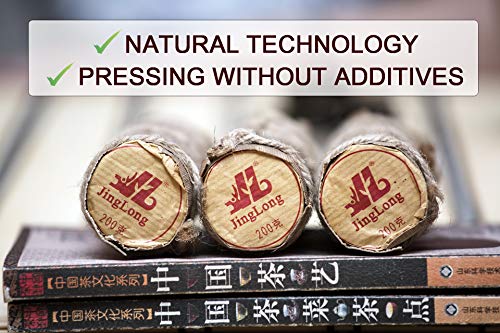
Jinglong Pu-erh Tea in Bamboo Leaf Tube
A fermented shou puerh with a bold earthy character — smooth, rich notes of chocolate, mushroom, and dried plum that deepen with each successive steep.
🎯 Best for: Morning energy routine, Coffee replacement
🍃 Tastes like: chocolate, mushroom, dried fruit (plum, cherry)

What Stands Out
🍃 Flavor Profile
Strength: Bold
Notes: chocolate, mushroom, dried fruit (plum, cherry)
✅ What Customers Love
- Rich, earthy taste characteristic of quality puerh (10 mentions)
- Smooth, mellow flavor without harsh tannins (8 mentions)
- Attractive bamboo packaging (8 mentions)
🎯 Best For
Morning energy routine • Coffee replacement • Multiple steeping sessions • Making kombucha
Brand: Jinglong Tea Factory
Category: Pu-erh Tea
As an Amazon Associate we earn from qualifying purchases.
About This Pu-erh Tea
This ripe puerh delivers a full-bodied, complex cup with layers of dark chocolate, mushroom, and autumn earthiness that remain smooth and mellow without harsh tannins. The compressed tablets portion cleanly and support four to six rewarding steeps, with the flavor evolving from robust to softer and sweeter as the session progresses. Reviewers note it works particularly well in clay pots, which help round out any rougher edges. A rinse steep is strongly recommended — skipping it can introduce unwanted astringency. Best suited to those exploring fermented puerh for the first time or replacing a morning coffee habit, though whole-leaf purists may want to look elsewhere.
Is Jinglong Pu-erh Tea in Bamboo Leaf Tube Right for You?
What does this Jinglong pu-erh taste like?
This is a bold, full-bodied ripe pu-erh with a rich, earthy base that reviewers love. The dominant notes are chocolate and mushroom, with undertones of dried fruit — think plum and cherry — plus woodsy, autumn-leaf character. Despite the boldness, it's remarkably smooth and mellow, without the harsh tannins you sometimes get with cheaper pu-erh. The flavor is complex and develops across multiple steeps. Some reviewers note it has a slightly different funk than typical pu-erh, which can be intriguing or perplexing depending on your expectations.
How do you properly brew this Jinglong pu-erh tea?
The most important step with this tea is rinsing it first — pour hot water over the compressed tea, let it sit for about 10 seconds, then discard that water. Reviewers who skip this step report off flavors or astringency, while those who rinse properly get that smooth, mellow cup this tea is known for. After rinsing, steep with freshly boiled water (200-212°F) for 2-3 minutes for your first cup. The compressed cakes break cleanly, so portioning is straightforward — no tea knife needed. For the best experience, some reviewers recommend using a clay or purple sand pot, which helps mellow the flavor even further.
Why does my pu-erh taste bitter or astringent?
Almost certainly because you skipped the rinse step. Reviewers who report off flavors or astringency with this tea consistently weren't rinsing first. The fix is simple: pour boiling water over the tea, let it sit for 10 seconds, then dump that water out entirely. Your first real steep should then be smooth and mellow. Also make sure you're not over-steeping — start with 2-3 minutes and adjust from there. This tea is naturally smooth when brewed correctly; bitterness is almost always a technique issue, not a tea issue.
How do you use this pu-erh tea cake?
This Jinglong pu-erh comes in compressed tablets or small cakes that break apart cleanly — no special tea knife required, which is a big plus if you're new to pu-erh. Just break off a portion (about 3-5 grams per cup), place it in your teapot or infuser, rinse with hot water for 10 seconds and discard, then steep with fresh boiling water for 2-3 minutes. The easy portioning is something reviewers specifically appreciate about this tea compared to larger pu-erh cakes that can be a hassle to break apart.
How long should I steep this pu-erh?
Start with about 2-3 minutes for your first steep after the initial rinse. What's great about this Jinglong pu-erh is that it handles multiple steepings well — reviewers report getting 4 to 6 good steeps from a single portion, with the flavor developing and shifting across steeps. You can gradually increase steeping time by 30 seconds to a minute with each round. That said, a couple of reviewers found the tea exhausted after just one steep, so your mileage may depend on how much tea you use per cup.
Is this whole-leaf pu-erh tea?
No, and it's worth being upfront about this. This Jinglong pu-erh is made from fannings, broken leaves, and stems rather than whole leaves. That's a step down from premium-grade pu-erh in terms of leaf quality. However, most reviewers don't seem to mind — the flavor is still smooth, rich, and complex, and the lower grade is reflected in the more accessible price point. If you're a pu-erh connoisseur looking for whole-leaf quality, this won't be your top pick. But for daily drinking, coffee replacement, or getting into pu-erh, it delivers well above what the leaf grade might suggest.
As an Amazon Associate we earn from qualifying purchases.
Is this pu-erh good for beginners?
Yes, this is actually an excellent entry point into pu-erh. The compressed tablets break cleanly without needing a tea knife (a common intimidation factor with pu-erh cakes), the brewing instructions are simple, and the tea is forgiving if your technique isn't perfect yet. The smooth, mellow flavor profile is approachable — you get that characteristic earthy pu-erh taste without overwhelming bitterness. Just remember to rinse the tea before your first steep — that's the one technique that really matters for getting a good cup. The price point also makes it low-risk for experimentation.
How many times can you brew this pu-erh?
Reviewers consistently report getting 4 to 6 good steeps from a single portion of this Jinglong pu-erh, with the flavor evolving across steeps — starting bold and earthy, then softening into sweeter, more nuanced notes. That's one of the real value propositions here: with 80 cups worth of tea and multiple steeps per portion, you're looking at potentially 300+ cups from a single tube. Just remember to rinse the tea before your first steep, and gradually increase steeping time with each round.
Is this pu-erh tea high in caffeine?
Yes, this Jinglong pu-erh has a notable caffeine kick. Reviewers specifically mention using it for morning energy and as a coffee replacement, which tells you it's on the higher end for tea. Ripe pu-erh generally contains around 60-70mg of caffeine per cup, comparable to a light cup of coffee. Multiple reviewers confirm the energy boost is real. If you're caffeine-sensitive, this probably isn't the best choice for afternoon or evening drinking.
Is pu-erh tea healthier than coffee?
Many reviewers of this Jinglong pu-erh switched from coffee and are happy with the trade. You still get a solid caffeine boost for morning energy, but pu-erh brings extras that coffee doesn't: probiotic benefits from the fermentation process, digestive support, and what reviewers describe as a calmer, more balanced energy without the coffee jitters. The fermented nature of pu-erh also means it's generally easier on the stomach than coffee. Several reviewers specifically mention it as their preferred coffee replacement.
What are the benefits of drinking pu-erh tea?
Reviewers of this Jinglong pu-erh report several specific benefits: a morning energy boost comparable to coffee, digestive support and detox benefits from the fermentation, and an interesting combination of alertness with a sense of calm and happiness. The fermentation process creates natural probiotics, which is unique to pu-erh among teas. Some reviewers also found unexpected uses — it works surprisingly well for making kombucha and as an iced tea. The multiple steeping capability (4-6 steeps) also means you get sustained benefits throughout a session.
What happens when you drink pu-erh tea every day?
Based on what reviewers of this Jinglong pu-erh report, daily drinking brings consistent energy for morning routines, improved digestion from the probiotic benefits of fermentation, and a general sense of well-being. Several people who switched from daily coffee say they prefer the way pu-erh makes them feel — energized but calm, without the crash. At 80 cups per tube and multiple steeps per portion, this tea is actually designed for daily drinkers. Just be mindful of the caffeine if you're drinking multiple cups.
As an Amazon Associate we earn from qualifying purchases.
What are the negative effects of pu-erh tea?
The main concern with this Jinglong pu-erh is the caffeine content — if you're sensitive, it can cause jitteriness or disrupt sleep, so stick to morning cups. Some reviewers also note that skipping the rinse step leads to astringency or off flavors, which can cause stomach discomfort in some people. A couple of reviewers reported finding small debris in their tablets, so it's worth inspecting your tea before brewing. On the whole, though, most reviewers report positive effects including improved energy and digestion.
Is pu-erh tea good for sleep?
Not this one, honestly. This Jinglong pu-erh has high caffeine content — reviewers use it specifically for morning energy and as a coffee replacement. Drinking it before bed would likely keep you up. If you want a tea for sleep, you'd be better off with an herbal or a very aged pu-erh (which tends to have slightly less caffeine). Save this one for your morning routine where it really shines.
Can you brew this pu-erh gongfu style?
Yes, and some reviewers specifically mention using it for traditional gongfu brewing with excellent results. Use a smaller vessel (gaiwan or small teapot), a higher leaf-to-water ratio, and shorter steep times (10-20 seconds to start, increasing gradually). Reviewers who use clay or purple sand pots note that the vessel helps mellow the flavor even further. The compressed tablets actually work well for gongfu since you can break off exactly the amount you need. The 4-6 steep potential really shines in gongfu style, where you can explore how the flavor develops across each round.
Can you make iced tea with this pu-erh?
Absolutely — and reviewers specifically call this out as an unexpected winner for iced tea. Brew it a bit stronger than usual (since ice will dilute it), do your rinse step as normal, then steep for 3-4 minutes. Pour over ice or let it cool in the fridge. The earthy, chocolatey notes translate really well cold. Some reviewers also mention it pairs nicely with oat milk for an iced pu-erh latte situation, which is worth trying if you like creamy cold drinks.
Does this pu-erh pair well with milk?
Reviewers specifically mention that this Jinglong pu-erh pairs well with oat milk, which makes sense given its bold, chocolatey, full-bodied character. The earthy richness stands up to milk without getting lost, similar to how a strong English breakfast would. It's worth experimenting with — the chocolate and dried fruit notes can create an almost latte-like experience. If you're coming from coffee, a pu-erh with oat milk might be the easiest transition.
Can you use this pu-erh to make kombucha?
Yes, and this is one of the more surprising discoveries from reviewers — this Jinglong pu-erh works really well as a kombucha base. The fermented character of pu-erh gives the SCOBY a great starting point, and the bold, earthy flavor creates a more complex kombucha than you'd get with plain black or green tea. The easy portioning and lower price point make it practical for kombucha brewing, where you're using a fair amount of tea per batch.
As an Amazon Associate we earn from qualifying purchases.
What's the best way to use the bamboo packaging?
The bamboo leaf tube is one of the things reviewers love about this tea — it looks great and makes for an attractive shelf display or gift. It's primarily decorative and protective packaging for the compressed tea tablets inside. Some people repurpose the tube for storing other loose leaf teas after finishing this one. It also makes the tea a noticeably nicer gift than a typical foil bag, which several reviewers mention as a plus.
How to choose good pu-erh tea?
When choosing pu-erh, look for a smooth, mellow flavor without harsh tannins — that's a sign of proper fermentation. This Jinglong Tea Factory ripe pu-erh delivers on that front, with reviewers consistently noting its smooth, earthy character. However, it's worth knowing this tea is made from fannings and broken leaves rather than whole leaf, which puts it in a more everyday-drinker category rather than a collector's grade. For the price point and 80-cup quantity, it's a solid choice if you want a reliable daily pu-erh without investing in premium loose leaf.
Is it good to drink pu-erh tea every day?
Many people drink pu-erh daily, and this Jinglong pu-erh is actually well-suited for that. Reviewers use it as a morning energy routine and coffee replacement, appreciating the caffeine boost alongside a sense of calm and happiness they get from the ritual. The 80-cup quantity and easy portioning make it practical for daily brewing. Just keep in mind that pu-erh is relatively high in caffeine, so if you're sensitive to caffeine, you may want to limit yourself to morning cups or switch to something lighter in the afternoon.
How much pu-erh tea should I use per cup?
For this Jinglong pu-erh, use about one compressed tablet or 3-5 grams per cup (roughly 8 ounces of water). The compressed cakes break cleanly, making it easy to get consistent portions every time. If you're brewing gongfu style in a smaller vessel, you can use a bit more tea and shorter steep times. The 7.1-ounce tube is portioned for about 80 cups, so each serving works out to roughly 2.5 grams if you're measuring precisely.
Is pu-erh healthier than green tea?
They're healthy in different ways. Pu-erh is a fermented tea, so it brings unique probiotic benefits that green tea doesn't have — reviewers of this Jinglong pu-erh specifically mention digestive and detox benefits. Green tea is higher in certain antioxidants like EGCG. Pu-erh tends to be gentler on the stomach than green tea due to the fermentation process, which makes it a good choice if green tea bothers your digestion. Both are excellent teas — it really comes down to what your body responds to best.
Who should not drink pu-erh tea?
Pu-erh tea is generally safe for most people, but this particular tea has high caffeine content — reviewers specifically mention it as a coffee replacement for energy. If you're caffeine-sensitive, pregnant, or nursing, you'll want to be cautious. People on blood-thinning medications should also consult their doctor, as pu-erh can interact with certain medications. And if you're looking specifically for whole-leaf, premium-grade pu-erh, this one uses fannings and broken leaves, so it may not meet those expectations.
Customer-Validated Strengths
based on 30-review analysis • Our methodology
- Rich, earthy taste characteristic of quality puerh (10 mentions)
- Smooth, mellow flavor without harsh tannins (8 mentions)
- Attractive bamboo packaging (8 mentions)
- Easy to portion - compressed cakes break cleanly (7 mentions)
- Can be steeped multiple times (4-6 steeps) with lasting flavor (6 mentions)
- High caffeine content for energy (3 mentions)
Taste Profile
- smooth
- mellow
- earthy
- soft
- rich
- full-bodied
- complex
Best Use Cases
🎯 Best For
- Morning energy routine
- Coffee replacement
- Multiple steeping sessions
- Making kombucha
- Iced tea preparation
- Traditional gongfu brewing
⚠️ Not Ideal For
- Caffeine-sensitive individuals (high caffeine)
- Those seeking whole leaf tea
What to Consider
- Made from fannings/broken leaves and stems, not whole leaf (3 mentions)
- Requires proper rinsing to avoid off flavors or astringency (3 mentions)
- Quality concerns - some found plastic or trash inside tablets (2 mentions)
- Different funk/flavor than typical puerh - perplexing to some (2 mentions)
- Exhausted after one steep for some users (1 mentions)
- Oil on packaging in one case (1 mentions)
based on 30-review sample.
About This Analysis
This analysis is based on 30 customer reviews. We're showing you everything we found, but with our analysis, there's always more to discover.
✅ What we're confident about: What customers love and best use cases
⚠️ What may be incomplete: Potential issues and considerations
For more perspectives, check customer reviews on Amazon.
Product Selection
In short: We only feature high-rated products.
Products on TeaDelight.net are selected based on strong Amazon customer ratings, sufficient review volume, and market presence. We focus on well-regarded products that tea enthusiasts are actively considering and purchasing.
As an Amazon Associate we earn from qualifying purchases.
You Might Also Like
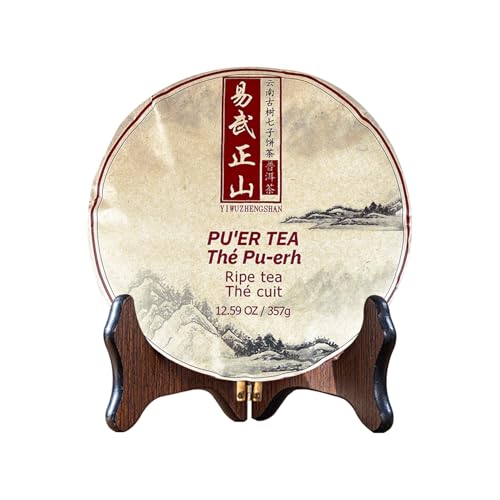
✅ Smooth and rich flavor for the price point
YiwuZhengshan Ancient Tree Pu'er Tea

✅ Pleasant floral aroma and fragrance
FullChea Puerh Tea Cakes 2008/2018 Menghai
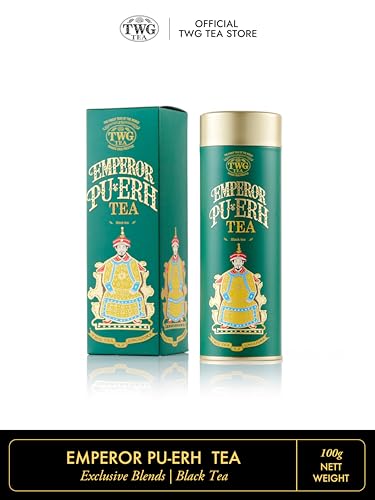
✅ Excellent flavor quality
TWG Emperor Pu-Erh Tea
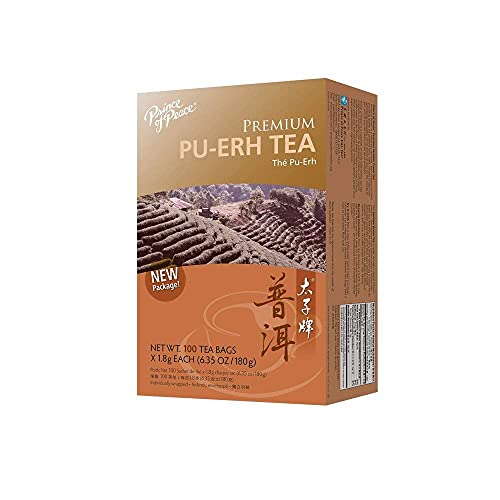
✅ No bitterness even after extended steeping