Index
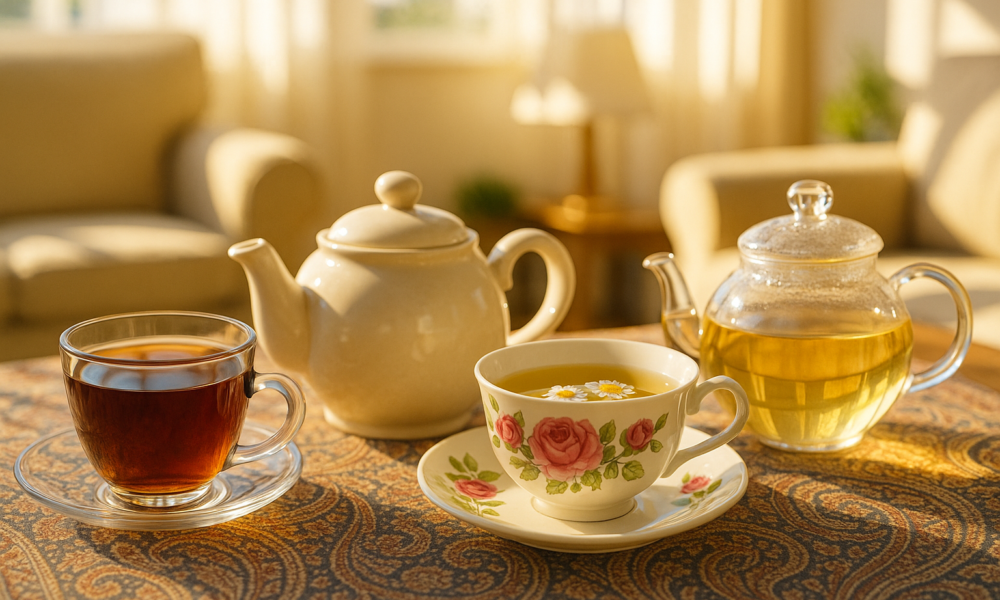
All true teas from the Camellia sinensis plant contain some amount of caffeine. The caffeine content ranges from 25-60 mg per 8-ounce cup, depending on the tea type. Black tea packs the strongest punch, while white tea offers a gentler dose.
Green and oolong teas fall somewhere in between. This guide will walk you through each tea type, compare their caffeine levels to other drinks, and explain the factors that affect caffeine content.
Key Takeaways
- All true teas from the Camellia sinensis plant contain caffeine, with black tea having the most (40-60 mg per cup).
- Green and oolong teas contain moderate caffeine (30-50 mg), while white tea has the least (25-40 mg).
- Tea generally contains less caffeine than coffee, with a standard cup of drip coffee having about 105 mg.
- Brewing factors like water temperature, steep time, and amount of leaves directly impact caffeine content in your cup.
- Herbal teas like chamomile contain zero caffeine, making them good evening options when you want to avoid stimulants.
Types of Tea That Contain Caffeine
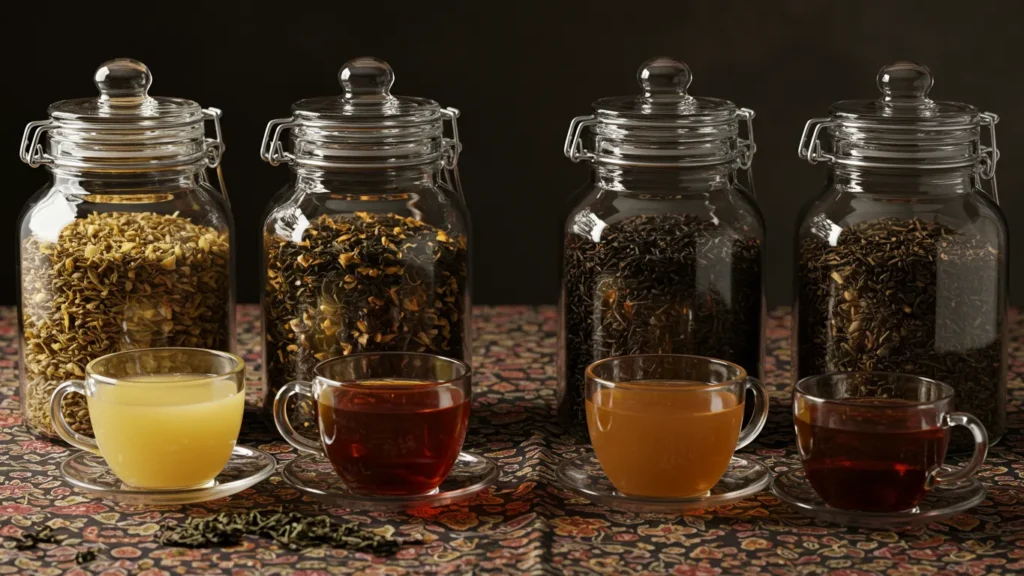
Most teas from the Camellia sinensis plant contain caffeine in varying amounts. Black, green, oolong, and white teas all pack this natural stimulant, with processing methods affecting final caffeine levels.
Black Tea
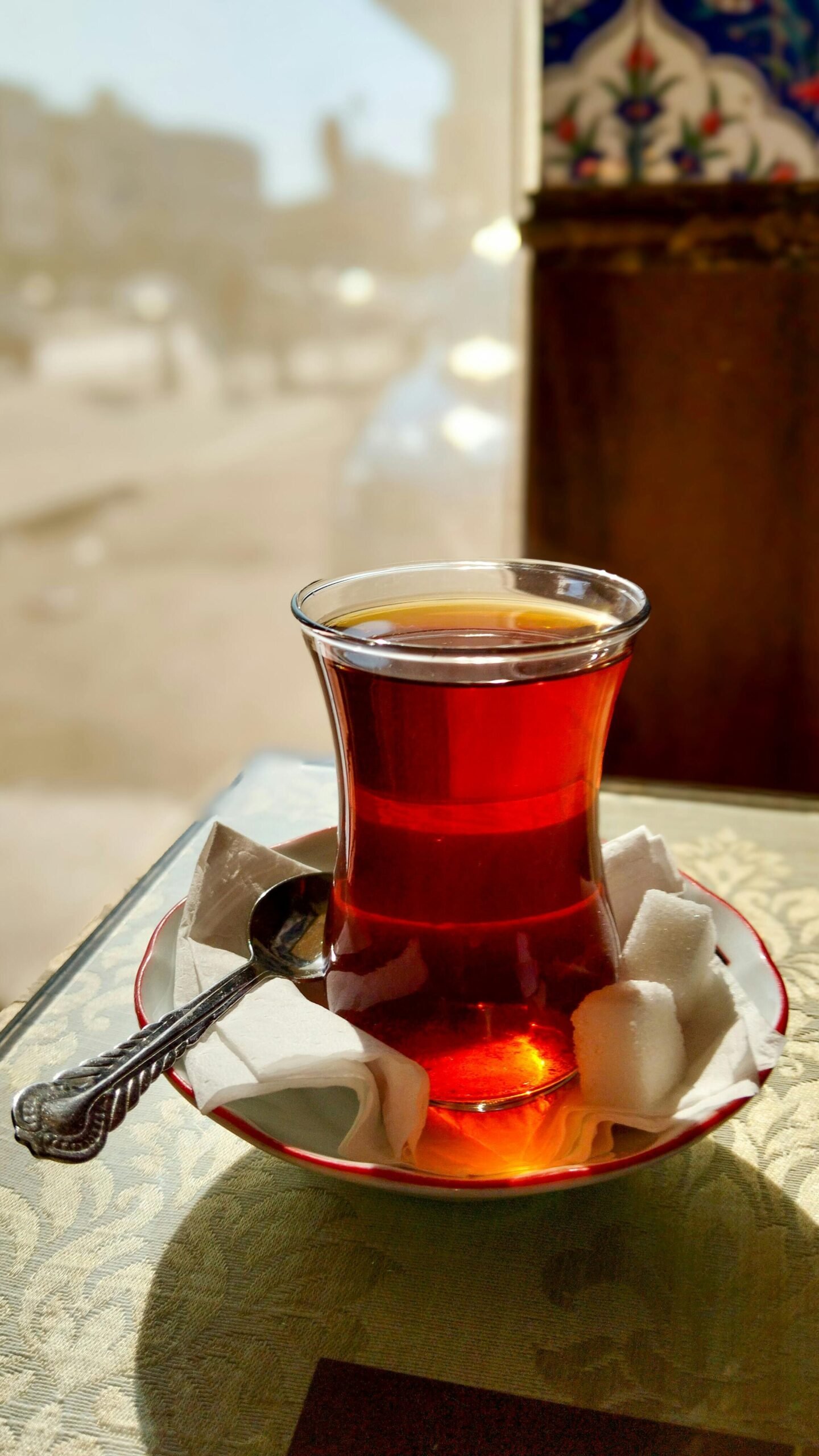
Black tea stands as the caffeine champion among all true teas from the Camellia sinensis plant. Each 8-ounce cup delivers a robust 40-60 mg of caffeine, making it a popular morning choice for many tea drinkers.
The leaves undergo full oxidation during processing, which creates its distinctive deep color and bold flavor profile. This oxidation process transforms the leaf compounds and results in higher caffeine levels compared to its less-processed cousins like green or white tea.
Many tea lovers enjoy black tea with milk or sugar to balance its strong taste. Popular varieties include Darjeeling from Northeast India, robust Assam, and smoky Lapsang Souchong from China.
The grading of tea leaves affects both quality and caffeine content, with whole leaf teas often containing more beneficial compounds. Black tea’s rich polyphenol content contributes to its potential health benefits while its caffeine provides a gentler energy boost than coffee.
Green Tea
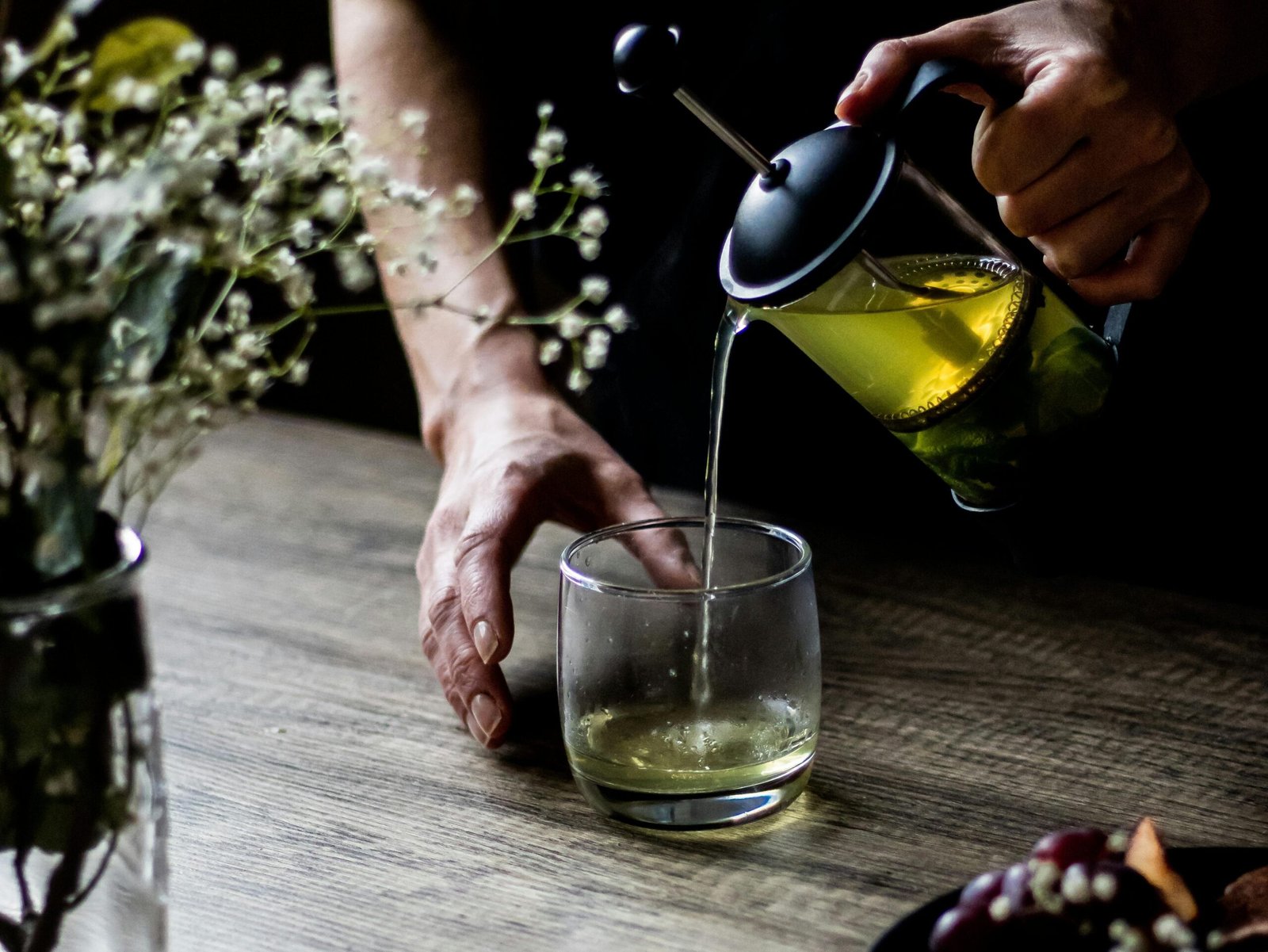
Green tea comes from the same plant as other teas but undergoes minimal processing. Farmers lightly steam or pan-fry the leaves to stop oxidation, preserving its delicate flavor and natural compounds.
A typical 8-ounce cup contains 30-50 mg of caffeine, making it a moderate caffeine source compared to coffee. The caffeine content varies based on brewing time, water temperature, and the specific green tea variety you choose.
Shade-grown green teas like Gyokuro and matcha pack more caffeine than standard varieties. These plants produce extra caffeine as a stress response to limited sunlight. Matcha delivers an even bigger caffeine boost because you consume the entire leaf ground into powder rather than just an infusion.
Green tea stands out from other caffeinated drinks thanks to L-theanine, an amino acid that works with caffeine to create a balanced energy effect without jitters.
The processing method for green tea preserves its catechins, powerful antioxidants linked to various health benefits. These compounds may support metabolism and help manage weight through thermogenesis—the process of heat production in organisms.
Next, we’ll explore oolong tea, which falls between green and black tea in terms of oxidation and caffeine content.
Oolong Tea
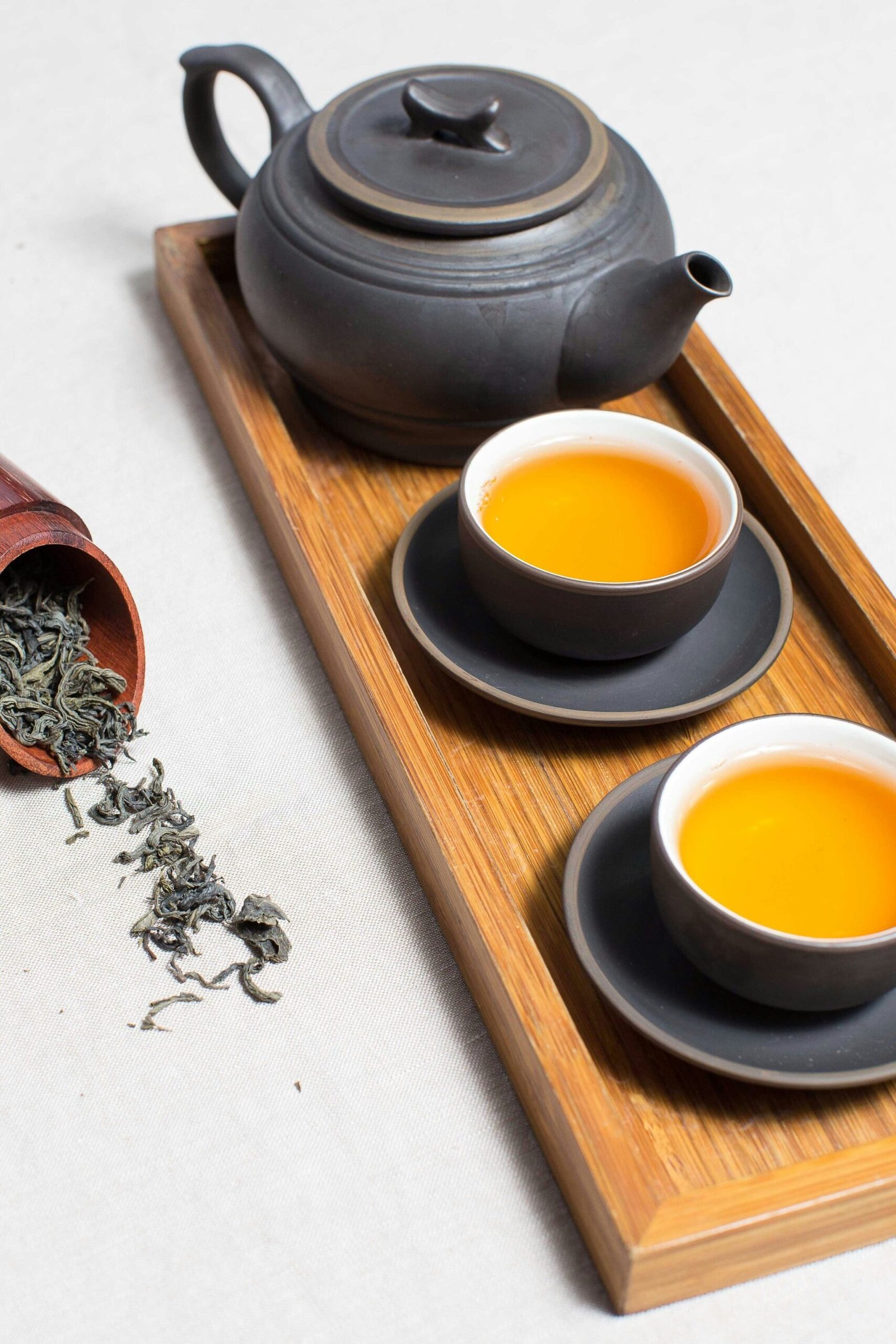
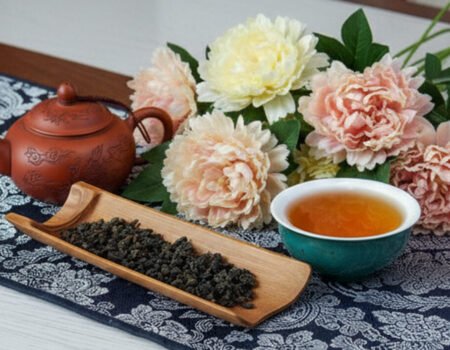
Oolong tea sits between black and green tea in the caffeine spectrum, delivering 30-50 mg per 8-ounce cup. This partially oxidized tea from the Camellia Sinensis plant offers a rich flavor profile that tea fans often describe as complex and satisfying.
Famous varieties like Tie Guan Yin and Da Hong Pao come from regions in China and Taiwan where tea masters perfect the art of partial oxidation.
Tea drinkers appreciate oolong for its balanced caffeine kick – stronger than white tea but gentler than black tea. The processing method creates unique phytochemicals that contribute to its distinct taste and aroma.
Many tea shops classify oolong as a middle-path option for those who find green tea too grassy or black tea too bold. Next, we’ll explore white tea and its place in the caffeine hierarchy.
White Tea
Unlike its more oxidized cousin oolong, white tea offers the mildest flavor profile in the tea family. This delicate brew comes from young, unoxidized leaves of the Camellia sinensis plant, giving it a subtle taste that tea enthusiasts prize.

White tea contains the lowest caffeine content among true teas, with only 25-40 mg per 8-ounce cup.
Silver needle tea, also known as Baihao Yinzhen, stands out among white tea varieties. These specialty teas often pack more caffeine than other white tea types despite their gentle flavor.
Tea processing plays a key role in preserving white tea’s natural qualities, as the leaves undergo minimal handling compared to black or green varieties. Fujian province in China produces some of the most sought-after white teas, prized for both their taste and lower stimulant effects.

Yorkshire Tea Black Tea (160 Teabags)
The 40-60mg caffeine benchmark—robust enough to satisfy coffee drinkers making the switch.
On the caffeine comparison chart, black tea occupies the 40-60mg range—roughly half a cup of coffee but with smoother energy and no jitters. Yorkshire Tea exemplifies this category with its robust, malty character that 18 reviewers praised for full-bodied flavor without the bitterness that can plague cheaper black teas.
⚠️ Skip this if you want something light for sipping throughout the day—this is sized for morning energy, not all-day grazing.
Comparing Tea Caffeine Levels to Other Beverages
Tea offers a moderate caffeine option compared to other popular drinks. Many people choose tea when they want a gentler energy boost without the intense effects of stronger caffeinated beverages.
| Beverage Type | Caffeine Content (per 8 oz) | Comparison Notes |
|---|---|---|
| Black Tea | 25-60 mg | Most caffeinated tea variety |
| Green Tea | 25-45 mg | Medium caffeine level |
| White Tea | 15-30 mg | Lowest caffeine among true teas |
| Oolong Tea | 30-50 mg | Falls between black and green tea |
| Decaffeinated Tea | 5-10 mg | Contains trace amounts despite processing |
| Drip Coffee | 105 mg | Nearly twice the caffeine of black tea |
| Espresso (1 oz shot) | 63 mg | Concentrated but less volume than tea |
| Iced Tea | 25-60 mg | Similar to hot tea of same variety |
| Energy Drinks | 80-150 mg | High caffeine plus added stimulants |
| Cola Sodas | 30-40 mg | Similar to green tea levels |
Tea provides a middle ground in the caffeine spectrum. The exact amount varies based on brewing time, water temperature, and leaf quality. People sensitive to caffeine often prefer tea over coffee because it delivers a more gradual energy release. This happens because tea contains L-theanine, an amino acid that modifies how caffeine affects the body.
Different tea processing methods directly impact caffeine content. Black tea undergoes complete oxidation, which preserves more caffeine than green tea processing. White tea, made from young leaves and minimal processing, typically contains the least caffeine among traditional teas.
Brewing matters too. Longer steep times extract more caffeine. Hot water pulls more caffeine than cold brewing. These factors make tea a flexible choice for customizing your caffeine intake throughout the day.


Factors That Influence Caffeine Content in Tea

Now that you understand how tea compares to coffee and other drinks, let’s explore what actually affects caffeine levels in your cup. Several key factors determine how much caffeine ends up in your tea.
The type of tea plant matters significantly – Camellia sinensis varieties contain different natural caffeine levels, with Camellia assamica typically having more caffeine than other varieties.
Harvest timing plays a crucial role too, as spring-harvested teas, especially prized silver needle teas, pack more caffeine than those picked later in the year.
Processing methods greatly impact caffeine content in loose leaf tea. Black teas undergo fermentation which preserves caffeine, while white teas experience minimal processing. Your brewing technique makes a big difference – hotter water (above 175°F) extracts more caffeine than cooler temperatures.
Steeping time directly affects strength; a 5-minute steep releases more caffeine than a 2-minute one. Shade-grown varieties like matcha and Gyokuro develop higher caffeine levels as a stress response to limited sunlight.
The amount of tea leaves used also matters – one tablespoon of loose tea delivers more caffeine than a standard tea bag containing less material.

COSORI Electric Gooseneck Kettle with Temperature Control
Temperature presets labeled by tea type—the practical tool for managing caffeine through brew temperature.
Water temperature directly affects caffeine extraction—hotter water (above 175°F) pulls more caffeine, while cooler water produces a gentler cup. This kettle's 5 preset temperatures (praised by 18 reviewers) take the guesswork out of applying that knowledge, with labeled settings for different tea types.
⚠️ Skip this if you're brewing for a crowd—the 0.8L capacity serves 1-2 people comfortably. For family tea time, consider the Evoloop's larger 1.7L capacity instead.
Conclusion

Tea offers a range of caffeine options to match your energy needs. Black tea packs the strongest punch, while white tea provides a gentler boost. Your brewing method matters too – longer steeping times and hotter water extract more caffeine from your leaves.
Herbal teas like chamomile and ginger contain zero caffeine, making them perfect evening choices. Whether you prefer loose leaf or tea bags, knowing these caffeine facts helps you make better choices for your daily cup.
With this information, you can enjoy the perfect tea experience that fits your lifestyle and caffeine preferences.
For those interested in exploring further, discover the varieties of naturally sweet teas at What Types of Tea are Sweet.
FAQs

1. Do herbal teas contain caffeine?
Most herbal teas or tisanes like chamomile and ginger are naturally caffeine-free because they don’t come from the actual tea plant. These herbal infusions are made from herbs, fruits, and flowers instead of tea leaves.
2. What is the difference between theine and caffeine in tea?
Theine and caffeine are the same compound, just with different names. People sometimes use “theine” when talking about tea, but chemically, it’s identical to the caffeine found in coffee beans.
3. Which tea has the most caffeine?
Matcha tea contains the highest caffeine levels because you consume the whole powdered green tea leaf. Black tea typically has more caffeine than green tea, while pu-erh teas fall somewhere in the middle range.
4. Is yerba mate caffeine-free?
No. Yerba mate contains mateine, which is actually caffeine by another name. This popular South American drink from the Ilex paraguariensis plant delivers a stimulating effect similar to coffee but with different health benefits.
5. How does decaffeination affect tea quality?
The decaffeination process removes most caffeine but can alter tea’s flavors and reduce some beneficial compounds. Many tea lovers notice subtle differences between regular and decaffeinated versions of their favorite teas.
6. Can I find caffeine in rooibos tea?
Rooibos is completely caffeine-free. This South African brew isn’t from the Camellia sinensis plant like true teas, making it a perfect evening option. It offers its own unique health benefits without the stimulating effects of caffeine.
References
- https://www.republicoftea.com/blog/tea-library/tea-and-caffeine/tl-039/?srsltid=AfmBOoqPZW4VC–nDRkjYhk0BOeuTZvh8Q8pjoAbs09wvjw0H3n2wKjl
- https://artfultea.com/blogs/101/types-of-tea-a-comprehensive-guide?srsltid=AfmBOorHdOwj8JrrLPuGwuid7MyvEfnJhDLTGZYM3rNedJ69enIIY9d1
- https://teapigs.com.au/blogs/blog/caffeine-in-green-tea?srsltid=AfmBOop77_pbBd744AQwWB7-lPkyi1ohb7yVyNNNWqOPKwtAHSJvzpji
- https://nutritionsource.hsph.harvard.edu/food-features/tea/
- https://dofotea.com/blogs/news/the-ultimate-oolong-tea-caffeine-guide?srsltid=AfmBOordPK21uhu3wh_XR8PZs-qJK-q0kCW_5KOOg2D-tr0dwBfZCgKS (2024-11-13)
- https://artfultea.com/blogs/tea-wisdom/does-white-tea-have-caffeine?srsltid=AfmBOorgwnkdCjIf3hzUHQYzHvmFZetyt00n8HlTfI1P7ymoSuI6dtGd
- https://livezesty.com/blogs/zest-blog/white-tea-and-caffeine-levels-zests-guide-to-white-tea?srsltid=AfmBOoopLbln9X1zuMrfwoBbbthELWi5kYa3GALf0dv8pW019NZSu7rk
- https://www.adagio.com/info/caffeine_and_tea.html?srsltid=AfmBOor9W3kceP6aMfFt1XvgB55cEkzbKMc0gSS4UPguXIZuJ7pcf5LO
- https://tecompanytea.com/blogs/tea-atelier/tea-caffeine?srsltid=AfmBOorqg4xYWQvnU2mJcZUE9kC9Qp9fvnAF15jUJIptvSgMZwIb_ffJ (2020-04-12)
- https://tecompanytea.com/blogs/tea-atelier/tea-caffeine?srsltid=AfmBOopX-w0LJX8eQ6Tfi4TBEPYQBToX2tlpFN82NdNDy5un6akrg72Z
Other Articles

True Teas and Tisanes: Tea Varieties and Flavors