Discover the Best Tea Type Teaware for Your Brewing Needs
Index
Each brewing vessel affects how your tea tastes and smells in unique ways. This guide will match you with ideal teapots, gaiwans, and accessories for every tea variety from delicate green teas to robust black teas.
Key Takeaways
- Different teaware materials impact tea flavor – porcelain promotes higher polyphenols, while Yixing clay absorbs tea oils to enhance taste over time.
- Match your teaware to tea type – glass works best for delicate green teas, while robust black teas benefit from heat-retaining materials like stoneware.
- Matcha requires specialized tools including a chawan bowl and bamboo chasen whisk with up to 120 prongs for proper preparation.
- Gongfu brewing styles work best with small 100-150ml vessels that concentrate flavors through multiple short infusions.
- Start your collection with versatile pieces like a gaiwan, which serves as both brewer and pouring vessel for sampling different teas.
Understanding Key Teaware Materials
The material of your teaware shapes how your tea tastes and feels. Different materials interact with tea in unique ways, affecting flavor, aroma, and heat retention.
Porcelain and Glass: The Neutral Choices
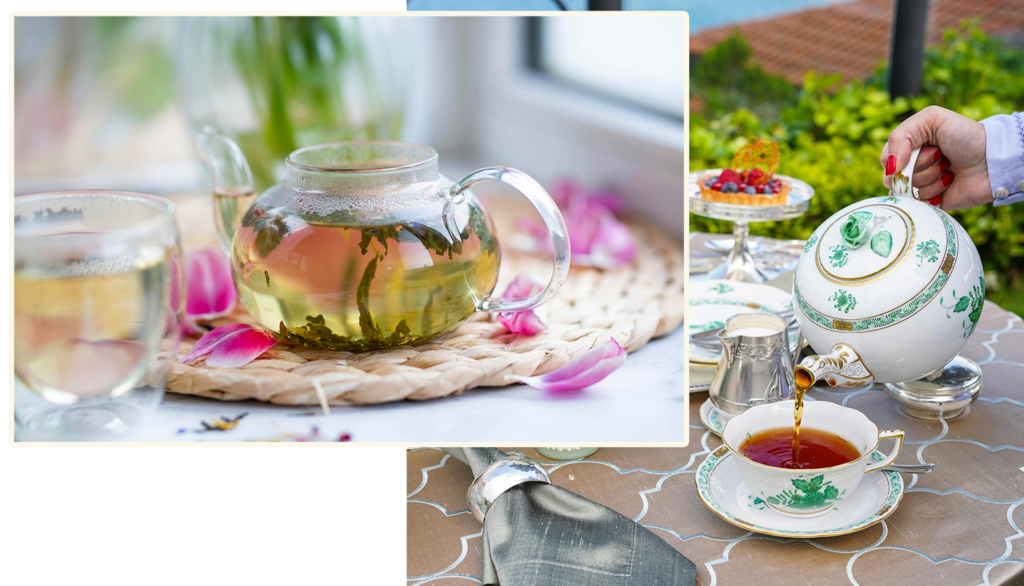
Porcelain teaware stands as a top choice for serious tea drinkers, with six distinct products available in our collection. Scientific studies show porcelain promotes higher levels of polyphenols and soluble carbohydrates in your brew.
This material works wonders with black tea varieties like Earl Grey, enhancing both sweetness and thickness in your cup. You’ll notice the clean, neutral surface doesn’t absorb flavors, making it perfect for sampling different loose leaf teas without taste transfer.
Glass brewing vessels offer unique benefits for tea lovers who value visual appeal. Your tea leaves unfurl gracefully in transparent teapots, creating a stunning display during steeping.
Glass maintains the pure flavor profile of delicate teas while dissipating heat slightly faster than porcelain options. Many tea enthusiasts prefer glass for green teas and light oolongs where color appreciation matters.
Both materials prove easy to clean and maintain, making them excellent starting points for building your teaware collection.
Yixing Clay: The Flavor Enhancer
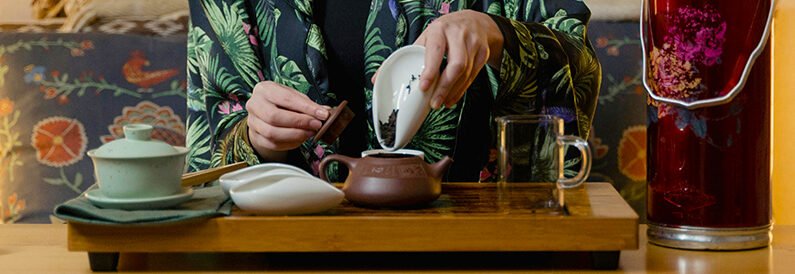
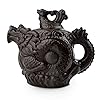
Yixing clay teapots stand apart in the tea world due to their unique purple sand clay composition. This special material contains iron, quartz, and kaolin minerals that work together to maintain optimal brewing temperatures.
Tea lovers prize these pots for their ability to enhance flavors with each use. The porous nature of the clay absorbs tiny amounts of tea with each brewing session, creating a seasoned pot that improves your tea experience over time.
You’ll need to prepare your Yixing pot properly before first use by soaking it in water. This process opens the clay’s pores and readies it for brewing. Many tea experts recommend using one Yixing pot for a single type of tea to build up flavor profiles.
The clay’s interaction with tea makes it ideal for gongfu style brewing, especially with oolong and pu’er varieties. These unglazed pots don’t just brew tea—they transform it through their natural properties and craftsmanship.
Glazed vs. Unglazed Ceramics: Versatility and Interaction
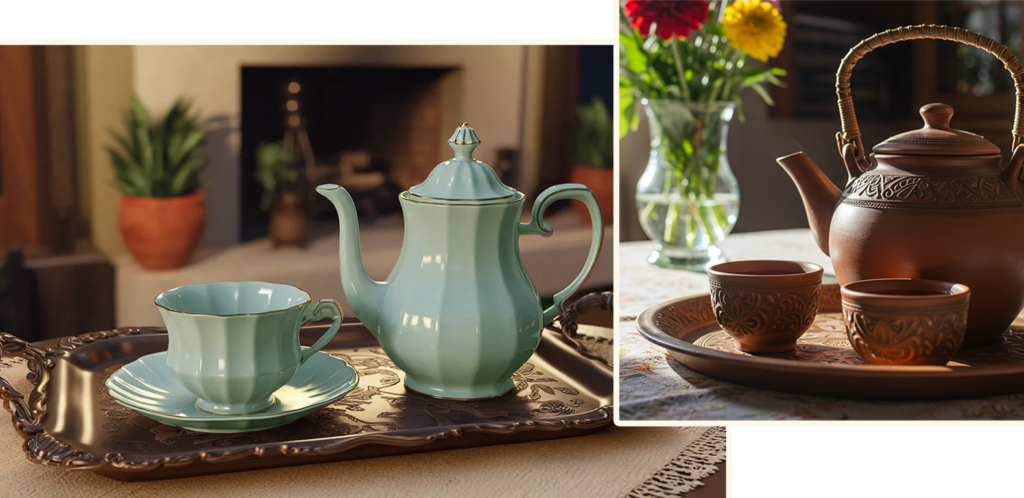
Glazed ceramics offer tea lovers a practical choice for daily brewing. Their smooth surface prevents tea flavors from sticking to the pot, making them ideal for sampling different tea types without flavor mixing.
We found glazed pots easier to clean and maintain, perfect for busy tea drinkers who enjoy variety. These vessels work well with most teas and don’t require special care between brews.
Unglazed ceramics like Yixing clay pots create a different tea experience through their porous nature. The clay absorbs tiny amounts of tea oils with each brew, building a flavor-enhancing patina over time.
Many tea experts dedicate specific unglazed pots to single tea varieties to develop deeper flavor profiles. The natural properties of these materials can transform an ordinary cup into something extraordinary.
Next, we’ll explore the most essential teaware types for different brewing methods.
Metal Teaware: Heat Retention and Unique Properties
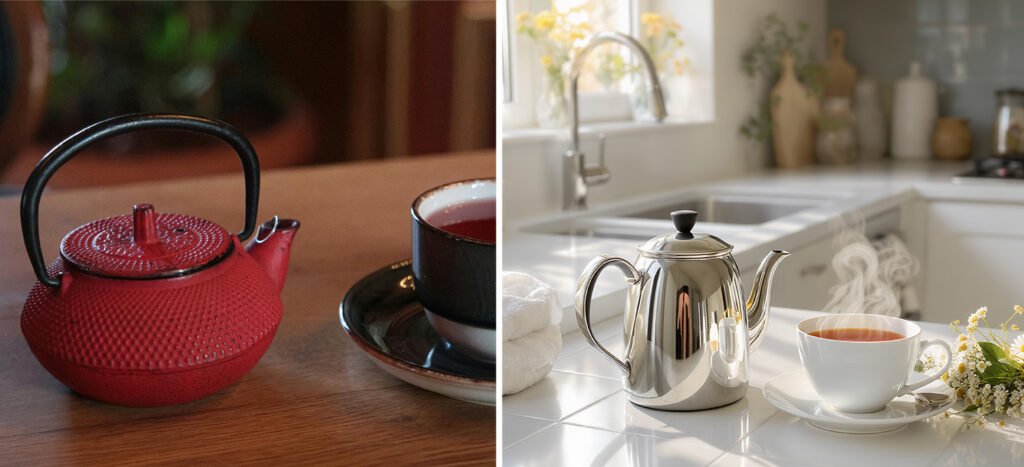
While glazed and unglazed ceramics offer specific benefits for tea brewing, metal teaware brings its own set of advantages to your tea experience. Metal teapots excel at heat retention, keeping your tea hot much longer than other materials.
This makes them perfect for lengthy tea sessions or serving multiple guests. Stainless steel options resist rust and maintain durability through years of use, with the Stainless Steel Laser Cut Strainer serving as an affordable entry point into metal tea tools.
Double-walled metal teaware provides superior insulation for your favorite brews. Cast iron tetsubins from Japan represent traditional craftsmanship while modern stainless steel designs offer sleek alternatives.
Tea enthusiasts appreciate how these materials impact flavor profiles differently than pottery or glass. The sturdy construction of metal teaware makes it practical for daily use, though you should consider which teas pair best with these materials for optimal taste results.


Essential Teaware Types and Their Uses
Essential teaware shapes the taste of your tea and makes brewing a joy – discover the perfect tools for your favorite teas in our complete guide.
The Versatile Gaiwan
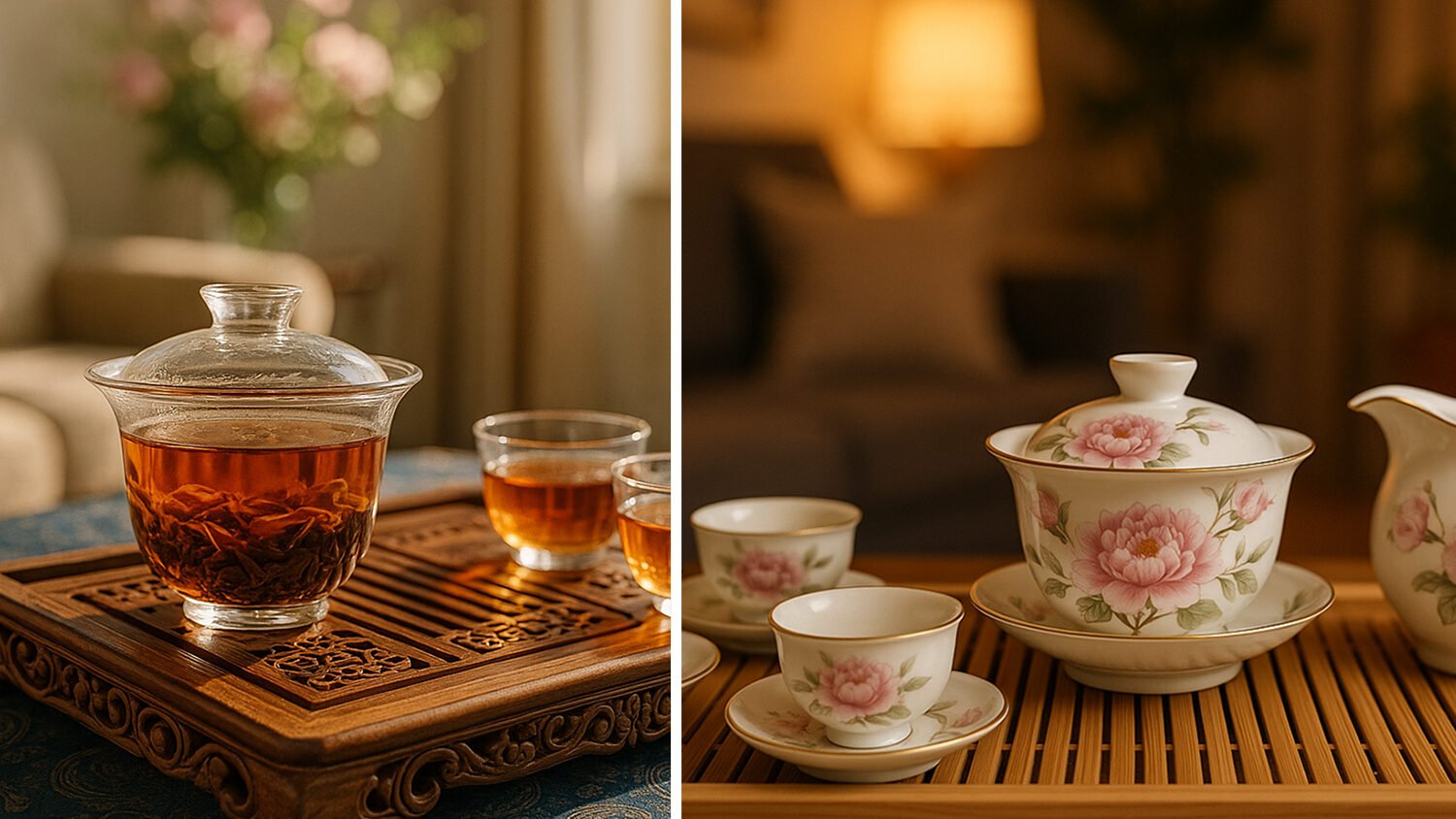
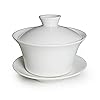
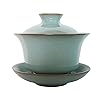
The gaiwan stands as a cornerstone in traditional tea brewing, featuring three simple yet functional parts: a lid, bowl, and saucer. This classic vessel excels at bringing out the full character of your tea leaves while giving you complete control over steeping time and water temperature.
Many tea experts prefer gaiwans because they allow multiple infusions from the same leaves, extracting maximum flavor with each brew. You’ll find gaiwans made from various materials including porcelain, glass, and clay—each offering different benefits for specific tea types.
A small porcelain gaiwan works perfectly for delicate green teas, as its neutral material won’t alter the tea’s natural taste. The lid serves as both cover and strainer, making it easy to pour while keeping leaves in the bowl.
Glass gaiwans let you watch your tea leaves unfurl during brewing, adding a visual element to your tea experience. For those new to tea brewing, starting with a medium-sized gaiwan provides versatility across different tea varieties.
Next, we’ll explore specialized teapots that serve specific brewing needs.
Specialized Teapots: Yixing, Kyusu, and Standard Pots
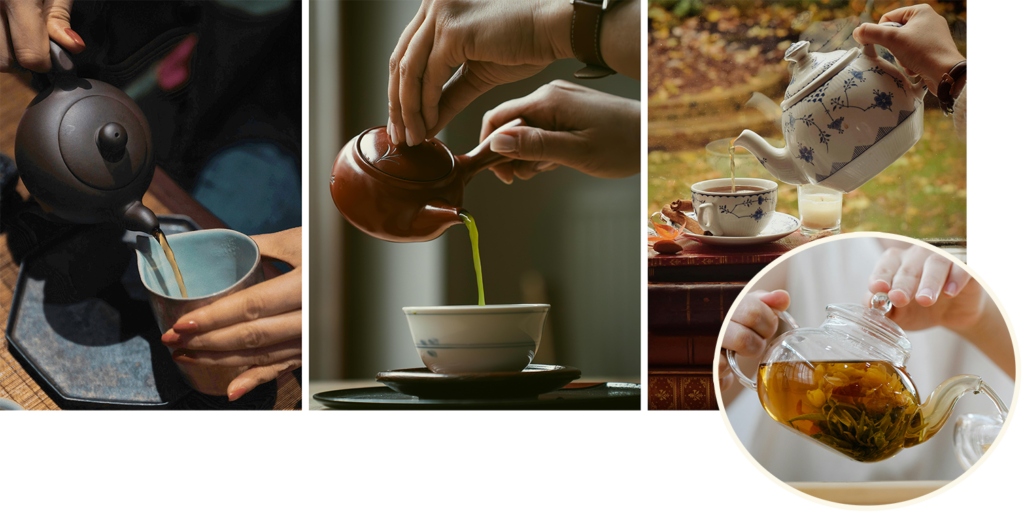
Specialized teapots offer unique brewing advantages for different tea types. Each pot design serves specific functions that can enhance your tea’s flavor profile and brewing experience.
Specialized Asian Teapots
- Yixing clay teapots absorb tea oils over time, creating a seasoned interior that improves flavor with each use. These pots work best with darker teas like pu’er and oolong due to their porous nature.
- Genuine Yixing teapots can be identified by their distinctive clay body, tight-fitting lids, and smooth pouring action. The shape and wall thickness directly impact brewing efficiency and heat retention.
- Japanese Kyusu teapots feature side handles and fine mesh strainers perfect for Japanese green teas like sencha and gyokuro. Tea enthusiasts can choose from various types of Kyusu, each with specific brewing benefits.
- Kyusu pots typically hold heat well while allowing delicate leaves enough space to unfurl completely. Their precise spouts minimize dripping and provide excellent pour control.
Versatile Material Options
- Standard ceramic teapots offer versatility for various tea types and often feature glazed interiors that prevent flavor absorption. These pots serve as excellent starter options for new tea drinkers.
- Glass teapots allow you to watch tea leaves dance during steeping, making them ideal for visually appealing teas like flowering varieties. Their neutral material doesn’t affect tea flavor.
- Porcelain teapots combine elegance with functionality, offering a non-reactive surface that preserves tea’s natural taste. Many feature built-in infusers for easy leaf removal.
Heat-Retention Specialists
- Stoneware pots excel at heat retention, making them suitable for robust black teas that benefit from sustained brewing temperatures. Their thick walls keep tea hot longer than thinner materials.
- Cast iron teapots distribute heat evenly throughout the brewing process, creating consistent flavor extraction. Modern versions often include enamel interior coatings to prevent rust.
- Gongfu brewing styles pair especially well with small Yixing or porcelain teapots that concentrate flavors through multiple short infusions. This approach highlights subtle tea notes missed in larger pots.
Matcha Specific Tools: Chawan and Chasen
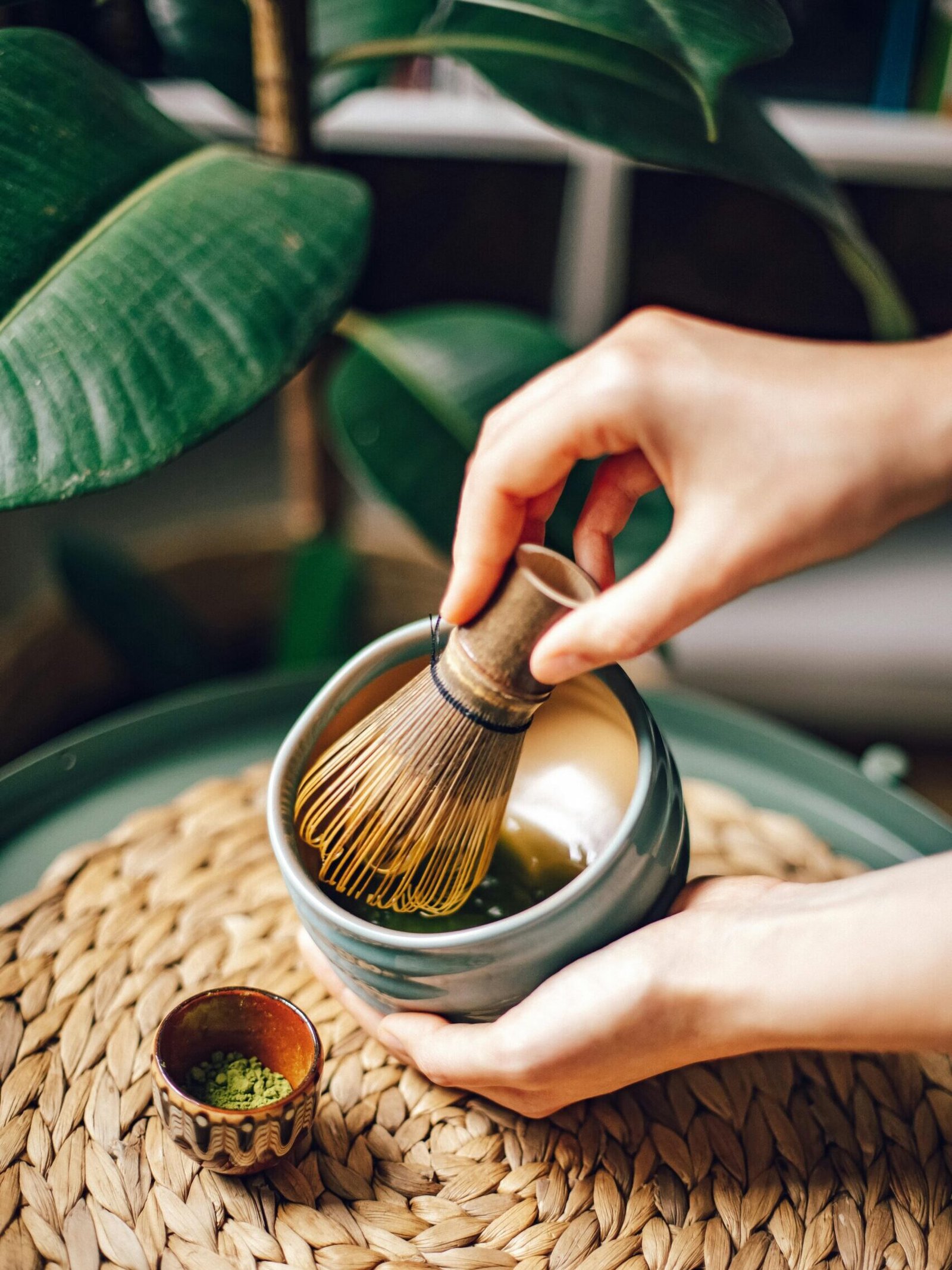
Traditional matcha preparation demands specialized tools crafted through centuries of Japanese tea culture. These essential implements transform bright green powder into a frothy, aromatic beverage that engages all senses.
Chawan (Matcha Bowl) Selection
- Chawan varieties come in various distinct types, each with unique shapes and sizes for different seasons or tea ceremonies.
- The bowl’s wide opening allows proper whisking motion to create the perfect froth on your matcha.
- Quality chawan features handcrafted details with slight imperfections that add character to your tea ritual.
- Glass or ceramic chawan works best for beginners since these materials don’t absorb odors from previous brews.
- Complete Ceremonial Matcha Kits include all essential tools, making them ideal starting points for new practitioners.
Chasen (Bamboo Whisk) Craftsmanship
- Chasen serves as the heart of matcha preparation.
- Expert artisans in Takayama, Japan handcraft most quality chasen using split bamboo techniques passed down through generations.
- The tine count on a chasen ranges up to 120 prongs, with higher counts creating finer foam for ceremonial grade matcha.
- A 100-prong chasen offers excellent performance for daily matcha drinkers seeking balance between quality and value.
Chasen Care and Maintenance
- Proper chasen care includes soaking it in warm water before use to soften the bamboo tines.
- Clean your whisk immediately after use to prevent matcha residue from hardening between the delicate bamboo prongs.
- The chasen should stand upright on a special holder called a kusenaoshi to maintain its shape between uses.
Essential Accessories: Fairness Pitchers and Infusers
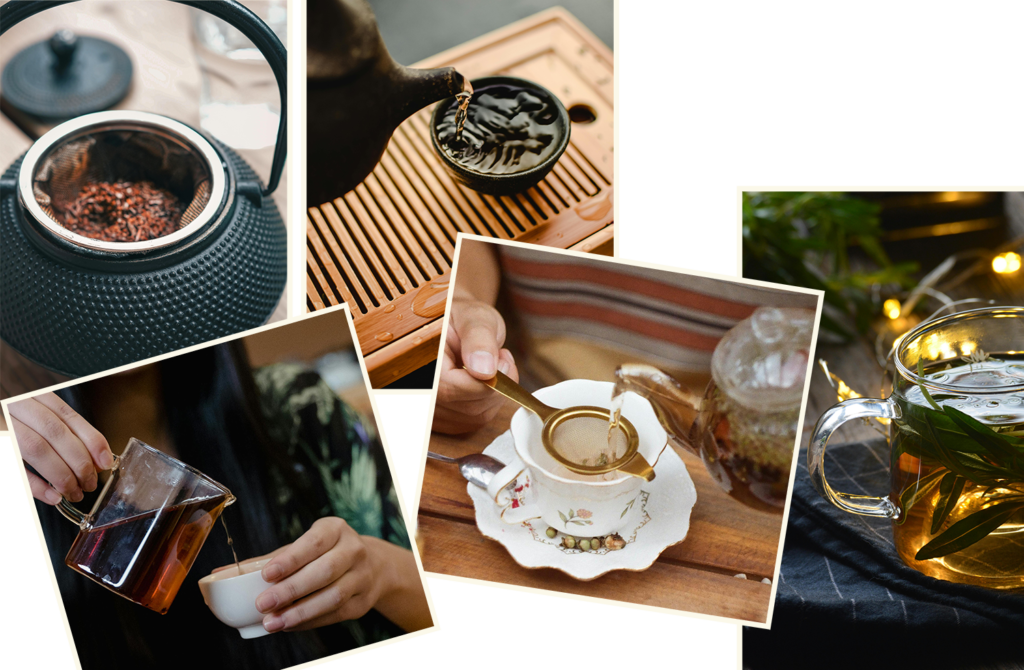
Beyond the specialized tools for matcha preparation, every tea enthusiast needs practical accessories for daily brewing. Fairness pitchers and infusers form the backbone of a functional tea setup, allowing for consistent flavor and convenient brewing.
Serving and Straining Essentials
- Fairness pitchers (also called sharing pitchers) ensure each cup receives tea of equal strength. The Penguin Glass Fairness Cup offers excellent value with heat-resistant glass that shows the true color of your brew.
- Tea strainers prevent leaves from entering your cup while allowing full flavor extraction. A quality option is the Stainless Steel Laser Cut Strainer which catches even small leaf particles.
Infusers and Brewing Tools
- Glass infusers work well with delicate teas like green and white varieties. They remain neutral and don’t absorb flavors, making them perfect for sampling different tea types.
- Stainless steel infusers provide durability and easy cleaning. Many are dishwasher safe and won’t rust or affect tea taste, making them ideal for daily use.
- Tea filters offer a simple solution for brewing without special equipment. These disposable or reusable pouches allow tea to expand while containing the leaves.
- Bamboo tea tools add natural beauty to your tea ritual. Tongs, scoops, and picks help handle hot teaware and measure loose leaves without direct hand contact.
Storage and Brewing Accessories
- Storage containers protect tea freshness by blocking light, air, and moisture. Airtight canisters with double lids help maintain flavor and aroma longer.
- Tea trays catch spills and create a dedicated space for mindful brewing. They range from simple bamboo designs to elaborate gongfu setups with drainage systems.
- Microfiber towels absorb spills quickly and dry teaware without leaving lint behind. They help maintain cleanliness during the brewing process.
- Digital scales measure tea leaves precisely for consistent results. Even a small kitchen scale can improve your brewing by ensuring the right leaf-to-water ratio.


Matching Teaware to Tea Categories
Choosing the right vessel for each tea type makes a huge difference in taste and enjoyment. Different teaware materials and shapes bring out specific qualities in each tea category, from the grassy notes in green tea to the deep richness of puerh.
Delicate Teas: Green, White, and Yellow
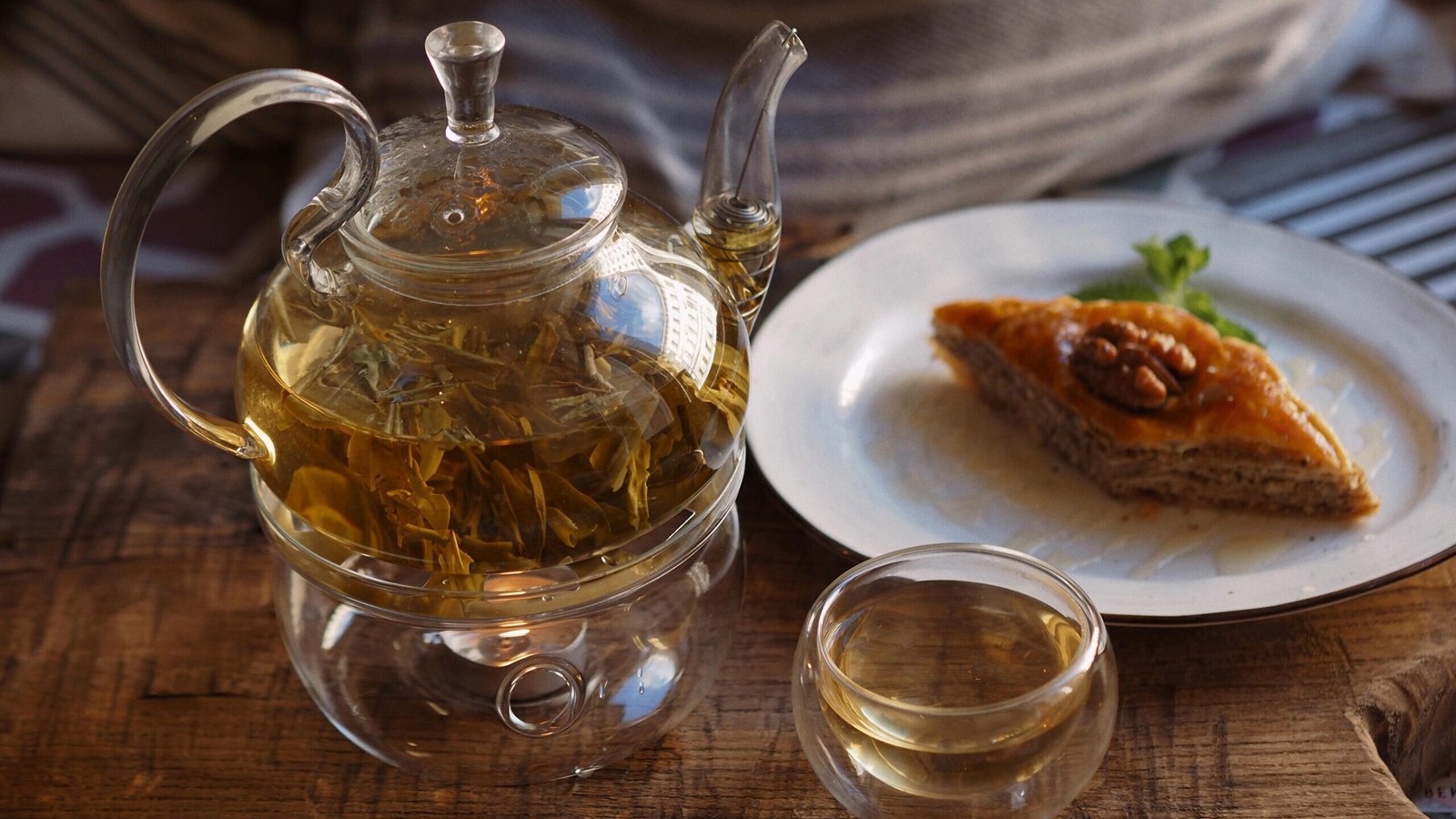
Glass teaware stands as the perfect match for delicate teas like green, white, and yellow varieties. These teas shine in transparent vessels that showcase their beautiful colors while preserving flavor purity.
You’ll notice subtle taste differences when brewing these teas in glass compared to other materials that might alter their delicate profiles. The clear walls allow you to watch the leaves unfurl and dance during steeping.
Glass gaiwan vessels excel at bringing out the best in these light teas too. This traditional Chinese brewing tool enhances aroma appreciation and gives you control over steeping times. The lid traps fragrant steam while the flared rim makes sipping easy.
High-quality teaware makes a real difference with these sensitive tea types, as inferior materials can mask their gentle notes and unique characteristics.
Oolong Teas: Light vs. Dark Roasts
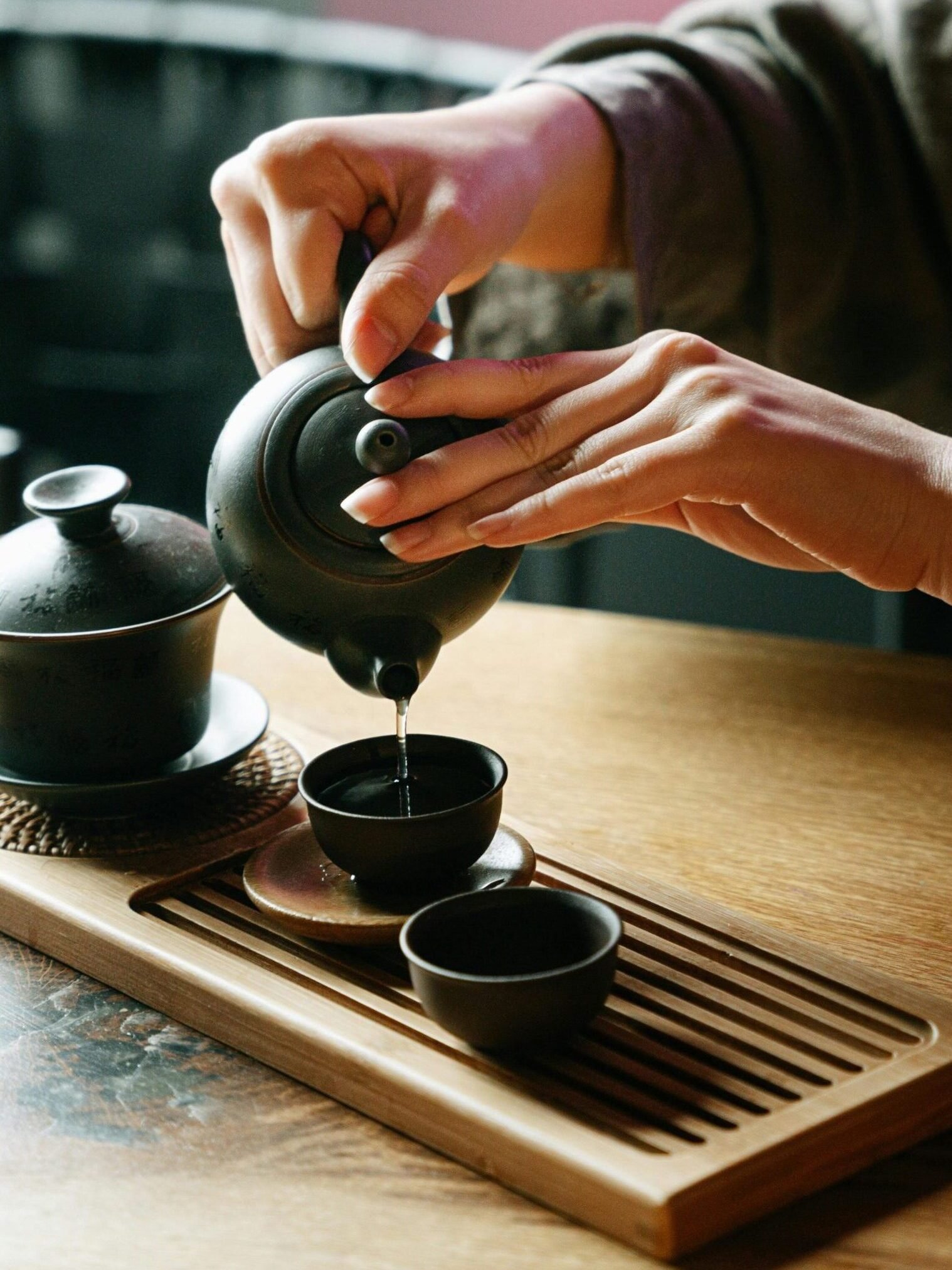
Light and dark roast oolongs offer distinct brewing experiences that call for specific teaware choices. Light oolongs showcase fruity-floral notes with a delicate “Yun” (lingering aroma) that glass or porcelain vessels preserve best.
These neutral materials won’t absorb the subtle flavors or compete with the tea’s natural character. Dark roasts display deeper, toasted profiles with rich aftertastes that benefit from Yixing clay pots.
The zisha clay enhances these robust flavors through its porous nature, which absorbs and melds with the tea over time.
Gong Fu preparation methods truly highlight the differences between these oolong styles. A small gaiwan works perfectly for light oolongs, allowing you to appreciate their changing character through multiple short steeps.
For darker varieties, dedicated Yixing teapots help retain heat longer and build flavor complexity. Your choice of brewing vessel can significantly impact how the tea’s taste unfolds in your cup.
Next, we’ll explore how robust teas like black and puerh demand their own specialized equipment.
Robust Teas: Black (Red) and Puerh
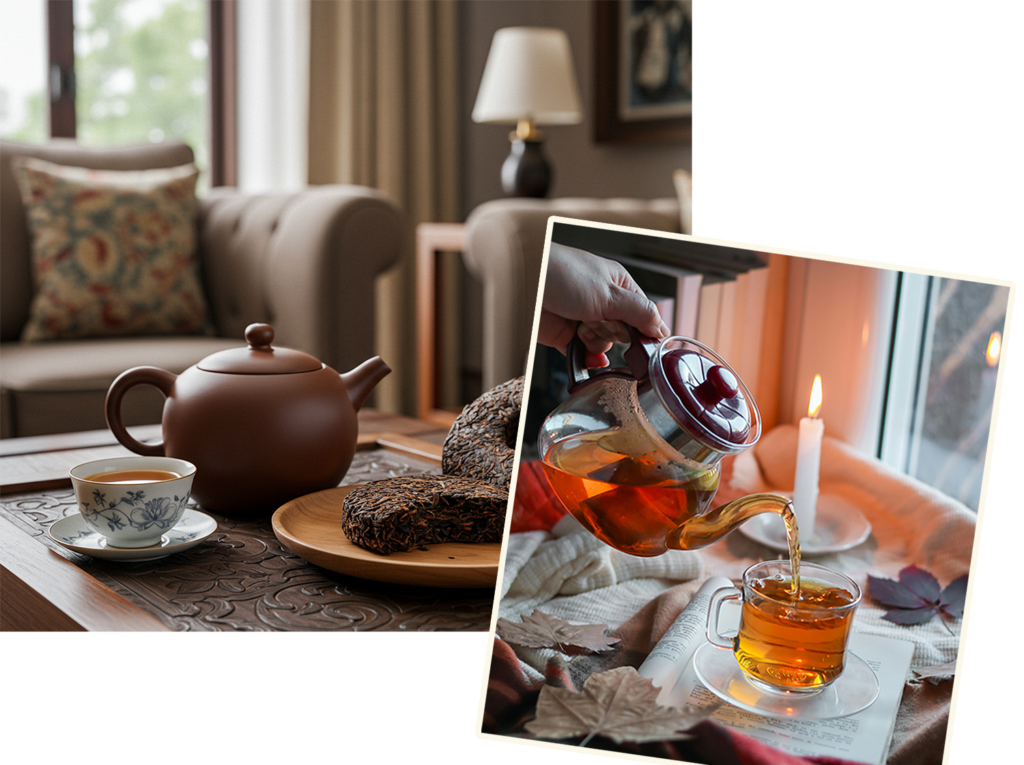
Black teas (called red teas in China) need sturdy teaware that can handle their bold flavors. Glass or porcelain teapots work well for these strong brews, as they don’t absorb flavors and allow you to see the rich amber color.
For Pu’er tea, your choice matters even more. Raw Pu’er (Sheng) tastes best from ceramic cups that showcase its complex notes. Ripe Pu’er (Shou) benefits from dedicated teaware since its earthy character can linger in porous materials.
Yixing clay teapots make ideal companions for Pu’er brewing. The clay absorbs tiny amounts of tea with each use, creating a seasoned pot that enhances future brews. Many tea experts use a 100-150ml Gaiwan for personal Pu’er sessions, as this size brings out the tea’s full flavor profile.
The interior of the pot impacts how your tea tastes, so matching your teaware to these robust varieties will improve your drinking experience.
Herbal Infusions (Tisanes) and Matcha
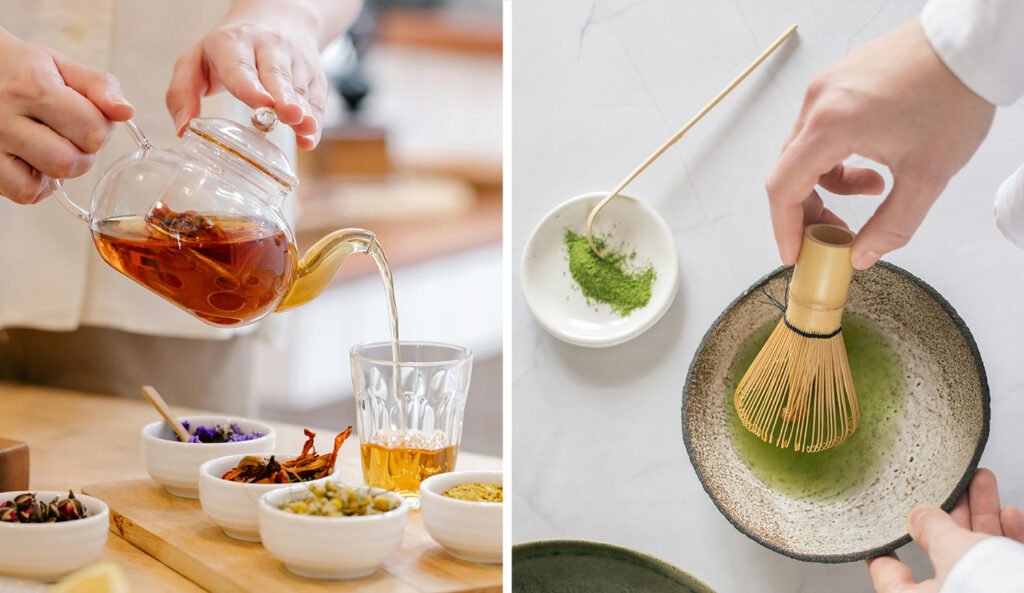
Herbal infusions require different teaware than true teas due to their varied ingredients and brewing needs. Glass and porcelain work best for tisanes since they won’t absorb flavors, allowing you to switch between mint, chamomile, or chai without taste transfer.
For matcha, specific tools are essential – you’ll need a proper chawan (matcha bowl) from the various traditional types and a bamboo chasen (matcha whisk) to create that perfect frothy texture.
The chashaku (bamboo scoop) helps measure the right amount of powder for consistent results.
Green tea ranks as the most popular tea type among drinkers, with matcha gaining popularity for its unique preparation method. Unlike steeped teas, matcha powder gets whisked directly into water, requiring specialized teaware that honors Japanese tea culture.
Many tea enthusiasts start with a basic matcha set before exploring the art of proper whisking techniques. The right matcha bowl makes a significant difference in both the drinking experience and the ease of preparation, especially for beginners learning the traditional methods of this vibrant green tea.
Starting Your Teaware Collection: Beginner Tips
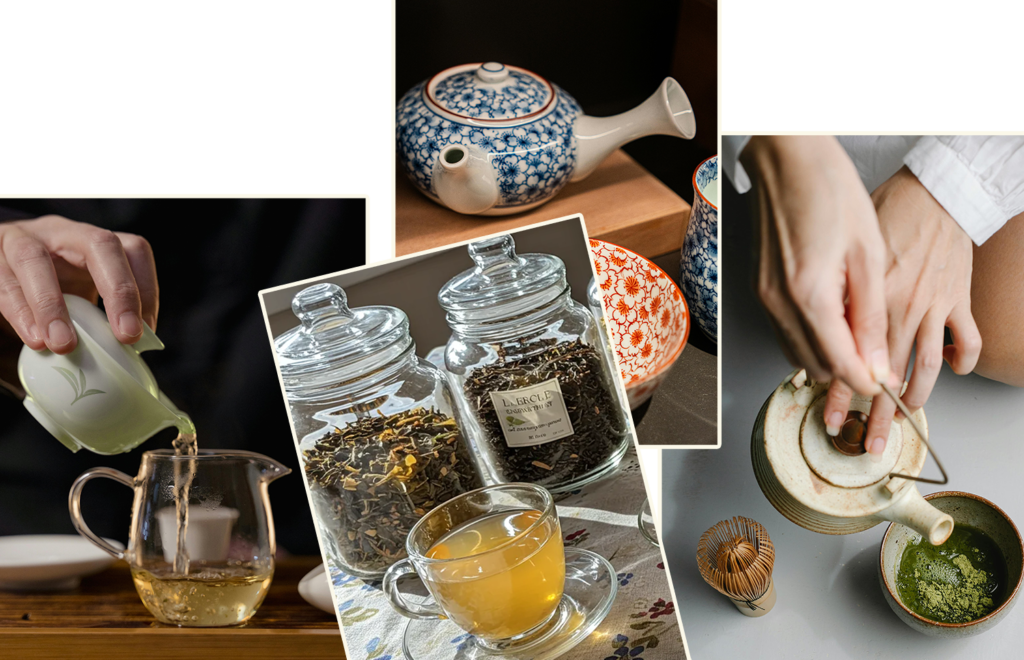
Building a teaware collection feels exciting yet sometimes overwhelming for beginners. We’ve gathered essential tips to help you create a functional collection that grows with your tea journey.
Essential Starter Equipment
- Start with the basics – loose leaf tea, a simple teapot, a cup, and water heating equipment form your foundation. These four elements will let you brew most teas right away.
- Invest in a digital scale to measure tea precisely. A good scale helps you maintain the recommended ratio of 2-4 grams per 100ml of water.
- Choose versatile materials for your first pieces. Glass or porcelain teaware works well with most tea types because these materials don’t absorb flavors or scents.
- Consider a gaiwan as your first brewing vessel. This lidded cup serves as both brewer and pouring vessel, making it perfect for sampling different teas.
- Add a fairness pitcher (sharing pitcher) to your collection. This helps distribute tea evenly among cups and prevents over-steeping.
Expanding Your Collection
- Select teaware based on your favorite tea types. Green tea lovers might prefer glass or porcelain, while oolong enthusiasts might enjoy Yixing clay pots.
- Explore Japanese Kyusu options if you enjoy Japanese green teas. With various types available, you can find one that matches your brewing style.
- Get specific tools if you enjoy matcha – a bowl (chawan), sifter, and bamboo whisk (chasen) are essential for proper preparation.
Storage and Quality Considerations
- Purchase tea storage containers that protect your leaves from light, air, and moisture. Proper storage extends tea freshness and preserves flavor.
- Focus on quality over quantity. One excellent teapot serves you better than several mediocre ones.


Conclusion

Selecting the right teaware transforms your daily tea ritual from basic to brilliant. Each material and vessel serves a purpose, from glass teapots that showcase delicate green teas to Yixing clay pots that enhance rich puerh flavors.
Start your collection with versatile pieces like a gaiwan or glass pot before adding specialized items for specific tea types. Your brewing tools should match both your favorite teas and personal style preferences.
Quality teaware becomes more precious with use, developing character and stories with each steep. The perfect cup awaits you with the right tools in hand.
Ready to elevate your tea experience? Browse our selection of exquisite teaware gifts perfect for both beginners and aficionados.
FAQs
1. What types of teaware work best for brewing green tea?
Japanese teapots like Kyūsu or Tokoname are perfect for green tea. These clay pots help control the water temperature and don’t absorb too much flavor. Glass teapots also work well since they let you watch the leaves unfold.
2. How does the material of a teapot impact the flavor of tea?
The material matters greatly. Earthenware pots like Yixing ware are absorbent and can enhance tea flavors over time. Glass is neutral and won’t affect taste. Clay pots from Chaozhou or Tokoname regions are known for softening water and bringing out subtle notes in your brew.
3. What is a shiboridashi and when should I use one?
A shiboridashi is a Japanese tea brewer perfect for high-quality green teas. It allows quick pouring to prevent over-steeping and brings out delicate flavors. Use it when brewing expensive teas that deserve special attention.
4. Are glass mugs good for drinking tea?
Yes! Glass mugs let you enjoy the color of your tea while drinking. Brands like Kinto make beautiful glass cups that showcase the shades of green or amber in your brew.
5. What teaware is essential for Gongfu tea preparation?
For Gongfu tea, you need small teapots (often Yixing), tiny tea cups, and accessories like a tea tray. This Chinese tea culture approach uses specific tools to steep tea multiple times, extracting different flavors with each pour.
6. Can I use the same teapot for different types of tea?
It depends on the material. Glass and porcelain teapots can be used for any tea type. However, clay pots like those used in Gongfu tea should be dedicated to one tea variety since they absorb flavors over time.
References
- https://pmc.ncbi.nlm.nih.gov/articles/PMC10933942/
- https://sevencups.com/learn-about-tea/brewing-tea/making-yixing-teaware/?srsltid=AfmBOorSXZgVSejtPwFCm2vzQcg3pibOKXcS7jVta5GFlI15IhxeJzRw
- https://redblossomtea.com/blogs/red-blossom-blog/types-of-teaware-what-is-stoneware-clay?srsltid=AfmBOorMBYGLvCx_WclYcQt4cGI0bld-cHp4tTAlVO2MIMMq-U4DG4rW
- https://www.futuredecor.co.za/blogs/news/best-metal-teapot-for-keeping-tea-hot-longer?srsltid=AfmBOopVWD2syJBnvJwyBG-HWa2P2RPeFoncwPrdR5cmoSQgNOnag_xe (2025-02-26)
- https://backyardbrew.com/blogs/tea/tea-brewing-accessories?srsltid=AfmBOoof2WK0NZxb0fbS_WNyMrgU64yQU5BNmA82h_45sHrV-k-k-OlT
- https://orientaleaf.com/blogs/tea-101/master-the-art-of-gaiwan-tea-brewing?srsltid=AfmBOop7GDflkKfdtP9j_5Uua1pEBigzZuMh9sA61DiLgmEdm2UVsxlL
- https://pathofcha.com/blogs/all-about-tea/a-comprehensive-guide-on-choosing-yixing-clay-teapot?srsltid=AfmBOooYlg4AMh7i8LW7gWH5TYTTvWk2yOS6zolsXZvaYSbbCvzYFtj5
- https://www.tezumi.com/blogs/tezumi-insights/a-guide-to-chasen?srsltid=AfmBOooKSgGBwrrQQG5YG5kfV6EnED42ZH2pJcHgIaIu6Z7pYBgBLAIX
- https://www.seriouseats.com/tea-brewing-equipment
- https://senbirdtea.com/blogs/teaware/8-essential-teaware-tools-for-every-tea-lover?srsltid=AfmBOopE2oMDXYTJrkzgv6FlVlxVMY9zvIvRTLRzMBrHGb6wlqrkwdOS
- https://meileaf.com/article/which-teaware-is-necessary/?srsltid=AfmBOoogUZNKigxcrORqaSHnrmfLDyoZ-c9V2tK-Sw9JFIyj8UV9Ydoh
- https://www.ouddict.com/threads/oolong-light-vs-dark-tea-oud-analogs.2285/
- https://teaforte.com/pages/all-about-tea-types
- https://www.fongstea.com/recommended-teaware-for-brewing-pu-erh-tea/
- https://rishi-tea.com/blogs/journal/how-to-choose-teaware-for-gongfu-cha?srsltid=AfmBOoqIt0JBNDvnHX57yLtZq7nIl0mobJkI5eBo9LJjiEri62gY5F2_
- https://pmc.ncbi.nlm.nih.gov/articles/PMC11004536/
- https://pmc.ncbi.nlm.nih.gov/articles/PMC7796401/
- https://www.tezumi.com/blogs/tezumi-insights/a-beginners-guide-to-making-tea?srsltid=AfmBOorODlmK9Vcb-BzERL9GdzZK2Tak9YT7FNvzvVxHCr16xV6pvCap
Other Articles
Discover the Best Modern Teaware for Your Favorite Tea