Best Tea Sweeteners: Sugar Alternatives and Ways to Sweeten Your Tea
Index
Finding the right tea sweeteners can be tough when you want to cut back on white sugar. Natural options like honey, maple syrup, and stevia offer both flavor and potential health benefits. This guide explores various sugar alternatives that pair perfectly with different teas, from rich black teas to delicate herbals. Your perfect sweet tea awaits!
Key Takeaways
- Honey or maple syrup add distinctive flavor notes, while stevia supplies calorie-free sweetness.
- Different sweeteners work best with specific tea types – floral honey pairs with white teas while stronger buckwheat honey complements black teas.
- The timing of sweetener addition matters; most dissolve better in hot tea, though liquid options like agave work well in cold brews too.
- Seasonal pairings enhance your tea experience – try honey in winter, fruit juices in summer, and rich date syrup in autumn.
- Many natural sweeteners have lower glycemic indexes than sugar, making them better choices for steady energy and blood sugar control.
The historical relationship between tea and sweeteners
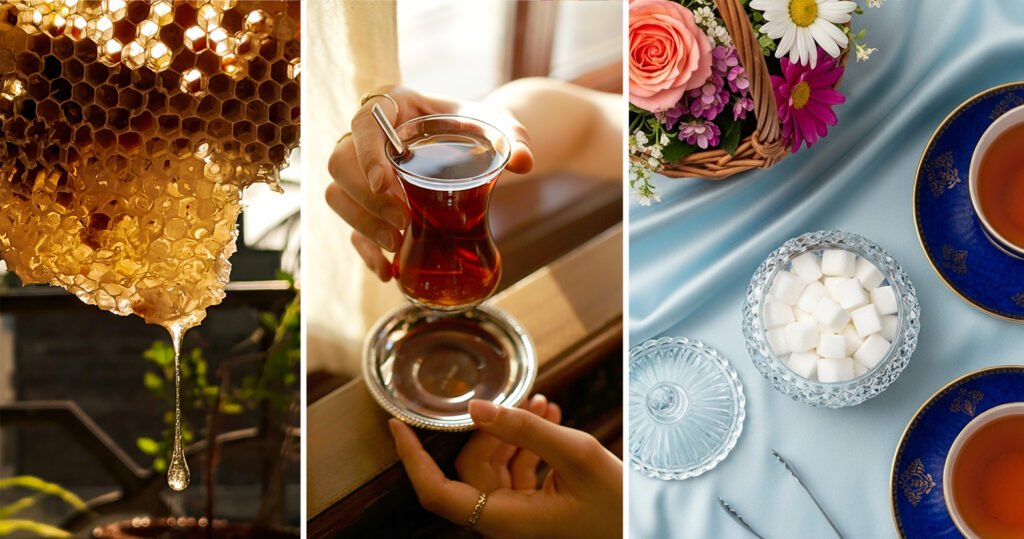
Tea and sweeteners share a rich history dating back centuries. Ancient Chinese tea drinkers sipped their brew plain, but as tea spread west through trade routes, adding sweet elements became common practice.
The British played a major role in this shift during the 17th century, making sweetened tea fashionable across Europe. Sugar became the dominant choice, though honey remained popular in many regions where beekeeping thrived.
The 20th century brought big changes to tea sweetening habits. Diners and coffee shops introduced artificial sweeteners like Sweet’N Low, giving people more options beyond white sugar.
This shift reflected growing health concerns and changing tastes. Today’s tea lovers enjoy an expanded range of choices from natural honey and maple syrup to plant-based stevia and fruit juices.
Each sweetener adds its own distinct flavor profile while satisfying different dietary needs and taste preferences.
Why the right sweetener matters for your perfect cup

The sweetener you choose shapes your tea’s flavor profile in major ways. Sugar might mask delicate notes in green tea, while honey can enhance floral varieties with its own natural character.
Your sweetener affects more than taste—it impacts your health too. Natural options like maple syrup or stevia offer benefits beyond sweetness, with lower glycemic indexes that won’t spike blood sugar levels like refined sugar does.
Many tea lovers find that matching the right sweetener to specific tea types creates perfect balance without overwhelming the brew’s natural qualities.
Finding your ideal tea sweetener involves some personal exploration and taste testing. Different sweeteners dissolve at various rates and temperatures, affecting how they blend with your brew.
Rock sugar dissolves slowly, creating a gentle sweetness, while agave nectar mixes instantly into cold drinks. The best choice depends on your health goals, the tea variety, and whether you’re enjoying a hot cup or refreshing iced tea.
Natural sweeteners bring their own distinct flavors that can transform an ordinary cup into something special. Let’s explore the wonderful world of liquid sweeteners that can elevate your tea experience.
The natural sweetener advantage

Natural sweeteners offer real benefits beyond just making your tea taste good. Unlike processed sugar, options like honey and maple syrup provide trace amounts of nutritional value with each sweet sip.
Many natural alternatives contain minerals, antioxidants, and compounds that may support your body while satisfying your sweet tooth. Pure stevia provides sweetness without raising blood sugar.
Erythritol scores a zero on the glycemic index, so it won’t spike your blood sugar like regular sugar does.
Xylitol brings another bonus to your cup by supporting dental health and reducing enamel damage. This makes it a smart choice for daily tea drinkers concerned about their smile. Natural sweeteners also blend better with different tea varieties, enhancing rather than masking the unique flavors of your favorite brews.
You’ll need less of these concentrated options too, a little goes a long way compared to white sugar, cutting your calorie intake while delivering richer taste experiences.
Liquid Sweeteners
Liquid sweeteners blend into tea better than granulated options, creating a smooth texture without the gritty residue. These natural options add depth to your cup while offering unique flavor profiles that transform basic brews into special treats.
Honey: Nature’s golden touch

Honey stands as tea’s most beloved partner, bringing a rich sweetness that transforms any brew. This golden liquid contains trace amounts of vital vitamins, minerals, and antioxidants.
Tea drinkers often prefer raw honey because it keeps more beneficial compounds intact than processed varieties. The natural sugars in honey dissolve easily in hot tea, creating a smooth texture without the grainy feel of regular sugar.
Your tea deserves this sweet touch that offers more than just flavor. Each spoonful adds nutritional value while complementing different tea types in unique ways. Floral honeys pair wonderfully with delicate white teas, while stronger buckwheat honey enhances robust black teas.
Date syrup offers another exciting option for tea lovers seeking rich caramel notes in their next cup.
Date Syrup: Rich caramel notes

Moving from honey’s golden sweetness, date syrup offers a deeper, more complex flavor profile with rich caramel notes. This tasteful sweetener comes directly from dates, making it a natural choice for tea lovers seeking alternatives to refined sugar.
Date syrup ranks low on the glycemic index, which means it won’t cause sharp spikes in blood sugar levels like regular sugar does.
The thick, dark liquid packs a powerful antioxidant punch that adds health benefits beyond just sweetness. Its molasses-like consistency blends perfectly with robust black teas and chai blends, creating a warm depth that enhances rather than masks the tea’s natural flavors.
Just a small drizzle of date syrup transforms ordinary tea into a luxurious treat with hints of toffee and dried fruit that linger pleasantly on the palate.
Grape Syrup: Mediterranean tradition
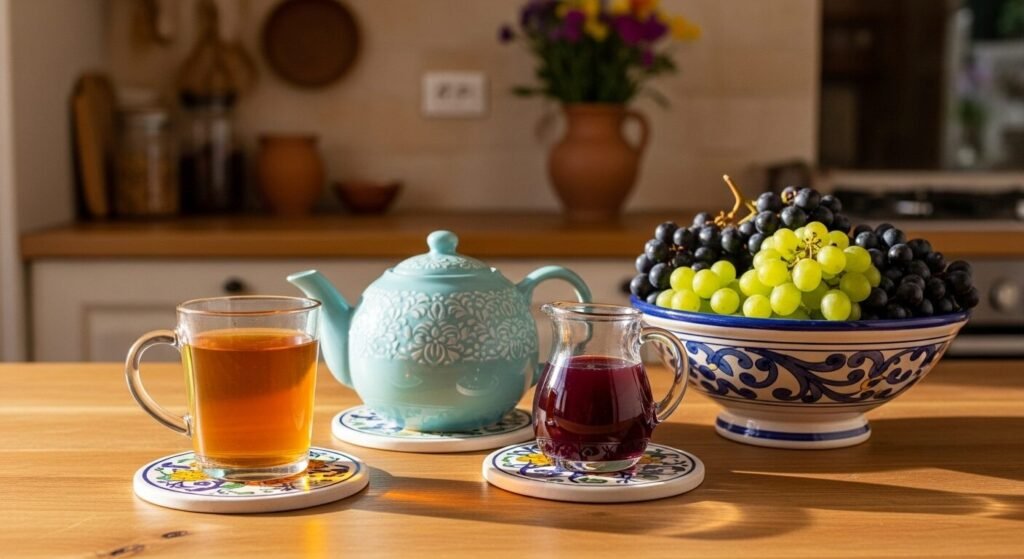
Grape syrup brings ancient Mediterranean sweetness to your teacup. This rich liquid comes from concentrated grape juice and offers a deep, fruity flavor that pairs wonderfully with black teas and herbal blends.
People across Greece, Turkey, and Lebanon have used this sweet elixir for centuries in their daily tea rituals. The syrup carries notes of caramel with subtle wine-like undertones that transform ordinary tea into something special.
Health-conscious tea drinkers now turn to grape-based sweeteners as alternatives to regular sugar. The natural sweetness in grape syrup means you need less to achieve the same sweet taste.
It adds body and complexity to your drink while providing trace minerals not found in refined sugar. For the best results, stir a teaspoon into hot tea and watch as it creates swirls of amber sweetness throughout your cup.
Fresh Fruit Juice: Vibrant flavor boost
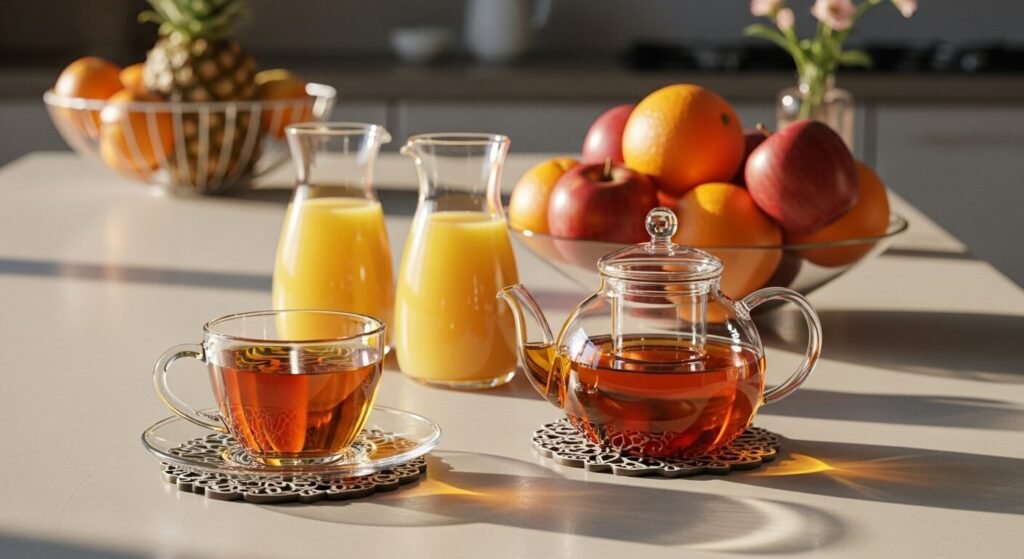
While grape syrup offers a rich Mediterranean flavor, fresh fruit juice brings a bright twist to your tea. Orange, lemon, or pineapple juice adds natural sweetness plus a burst of vitamins.
Just a splash transforms plain tea into a refreshing drink with no artificial ingredients. The acids in fruit juice cut through strong tea flavors and create balance.
Fruit juice works best in cold tea varieties during hot weather. Black teas pair well with orange juice, while green tea matches perfectly with pineapple or apple juice. The natural sugars dissolve easily and don’t leave any gritty texture.
For extra flavor depth, try mixing different juices or adding a few crushed berries directly to your cup.
Agave Nectar: Smooth versatility

Agave nectar offers tea drinkers a smooth, liquid sweetener that blends perfectly with both hot and cold brews. This natural syrup comes from the agave plant and packs 25% more sweetness than regular sugar, so you’ll need less to achieve your desired taste.
Its low glycemic index makes it a smart choice for people watching their blood sugar levels, unlike traditional sweeteners that cause rapid spikes.
Tea lovers appreciate agave’s neutral flavor profile that doesn’t overpower delicate tea notes. The light amber variety works best with green and white teas, while darker varieties complement black teas and chai blends.
Many find this plant-based sweetener dissolves faster than granulated sugar, making it ideal for cold-brewed teas where crystal sweeteners struggle to dissolve fully.
Maple Syrup: Woodland richness

Maple syrup brings a deep, rich sweetness to tea that sugar can’t match. This golden liquid flows from maple trees and contains zinc and manganese, making it more than just a sweet treat.
Many tea lovers choose maple syrup because it has a lower glycemic index than regular sugar, which means it won’t spike blood sugar as quickly.
The woodsy flavor of maple syrup pairs perfectly with black teas and chai blends. Just add a teaspoon to your hot cup and watch it dissolve completely. For a special treat, try grade B maple syrup with its stronger flavor profile and darker color.
Next on our list, we’ll explore how dried fruits can naturally sweeten your favorite brews.
Milk: Creamy comfort

Milk adds a silky texture to tea while cutting bitter notes with its natural sweetness. Many tea lovers skip sugar completely when they add a splash of milk to their cup. The proteins in milk bind with tannins in black teas like Assam, creating a smoother taste profile without added calories from traditional sugar.
This pairing works best with robust black teas rather than delicate herbal infusions or green varieties.
Different milk types offer unique flavor dimensions to your favorite tea. Whole milk provides the richest mouthfeel, while coconut milk infuses tropical notes that complement spiced teas beautifully.
For those following a low-carbohydrate diet, unsweetened almond or oat alternatives deliver subtle nutty undertones. The fat content in milk also helps carry the tea’s flavors across your palate, enhancing the overall drinking experience.


Solid and Semi-Solid Sweeteners
Solid sweeteners bring unique textures and dissolving characteristics to your tea experience. These options range from crystalline forms that slowly release sweetness to dried fruits that infuse your brew with concentrated natural sugars.
Rock Sugar (Nabat): Slow-dissolving elegance
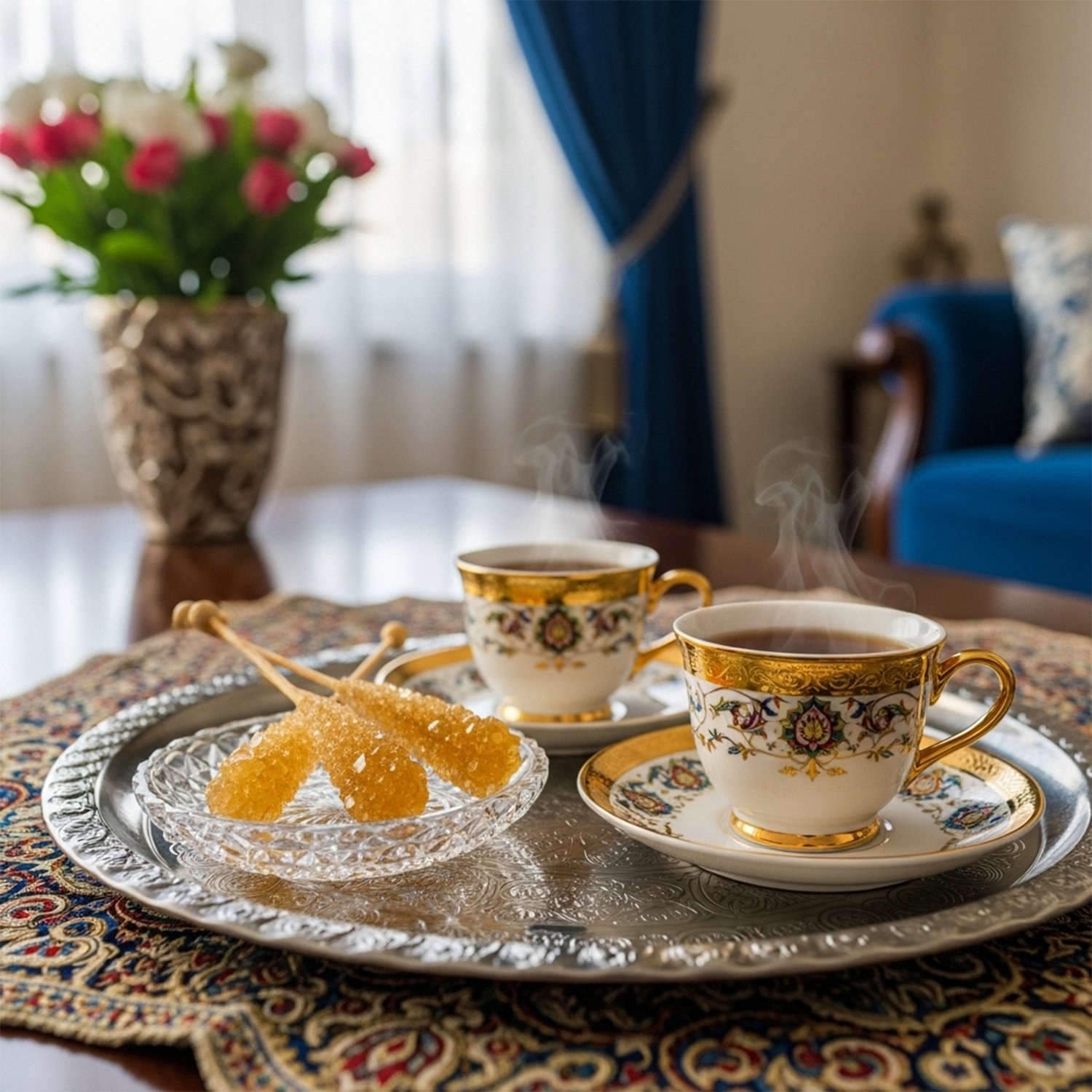
Rock sugar, also known as Nabat in Persian culture, offers a unique sweetening experience for tea lovers. This crystalline sweetener also comes in one-pound packages and dissolves quickly in hot drinks despite its solid form.
Tea enthusiasts prize rock sugar for its clean, pure sweetness that enhances rather than masks the natural flavors of fine teas. Many traditional tea ceremonies feature this elegant sweetener because it releases sweetness gradually as you sip.
The clear crystals add visual appeal to your cup while providing a more subtle sweetness than table sugar. Rock sugar works best with robust black teas and oolong varieties where its gentle sweetness balances bitter notes perfectly.
Next, we’ll explore how stevia offers a plant-based alternative for those seeking intensity without calories.
Stevia: Plant-based intensity
Unlike rock sugar’s gentle sweetness, stevia offers a powerful punch with minimal calories. This natural leaf extract packs serious sweetening power at 150-300 times sweeter than regular sugar.
Many tea lovers choose stevia for its zero-calorie profile and plant-based origins.
Stevia works well in both hot and cold teas but requires a light touch. Just a tiny pinch or drop of liquid stevia can transform your brew from bitter to sweet. Some people notice a slight aftertaste with stevia, which pairs better with stronger teas like black or mate rather than delicate green varieties.
For best results, add stevia after your tea has steeped but while still warm enough to help it blend smoothly.
Dried Fruit: Nature’s candy

Dried fruits offer a perfect natural sweetness to your tea without refined sugars. Dates, raisins, apricots, and figs release their concentrated sweetness as they steep in hot tea.
You can drop whole dried fruits directly into your cup or chop them into smaller pieces for faster flavor release. Many dried fruits contain potassium and antioxidants, making them more nutritious than plain sugar.
Their natural sugars blend especially well with black teas and spiced varieties like chai.
The rich flavor profiles of dried fruits create unique tea experiences. Dried apples pair beautifully with cinnamon teas, while dried berries complement floral blends. Some tea lovers keep a small jar of mixed dried fruits on their tea tray for easy access.
For a more intense sweetness, try soaking the fruits in hot water first to soften them. Jam offers another fruity way to sweeten your tea with even more concentrated flavor.
Jam: Fruity indulgence
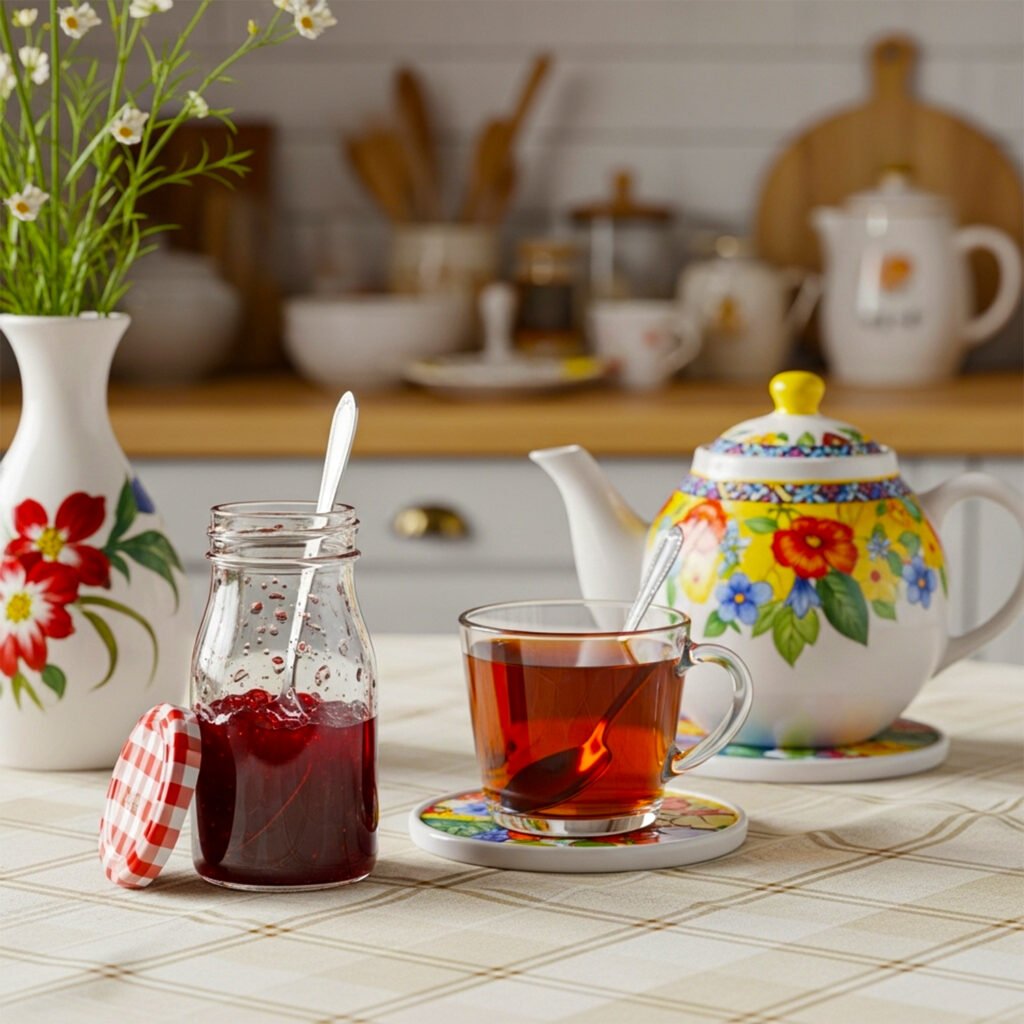
Jam adds a burst of fruity sweetness to your tea while creating a delightful dessert-like experience. This pantry staple transforms plain black or green tea into a special treat with just a small spoonful.
Many tea lovers enjoy stirring in a teaspoon of their favorite preserves—strawberry, raspberry, or orange marmalade work especially well. The natural fruit sugars blend perfectly with hot tea, though you’ll want to stir thoroughly to help it dissolve.
Fruit preserves offer more than just sweetness; they bring complex flavor notes and rich antioxidants to your cup. Unlike plain sugar, jam creates a layered taste profile that complements herbal teas beautifully.
Try adding apricot jam to chamomile or blackberry preserves to a mint blend for a refreshing twist. The fruity indulgence works best in hot tea where the heat helps release all the vibrant flavors and aromas.



Glycemic index & Nutritional benefits
Tea sweeteners offer more than just flavor—they impact your blood sugar levels too. The glycemic index (GI) measures how quickly foods raise blood sugar, with lower numbers being better for steady energy.
Natural options like maple syrup provide sweetness with a lower glycemic impact than white sugar. This matters for anyone watching their blood sugar or trying to avoid energy crashes after their tea break.
Coconut sugar stands out as another smart choice, ranking lower on the GI scale while delivering a subtle caramel-like taste that pairs beautifully with robust black teas.
Many natural sweeteners pack nutritional benefits that processed sugar lacks. Honey contains trace minerals and antioxidants that support immune health, while date syrup offers potassium and magnesium.
Stevia and erythritol give you sweetness without any calories, making them perfect for weight-conscious tea drinkers. Each alternative brings its own health advantages to your cup, maple syrup contains manganese and zinc, while fruit juices add vitamins.
These nutritional bonuses transform your daily tea ritual from a simple pleasure into a small but meaningful health practice.
Seasonal Pairings
Tea flavors change with the seasons, and matching your sweetener to the time of year creates perfect taste harmony – discover which pairings will take your tea from good to great!
Winter warmers: Honey, maple syrup, and rock sugar

Cold winter mornings call for tea with special sweeteners that bring warmth and comfort. Honey adds a golden touch to black teas, creating a soothing drink that fights winter chills.
The floral notes in raw honey pair perfectly with spiced chai or strong Assam tea. Maple syrup offers woodland richness that blends well with earthy teas like pu-erh or roasted oolongs.
Rock sugar (Navat or Nabat) works as a slow-dissolving sweetener that releases gentle sweetness without overpowering delicate winter blends. This crystal sweetener lets you control sweetness levels better than regular sugar.
Many tea lovers find these natural alternatives help cut back on refined sugar while adding unique flavor profiles. For winter wellness teas with ginger or clove, these sweeteners enhance the warming properties that make each cup feel like a cozy blanket on frosty days.
Spring refreshers: Floral honey and fruit juices

Spring brings a perfect chance to match your tea with seasonal sweeteners. Floral honey shines during this time as bees collect nectar from blooming flowers, creating unique flavors like lavender, orange blossom, or clover honey.
Each variety adds its own subtle notes that pair well with light spring teas such as green or white varieties. Fresh fruit juices offer another bright option for spring tea drinks.
Try adding a splash of freshly squeezed lemon, orange, or berry juice to create a vibrant cup that celebrates the season’s bounty without added sugar.
Autumn comforts bring a different set of sweeteners that complement the stronger, spicier teas we crave as temperatures drop.
Summer coolers: Fruit juices and agave for iced teas

Fresh fruit juices add bright flavors to iced tea during hot summer days. Try adding a splash of lemon, orange, or watermelon juice to your cold brew for a natural sweetness that cuts through bitterness.
These juices boost your tea with vitamins while keeping calories lower than sugar.
Agave nectar works perfectly in iced teas because it dissolves easily in cold liquids. This plant-based sweetener has a mild taste that won’t overpower delicate tea flavors. You can mix agave with fruit juices for custom sweetness levels in your summer tea drinks.
The smooth sweetness pairs especially well with mint or hibiscus iced teas for refreshing summer coolers.
Autumn comforts: Date syrup, grape syrup, maple syrup, and dried fruits

Fall brings the perfect time to explore rich, warming sweeteners in your tea. Date syrup adds deep caramel notes that pair beautifully with spiced chai or black teas. Grape syrup offers a fruity sweetness that complements earthy oolong varieties.
Maple syrup shines in autumn with its distinctive woodland flavor that enhances the natural taste of roasted teas without overpowering them.
Dried fruits create another dimension of sweetness for autumn tea blends. A few pieces of dried apricots, figs, or raisins can slowly release their natural sugars as your tea steeps.
These natural sweeteners contain antioxidants and minerals that refined sugar lacks. The combination of these autumn sweeteners creates a cozy cup that captures the essence of the season while cutting back on processed sugar.
Jinglong Pu-erh Tea in Bamboo Leaf Tube
Earthy pu-erh depth that mirrors maple syrup's woodland character perfectly.
Maple syrup's woodland character finds a natural companion in pu-erh's earthy depth—chocolate, mushroom, and dried fruit notes that echo the forest. Ten reviewers praised the rich, earthy taste, and the smooth mellowness noted by 8 others means the maple integrates rather than clashes.
⚠️ Skip this if earthy, mushroom-like flavors aren't for you—pu-erh's fermented character is distinctive and won't appeal to everyone.
Sweetener Addition Techniques
Mastering the art of sweetener addition can transform your tea experience from basic to brilliant. The right timing and technique ensures perfect flavor distribution and prevents any unwanted bitterness.
Timing matters: When to add your sweetener

Adding sweeteners at the right moment makes a huge difference in your tea experience. Hot tea dissolves most sweeteners better than cold tea, so mix them in while your brew is still steaming.
Honey blends perfectly in tea around 160°F / 70°C, while rock sugar needs near-boiling water to melt properly. Liquid options like maple syrup mix well at most temperatures, making them ideal for both hot and iced varieties.
The type of tea also guides your timing choices. Delicate green teas benefit from gentler sweeteners added after brewing to preserve their subtle notes. Black teas can handle stronger additions during steeping.
For iced tea, try mixing your sweetener into a small amount of hot water first, then pour this sweet mixture into your cold drink to avoid grainy textures or clumping at the bottom of your glass.
Temperature considerations
Tea temperature affects how well sweeteners dissolve and blend with your brew. Hot tea dissolves solid sweeteners like rock sugar and stevia faster than lukewarm or cold tea. For iced tea, liquid sweeteners work better since they mix easily without heat.
Green teas taste best with honey or agave at lower temperatures (160-180°F, 71-82°C), while black teas pair nicely with maple syrup or date syrup at higher temperatures (200-212°F, 93-100°C).
Most natural sweeteners release their full flavor profile at specific heat points. Honey loses some of its beneficial enzymes above 104°F/40°C but blends most smoothly in warm tea. Maple syrup needs moderate heat to spread its woodland notes through your cup.
The timing of your sweetener addition relates directly to these temperature factors, which we’ll explore next.
Dissolving techniques for different sweeteners
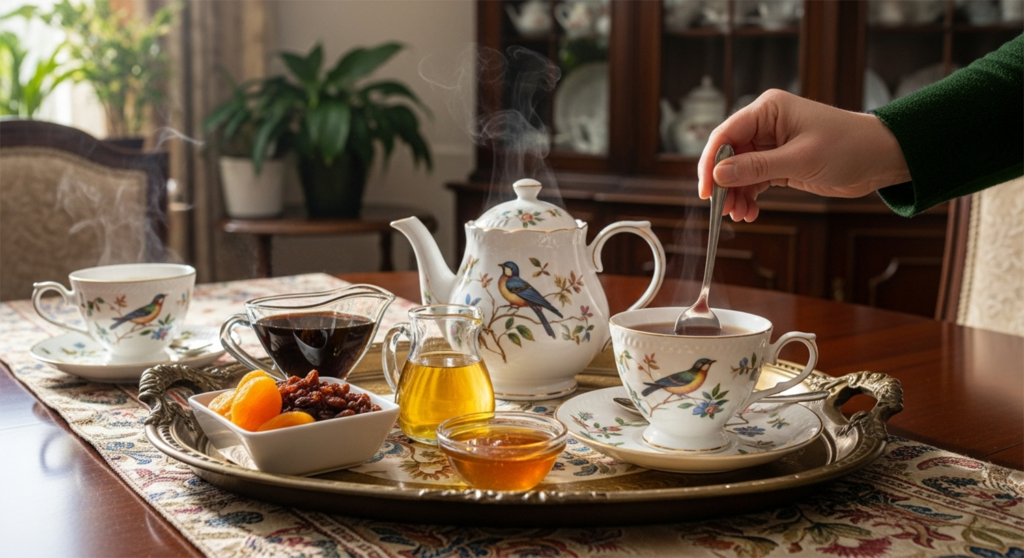
The right dissolving method makes a huge difference in how sweeteners blend with your tea. Each sweetener needs a specific approach to mix perfectly without clumping or leaving residue.
Liquid Sweeteners for Easy Mixing
Natural syrups that blend smoothly:
- Honey – Dissolves best in warm tea around 160°F. You’ll get even distribution when you stir gently with a spoon right after adding.
- Maple syrup – This versatile sweetener mixes easily in both hot and cold tea. Pour slowly while stirring to spread its distinctive woodland notes throughout your cup.
- Agave nectar – The champion of convenience, agave blends smoothly at any tea temperature. Its liquid form means you need only minimal stirring for perfectly balanced sweetness.
- Date syrup – This thick sweetener can sink in cold tea. You’ll achieve better mixing by warming your cup slightly first, or use a small whisk for thorough blending.
Solid Sweeteners That Need Special Handling
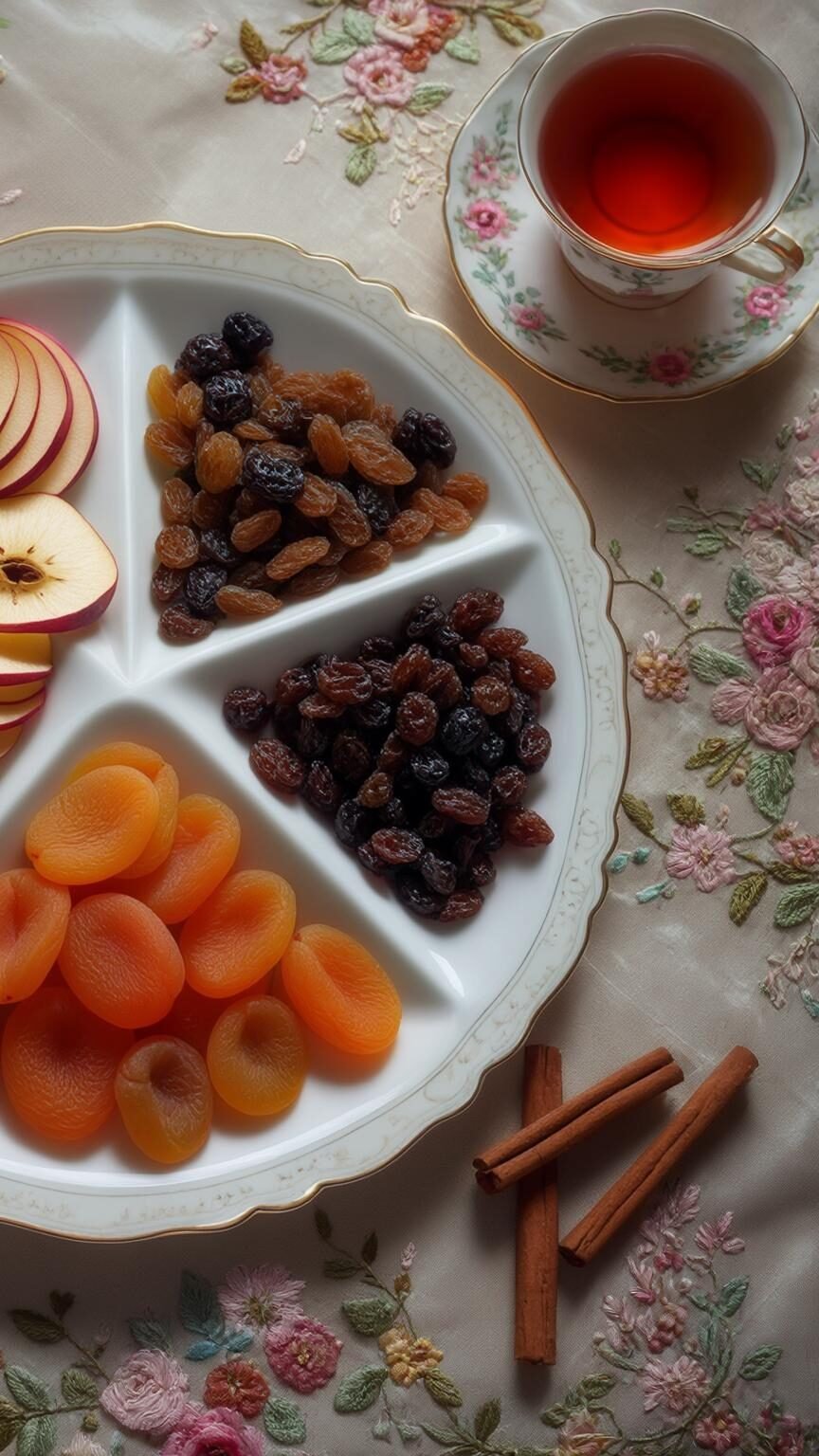
Crystalline and dried options requiring extra care:
- Rock sugar – These decorative crystals need higher heat to dissolve completely. Add them to freshly boiled tea and allow extra stirring time as they slowly break down.
- Stevia powder – This concentrated sweetener can clump when added directly to tea. Create a smooth paste by mixing it with a small amount of tea first, then incorporate this mixture into your full cup.
- Dried fruits – These natural sweeteners release their sugars gradually. You’ll need to steep them in hot tea for 3-5 minutes to fully extract their subtle sweetness.
Sweeteners That Require Careful Incorporation
Liquid and semi-liquid additions with unique mixing methods:
- Fruit juices – Fresh juices maintain their bright flavors when added to cooled tea. Gentle stirring preserves those delicate taste notes while ensuring even distribution.
- Jam – This fruity option requires thorough mixing with a spoon. Break apart any chunks systematically to spread the concentrated sweetness evenly through your tea.
- Milk – More than just a sweetener, milk modifies your tea’s entire character. Pour it slowly into hot tea while stirring continuously to prevent curdling and achieve smooth integration.

COSORI Electric Gooseneck Kettle with Temperature Control
Temperature presets that optimize both sweetener dissolution and tea extraction in one pour.
Different sweeteners dissolve best at different temperatures—honey's beneficial enzymes stay active below 104°F, while rock sugar needs near-boiling water to dissolve fully. This kettle's 5 temperature presets, praised by 18 reviewers, eliminate guesswork. The hold function, noted by 12 others, keeps water at your target temperature for up to an hour.
⚠️ Skip this if you're brewing for a crowd—the 0.8L capacity is designed for 1-2 people, making multiple refills necessary for larger gatherings.
Conclusion

Finding your perfect tea sweetener expands flavor options beyond white sugar. Natural options like honey and maple syrup add depth while fruit juices bring brightness to your daily cup.
Your health goals matter too—low-glycemic choices support blood sugar balance without sacrificing taste. Each season calls for different pairings: warming honey in winter, fresh fruit juice in summer.
Timing counts when adding sweeteners—hot tea dissolves solid options better, while cold brews might need liquid forms. Swap your sweeteners based on tea type and personal taste for a custom experience that makes each sip worth savoring.
FAQs
1. What are the best sugar substitutes for tea?
Honey, stevia, monk fruit extract, and agave syrup rank among the top choices for sweetening tea without sugar. These natural alternatives offer sweetness with unique flavor profiles. Some options like monk fruit and stevia are many times sweeter than sugar while being calorie-free.
2. Can I sweeten tea without adding calories?
Yes, you can use calorie-free sweeteners like stevia, monk fruit extract, or artificial sweeteners such as sucralose, aspartame, and acesulfame potassium. These options let you enjoy sweet tea while supporting calorie restriction or diet goals.
3. Which natural sweeteners work well in tea?
Honey adds rich flavor and is packed with antioxidants. Maple sap brings a warm, complex taste to black and green teas. Agave syrup blends easily in both hot and cold brews.
4. Are artificial sweeteners safe for daily tea consumption?
Most artificial sweeteners like sucralose and saccharin are FDA-approved for regular use, but it’s best to use them sparingly. Some people report a bitter aftertaste.
5. What sweeteners are best for people with diabetes?
Natural non-nutritive sweeteners such as stevia and monk fruit, as well as certain sugar alcohols like erythritol, are popular options for people with diabetes. They provide sweetness with little or no rise in blood glucose and substantially fewer calories than table sugar.
6. How can I add sweetness to tea without using sweeteners?
Try adding vanilla bean, cardamom, licorice root, or mint leaves to your tea for natural sweetness. Orange fruit or chocolate can also enhance flavor while letting you cut back on sugar. These flavorings work especially well in black teas and mate drinks.
References
- https://www.sciencehistory.org/stories/magazine/the-pursuit-of-sweet/
- https://www.hopkinsmedicine.org/health/wellness-and-prevention/facts-about-sugar-and-sugar-substitutes
- https://www.harney.com/blogs/news/best-ways-to-sweeten-your-tea?srsltid=AfmBOor8qM4PKwTMuYSJ0qECsYhiTveQP04xZ2wtPfwoHb517X_bK2n9
- https://goodgoodbrand.com/blogs/articles/healthy-sugar-alternatives-for-tea
- https://www.healthline.com/nutrition/healthy-natural-sweeteners
- https://www.tinroofteas.com/tea-blog/why-honey-is-the-best-natural-sweetener-for-your-tea (2016-06-20)
- https://heavenlyhoneycompany.com/agave-vs-honey-comparison/
- https://essfeed.com/top-10-grape-based-alternative-sweeteners-on-the-market/
- https://shopmeganspantry.com/products/rock-sugar-tea-sweetener-4oz?srsltid=AfmBOoqw97WVwl6WMcpMzyYiv6-9IaAowSZAQUydDrx9FqNdeX6-RRyP
- https://pmc.ncbi.nlm.nih.gov/articles/PMC10076456/
- https://pmc.ncbi.nlm.nih.gov/articles/PMC4890837/
- https://www.plumdeluxe.com/blogs/blog/how-to-sweeten-tea-2?srsltid=AfmBOooHygBDAMLfg8ECrIpU5_xlUmPhaKDeWB-jAJ14L89J3769aLvJ
- https://www.ashleyteaandthings.com/dieteatian/what-should-you-sweeten-your-tea-with
- https://www.webstaurantstore.com/blog/1764/5-refreshing-iced-tea-recipes.html?srsltid=AfmBOoqhnuss0iwZM_o42uM1LLO0VdsAoEBzxxCnsK4G7e6bjg2BAo2_
- https://www.natashashome.com/ways-to-sweeten-tea-without-sugar/ (2022-12-13)
- https://embrew.com/blogs/embrew-tea-blog/how-to-brew-tea-with-the-perfect-sweetener?srsltid=AfmBOoq234daGZpm5vRWJ0RQu23bwK-iBCF06V9ip5cfBkv24ZgEmyi8 (2021-04-27)
- https://drinkwildera.com/blogs/nutrition/how-to-sweeten-tea-without-sugar?srsltid=AfmBOoo9F5SCoqXdnh_lJai3B_rREfl-KfEY1u9k5p0aQYLv6F88zwaD
- https://frasertea.com/blogs/wellness/how-to-sweeten-tea-without-sugar?srsltid=AfmBOoqgb3oa0VPhMWHXZZzBRJJsN84ZcUdjCDVcyRRVxSh2sXXpK9_m
- https://pmc.ncbi.nlm.nih.gov/articles/PMC9368535/
Other Articles