







We analyze real customer reviews to surface what matters: key strengths, ideal use cases, and honest considerations — so you can make an informed choice.
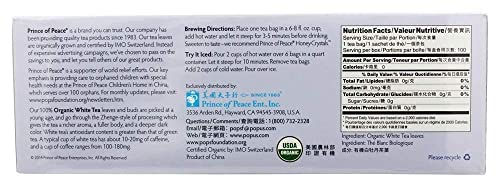
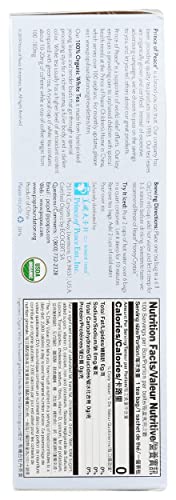
Prince of Peace Organic White Tea (100 Count)
A delicate, lightly sweet white tea with a clean, smooth finish — naturally low in caffeine and gentle enough to drink without sweetener any time of day.
🎯 Best for: evening relaxation, bedtime wind-down
🍃 Tastes like: natural white tea, clean, lightly sweet

🍃 Flavor Profile
Strength: Delicate
Notes: natural white tea, clean, lightly sweet
✅ What Customers Love
- Mild, smooth flavor profile (9 mentions)
- Not bitter (when brewed correctly) (5 mentions)
- Excellent value / affordable price for quality (5 mentions)
🎯 Best For
evening relaxation • bedtime wind-down • daily routine tea • afternoon without sleep disruption
Brand: Prince Of Peace
Category: White Tea
As an Amazon Associate we earn from qualifying purchases.
About This White Tea
This organic white tea brews a mild, clean cup with natural sweetness and no bitterness — when prepared at the right temperature. Reviewers consistently reach for it in the evening, noting it calms without disrupting sleep. The subtle flavor wins over coffee drinkers looking for something gentler, though those who prefer bold teas may find it too understated. Water temperature matters: too hot and bitterness creeps in, so staying below a full boil makes a real difference. Best suited to daily drinkers, bedtime routines, and anyone easing into white tea for the first time.
Is Prince of Peace Organic White Tea (100 Count) Right for You?
What does Prince of Peace White Tea taste like?
Reviewers consistently describe it as mild, smooth, and delicate with a clean, lightly sweet natural flavor. Nine reviewers specifically praised its mild, smooth flavor profile, and five noted it's not bitter when brewed properly. It's a subtle tea — think gentle and clean rather than bold and punchy. If you enjoy delicate flavors and appreciate nuance, you'll love it. If you're looking for a strong, robust tea that hits you over the head with flavor, this isn't your cup of tea (literally).
How long does a box of Prince of Peace White Tea last?
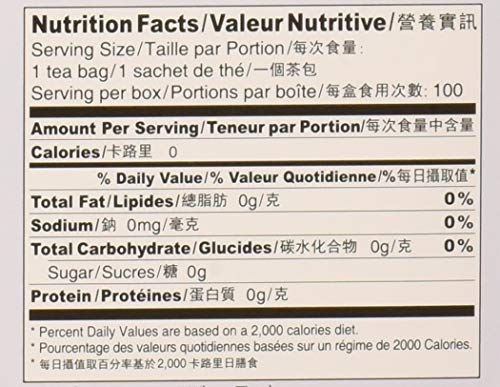
With 100 tea bags per box, most daily drinkers report getting 2 to 4 months of use. Even if you drink 2 cups a day, that's still well over a month. It's one of the reasons reviewers highlight the value — you're not constantly reordering.
Is it okay to drink Prince of Peace White Tea every day?
Absolutely. This is actually one of the best teas for daily drinking. It's low in caffeine, so you won't get jittery or have trouble sleeping, and at 100 bags per box, it's priced for everyday use — many buyers report a single box lasting 2 to 4 months with daily use. The mild, smooth flavor also means it won't fatigue your palate the way bolder teas can. Several reviewers specifically describe it as their go-to daily routine tea.
Does Prince of Peace White Tea have much caffeine?
It's on the lower end of the caffeine spectrum. Multiple reviewers specifically chose this tea because of its low caffeine content, and four reviewers mention drinking it in the evening without any sleep disruption. That said, one reviewer noted it may contain slightly more caffeine than expected, possibly due to processing. If you're extremely caffeine-sensitive, you might want to limit evening cups, but most people find it gentle enough for all-day drinking including bedtime.
What are the benefits of Prince of Peace White Tea?
Reviewers highlight several benefits they've personally experienced: it's smooth enough to drink without any sweetener, low enough in caffeine for evening enjoyment without disrupting sleep, and high in antioxidants. One particularly surprising benefit — a reviewer reported that their dentist noticed a 90% improvement in gum bleeding after they started drinking this tea regularly. It's also helped several coffee drinkers transition to tea thanks to its gentle, non-bitter flavor.
Is Prince of Peace White Tea good for beginners?
It's actually one of the best beginner teas out there. The flavor is extremely mild and forgiving — you won't get an unpleasant bitter surprise even if your brewing isn't perfect. It's affordable enough to experiment with, the tea bags make preparation simple (no special equipment needed), and it's converted multiple coffee drinkers into tea lovers. If you're curious about white tea but intimidated by the category, this is a low-risk, high-reward starting point.
As an Amazon Associate we earn from qualifying purchases.
Is Prince of Peace White Tea too mild?
That depends entirely on your taste preferences. The flavor is intentionally delicate — that's the nature of quality white tea. Most reviewers love the mildness, but one reviewer did feel it lacked flavor. If you're coming from strong black teas or coffee, you might initially find it subtle. But many coffee drinkers who've tried it actually came to appreciate the gentle flavor as a welcome change. Give it a few cups to grow on you.
Can Prince of Peace White Tea help you quit coffee?
Several reviewers have successfully used it as a coffee replacement. The transition works because it still gives you a warm, comforting ritual and a small amount of caffeine to ease withdrawal, but without the jitters or crash. The mild, non-bitter flavor is approachable for coffee drinkers who find other teas too 'grassy' or aggressive. It won't replicate coffee's bold flavor, but as a gentler daily habit, it's won over multiple former coffee drinkers.
Do you need to add sweetener to Prince of Peace White Tea?
Most reviewers say no. The tea has a natural, lightly sweet flavor that's smooth enough to drink plain. Reviewers specifically mention it's pleasant without any sweetener, which is a real plus if you're trying to cut down on sugar. Of course, you can add honey or sweetener if that's your preference, but give it a try plain first — you might be pleasantly surprised.
Who should NOT buy Prince of Peace White Tea?
Be honest with yourself about what you want. If you prefer strong, bold teas with intense flavor — think English Breakfast or robust chai — this delicate white tea will likely disappoint you. It's intentionally mild and subtle. Also, if you're looking for a completely caffeine-free option, this isn't it (though the caffeine is very low). For bold flavor seekers, a black tea or dark oolong would be a better match.
Can white tea help with dental health?
Interestingly, one reviewer reported a remarkable improvement in dental health — their dentist noted a 90% reduction in gum bleeding after they started drinking this tea regularly. While that's a single experience and not a clinical claim, white tea does contain fluoride and catechins that research has associated with oral health benefits, including antibacterial properties that may reduce plaque formation.
How does Prince of Peace White Tea compare to loose-leaf white tea?
Reviewers who are familiar with loose-leaf tea note that this offers good quality for a tea bag. You won't get the complexity of a premium Silver Needle or White Peony loose leaf, but for convenience and daily drinking, it delivers genuine white tea flavor at a fraction of the loose-leaf price. Two reviewers specifically praised the quality relative to what you'd expect from a tea bag format. If you want the convenience of tea bags without sacrificing the essential white tea character, this is a strong choice.
As an Amazon Associate we earn from qualifying purchases.
Why does my white tea taste bitter?
Almost certainly your water is too hot. This is the most common mistake with white tea, and reviewers of this product confirm it. If you're pouring boiling water directly onto the tea bag, that's the problem. Let your water cool for 2–3 minutes after boiling (aim for 160–185°F), and steep for no more than 4 minutes. Brew it right and you'll get the smooth, non-bitter cup that reviewers rave about.
How to make perfect white tea?
For the best cup of Prince of Peace White Tea: use water at 160–185°F (not boiling — this is crucial), steep for 2–4 minutes, and don't squeeze the tea bag. Five reviewers specifically mention that this tea is not bitter when brewed correctly, but one noted bitterness when using water that was too hot. Start with a shorter steep time and increase to your preference. The delicate flavor rewards a little patience with temperature.
Is Prince of Peace tea safe?
Prince of Peace is a well-established tea brand, and this particular white tea is USDA certified organic. Reviewers haven't raised safety concerns, and the brand has a long track record in the tea market. As with any tea, it does contain some caffeine, so if you're sensitive to caffeine or pregnant, you may want to consult your doctor about intake levels.
Is Prince of Peace White Tea organic?
Yes, it's USDA certified organic. This means the tea leaves are grown without synthetic pesticides or fertilizers. For a tea at this price point, the organic certification is a notable bonus — many organic white teas cost significantly more.
What are the side effects of white tea?
White tea is generally very well-tolerated. The main thing to be aware of is its caffeine content, though Prince of Peace White Tea is on the low end. Reviewers haven't reported negative side effects — in fact, several report positive unexpected effects like improved dental health. As with any caffeinated beverage, excessive consumption could cause mild issues in sensitive individuals, but moderate daily drinking appears to be well-received by buyers.
Is white tea good for your stomach?
White tea is one of the gentlest teas on the stomach due to its minimal processing and low tannin content. Prince of Peace White Tea's smooth, mild profile means it's unlikely to cause stomach discomfort. Reviewers describe it as easy to drink without sweetener, which suggests a very low acidity level. It's a solid choice if stronger teas bother your stomach.
As an Amazon Associate we earn from qualifying purchases.
What is white tea, and is this a real white tea?
White tea is the least processed type of tea from the Camellia sinensis plant — the same plant that gives us green, oolong, and black tea. It's made from young tea buds and leaves that are simply dried with minimal oxidation. Prince of Peace Organic White Tea delivers the characteristic delicate, naturally sweet flavor profile that defines quality white tea. Reviewers who know their tea confirm it has that smooth, subtle white tea taste — clean and lightly sweet without bitterness.
What is the most famous white tea?
The most famous white teas are Silver Needle (Bai Hao Yin Zhen) and White Peony (Bai Mu Dan), both from China's Fujian province. These are premium loose-leaf varieties that can be quite expensive. Prince of Peace Organic White Tea offers the characteristic smooth, delicate white tea experience in a much more accessible and affordable format — 100 bags at a price point that lets you enjoy genuine white tea daily without the premium price tag.
What is the ratio of white tea to water?
For Prince of Peace White Tea bags, it's simple — one tea bag per 8 oz cup of water. If you want a slightly stronger brew, you can use one bag per 6 oz or steep a bit longer (up to 4–5 minutes), though be careful not to over-steep as it can bring out bitterness. For a lighter cup, one bag per 10–12 oz works fine given the tea's mild character.
Is white tea better than green tea?
They're different rather than better or worse. White tea is less processed and has a more delicate, naturally sweet flavor — Prince of Peace's version is described as mild, smooth, and clean-tasting. Green tea tends to have a more vegetal or grassy flavor and slightly more caffeine. White tea is generally higher in certain antioxidants due to minimal processing. If you want something gentle and subtle, white tea is the way to go. If you prefer a stronger, more assertive tea flavor, green might suit you better.
Which teas have the lowest caffeine?
Among true teas (from Camellia sinensis), white tea generally has the lowest caffeine, followed by green, oolong, and black tea. Herbal teas like chamomile and rooibos are naturally caffeine-free but aren't technically 'tea.' Prince of Peace Organic White Tea falls into that low-caffeine category, which is why so many of its buyers specifically use it as an evening or bedtime tea.
Is white tea good for weight loss?
White tea contains catechins and caffeine, both of which have been studied for modest metabolic effects. However, don't expect dramatic results from any tea alone. What Prince of Peace White Tea does offer is a calorie-free, smooth-tasting beverage that's pleasant enough to replace sugary drinks or high-calorie coffee drinks. Several reviewers mention it as a coffee replacement, which could indirectly support weight management if it's replacing calorie-heavy alternatives.
As an Amazon Associate we earn from qualifying purchases.
Do Prince of Peace tea bags contain microplastics?
While we can't make a definitive lab-tested claim, reviewers have noted that the tea bags appear to be biodegradable and environmentally friendly, which suggests they're made from paper or plant-based materials rather than plastic mesh. If microplastics are a concern for you, this is worth verifying directly with Prince of Peace, but the biodegradable bags are a good sign.
Is white tea a stimulant?
White tea does contain caffeine, so technically yes — but it's one of the mildest stimulants in the tea world. Prince of Peace White Tea has low caffeine levels compared to green, oolong, or black tea. Reviewers regularly drink it in the evening and before bed without issues. It won't give you a coffee-like buzz. If anything, people describe it as calming and good for relaxation.
What temperature should water be for white tea?
Aim for 160–185°F (70–85°C). This is well below boiling (212°F), and it's the single most important factor in avoiding bitterness. Reviewers of this tea confirm that proper water temperature makes all the difference — brew it right and it's smooth and delicate; use boiling water and you'll get an unpleasant bitter cup. A simple trick: boil your kettle, then let it sit with the lid off for 2–3 minutes before pouring.
What is the best way to brew Prince of Peace White Tea?
The key to getting the best cup from this tea is water temperature. Don't use boiling water — that's the number one mistake reviewers mention, and it will make the tea bitter. Heat your water to around 160–185°F (70–85°C). If you don't have a thermometer, bring water to a boil and let it cool for 2–3 minutes. Steep for 2–4 minutes. When brewed correctly, reviewers consistently describe the result as smooth, mild, and not bitter at all.
Does white tea keep you awake?
Not this one, according to reviewers. Multiple buyers specifically mention drinking Prince of Peace White Tea before bed without any sleep disruption. The low caffeine content makes it suitable for evening relaxation and bedtime wind-down. That said, individual caffeine sensitivity varies — if you're extremely sensitive, you might want to stick to the afternoon and try a caffeine-free herbal tea at night.
Can you drink Prince of Peace White Tea before bed?
Yes — this is actually one of the most popular use cases among reviewers. Four buyers specifically mention drinking it in the evening, and multiple reviewers confirm it doesn't disrupt their sleep. The low caffeine content makes it well-suited for bedtime wind-down. Several people have made it part of their nightly relaxation routine.
As an Amazon Associate we earn from qualifying purchases.
How to make white tea with milk?
While white tea is traditionally enjoyed plain to appreciate its delicate flavor, you can add milk if that's your preference. Brew the tea at the proper temperature (160–185°F) for 3–4 minutes, then add a splash of milk. Be aware that milk will mask much of the subtle, lightly sweet flavor that makes this tea special. Most reviewers drink Prince of Peace White Tea without any additions and find it smooth and naturally pleasant on its own.
What Makes This Product Special
⚠️ Preliminary analysis based on 15-review sample • Our methodology
- Mild, smooth flavor profile (9 mentions)
- Not bitter (when brewed correctly) (5 mentions)
- Excellent value / affordable price for quality (5 mentions)
- Low caffeine / evening-friendly (4 mentions)
- Large quantity (100 bags) (3 mentions)
- Good quality for tea bags vs loose leaf (2 mentions)
- Long tea bag strings (1 mentions)
- Environmentally friendly/biodegradable bags (1 mentions)
Taste Profile
- mild
- delicate
- smooth
- subtle
- light
- not bitter
- sweet
Best Use Cases
🎯 Best For
- evening relaxation
- bedtime wind-down
- daily routine tea
- afternoon without sleep disruption
- morning gentle start
- all-day drinking
- replacing coffee
⚠️ Not Ideal For
- those wanting strong flavor
- users seeking bold taste
What to Consider
- No flavor / too mild for some preferences (1 mentions)
- Can be bitter if brewed with water too hot (1 mentions)
- May contain more caffeine than expected (darker processing) (1 mentions)
⚠️ based on 15-review sample. Some issues may not be captured.
About This Analysis
This analysis is based on 15 customer reviews. We're showing you everything we found, but with a moderate sample, there's a lot we likely haven't captured yet.
✅ What we're confident about: What customers love and best use cases
⚠️ What may be incomplete: Potential issues and considerations
For more perspectives, check customer reviews on Amazon.
Product Selection
In short: We only feature high-rated products.
Products on TeaDelight.net are selected based on strong Amazon customer ratings, sufficient review volume, and market presence. We focus on well-regarded products that tea enthusiasts are actively considering and purchasing.
As an Amazon Associate we earn from qualifying purchases.
You Might Also Like

✅ Smooth, light flavor without bitterness
Uncle Lee's Organic White Tea (2-Pack, 200 Count)

✅ Works excellently for iced tea
Organic Positively Tea White Tea Sampler
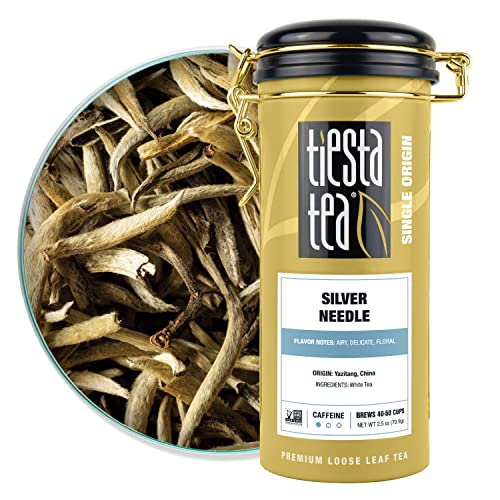
✅ Very delicate, smooth flavor without bitterness
Tiesta Tea Silver Needle White Tea
✅ Excellent packaging - protective, intact buds