



We analyze real customer reviews to surface what matters: key strengths, ideal use cases, and honest considerations — so you can make an informed choice.
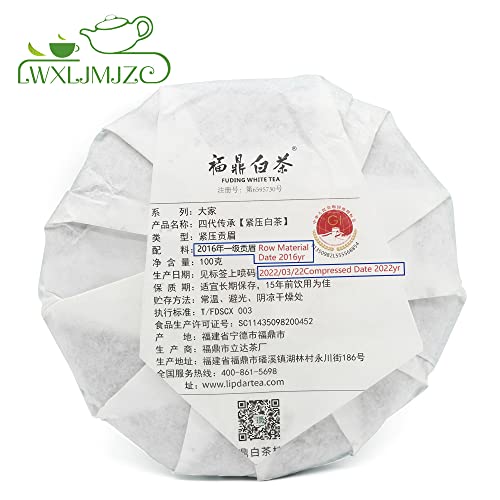
2016 Shou Mei Aged White Tea Cake
An aged white tea cake with deep honey and jujube sweetness, earthy complexity, and a smooth, full-bodied character that rewards gong fu brewing.
🎯 Best for: Morning sipping during intermittent fasting, Daily drinking routine
🍃 Tastes like: honey, jujube, Chinese medicine

What Stands Out
🍃 Flavor Profile
Strength: Moderate
Notes: honey, jujube, Chinese medicine
✅ What Customers Love
- Excellent value for price (5 mentions)
- Smooth, not bitter taste (3 mentions)
- Full-bodied character for a white tea (3 mentions)
🎯 Best For
Morning sipping during intermittent fasting • Daily drinking routine • Evening wind-down before bed • Gong fu brewing method
Category: White Tea
As an Amazon Associate we earn from qualifying purchases.
About This White Tea
This shou mei cake delivers honey, jujube, and faint Chinese medicine notes with a smooth, full body and clean finish uncommon in white teas. The pungent aroma and earthy complexity unfold best over multiple gong fu infusions, yielding five or more rounds with shifting character. Note that current batches are produced more recently than the 2016 label suggests, and the leaves tend to run dark and broken. Low caffeine and forgiving at 85–95°C, it suits morning intermittent fasting routines or evening wind-downs equally well. A solid entry point for those new to aged white tea, and interesting enough for enthusiasts looking to explore or further age their own supply.
Is 2016 Shou Mei Aged White Tea Cake Right for You?
What does this aged Shou Mei white tea taste like?
Don't expect a typical delicate white tea — this one will surprise you. Reviewers describe it as smooth and full-bodied with honey sweetness, jujube (Chinese date) notes, and deeper earthy tones like leather and old books. Some even pick up Chinese medicine notes in later infusions. It's notably non-bitter and not floral or fruity at all. One reviewer said it tastes more like a black tea than a typical white tea, which gives you a good sense of its character.
Is this Shou Mei really aged since 2016?
This is worth being upfront about. Multiple reviewers have noted that recent batches don't appear to be genuinely aged since 2016 — they suspect newer production from around 2022. The more recent batches lack the mellow, deeply aged aroma that earlier versions had. At this price point, it would be difficult to get a truly 8+ year aged white tea. That said, reviewers still enjoy the flavor and consider it good value for what it is — just set your expectations accordingly.
Why do the leaves look so dark and broken?
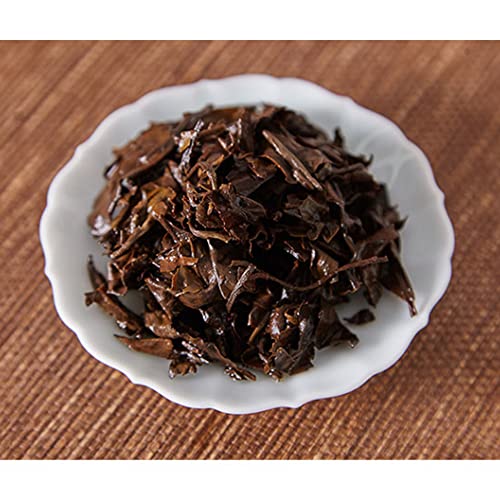
If you're used to pretty silver-tipped white tea, this Shou Mei might look alarming — the leaves are dark brown with visible stems. That's actually normal for this type of tea. Shou Mei uses mature leaves (not delicate buds), and the aging and compression into a cake darkens them further. One reviewer called it 'visually disappointing,' but the flavor tells a completely different story. Don't judge this tea by its leaves — brew it first.
How many times can you steep this Shou Mei tea?
With gong fu brewing, you can comfortably get 5 or more good infusions from a single serving. The flavor evolves nicely across steeps — starting sweet and honey-like, then shifting into deeper earthy and medicinal notes. Even with Western-style brewing, you can get a solid second steep. This makes the already affordable price even better value per cup.
How to brew this white tea gong fu style?
Gong fu brewing is where this Shou Mei really shines. Break off about 5-7g from the cake, place it in a gaiwan or small teapot, and rinse once with hot water (90-95°C) to wake up the compressed leaves. Then do short steeps — start at 10-15 seconds for the first infusion and add 5-10 seconds each round. Reviewers consistently get 5 or more good infusions, and the flavor shifts from sweet and honey-like early on to deeper earthy and medicinal notes in later steeps. It rewards patience.
What is the best way to brew this Shou Mei white tea?
You have two great options. For a quick everyday cup, Western-style brewing works well — use water around 85-95°C and steep for 3-4 minutes. This tea is very forgiving with temperature, so you don't need to be precise. For the full experience though, reviewers recommend gong fu brewing, where you use more leaf, less water, and do multiple short infusions. You can easily get 5 or more steeps this way, and the flavor evolves beautifully from steep to steep.
As an Amazon Associate we earn from qualifying purchases.
How to brew white tea western style?
For a no-fuss daily cup, use about 3-4g of this Shou Mei in a mug or teapot with 250ml of water at 85-95°C. Steep for 3-4 minutes. You can usually get a good second steep out of the same leaves too. The tea is very forgiving — even if you forget it and steep a bit long, reviewers note it stays smooth and doesn't turn bitter. That makes it a great choice for casual brewing when you don't want to fuss over timing.
What temperature do you boil water at for white tea?
For most delicate white teas, you'd want 75-80°C. But this aged Shou Mei is different — it handles 85-95°C beautifully, and some gong fu brewers even go close to boiling. The aged, compressed leaves are much more robust than young white tea buds, so they benefit from hotter water to release those deep honey, jujube, and earthy notes. If you don't have a temperature-controlled kettle, just let your boiled water sit for a minute or two and you'll be in the sweet spot.
How does this compare to other white teas like Silver Needle or White Peony?
They're almost like different categories of tea. Silver Needle is delicate, sweet, and subtle — all about the buds. White Peony (Bai Mudan) is a step fuller with more leaf. This Shou Mei is the boldest of the bunch — full-bodied, earthy, with honey and jujube sweetness. Reviewers note it's closer to a black tea in character than to Silver Needle. If you like delicate floral teas, this isn't that. If you want something robust and warming, this delivers.
Is this good for someone new to white tea?
It's actually an excellent beginner's tea, but maybe not a typical introduction to white tea. It's forgiving to brew (handles a wide temperature range of 85-95°C), affordable so you can experiment freely, and smooth enough that it's hard to make a bad cup. The caveat is that it tastes nothing like delicate Silver Needle or White Peony — so if you try this first, know that lighter white teas will be a completely different experience. Think of it as a friendly starting point for aged white tea specifically.
Can you age this Shou Mei further at home?
Yes, Shou Mei white tea is well-suited for home aging, and some tea enthusiasts buy it specifically for this purpose. Store it in a cool, dry place away from strong odors — the compressed cake format helps with long-term storage. Over time, the flavor typically deepens and mellows further. Just keep it away from moisture and sunlight. Whether it's worth aging depends on the batch quality, but at this price, it's a low-risk experiment.
Does this tea stain your teeth?
Less than you'd expect. Despite the dark color of the brewed liquor, reviewers specifically noted that this tea causes less teeth staining than other teas they drink. That's a genuine unexpected benefit if you're a daily tea drinker who's concerned about dental aesthetics.
As an Amazon Associate we earn from qualifying purchases.
Can you drink this Shou Mei during intermittent fasting?
This is one of the most popular uses reviewers mention. It's naturally calorie-free, smooth enough to drink on an empty stomach, and flavorful enough to feel satisfying when you can't eat. The honey-sweet notes give it a richness that helps curb cravings without breaking your fast. Several buyers specifically chose it for their fasting routine.
Is this a good tea for the evening?
Yes — its low caffeine content makes it a popular choice for evening wind-down. The smooth, warming character with honey and earthy notes is naturally suited to relaxing before bed. If black tea or green tea keeps you up at night, this aged Shou Mei is worth trying as an evening alternative that still feels like a proper cup of tea.
Does white tea have much caffeine?
White tea generally contains less caffeine than black or green tea, and this aged Shou Mei follows that pattern. Reviewers specifically mention it as a low caffeine option suitable for morning routines and even evening drinking before bed. The aging process may also reduce caffeine slightly. If you're sensitive to caffeine, this is a solid choice — several buyers drink it during intermittent fasting without issues.
Does white tea keep you awake?
Unlikely with this one. Multiple buyers specifically drink this Shou Mei as part of their evening wind-down routine before bed, which tells you something about its gentle caffeine level. Everyone's sensitivity is different, but if you can handle green tea in the afternoon, you'll probably be fine with this aged white tea in the evening.
Is white tea good for your stomach?
Aged white tea like this Shou Mei is generally considered gentle on the stomach — more so than green tea, which can be acidic on an empty stomach. Reviewers mention drinking this during intermittent fasting, which suggests it sits well without food. The smooth, non-bitter profile also means less tannin harshness, which is usually what upsets stomachs with tea.
Is it okay to drink this aged white tea every day?
Absolutely — this Shou Mei is actually an excellent daily drinker. Reviewers consistently praise its smooth, non-bitter taste, which means you won't get palate fatigue drinking it regularly. It's also relatively low in caffeine compared to black or green teas, and several buyers specifically mention using it as part of their daily routine, including during intermittent fasting. At this price point, you won't feel guilty going through it quickly either.
As an Amazon Associate we earn from qualifying purchases.
What is the ratio of white tea to water for tea?
For Western-style brewing, use about 3-4 grams of this Shou Mei per 250ml (roughly 8oz) of water. For gong fu style, go heavier — about 5-7 grams per 100-150ml in a gaiwan or small teapot. Since this is a compressed cake, you'll need to break pieces off carefully. The gong fu ratio is worth trying because reviewers mention getting 5+ flavorful infusions, which means you're actually getting great value per gram.
What kind of tea is considered white tea?
White tea is made from the Camellia sinensis plant with minimal processing — the leaves are simply withered and dried, with very little oxidation. This Fuding Shou Mei is a classic white tea from Fujian province, China, but because it's been aged and compressed into a cake, it looks and tastes quite different from what most people picture as white tea. Reviewers actually note it tastes more like a black tea than a typical white, with dark brown leaves and a full-bodied, earthy character.
Is it good to drink white tea every day?
This Shou Mei is practically built for daily drinking. It's smooth and non-bitter, so you won't get tired of it. It's low in caffeine, so you can enjoy it multiple times a day. It's affordable enough to drink freely. And with gong fu brewing, a single session gives you 5+ cups from the same leaves. Several reviewers describe it as their go-to daily tea, which says a lot.
What is the most famous white tea?
Silver Needle (Bai Hao Yin Zhen) is generally considered the most famous and highest-grade white tea, made entirely from unopened buds. This Shou Mei sits at a different end of the spectrum — it's made from mature leaves rather than delicate buds, which gives it a fuller, more robust character. Think of Silver Needle as the refined, delicate white tea experience, while this aged Shou Mei offers something earthier and more full-bodied, closer to a black tea in some ways.
What is the highest grade of white tea?
White tea grades from highest to lowest are Silver Needle, White Peony (Bai Mudan), Gong Mei, and Shou Mei. This tea is a Shou Mei, which is the most affordable grade — but that's not necessarily a bad thing. Reviewers note it's not top-grade quality, but they consistently praise its value for the price. The aging process also transforms Shou Mei's character significantly, adding complexity with honey, jujube, and even leather notes that you won't find in higher-grade young white teas.
What are the side effects of white tea?
White tea is one of the gentlest true teas. This aged Shou Mei in particular is low in caffeine and smooth on the stomach, so side effects are rare. The main things to watch for would be caffeine sensitivity (though levels are low) and tannin intake if you drink large quantities on an empty stomach. Reviewers specifically note it works well for fasting and evening drinking, suggesting it's very well-tolerated.
As an Amazon Associate we earn from qualifying purchases.
Is white tea better than green tea?
They're quite different experiences. Green tea tends to be grassy and vegetal, while this aged Shou Mei offers something completely different — honey sweetness, earthy depth, and notes of old books and Chinese medicine. Neither is objectively better, but if you find green tea too grassy or astringent, this could be a revelation. Several reviewers who are more used to black tea found this Shou Mei more approachable than typical white or green teas because of its full-bodied, smooth character.
How to make perfect white tea?
With this aged Shou Mei, perfection is surprisingly easy to achieve. Use water between 85-95°C — it handles temperature variation well, so you don't need a thermometer. Break off a chunk from the cake (about 5g for a small pot), rinse it briefly with hot water to open up the compressed leaves, then steep. Start with 2-3 minutes for Western style and adjust to taste. The beauty of this tea is that it's hard to over-steep — reviewers love that it stays smooth and non-bitter even when you push the timing.
Is white tea a stimulant?
All true teas contain some caffeine, so technically yes — but this aged Shou Mei is on the milder end. Buyers report drinking it in the evening for wind-down time and as part of morning fasting routines without feeling overstimulated. It won't give you the jolt of a strong black tea or coffee. The smooth, calming character of the tea actually makes it feel more relaxing than stimulating.
Which teas have the lowest caffeine?
Herbal teas (like chamomile or rooibos) are technically caffeine-free since they're not from the tea plant. Among true teas, white tea — including this Shou Mei — generally has lower caffeine than green, oolong, or black tea. Reviewers of this specific tea mention it as a good low-caffeine option, and the aging process may contribute to slightly lower caffeine levels. It's a great pick if you want real tea flavor without too much buzz.
How to make white tea with milk?
While purists might cringe, this particular Shou Mei's full-bodied, almost black-tea-like character means it can actually stand up to a splash of milk better than most white teas. Brew it strong — use more leaf and steep a bit longer — then add a small amount of milk. The honey and jujube sweetness pairs surprisingly well with dairy. That said, most reviewers enjoy it plain, so try it black first before adding anything.
What Customers Love
⚠️ Limited sample based on limited customer feedback (11 reviews) • Our methodology
- Excellent value for price (5 mentions)
- Smooth, not bitter taste (3 mentions)
- Full-bodied character for a white tea (3 mentions)
- Sweet with honey notes (3 mentions)
- Strong, pungent aroma (3 mentions)
- Not floral or fruity (for those who dislike that) (2 mentions)
- Good packaging with sealed bag (2 mentions)
- Tastes more like black tea than typical white tea (1 mentions)
Taste Profile
- smooth
- full-bodied
- earthy
- sweet
- light
- not bitter
- tangy
- clean
Best Use Cases
🎯 Best For
- Morning sipping during intermittent fasting
- Daily drinking routine
- Evening wind-down before bed
- Gong fu brewing method
What to Consider
- Leaves look broken and dark brown (visually disappointing) (1 mentions)
- Not actually aged from 2016 - recent batches from 2022 (2 mentions)
- Contains a lot of stems (1 mentions)
- Not top grade quality (2 mentions)
- Recent batches lack mellow aroma of older versions (1 mentions)
⚠️ Important: This analysis is based on limited customer feedback (11 reviews). We've shared what we found, but there may be additional considerations we haven't captured.
About This Analysis
This analysis is based on 11 customer reviews. We're showing you everything we found, but with a small sample, there's a lot we likely haven't captured yet.
✅ What we're confident about: What customers love and best use cases
⚠️ What may be incomplete: Potential issues and considerations
For more perspectives, check customer reviews on Amazon.
Product Selection
In short: We only feature high-rated products.
Products on TeaDelight.net are selected based on strong Amazon customer ratings, sufficient review volume, and market presence. We focus on well-regarded products that tea enthusiasts are actively considering and purchasing.
As an Amazon Associate we earn from qualifying purchases.
You Might Also Like

✅ Smooth, light flavor without bitterness
Uncle Lee's Organic White Tea (2-Pack, 200 Count)

✅ Works excellently for iced tea
Organic Positively Tea White Tea Sampler
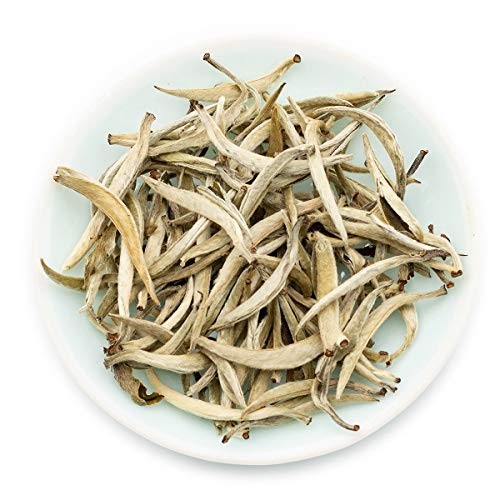
✅ Excellent packaging - protective, intact buds
Oriarm Yunnan Silver Needle White Tea

✅ High quality whole leaf buds - fat, even-sized, young silver needles with white furs