

We analyze real customer reviews to surface what matters: key strengths, ideal use cases, and honest considerations — so you can make an informed choice.
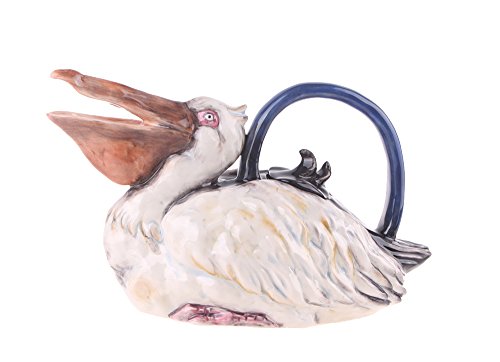
Blue Sky Pelican Teapot
A sculptural pelican-shaped teapot with realistic detailing and quality construction — a standout for coastal decor displays and teapot collections.
🎯 Best for: Decorative display purposes, Teapot collectors

✅ What Customers Love
- Unique and funky decorative design (7 mentions)
- High quality construction and finish (3 mentions)
- Realistic detail (not cartoonish) (2 mentions)
🎯 Best For
Decorative display purposes • Teapot collectors • Pelican collectors/enthusiasts • Beach house or coastal decor
Brand: Blue Sky Clayworks
Category: Teapots
As an Amazon Associate we earn from qualifying purchases.
About This Product
Blue Sky Clayworks brings a level of realistic detail to this pelican teapot that collectors distinguish from novelty kitchenware — the expression and finish draw compliments wherever it's displayed. It fits naturally in beach house and coastal-themed settings, where it tends to become a conversation starter. The narrow fill hole and small spout make it impractical for tea balls or standard infusers; loose leaf with a separate strainer works best for functional use. Best suited to teapot collectors, pelican enthusiasts, and coastal decor seekers who want a display piece with genuine character.
Is Blue Sky Pelican Teapot Right for You?
Is the Blue Sky Pelican Teapot actually functional or just decorative?
It's both, but it leans heavily decorative. Reviewers note that it can function as a real teapot if you use loose leaf tea with a separate strainer — but there are practical limitations. The fill hole is small, making it tricky to pour hot water in, and the spout opening is too narrow for standard tea balls or infusers. Several owners describe it as 'too pretty to use.' That said, a few adventurous tea lovers do brew in it and enjoy the experience. Think of it as a display piece that moonlights as a teapot.
Who is the Blue Sky Pelican Teapot best for?
This teapot hits the sweet spot for a few specific groups. Teapot collectors love it for the unique, high-quality design that stands out in any collection. Pelican enthusiasts and coastal decor lovers appreciate the realistic detailing and charming character. It also makes a fantastic gift for anyone who appreciates quirky, well-crafted home decor — it's the kind of piece that gets compliments from every visitor. It's less ideal if you're looking for an everyday functional teapot, since the small openings make brewing a bit fiddly.
What makes the Blue Sky Pelican Teapot a good gift?
This is one of those gifts that gets a genuine reaction. The pelican design is unique and funky — reviewers overwhelmingly mention how it stands out and becomes a conversation starter. The realistic detailing (it doesn't look cartoonish) appeals to a wide range of tastes, and the charming expression gives it real personality. It's perfect for pelican lovers, teapot collectors, beach house owners, or anyone with coastal decor. Multiple reviewers mention receiving lots of compliments on it, and people apparently can't resist giving it a pat when they walk by.
Do people actually use the Pelican Teapot for making tea or just display it?
Mostly display. Multiple reviewers describe it as 'too pretty to use,' and the functional limitations — small fill hole, narrow spout that won't fit infusers — push most owners toward treating it as decor. But there are some who do brew in it, using the traditional loose leaf and strainer method. If you're comfortable with that approach and don't mind being a little careful with the fill hole, it works. But if you need a daily workhorse teapot, look elsewhere and keep this pelican where it belongs — on proud display getting compliments.
How does this compare to other novelty teapots?
The Blue Sky Pelican stands above most novelty teapots in a couple of key ways. The construction quality and finish are notably high — this isn't a flimsy gift shop impulse buy. The realistic detailing sets it apart from the cartoonish look many novelty teapots have. And it has genuine character — reviewers mention that the pelican's charming expression makes people want to pat it when they walk by. Where it falls short compared to more practical novelty teapots is functionality — the small fill hole and narrow spout make it trickier to use for actual tea brewing than some other designs.
Does the Blue Sky Pelican Teapot look cartoonish?
No, and that's actually one of the things reviewers specifically praise about it. The pelican has realistic detail rather than a cartoon look, which gives it more of an artisan, collectible feel. The expression is charming without being silly — it has genuine character. This matters because a lot of animal-shaped teapots go the cutesy route and end up looking cheap. The Blue Sky Clayworks version maintains artistic integrity while still being fun and whimsical.
As an Amazon Associate we earn from qualifying purchases.
How big is the Blue Sky Pelican Teapot?
It measures 11 x 5.5 x 6.5 inches, so it's a substantial display piece without being oversized. That's roughly the length of a standard sheet of paper and about the height of a coffee mug. It makes a strong visual statement on a shelf, kitchen counter, or in a display cabinet without dominating the space. The size works well as a focal point for coastal or beach-themed decor arrangements.
Is the Blue Sky Pelican Teapot good for beach house decor?
It's practically made for it. The pelican design fits perfectly into coastal and beach-themed spaces, and reviewers who bought it for exactly this purpose are thrilled with it. The realistic styling means it adds sophistication to your decor rather than looking like kitschy beach souvenirs. At 11 x 5.5 x 6.5 inches, it's the right size to be a featured piece on a shelf, side table, or kitchen counter without overwhelming the space. Several reviewers mention it as one of the standout pieces in their beach house collections.
Is the Blue Sky Pelican Teapot better with or without an infuser?
Here's something important to know: the spout opening on this pelican teapot is too small for standard tea balls or infusers. So the infuser question is kind of answered for you. If you do want to brew tea in it, your best bet is loose leaf tea with a separate strainer held over your cup when pouring. Honestly though, most owners use this primarily as a decorative piece — it's almost too charming to risk staining with daily tea use.
Can you use tea bags in the Blue Sky Pelican Teapot?
You can technically drop a tea bag in through the fill hole, but it's not ideal. The small opening makes it a bit awkward to fish the bag out when steeping is done, and honestly, a sculptural teapot like this deserves better than a tea bag. If you're going to brew in it at all, loose leaf with a pour-through strainer is the way to go. But let's be real — most people who buy this pelican are displaying it, not brewing in it daily.
How do you make tea in the Pelican Teapot with loose leaf tea?
Add your loose leaf tea directly into the teapot — about one teaspoon per cup of water, plus one for the pot. Pour hot water in carefully through the fill hole (it's smaller than most teapots, so a gooseneck kettle helps). Let the tea steep for the appropriate time for your tea type, then pour through a handheld mesh strainer into your cup. The strainer method actually works really well and gives the leaves plenty of room to unfurl and release flavor. Just know this is more of a traditional brewing approach — if you prefer the convenience of a built-in infuser, this isn't the teapot for that.
How can you tell if the Blue Sky Pelican Teapot is valuable?
The Blue Sky Clayworks Pelican Teapot holds its value well as a collectible piece. Reviewers consistently praise the high quality construction and finish, and the realistic detailing sets it apart from cheaper novelty teapots that look cartoonish. It's the kind of piece that teapot collectors and pelican enthusiasts specifically seek out because of its unique, funky design — it's not mass-produced generic decor. If you're evaluating one secondhand, look for the Blue Sky Clayworks marking, intact paint detail, and no chips around the spout or fill hole.
As an Amazon Associate we earn from qualifying purchases.
Is the Blue Sky Pelican Teapot a vintage collectible?
Blue Sky Clayworks has produced various animal-themed ceramic pieces over the years, and the Pelican Teapot is one of their more sought-after designs. Whether a specific one qualifies as 'vintage' depends on when it was made, but collectors do actively look for these. The realistic detail, charming expression, and high quality finish make it a standout in any teapot collection. Several owners describe it as a conversation starter that receives lots of compliments.
Can you use a tea infuser with the Blue Sky Pelican Teapot?
Standard tea ball infusers won't work — the spout opening is too small to fit them through. If you want to brew in this teapot, use loose leaf tea directly in the pot and pour through a handheld strainer into your cup. Some basket-style infusers that sit inside the pot (inserted through the top fill hole) might work depending on their diameter, but measure carefully. The fill hole is also on the smaller side, so oversized infuser baskets are out too.
How do you correctly use the Blue Sky Pelican Teapot?
If you're using it functionally (and some brave souls do), here's what to know. The fill hole is on the small side, so pour hot water carefully — a kettle with a narrow spout helps. Standard tea balls and infusers won't fit through the spout, so use loose leaf tea directly in the pot and strain when pouring into your cup. That said, the majority of owners use this as a display piece. It's the kind of teapot that people describe as 'too pretty to use,' and honestly, that charming pelican expression deserves to be seen, not hidden in a cabinet between brew sessions.
What should I look for when buying a novelty teapot like this?
With a decorative teapot like the Blue Sky Pelican, you want to check a few things. First, construction quality — this one scores well, with reviewers noting the high quality finish and realistic detailing. Second, consider whether you want it for display or actual use. This pelican is primarily a display piece, though it can brew tea with some workarounds. Third, check the dimensions (this one is 11 x 5.5 x 6.5 inches) to make sure it fits your shelf or display area. And honestly, character matters — this pelican has a charming expression that people say makes you want to pat it when you walk by.
Which is better for a novelty teapot, porcelain or ceramic?
The Blue Sky Pelican Teapot is ceramic, which is actually the better choice for a sculptural, detailed piece like this. Ceramic holds up well for decorative use, retains heat decently if you do brew with it, and allows for the kind of detailed, realistic sculpting that makes this pelican so appealing. Porcelain would be thinner and more fragile — not ideal for a piece with protruding features like a pelican beak and wings. The ceramic construction here is praised by reviewers for its quality and durability.
How do you use a ceramic teapot like the Blue Sky Pelican?
Ceramic teapots like this one should be warmed before brewing — just swirl some hot water inside and pour it out. This prevents thermal shock and helps maintain your tea's temperature. With the Pelican Teapot specifically, be aware that the fill hole is smaller than typical teapots, so take your time pouring water in. Use loose leaf tea directly in the pot (infuser balls don't fit the spout), and strain into your cup. After use, hand wash gently — no dishwasher for a collectible piece like this.
As an Amazon Associate we earn from qualifying purchases.
Why should you warm the Pelican Teapot before brewing?
Warming any ceramic teapot before brewing prevents the cold ceramic from dropping your water temperature the moment you pour it in. With the Blue Sky Pelican, this is especially worth doing because the fill hole is small — you want every degree of heat working for you since filling is a slower process. Just swirl some hot water inside, pour it out, then add your tea and fresh hot water. It's a small step that makes a noticeable difference in your cup.
What kind of tea works best in the Blue Sky Pelican Teapot?
If you're going to brew in it, loose leaf tea is your only real option since infuser balls don't fit the spout. Any loose leaf variety works — black, green, herbal, oolong — but go with larger leaf teas rather than fine-cut or dusty teas, since bigger leaves are easier to catch with a pour-through strainer. Avoid anything with lots of small bits like rooibos or CTC-cut black teas that might slip through your strainer. A nice whole-leaf oolong or green tea would be a lovely match for this artisan piece.
What Customers Love
⚠️ Limited sample based on limited customer feedback (10 reviews) • Our methodology
- Unique and funky decorative design (7 mentions)
- High quality construction and finish (3 mentions)
- Realistic detail (not cartoonish) (2 mentions)
- Charming expression/character (2 mentions)
- Well-packaged, arrives without damage (1 mentions)
Best Use Cases
🎯 Best For
- Decorative display purposes
- Teapot collectors
- Pelican collectors/enthusiasts
- Beach house or coastal decor
- Loose leaf tea brewing (without infuser ball)
⚠️ Not Ideal For
- Primary functional teapot use
- Tea bag or tea ball brewing methods
- Users who prefer easy-to-fill teapots
What to Consider
- Small fill hole makes pouring hot water difficult (1 mentions)
- Spout opening too small for standard tea balls/infusers (1 mentions)
⚠️ Important: This analysis is based on limited customer feedback (10 reviews). We've shared what we found, but there may be additional considerations we haven't captured.
About This Analysis
This analysis is based on 10 customer reviews. We're showing you everything we found, but with a small sample, there's a lot we likely haven't captured yet.
✅ What we're confident about: What customers love and best use cases
⚠️ What may be incomplete: Potential issues and considerations
For more perspectives, check customer reviews on Amazon.
Product Selection
In short: We only feature high-rated products.
Products on TeaDelight.net are selected based on strong Amazon customer ratings, sufficient review volume, and market presence. We focus on well-regarded products that tea enthusiasts are actively considering and purchasing.
As an Amazon Associate we earn from qualifying purchases.
You Might Also Like

✅ Beautiful, elegant aesthetic design with floral details
Luka Tech Glass Flower Teapot with Infuser

✅ Adorable/cute design
Blue Sky Ceramics Frenchie French Bulldog Teapot

✅ Visual appeal/aesthetics
Spode Christmas Tree Figural Teapot

✅ Elegant polka dot design (white with black dots)