

We analyze real customer reviews to surface what matters: key strengths, ideal use cases, and honest considerations — so you can make an informed choice.
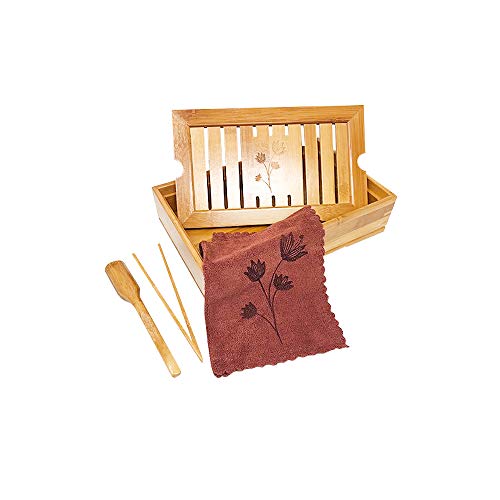
Trademark Innovations Bamboo Gongfu Tea Tray
A compact bamboo gongfu tray with a drainage channel that collects rinse water and tea drips, keeping desks dry during the ceremonial pour-and-rinse sequence.
🎯 Best for: Gongfu tea brewing method, Limited desk or workspace environments

✅ What Customers Love
- Effective drainage and spill collection (5 mentions)
- Compact size perfect for limited desk/work space (4 mentions)
- Attractive bamboo appearance (3 mentions)
🎯 Best For
Gongfu tea brewing method • Limited desk or workspace environments • Individual or two-person tea service • Catching drips during loose leaf tea preparation
Brand: Trademark Innovations
Category: Tea Trays
As an Amazon Associate we earn from qualifying purchases.
About This Product
The tray's drainage channel collects rinse water and tea drips directly, eliminating the towels that clutter most brewing setups. Its compact footprint fits a small teapot and a couple of cups — enough for solo or two-person gongfu service without dominating a desk. The lacquered bamboo finish wipes clean and holds up well to repeated hot water contact. The basin must be emptied after each session — letting water sit promotes mold growth over time. Best suited to gongfu beginners and work-from-home tea drinkers who want a tidy, contained ritual.
Is Trademark Innovations Bamboo Gongfu Tea Tray Right for You?
What's the point of a tea tray?
The whole point is mess management. During gongfu brewing, you're pouring hot water over and around your teaware repeatedly — rinsing leaves, warming cups, discarding first infusions. Without a tray, you'd soak your table. This bamboo tray has a slatted top that lets water drain into a reservoir underneath, and reviewers confirm it effectively catches drips and spills during brewing. Several people specifically note it keeps their desk area dry during tea preparation, which is especially appreciated by folks who brew at their work-from-home setup.
How does a tea tray work?
This tray has a two-layer design: a slatted bamboo surface on top where you place your teaware, and a solid tray underneath that catches all the water. When you pour hot water over your teapot or rinse your cups, the liquid drains through the slats into the lower reservoir. The lacquer coating on top actually beads water, making it easy to wipe down. One important thing to know — you do need to empty that reservoir promptly after each session. Reviewers warn that leaving water sitting in it can lead to leaking at the seams or mold growth over time.
How do you prevent mold on a bamboo tea tray?
This is the single most important maintenance issue with this tray. Reviewers report mold can develop after two to three months if you're not careful. The key rules: empty the water reservoir immediately after every tea session — never leave water sitting in it overnight. Dry the tray thoroughly after emptying, especially the lower reservoir and any joints or corners where moisture can hide. If you're in a humid environment, give it extra time to air dry. Some owners prop the top piece up after use to let air circulate between the layers. It does require daily attention, so if you can't commit to that routine, this might not be the right tray for you.
Does this tea tray leak?
It can, but mostly as a maintenance issue rather than a design flaw. Reviewers note that if you empty the reservoir promptly after each session, leaking isn't a problem. The issue comes when liquid sits in the tray too long — the seams can let water through, and over time the glue at the corners may weaken. One reviewer mentioned corner separation after extended use. The takeaway: treat it as a drain-and-dry-after-each-use piece of equipment, and it should serve you well. Just don't use it as a water storage container.
How big is this bamboo tea tray — will it fit on my desk?
This is one of the more compact gongfu trays available, and desk use is actually one of its strongest selling points. Multiple reviewers specifically praise it for fitting on limited desk and workspace areas. It comfortably holds a small teapot and a few cups for individual or two-person service without dominating your desk. If you're a work-from-home tea drinker looking for a daily ritual setup that coexists with your keyboard and monitor, this is well-suited for that.
Is this bamboo tea tray good for beginners?
It's actually one of the better entry points for someone new to gongfu tea. The price is low enough that you're not making a big financial commitment while you figure out if gongfu brewing is for you. It comes with bamboo tea tools and a towel so you don't have to buy everything separately. The compact size is less intimidating than a large traditional tray, and the lacquer finish wipes clean easily — forgiving if you're still getting the hang of pouring technique. Just be aware that as a beginner tray, it has some durability trade-offs you'd want to upgrade past eventually.
As an Amazon Associate we earn from qualifying purchases.
Who is this bamboo tea tray best for?
It's ideal for two groups. First, beginners exploring gongfu tea who want an affordable, low-commitment way to start — the included tools and forgiving design make it welcoming. Second, work-from-home tea drinkers who want a compact, attractive tea station on their desk for daily brewing. It's best for individual or two-person sessions. It's not the best fit if you brew in a very humid environment, if you tend to leave things sitting overnight, or if you need a tray for larger group tea sessions. Think of it as a great starter tray or a dedicated desk companion rather than a forever piece.
How do you clean this bamboo tea tray?
Reviewers find it easy to clean and wash. The lacquer coating beads water, so a quick wipe-down with a damp cloth handles the top surface. For the lower reservoir, empty it out, give it a rinse, and dry it thoroughly. The included tea towel works well for this. Avoid soaking the tray or using harsh cleaners that could damage the lacquer finish — warm water and a soft cloth are all you need. The most important part isn't cleaning so much as drying: make sure both pieces are fully dry before reassembling to prevent mold growth in the joints.
Can you use this tray for regular tea, not just gongfu?
Absolutely. While it's designed for gongfu brewing, it works well as a general tea tray for any loose leaf preparation. It catches drips when you're pouring from a teapot, keeps your surface dry, and gives your tea setup a dedicated, tidy space. Reviewers mention using it for daily tea rituals at their desk beyond formal gongfu sessions. The drainage is helpful anytime you're working with hot water and teaware, regardless of brewing style.
What is the use of a gongfu tea tray?
A gongfu tea tray serves as a dedicated workspace for the gongfu brewing method, where you rinse teaware with hot water and make multiple short infusions. This Trademark Innovations bamboo tray catches all the water from rinsing your teapot and cups, collecting the initial rinse water during the ceremony and keeping your desk or table completely dry. Reviewers specifically mention it eliminates the need for potholders or towels — everything drains into the tray's reservoir underneath.
What is gongfu style tea?
Gongfu style tea is a Chinese brewing method that uses a small teapot or gaiwan, a high leaf-to-water ratio, and multiple short infusions — often 15 to 60 seconds each. Each steep reveals different flavor layers from the same leaves. This Trademark Innovations tray is sized specifically for that practice, fitting a small teapot and cups for one or two people. The drainage system handles the frequent hot water pours that are central to gongfu brewing, like warming the teapot, rinsing the leaves, and washing the cups between steeps.
What do you put on a tea tray?
For gongfu brewing on this Trademark Innovations tray, you'd typically place a small teapot or gaiwan, two to four small tasting cups, and optionally a fairness pitcher. The set already includes bamboo tea tools — things like tongs for handling hot cups and a scoop for tea leaves. Given the compact size, reviewers note it's best suited for an individual or two-person service. Don't overcrowd it; the beauty of a small gongfu tray is the focused, minimal setup.
As an Amazon Associate we earn from qualifying purchases.
What are the different types of tea trays?
Tea trays come in several materials and styles. Bamboo trays like this Trademark Innovations set are lightweight, affordable, and attractive — great for beginners, though they require more moisture management. Stone trays (often carved from a single piece) are nearly indestructible and develop a beautiful patina, but they're heavy and expensive. Ceramic trays are durable and easy to clean but can chip. Some trays have a built-in drain tube that runs to a bucket underneath, so you never have to empty a reservoir — a nice upgrade if you brew frequently. This bamboo tray uses the simpler reservoir-style drainage, which works well for casual to moderate use as long as you empty it after each session.
How do I choose a tea container?
If you're specifically looking at tea trays for gongfu brewing, size and drainage are the two biggest factors. This Trademark Innovations tray is on the compact end, which reviewers love for desk and limited workspace use but which means it's really designed for one or two people. Drainage works well according to multiple reviewers, though you'll want to empty it after each session. Material matters too — bamboo like this one looks attractive and handles hot water well, but requires more maintenance than ceramic or stone trays to prevent mold. If you brew daily and can commit to drying it out after each use, bamboo is a beautiful and affordable choice.
What is in a gongfu tea set?
A full gongfu set typically includes a small teapot or gaiwan, tasting cups, a pitcher (called a fairness cup), and a tea tray. This Trademark Innovations set gives you the bamboo tray itself plus bamboo tea tools and a tea towel, which is a solid starting point. You'd still want to pick up a small teapot or gaiwan and some cups separately, but having the tray and tools included makes it a good entry-level foundation without a huge upfront investment.
How to serve tea on a tray?
With this compact bamboo tray, you'd place your small teapot or gaiwan in the center with your cups arranged around it. The tray comfortably fits a setup for one or two people. During gongfu service, you warm your teaware by pouring hot water over it right on the tray, let the water drain through, then brew and pour for your guests. The included tea towel is handy for wiping cup bottoms before handing them to someone. Just keep the arrangement simple — this is a compact tray designed for an intimate tea session, not a large spread.
What Customers Love
⚠️ Limited sample based on limited customer feedback (11 reviews) • Our methodology
- Effective drainage and spill collection (5 mentions)
- Compact size perfect for limited desk/work space (4 mentions)
- Attractive bamboo appearance (3 mentions)
- Good value for price (3 mentions)
- Durable finish withstands hot water (2 mentions)
- Includes accessories (bamboo tools, tea towel) (2 mentions)
- Easy to clean and wash (2 mentions)
- Lacquer coating beads water for easy wipe-up (1 mentions)
Best Use Cases
🎯 Best For
- Gongfu tea brewing method
- Limited desk or workspace environments
- Individual or two-person tea service
- Catching drips during loose leaf tea preparation
- Daily tea ritual at work-from-home desk
⚠️ Not Ideal For
- Long-term water storage (must be emptied promptly)
- High-moisture environments without regular drying
- Users who cannot maintain daily cleaning routine
What to Consider
- Leaks if liquid not emptied promptly (2 mentions)
- Glue fails causing corners to separate over time (1 mentions)
- Prone to mold growth after 2-3 months of use (1 mentions)
- May arrive with cracks or scratches (1 mentions)
- Cannot leave water in overnight (1 mentions)
⚠️ Important: This analysis is based on limited customer feedback (11 reviews). We've shared what we found, but there may be additional considerations we haven't captured.
About This Analysis
This analysis is based on 11 customer reviews. We're showing you everything we found, but with a small sample, there's a lot we likely haven't captured yet.
✅ What we're confident about: What customers love and best use cases
⚠️ What may be incomplete: Potential issues and considerations
For more perspectives, check customer reviews on Amazon.
Product Selection
In short: We only feature high-rated products.
Products on TeaDelight.net are selected based on strong Amazon customer ratings, sufficient review volume, and market presence. We focus on well-regarded products that tea enthusiasts are actively considering and purchasing.
As an Amazon Associate we earn from qualifying purchases.
You Might Also Like
✅ Good craftsmanship and build quality
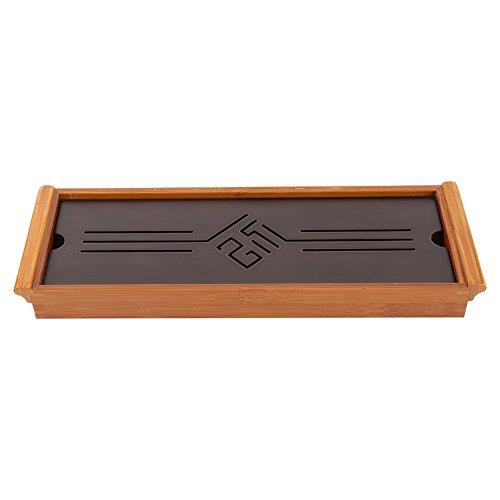
Zerodis Traditional Chinese Tea Tray with Drainage

✅ Beautiful intricate carved designs (floral/vine patterns on legs and aprons)
THY COLLECTIBLES Bamboo GongFu Tea Serving Tray (21x12 Large)

✅ Water drainage/storage system works well
Bsigo Bamboo Tea Tray with Water Storage

✅ Elegant, luxurious appearance with gold trim and handles