




We analyze real customer reviews to surface what matters: key strengths, ideal use cases, and honest considerations — so you can make an informed choice.
Yardwe Bamboo Wooden Tea Spoon
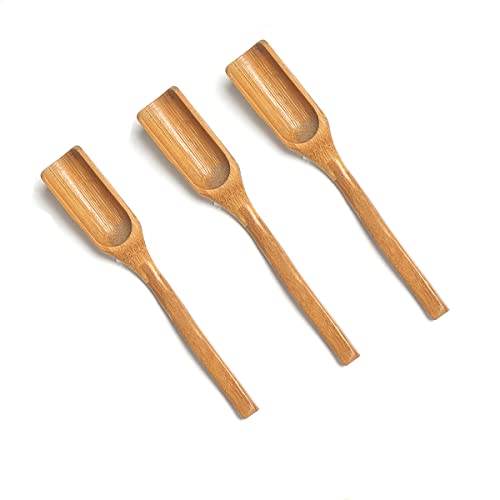
A natural bamboo tea scoop with warm wooden aesthetics suited for loose leaf measuring and decorative display alongside traditional teaware.
🎯 Best for: Loose leaf tea scooping, Gift presentation with tea sets

✅ What Customers Love
- Attractive appearance and design (2 mentions)
- Reasonable price point (2 mentions)
- Functional for scooping loose leaf tea (2 mentions)
🎯 Best For
Loose leaf tea scooping • Gift presentation with tea sets • Decorative teaware display
Brand: Yardwe
Category: Tea Scoops
As an Amazon Associate we earn from qualifying purchases.
About This Product
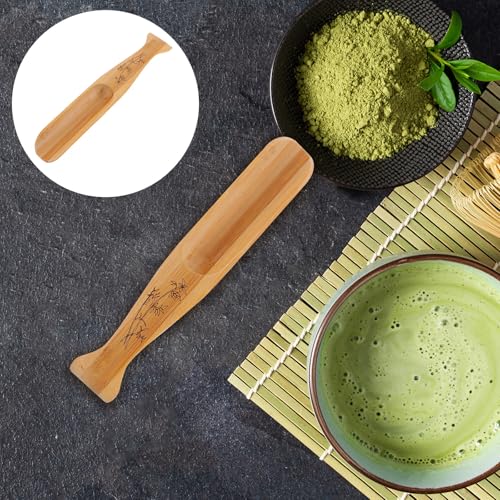
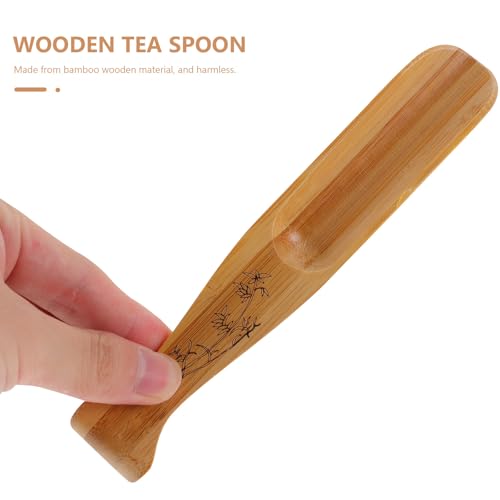
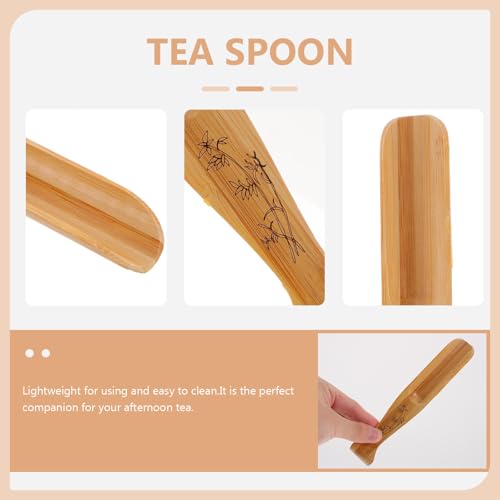
Made from bamboo, this tea scoop handles everyday loose leaf measuring while adding an organic, natural look to a tea setup. Reviewers find it visually appealing and well-suited for gift presentation alongside tea sets. The notable caveat: the surface arrives rough and unfinished — most owners sand it down before regular use to eliminate splinter risk and prevent tea particles from catching on the grain. Once refinished, it performs reliably and holds up to light repair if cracks develop. Best suited for hands-on tea drinkers comfortable doing minor prep work, or those seeking an affordable decorative scoop for display rather than daily utility.
Is Yardwe Bamboo Wooden Tea Spoon Right for You?
Do I need to sand this bamboo tea scoop before using it?
Honestly, most owners say yes. This is probably the most common piece of feedback about the Yardwe scoop — the surface comes with a rough, unfinished texture that can cause tea particles to stick to it, and in some cases there's a risk of small splinters. A quick pass with fine-grit sandpaper (220 grit or higher) smooths it out nicely, and some owners follow up with a coat of food-safe oil. It only takes a few minutes, but it's something to be aware of — this isn't a ready-to-use-out-of-the-box product.
How to use a tea scoop?
Using this Yardwe fishtail scoop is straightforward — dip it into your loose leaf tea canister, scoop up the leaves, and transfer them to your teapot or infuser. The fishtail shape actually helps funnel the leaves nicely. Most teas call for about one scoop (roughly 2-3 grams) per 8-ounce cup, though you can adjust to taste. One thing to note: if you haven't sanded this particular scoop smooth, tea particles can stick to the rough bamboo surface, so many owners recommend giving it a light sanding with fine-grit sandpaper before first use.
Is the fishtail shape just decorative or does it actually help?
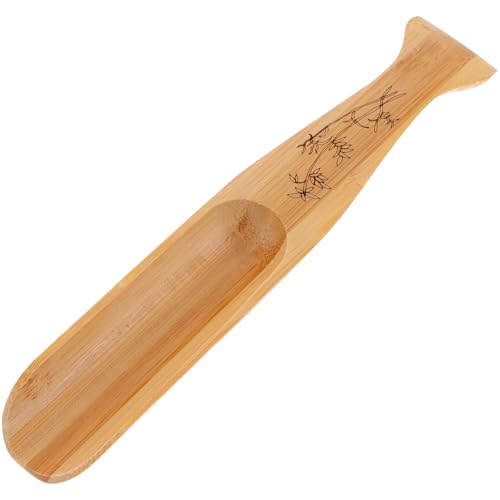
It's both. The fishtail shape gives the scoop a distinctive, elegant look that works well as a decorative teaware piece — owners frequently mention how attractive it looks alongside a tea set. But the tapered fishtail design is also functional: it helps channel loose tea leaves into narrow teapot or infuser openings without spilling. So it's not purely aesthetic, though the decorative appeal is definitely a big part of the draw.
Who is this Yardwe bamboo tea scoop best for?
It's a good fit for a few different types of people. Beginners who are just getting into loose leaf tea will appreciate it as an affordable, simple first scoop. Tea enthusiasts who enjoy traditional teaware and don't mind a little DIY finishing will like the natural bamboo material and the ability to sand and oil it to their own preference. It also makes a nice addition to a tea gift set for presentation purposes. It's probably not ideal for anyone who wants a grab-and-go product with zero prep work.
Are there quality control issues with this scoop?
Some owners have reported inconsistencies — cracking and occasional splinters being the main concerns. It's not every scoop, but it happens often enough that multiple reviewers mention it. The rough, unfinished surface is the most common complaint. If you get one in good shape and take the time to sand and oil it, it holds up well. But there's a bit of a lottery element to the quality you'll receive.
How do I keep this bamboo scoop from cracking?
A few key things: never submerge it in water or put it in the dishwasher, dry it immediately after any washing, and store it in a dry place away from direct heat or sunlight. Periodically rubbing it with food-safe mineral oil helps keep the bamboo from drying out and splitting. Some owners have experienced cracking, so these preventive steps are worth taking from day one. If it does develop a small crack, a dab of food-safe wood glue can sometimes rescue it — reviewers note it can be repaired if damaged.
As an Amazon Associate we earn from qualifying purchases.
Will tea particles stick to this scoop?
Out of the box, yes — this is one of the most mentioned issues. The rough, unfinished bamboo surface tends to catch and hold onto small tea particles, especially fine-cut teas or herbal blends with tiny pieces. After sanding the surface smooth and applying a food-safe oil, this problem largely goes away. It's one more reason most owners recommend doing that finishing step before you start using it regularly.
Are bamboo spoons dishwasher safe?
No, and this Yardwe bamboo tea scoop is no exception. Bamboo should never go in the dishwasher — the heat and prolonged moisture will cause it to crack, warp, and splinter over time. Some owners of this scoop have already noted cracking issues, so protecting it from excess moisture is especially important. Hand wash it quickly and dry it right away for the longest life.
How to clean bamboo spoons?
For this Yardwe bamboo scoop, keep it simple: rinse briefly with warm water and mild soap, then dry it immediately with a towel. Never let it soak or sit in water — bamboo absorbs moisture and can crack, which is something a few owners of this scoop have experienced. Every few weeks, you can rub a thin layer of food-safe mineral oil on it to keep the bamboo from drying out. If you've sanded the scoop to smooth out the finish (which many owners recommend), oiling it afterward is especially important to seal the surface.
Does this Yardwe bamboo scoop work for coffee too?
Yes, it does. While it's marketed as a tea scoop, some owners actually use it for scooping coffee grounds, sugar, and other dry condiments. The compact fishtail shape works well for getting into coffee bags and canisters. Just keep in mind that coffee oils can stain bamboo over time, so you may want to dedicate it to one use if you're particular about that.
Are bamboo spoons the same as wooden spoons?
Not exactly. Bamboo is technically a grass, not a wood, which makes it naturally lighter and more sustainable since it grows much faster than hardwood trees. For tea scoops like this Yardwe one, bamboo tends to be lighter weight and has a distinctive grain pattern. However, bamboo tea scoops can sometimes have a rougher finish than hardwood alternatives — several owners of this scoop noted the surface needed some sanding before use to get it silky smooth.
What size is a tea scoop?
This Yardwe scoop measures 6.49 x 1.18 x 0.47 inches, which is a compact, mid-sized tea scoop. It's large enough to hold a decent portion of loose leaf tea but small enough to fit into most tea canisters and tins. For reference, a standard tea scoop typically holds about 2-3 grams of loose leaf tea per level scoop, though the exact amount depends on how tightly packed or fluffy your tea leaves are.
As an Amazon Associate we earn from qualifying purchases.
How many scoops of tea per cup?
The general rule is one scoop per 8-ounce cup, which works out to roughly 2-3 grams of loose leaf tea with this Yardwe scoop. That said, it varies by tea type — delicate white teas are fluffier and you might want a heaping scoop, while dense rolled oolongs pack more into the same space so a level scoop is plenty. Start with one scoop and adjust up or down based on how strong you like your brew.
Can I use this scoop for a tea ceremony?
It can complement a traditional tea ceremony setup, especially if you appreciate natural bamboo materials — bamboo scoops (called chashaku in Japanese tea tradition, though those are typically a different shape) have a long history in tea culture. The Yardwe scoop's fishtail design gives it a more decorative, artisan feel. That said, if you're doing a formal tea ceremony, you'd likely want to sand and finish this scoop first to give it the polished, refined look that ceremony teaware calls for.
What Customers Love
⚠️ Limited sample based on limited customer feedback (9 reviews) • Our methodology
- Attractive appearance and design (2 mentions)
- Reasonable price point (2 mentions)
- Functional for scooping loose leaf tea (2 mentions)
Best Use Cases
🎯 Best For
- Loose leaf tea scooping
- Gift presentation with tea sets
- Decorative teaware display
⚠️ Not Ideal For
- Use without refinishing (splinter risk)
- Users wanting ready-to-use product
What to Consider
- Rough, unfinished surface that needs sanding (3 mentions)
- Particles stick to rough finish (2 mentions)
- Quality control issues (cracking, splinters) (2 mentions)
⚠️ Important: This analysis is based on limited customer feedback (9 reviews). We've shared what we found, but there may be additional considerations we haven't captured.
About This Analysis
This analysis is based on 9 customer reviews. We're showing you everything we found, but with a small sample, there's a lot we likely haven't captured yet.
✅ What we're confident about: What customers love and best use cases
⚠️ What may be incomplete: Potential issues and considerations
For more perspectives, check customer reviews on Amazon.
Product Selection
In short: We only feature high-rated products.
Products on TeaDelight.net are selected based on strong Amazon customer ratings, sufficient review volume, and market presence. We focus on well-regarded products that tea enthusiasts are actively considering and purchasing.
As an Amazon Associate we earn from qualifying purchases.
You Might Also Like

✅ Dual functionality as scoop and bag clip
Doppeltree Bamboo Coffee Scoop and Bag Clip
✅ Appropriate size for loose tea measuring
AISIBO Wooden Loose Tea Scoops
✅ Heavy, solid weight and sturdy construction
Teabloom Perfect Measure Loose Leaf Tea Spoon

✅ Lightweight and easy to handle