



We analyze real customer reviews to surface what matters: key strengths, ideal use cases, and honest considerations — so you can make an informed choice.
Taylor Swoden Glass Electric Kettle with LED Light
A glass electric kettle with a blue LED glow that reaches a full boil in 2–3 minutes — built for daily tea and coffee routines where speed and visual appeal matter.
🎯 Best for: Quick single or double cup preparation, Small households (1-2 people)

✅ What Customers Love
- Fast boiling speed (2-3 minutes) (15 mentions)
- Auto shut-off feature (8 mentions)
- Attractive blue LED light (7 mentions)
🎯 Best For
Quick single or double cup preparation • Small households (1-2 people) • Office use • Daily tea/coffee routine
Brand: Taylor Swoden
Category: Tea Kettles
As an Amazon Associate we earn from qualifying purchases.
About This Product
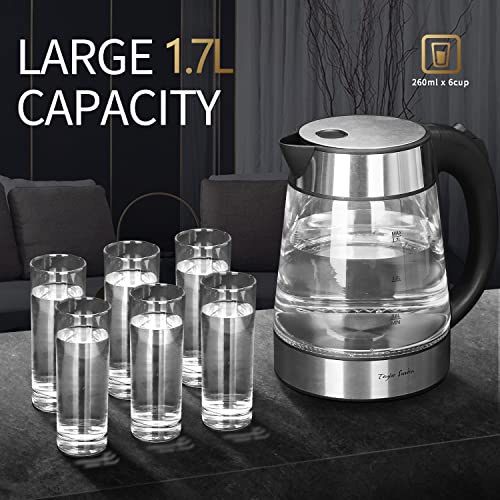
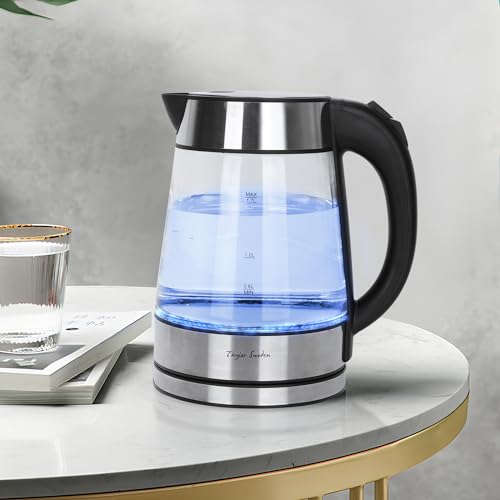
The glass body illuminates with a blue LED ring during heating, making it a visually distinctive countertop piece. It reaches a full boil in 2–3 minutes and shuts off automatically, removing any need for monitoring. The 1.7-liter capacity handles multiple cups without multiple fills, and reviewers consistently note its quiet motor. Some users report discoloration at the base of the glass after repeated use, and the lid can dribble if tilted too sharply during pouring. Best suited to small households or office desks where a fast, low-maintenance daily kettle is the priority.
Is Taylor Swoden Glass Electric Kettle with LED Light Right for You?
How fast does the Taylor Swoden kettle boil water?
Reviewers consistently highlight speed as one of its top features — expect a full boil in about 2-3 minutes. That's significantly faster than a microwave and much faster than stovetop heating. In fact, fast boiling is the single most-mentioned positive feature, with 15 reviewers calling it out specifically. For smaller amounts (a single cup), it can be even quicker. Several reviewers say this speed completely changed their tea and coffee routine because there's essentially no waiting involved.
Does the Taylor Swoden kettle have auto shut-off?
Yes, and reviewers consider it one of the kettle's best safety features. The auto shut-off activates once the water reaches a full boil, and there's also boil-dry protection that prevents the heating element from running if you accidentally turn it on empty. Eight reviewers specifically mention the auto shut-off as a highlight — it means you can press the button and walk away to do other things without worrying about the water over-boiling or the kettle running dry.
What does the blue LED light on this kettle do?
The blue LED illuminates the water inside the glass kettle while it's heating, giving you a visual indicator that the kettle is on and working. Seven reviewers mention it as a standout feature — it looks striking on the counter, especially in a dimmer kitchen. Beyond aesthetics, it's practical too: you can see at a glance from across the room whether the kettle is still heating. The light turns off when the auto shut-off kicks in, so you know the water is ready.
Is Taylor Swoden a good brand for electric kettles?
Taylor Swoden offers a solid entry-level electric kettle experience. Reviewers consistently praise the fast boiling speed (2-3 minutes), the attractive blue LED light, and the simple one-button operation. However, there are notable durability concerns — some users report staining at the bottom of the glass after just a few uses, and a handful mention rust on metal components or the kettle failing within weeks to months. It's a good pick if you want an affordable, attractive kettle for daily use, but don't expect it to last as long as a premium brand.
Does the glass on this kettle stain or discolor?
This is the most frequently mentioned downside — six reviewers report staining or discoloration at the bottom of the glass after just a few uses. It's likely mineral buildup from hard water rather than a defect, but it's worth knowing about. Regular descaling with white vinegar or citric acid can help prevent and remove these deposits. If you have particularly hard water in your area, this is something you'll want to stay on top of to keep the glass looking clean and clear.
How do you use the Taylor Swoden electric kettle?
It's about as simple as it gets. Fill the kettle with cold water up to the 1L mark (reviewers recommend not filling above that to avoid steam and overheating issues), place it on the cordless base, and press the single power switch. The blue LED lights up so you know it's working, and in about 2-3 minutes you'll have boiling water. The auto shut-off kicks in once the water reaches a full boil, so you don't need to stand there watching it. One thing to note: there's no button to pop the lid open — you'll need to lift it manually.
As an Amazon Associate we earn from qualifying purchases.
How much water should I fill in the Taylor Swoden kettle?
While the kettle has a 1.7L maximum capacity, reviewers recommend staying at or below the 1L mark for the best experience. Filling above 1L has been associated with overheating and excess steam escaping near the switch area. For a single cup of tea or coffee, you only need about 250-350ml, so there's no need to fill it up. Less water also means faster boiling — you'll get your cup in under 2 minutes with a smaller fill.
Is the Taylor Swoden kettle quiet?
A couple of reviewers specifically mention quiet operation as a positive, which is notable since many electric kettles can be quite loud during the boiling cycle. It won't be completely silent — you'll still hear some bubbling as the water reaches a boil — but it's noticeably less disruptive than many competitors. This makes it a good option for office settings or early morning use when you don't want to wake the household.
Does the lid leak when you pour?
A couple of reviewers mention that the lid can leak if you tilt the kettle too aggressively while pouring. The fix is simple — pour at a moderate angle rather than tipping it steeply. It's a minor design quirk rather than a major flaw, but worth knowing about so you don't get an unexpected drip the first time you pour. Most users don't seem to find it a dealbreaker once they adjust their pouring technique.
Is the Taylor Swoden kettle good for a small household?
It's actually an ideal fit for 1-2 person households. The 1.7L capacity is more than enough for a couple of cups at a time, and reviewers say it works best when filled to around the 1L mark or below. The fast 2-3 minute boil means you're not wasting time or energy heating more water than you need. It also saves counter space compared to a full-sized coffee maker, which several reviewers specifically appreciate in smaller kitchens.
Can this kettle replace my coffee maker?
For many people, yes. Several reviewers mention switching from pod machines or drip coffee makers to this kettle paired with a French press, pour-over, or even instant coffee. You get faster results, less counter space used, and more versatility — the same kettle handles tea, coffee, oatmeal, and anything else that needs hot water. The one thing you lose is the convenience of a programmable coffee maker that has your coffee ready when you wake up, but with a 2-3 minute boil time, the wait is minimal.
How do you use an electric kettle for coffee?
This Taylor Swoden kettle works great for coffee — in fact, several reviewers specifically mention using it as a replacement for complicated pod machines. Boil your water (2-3 minutes), then pour directly into a French press, over a pour-over dripper, or into a cup with instant coffee. For pour-over, the spout gives decent control, though it's not a gooseneck. One reviewer's unexpected discovery was that the kettle makes an excellent base for instant coffee, simplifying their morning routine compared to a full coffee maker. It's also more energy efficient than a full-sized coffee maker when you're just making one or two cups.
As an Amazon Associate we earn from qualifying purchases.
Is this kettle safe to use around children?
You'll want to exercise caution. While the auto shut-off and boil-dry protection are good safety features, one reviewer notes that steam can escape through the switch area and cause the handle to get hot. Glass construction also means the body gets hot during boiling and could shatter if dropped. This isn't unique to the Taylor Swoden — most glass kettles have similar considerations — but it's worth placing the kettle well out of reach of small children and supervising its use carefully.
What should I look for when buying a kettle?
The key factors are speed, safety features, material, and capacity. This Taylor Swoden model checks several important boxes: it boils fast (2-3 minutes), has auto shut-off and boil-dry protection so you can walk away safely, uses glass construction for clean-tasting water, and holds 1.7 liters. Based on reviewer feedback, you'll also want to consider durability (some budget kettles don't last), whether the handle stays cool (steam can escape near the switch on this model), and cord management. If you brew delicate teas like green or white, temperature control is worth looking for — though this kettle only does a full boil.
How do you choose a kettle for tea?
For tea specifically, you want a kettle that reaches a true boil (this Taylor Swoden does), heats quickly for multiple steeps (2-3 minutes here), and ideally has a material that won't affect water taste (glass is excellent for this). Capacity matters too — if you're brewing for yourself, even a partial fill of this 1.7L kettle works great, and reviewers say it's perfect for quick single or double cup preparation. The one thing this kettle lacks for serious tea enthusiasts is variable temperature control, which matters if you brew green, white, or oolong teas that need water below boiling.
How do you use an electric kettle for the first time?
Before your first real use, you'll want to do a rinse boil. Fill the Taylor Swoden kettle with fresh cold water to about the halfway mark, boil it, then discard that water. This clears out any manufacturing residue. After that, fill with cold water (reviewers recommend staying at or below the 1L mark for best results), place it on the base, and flip the switch. The blue LED will light up, and in 2-3 minutes your water is ready. The auto shut-off means it'll turn itself off once boiling — no need to hover. One tip: be careful when pouring, as a couple of reviewers note the lid can leak if you tilt it too aggressively.
Should you put hot or cold water in an electric kettle?
Always start with cold, fresh water. This applies to the Taylor Swoden kettle and any electric kettle. Cold water has more dissolved oxygen, which actually makes for better-tasting tea and coffee. Hot tap water can contain more sediment and minerals from your water heater. Plus, the auto shut-off and boil-dry protection features on this kettle are designed around the assumption that you're starting with cold water. Reviewers also suggest not leaving water sitting in the kettle between uses, as it can contribute to the staining some users have noticed.
How do you make tea with this electric kettle?
Fill the Taylor Swoden kettle with fresh cold water — just enough for what you need. Flip the switch and wait about 2-3 minutes for a full boil. For black teas and herbal infusions, pour immediately at the full boil. For green or white teas, let the water cool for 2-3 minutes after boiling to bring it down to around 175°F. Pour over your tea bag or loose leaf in your cup, steep for the recommended time, and enjoy. The small pour spout strainer can actually be removed if you want a better flow rate when pouring. Multiple reviewers mention this kettle replaced their microwave for heating water, and the results are noticeably better for tea.
As an Amazon Associate we earn from qualifying purchases.
Which is healthier, a glass or a stainless steel kettle?
Glass kettles like this Taylor Swoden model have a real advantage here — glass is non-reactive, so it won't leach any metals or chemicals into your water, and it doesn't retain flavors from previous boils. Stainless steel is also a safe choice, but lower-quality steel can sometimes impart a slight metallic taste, especially when new. One practical benefit of glass is you can actually see the water as it boils, which lets you monitor clarity and cleanliness. The trade-off is that glass is more fragile — some reviewers of this kettle mention cracking or breaking over time.
What is the healthiest kettle to boil water in?
Glass and high-grade stainless steel are widely considered the healthiest options. This Taylor Swoden kettle uses borosilicate glass, which is completely non-reactive — it won't leach chemicals or metals into your water regardless of temperature. That's a genuine advantage over plastic kettles or lower-quality metal ones. Just keep an eye on the metal components around the lid and base, as a few reviewers have noted rust developing over time, which you'd want to address promptly.
Can you use this kettle with a tea infuser?
Absolutely, though you'll use the infuser in your cup or teapot, not in the kettle. Boil the water in the Taylor Swoden kettle, then pour over your loose leaf tea in an infuser basket or ball placed in your cup. The fast 2-3 minute boil time is actually a big plus for loose leaf tea drinkers who do multiple steeps — you can re-boil quickly between infusions. The glass construction means you're getting pure, clean-tasting water with no metallic flavors that could interfere with delicate tea leaves.
What is a good wattage for a kettle?
In the US, most electric kettles run between 1000-1500 watts, with higher wattage meaning faster boiling. This Taylor Swoden kettle delivers impressively fast boiling times of 2-3 minutes, which puts it solidly in the higher wattage range for US kettles. For context, a 1500W kettle will boil a liter of water roughly twice as fast as a 750W one. If speed matters to you — and reviewers of this kettle consistently highlight the fast boil as a top feature — look for at least 1200W.
How do you use a tea kettle with tea bags?
Boil water in the Taylor Swoden kettle, then pour it directly over your tea bag in a mug — never put the tea bag inside the kettle itself. For black tea, pour right at boiling. For green tea, wait 2-3 minutes after the auto shut-off to let the temperature drop a bit. Let the tea bag steep for 3-5 minutes depending on how strong you like it. The 1.7L capacity means you can easily boil enough water for several cups at once if you're serving guests, though reviewers note it's really best suited for quick single or double cup preparation.
Which electric kettle is better, glass or steel?
It depends on what matters most to you. This Taylor Swoden glass kettle gives you a visual experience — you can watch the water boil with the blue LED illumination, and glass won't affect the taste of your water. Steel kettles tend to be more durable and retain heat slightly longer. Reviewers of this glass model love the aesthetic appeal and fast boiling, but some have run into durability issues like cracking or staining. If you prioritize looks and pure-tasting water, glass is great. If you need something that'll survive years of daily abuse, steel might be the safer bet.
As an Amazon Associate we earn from qualifying purchases.
How do you use an electric kettle to boil water?
It's the simplest appliance in your kitchen. With the Taylor Swoden, just fill with cold water (don't exceed the max line — reviewers recommend staying at or below 1L for optimal performance), set it on the cordless base, and press the power switch. The blue LED indicator lets you know it's heating, and within 2-3 minutes you'll have a rolling boil. The kettle shuts off automatically once the water boils. The cordless design means you lift the kettle off the base to pour, which keeps the cord out of the way.
Customer-Validated Strengths
based on 30-review analysis • Our methodology
- Fast boiling speed (2-3 minutes) (15 mentions)
- Auto shut-off feature (8 mentions)
- Attractive blue LED light (7 mentions)
- Good capacity (1.7L) (3 mentions)
- Quiet operation (2 mentions)
Best Use Cases
🎯 Best For
- Quick single or double cup preparation
- Small households (1-2 people)
- Office use
- Daily tea/coffee routine
- Counter display (aesthetic appeal)
⚠️ Not Ideal For
- Long-term durability (multiple reports of failure within weeks/months)
- Households with children (overheating handle safety concern)
- Filling above 1L mark (causes overheating/steam issues)
- Leaving water standing in kettle
What to Consider
- Staining/discoloration at bottom of glass after few uses (6 mentions)
- Rusting issues (metal components) (2 mentions)
- Lid leaks when pouring if tilted too much (2 mentions)
- Handle overheating with steam escaping through switch (1 mentions)
- No button to pop lid open (1 mentions)
- Thick, cumbersome power cord and large plug (1 mentions)
- Lid mechanism failure (won't open) (1 mentions)
- Durability issues (cracking, breaking) (3 mentions)
based on 30-review sample.
About This Analysis
This analysis is based on 30 customer reviews. We're showing you everything we found, but with our analysis, there's always more to discover.
✅ What we're confident about: What customers love and best use cases
⚠️ What may be incomplete: Potential issues and considerations
For more perspectives, check customer reviews on Amazon.
Product Selection
In short: We only feature high-rated products.
Products on TeaDelight.net are selected based on strong Amazon customer ratings, sufficient review volume, and market presence. We focus on well-regarded products that tea enthusiasts are actively considering and purchasing.
As an Amazon Associate we earn from qualifying purchases.
You Might Also Like

✅ Heats water very quickly (2-5 minutes)
Mueller Rapid Boil Glass Electric Tea Kettle
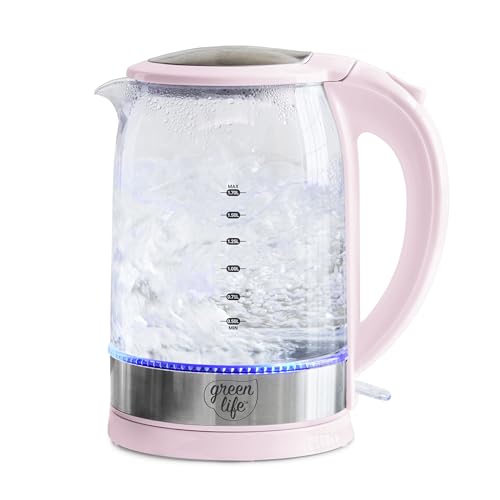
✅ Fast boiling/heating speed
GreenLife 1.7L Glass Electric Kettle
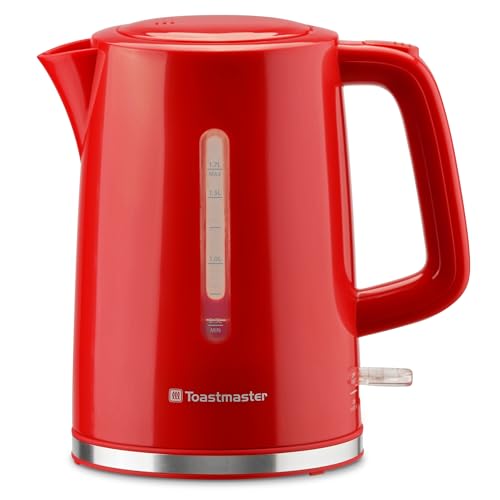
✅ Fast heating/boiling speed
Toastmaster 1.7L Electric Kettle

✅ Fast heating/boils quickly