




We analyze real customer reviews to surface what matters: key strengths, ideal use cases, and honest considerations — so you can make an informed choice.
Boao Cheesecloth Tea Bags
Large-format natural-fiber filter bags sized for cold brew coffee, stock infusions, and multi-ingredient herb bundles — reusable and easy to rinse clean.
🎯 Best for: Cold brew coffee preparation, French press coffee cleanup

What Stands Out
✅ What Customers Love
- Large size accommodates multiple ingredients (5 mentions)
- Versatile for multiple uses beyond tea (4 mentions)
- Good quantity provided (2 mentions)
🎯 Best For
Cold brew coffee preparation • French press coffee cleanup • Vegetable scraps in stock making • Large spice and herb bundles (bouquet garni)
Brand: Boao
Category: Tea Filter Bags
As an Amazon Associate we earn from qualifying purchases.
About This Product
These cheesecloth bags are generously sized to hold coffee grounds, vegetable scraps, whole spices, or herb bundles without risk of overfilling. Natural fibers clean up easily with basic dish soap and handle staining well through repeated use. Reviewers find them particularly effective for cold brew coffee and French press cleanup, with no grounds escaping into the brew. The large format is a poor match for single-serving tea or small herb bundles, which can get lost inside. Best suited to home cooks and coffee drinkers who regularly prepare cold brew, stocks, or multi-ingredient broths.
Is Boao Cheesecloth Tea Bags Right for You?
Are these Boao bags too big for regular tea brewing?
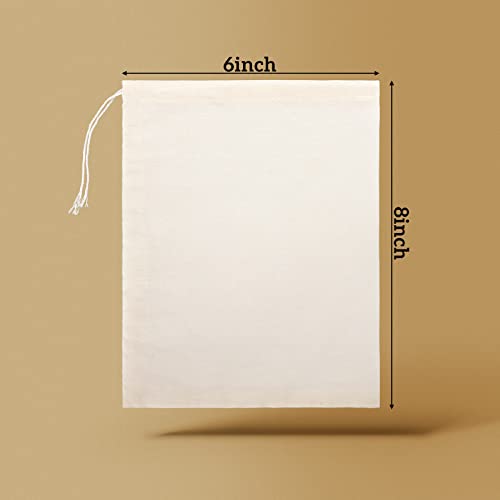
Honestly, yes — for a single cup of tea, the 6x8 inch size is overkill. Multiple reviewers note that they're too large for traditional tea bag use, and the excess fabric can make it awkward to fit into a standard mug or even some teapots. Where these bags really shine is for larger applications: cold brew coffee in a pitcher, spice bundles in a big pot of soup, bouquet garni for stocks, or brewing large-batch herbal tea. If you specifically need single-cup tea bags, consider looking for smaller 3x4 inch filter bags instead.
How do you choose tea filter bags for cold brew coffee?
For cold brew, these Boao bags are actually an excellent match. The 6x8 inch size — which is oversized for tea — is just right for cold brew because you need room for a generous amount of coffee grounds to steep for 12-24 hours. Multiple customers specifically mention using them for cold brew coffee and French press cleanup. The muslin weave catches grounds well, and the natural cotton won't impart any off-flavors during a long steep. The tie-top design lets you easily pull the grounds out of your pitcher when brewing is done.
What should I look for when buying tea filter bags?
The main things to consider are material, size, and your specific use case. For material, natural fibers like the muslin in these Boao bags avoid microplastic concerns. For size, think about what you're using them for — these are 6x8 inches, which is large. That's ideal for cold brew, stocks, and big spice bundles, but honestly too big for a single cup of tea. If you primarily brew single cups of loose leaf, look for smaller 3x4 inch bags instead. Also consider whether you want disposable or reusable — these are reusable, which is more economical with 50 in the pack.
Are these tea filter bags worth buying over a metal tea strainer?
They serve different purposes. A metal strainer is great for single cups and daily use — you fill it, steep, and rinse. These Boao cheesecloth bags shine in situations where a strainer doesn't work well: cold brew coffee (where you need to leave grounds submerged for hours), simmering spice bundles in soup stock, straining yogurt, or making large batches of anything. With 50 bags in a pack and the ability to wash and reuse them, they're quite versatile. Many buyers use them more for cooking and cold brew than traditional tea steeping.
Do these bags work for making bouquet garni and soup stocks?
This is actually one of the best use cases for these bags. The 6x8 inch size is perfect for holding big bundles of herbs, vegetable scraps, peppercorns, bay leaves, and other aromatics in a simmering pot of stock. Customers specifically mention using them for vegetable scraps in stock making and large spice bundles. The one caveat some reviewers mention is that the large size can make the bag float or be difficult to fully submerge in smaller pots of broth — so they work best in larger stockpots.
How many times can you reuse these Boao cheesecloth bags?
These bags are reusable, and customers confirm they hold up through multiple cycles of use and washing. The natural muslin fibers handle staining well — they'll discolor from tea or coffee, but that doesn't affect performance. Wash them with basic dish soap after each use and dry them thoroughly. The exact number of reuses depends on how aggressively you use them (simmering in stock is harder on them than cold brewing), but getting several uses out of each bag is typical. With 50 in the pack, you're well-stocked even if some wear out.
As an Amazon Associate we earn from qualifying purchases.
How do these compare to paper tea filters or nylon mesh bags?
Each has trade-offs. Paper filters are single-use and can sometimes impart a papery taste, but they're convenient for daily tea. Nylon mesh bags are durable and reusable but raise microplastic concerns with repeated heat exposure. These Boao muslin bags split the difference — they're natural fiber (no microplastic worry), reusable (more economical than paper), and the cotton won't add off-flavors. The main downside is the large 6x8 inch size, which limits their usefulness for single cups of tea. For cooking and cold brew applications, though, they're hard to beat.
Are these good for someone just getting into loose leaf tea or cold brew?
For cold brew beginners, definitely yes — the simple tie-and-use design requires zero special equipment, the large size gives you plenty of room to experiment with coffee-to-water ratios, and the 50-bag quantity means you can make mistakes without worrying about waste. For loose leaf tea beginners, they work for large-batch brewing but are honestly oversized for single cups. The forgiving size is actually nice for beginners though — you don't need to worry about overfilling, and there's plenty of room for leaves to expand and infuse properly.
What are the most creative uses for these cheesecloth bags?
Customers have gotten surprisingly creative with these. Beyond the obvious tea and coffee uses, people report using them for straining homemade yogurt, hanging fresh garlic cloves from cupboards for storage, containing carbon media in aquarium filters, and even organizing small parts and coins by labeling the bags. The 6x8 inch size and sturdy construction make them versatile enough for all kinds of household tasks that need a breathable, washable container.
How do you use cloth tea bags like these?
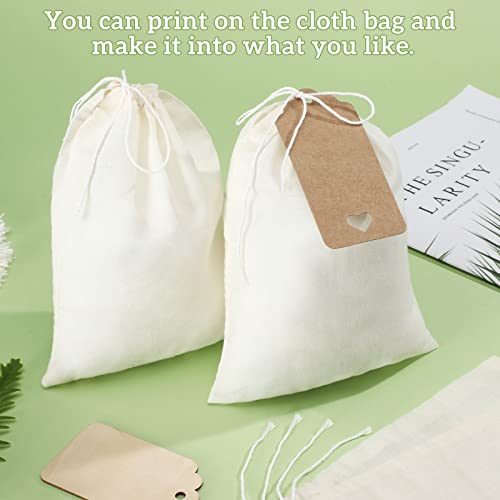
It's really simple: fill the bag with your loose tea leaves, herbs, spices, or whatever you're infusing, then tie the top closed with a string or twist tie. Drop it into your pot, pitcher, or cup and let it steep. When you're done, pull the bag out and all the solids come with it — no straining needed. Because these Boao bags are 6x8 inches, they work especially well for large batches like cold brew coffee, soup stocks, or big pots of herbal tea. After use, dump the contents, rinse the bag, and let it dry for reuse.
Which tea bags don't leach microplastics?
These Boao bags are made from natural muslin (cotton cheesecloth), so they don't contain any plastic and won't release microplastics into your drink. That's a real advantage over many commercial tea bags, which often use polypropylene to heat-seal the bag shut, or nylon mesh in pyramid-style bags. If avoiding microplastics is a priority for you, natural fiber bags like these are a solid choice — you fill them with your own loose leaf tea, so you control both the filter material and the tea quality.
Can I put these cheesecloth bags in boiling water?
Yes, these natural muslin cheesecloth bags can handle boiling water. Customers regularly use them in boiling stocks, broths, and soups to hold spice bundles and vegetable scraps. The natural cotton fibers are heat-resistant and won't break down or leach chemicals at high temperatures — which is one of the advantages of natural fiber bags over synthetic alternatives. Just be careful when removing them from hot liquids, as the wet cloth will be extremely hot.
As an Amazon Associate we earn from qualifying purchases.
Can cheesecloth be used for tea bags?
Absolutely — cheesecloth works well as a tea filter, and these Boao bags are essentially pre-sewn cheesecloth pouches designed for exactly that. The natural muslin fibers let water flow through freely while keeping loose leaves contained. That said, at 6x8 inches, these are quite large for a single cup of tea. They're better suited for brewing large batches, making cold brew, or infusing big pots of herbal tea rather than single-serving cups. If you're mainly doing one-cup tea steeping, you might want smaller filter bags.
Do you put tea bags in the water before or after it boils?
Generally, you bring the water to the right temperature first, then add your tea bag. For black tea and herbal infusions, that means boiling water poured over the bag. For green or white teas, let the water cool a bit (around 175°F) before adding the bag. With these Boao bags specifically, they can handle being placed directly in boiling water — customers routinely simmer them in stocks and soups — so you don't need to worry about the bag itself. Just focus on the right temperature for whatever tea you're brewing inside it.
Why shouldn't you squeeze tea bags?
Squeezing a tea bag releases extra tannins that make the tea taste more bitter and astringent. With these large Boao cheesecloth bags, the temptation to squeeze is real — especially since the bag is so much bigger than a standard tea bag and holds more liquid. The same principle applies: let the bag drip naturally rather than wringing it out. For non-tea uses like straining stock or cold brew coffee, squeezing is less of a concern since bitterness from tannins isn't a factor.
Why should you never throw away used tea bags?
Used tea bags (or in this case, used cheesecloth bags with tea leaves) have plenty of second lives — composting, deodorizing, garden fertilizer, and more. But with these Boao bags, the real answer is even simpler: don't throw them away because they're reusable. Customers report washing them with basic dish soap, drying them, and using them many times over. The natural fibers handle staining well, so even if they discolor from tea or coffee, they still work perfectly fine.
Can I use cheesecloth to strain tea?
Yes, and these Boao cheesecloth bags make it even easier than using flat cheesecloth because they're already sewn into bag form — just fill, tie, and drop in. Customers use them for straining loose leaf tea, herbal infusions, and especially cold brew coffee. The muslin weave catches fine particles while letting liquid pass through cleanly. They're reusable too, so you can wash them out with dish soap and use them again.
How do you use a tea filter like these Boao bags?
Fill the bag with your loose tea, herbs, spices, or coffee grounds — leave some room for the contents to expand as they absorb water. Tie the open end shut with string, a rubber band, or a twist tie. Submerge it in your water, broth, or whatever liquid you're steeping in. When done, just lift the bag out. For cleanup, empty the contents (into compost if you have one), rinse the bag, and hang or lay flat to dry. With basic dish soap washing, these bags last through multiple uses.
What Customers Love
⚠️ Limited sample based on limited customer feedback (9 reviews) • Our methodology
- Large size accommodates multiple ingredients (5 mentions)
- Versatile for multiple uses beyond tea (4 mentions)
- Good quantity provided (2 mentions)
- Durable construction and material quality (2 mentions)
- Reusable and washable (2 mentions)
Best Use Cases
🎯 Best For
- Cold brew coffee preparation
- French press coffee cleanup
- Vegetable scraps in stock making
- Large spice and herb bundles (bouquet garni)
- Yogurt straining
- Multi-ingredient soup/broth infusions
⚠️ Not Ideal For
- Traditional single-serving tea bags
- Small herb bundles (gets lost in bag)
- Small-volume brewing vessels
What to Consider
- Too large for traditional tea bag use (2 mentions)
- Size makes it difficult to submerge in broth (1 mentions)
⚠️ Important: This analysis is based on limited customer feedback (9 reviews). We've shared what we found, but there may be additional considerations we haven't captured.
About This Analysis
This analysis is based on 9 customer reviews. We're showing you everything we found, but with a small sample, there's a lot we likely haven't captured yet.
✅ What we're confident about: What customers love and best use cases
⚠️ What may be incomplete: Potential issues and considerations
For more perspectives, check customer reviews on Amazon.
Product Selection
In short: We only feature high-rated products.
Products on TeaDelight.net are selected based on strong Amazon customer ratings, sufficient review volume, and market presence. We focus on well-regarded products that tea enthusiasts are actively considering and purchasing.
As an Amazon Associate we earn from qualifying purchases.
You Might Also Like

✅ Durable, thick cotton/fabric material (not flimsy paper)
Lannso Disposable Tea Bags for Loose Leaf Tea (200 Count)

✅ Strong, durable material that doesn't tear or leak grounds
Yzurbu Cold Brew Coffee Filter Bags

✅ Sturdy and durable, holds up through multiple uses
Cuopru Tea Filter Bags with Drawstring

✅ Sturdy construction, doesn't tear easily during normal use