

We analyze real customer reviews to surface what matters: key strengths, ideal use cases, and honest considerations — so you can make an informed choice.
Tubibu Handmade Copper Charcoal Samovar Tea Pot Set
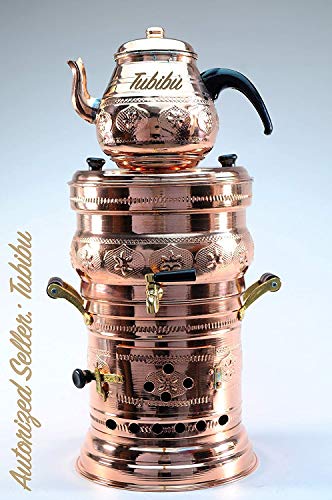
A handmade copper charcoal samovar that heats tea the traditional way — its crafted appearance and authentic charcoal function make it as much a display piece as a brewer.
🎯 Best for: Traditional samovar tea brewing with charcoal, Decorative display piece

✅ What Customers Love
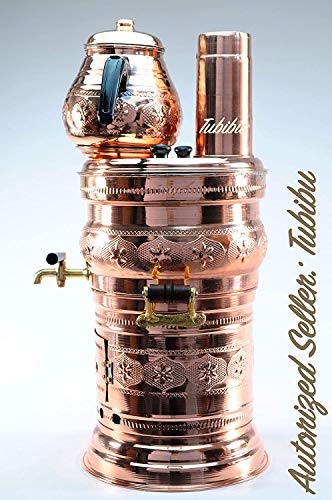
- Handmade copper construction with attractive appearance (8 mentions)
- Works with coal/charcoal as designed (2 mentions)
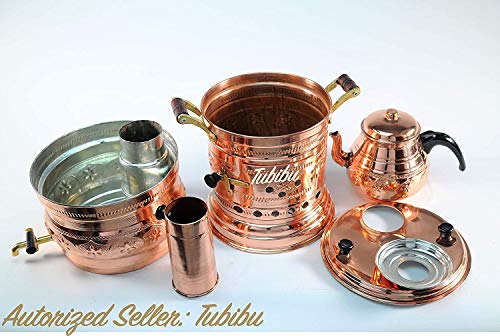
- Easy to assemble and use (2 mentions)
🎯 Best For
Traditional samovar tea brewing with charcoal • Decorative display piece • Gift giving for holidays and special occasions • Daily tea ritual for serious tea drinkers
Brand: Tubibu
Category: Samovars
As an Amazon Associate we earn from qualifying purchases.
About This Product
This samovar uses live charcoal to heat water, producing tea the way generations of enthusiasts have prepared it — reviewers note a genuine improvement in flavor compared to electric alternatives. The copper construction is handmade, giving each unit a warm, individual character that works well as a decorative accent even when not in use. Assembly is straightforward and the charcoal heating function performs as expected. The copper is on the lighter side, which means it's better suited to occasional ceremonial use than daily heavy cycling. Best for those who want a culturally authentic tea ritual or a distinctive gift for a serious tea drinker.
Is Tubibu Handmade Copper Charcoal Samovar Tea Pot Set Right for You?
How do you make tea with the Tubibu samovar?
Start by filling the samovar's water chamber and loading charcoal into the central firebox. Light the charcoal and let the water come to a boil. Meanwhile, prepare a strong tea concentrate in the small teapot — use more tea leaves than you normally would. Place the teapot on top of the samovar where the rising heat keeps it warm. To serve, pour a small amount of concentrate into your cup (about a quarter to a third full) and top it off with hot water from the samovar's tap. Owners say the assembly is easy and straightforward, and the charcoal heating works as designed.
How to use a samovar?
Using the Tubibu samovar is easier than you might think — owners specifically mention it's easy to assemble and use. Here's the basic process: (1) Assemble the samovar — the parts fit together intuitively. (2) Fill the water chamber. (3) Load charcoal into the central firebox and light it. (4) While the water heats, prepare a strong tea concentrate in the top teapot. (5) Once the water is hot, place the teapot on top to stay warm. (6) Serve by pouring concentrate into cups and diluting with hot water from the tap. The main learning curve is managing the charcoal, but if you've ever used a charcoal grill, you'll figure it out quickly.
Does the Tubibu samovar actually improve tea flavor?
According to owners, yes. Multiple reviewers specifically mention good tea flavor and improved brewing quality compared to standard methods. The charcoal heating provides a more gradual, even heat than an electric kettle, and the continuous warmth of the teapot sitting on top allows the concentrate to develop deeper flavors. Experienced tea drinkers in the reviews appreciate the difference, though it's worth noting this is a subtle enhancement — you won't suddenly taste a completely different tea, but the ritual and slow brewing process do produce a richer cup.
Is the Tubibu samovar well-made?
This is where opinions are mixed. On the positive side, it's handmade copper with an attractive appearance — eight reviewers specifically praised the look and craftsmanship. However, several owners describe the copper as thinner and lighter than expected for the price. A few noted construction details like jagged edges on drilled holes, and there's one report of a plastic tap handle that doesn't match the wood accents elsewhere. It's a genuine handmade product with the charm and imperfections that come with that — beautiful to look at and functional, but not museum-quality construction.
Is the Tubibu samovar good for everyday use?
It depends on your definition of everyday. For a daily tea ritual where you're using it once a day, it should serve you well — that's exactly what serious tea drinkers buy it for. However, for truly heavy-duty, multiple-times-a-day use, there are some durability concerns. The copper is on the thinner side according to several reviewers, and one mentioned the firebox may show wear with repeated use. If you want something that can handle years of daily charcoal firing, you might want a heavier-gauge commercial samovar. For a pleasant daily ritual at a more moderate pace, this Tubibu works nicely.
Is the Tubibu samovar a good gift?
It makes a striking gift, especially for someone with Russian, Turkish, Persian, or Central Asian heritage — or anyone who's passionate about tea culture. The handmade copper construction looks impressive and gift-worthy, and reviewers confirm it photographs beautifully. Several people bought it specifically as a gift for holidays and special occasions. Just be aware that it's a charcoal samovar, so the recipient needs to be someone who'll actually use it outdoors or in a well-ventilated space, not someone expecting a plug-in appliance for their kitchen counter.
As an Amazon Associate we earn from qualifying purchases.
Who is the Tubibu samovar best for?
This samovar hits a sweet spot for a few types of buyers. It's great for beginners who want to try traditional charcoal-heated tea — it's easy to assemble and the functionality is straightforward. It also appeals to enthusiasts and traditionalists who appreciate handmade copper craftsmanship and want an authentic cultural tea experience. And it works well as a decorative or gift item for anyone with connections to Russian, Turkish, or Middle Eastern tea culture. It's not ideal if you expect industrial-grade durability, want something maintenance-free, or plan to use it multiple times every single day.
How to boil water in the Tubibu samovar?
Fill the water chamber through the top opening, then load charcoal into the central firebox. Light the charcoal — some people use a chimney starter or lighter cubes to get it going. Once the charcoal is burning well, the water will gradually heat up and come to a boil. The charcoal keeps the water hot for an extended period, which is the whole point of a samovar. One thing to note: a couple of reviewers mentioned the firebox handle can be tricky to close, so take care when managing the charcoal.
Does the copper change color after use?
Yes, and this is completely normal for real copper. Two reviewers specifically mention color changes after the first use, and others note oxidation over time. Copper naturally develops a patina — it's part of the material's character. Some people love the aged look, while others prefer to polish it back to a bright shine. Regular polishing with a copper cleaner will maintain the original appearance if that's your preference. Just know going in that a real copper samovar requires more maintenance than a stainless steel one.
Does the Tubibu samovar rust?
A couple of reviewers reported rust and oxidation issues. Copper itself doesn't rust (that's an iron thing), but it does oxidize and develop a green patina called verdigris. What some reviewers may be calling "rust" could be oxidation on non-copper components like screws or the firebox interior. To prevent issues, dry the samovar thoroughly after each use, store it in a dry place, and polish the copper periodically. Some maintenance is simply the reality of owning a real copper vessel — it's not a set-it-and-forget-it product.
What kind of maintenance does a copper samovar need?
Real copper requires some love. For the Tubibu samovar, plan on: (1) Drying it thoroughly after every use to prevent oxidation — multiple reviewers mention color changes and oxidation. (2) Periodic polishing with a copper cleaner to maintain the bright finish, or let it develop a natural patina if you prefer that look. (3) Cleaning out the firebox after each charcoal use. (4) Checking for any mineral buildup inside the water chamber. It's more maintenance than a stainless steel electric kettle, but that's part of owning an authentic copper piece. Think of it like caring for a cast iron skillet — a bit of effort that becomes routine.
Can I use the Tubibu samovar without charcoal?
The Tubibu is specifically designed as a charcoal-fired samovar — that's the traditional method and what it's built for. Reviewers confirm it works well with charcoal as intended. You wouldn't want to use it with other fuel sources that it wasn't designed for, as that could damage the thin copper construction or create safety issues. If you want a samovar that doesn't require charcoal, you'd need an electric model instead. One interesting note from a reviewer: someone found it useful as an emergency backup tea brewing method, suggesting it's versatile in off-grid situations.
As an Amazon Associate we earn from qualifying purchases.
Can the Tubibu samovar be used as a decorative piece?
Absolutely — and many buyers use it for exactly that. With its handmade copper construction and traditional design, it's a genuine conversation starter. Eight reviewers specifically praised its attractive appearance. It works beautifully as a decorative accent in a kitchen, dining room, or living space, whether or not you ever fire it up with charcoal. Just keep in mind that copper will develop a patina over time, which many people consider part of the decorative charm.
What is a copper samovar?
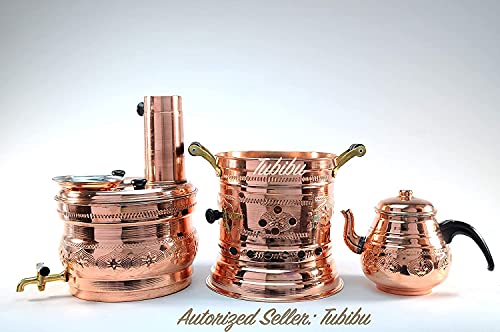
A copper samovar is a traditional tea-brewing vessel made from copper, designed to heat water using charcoal or other fuel sources. The Tubibu samovar is a handmade copper model that follows this centuries-old design — it has a central chimney where charcoal burns, heating the water in the surrounding chamber, with a teapot that sits on top to brew a concentrated tea. Copper is the traditional material choice because it conducts heat efficiently and, according to users, contributes to a better tea flavor.
What is a samovar teapot?
A samovar teapot is actually a two-part system. The samovar itself is the large lower vessel that heats water — in the case of the Tubibu, it uses charcoal in a central firebox. On top sits a small teapot where you brew a very strong tea concentrate. To serve, you pour a small amount of concentrate into your cup and dilute it with hot water from the samovar's tap. This setup lets everyone customize their tea strength, and the samovar keeps water hot for extended periods — perfect for long gatherings or all-day tea drinking.
How does a Turkish samovar work?
The Tubibu samovar follows the traditional Turkish design. It works like this: there's a central chimney or firebox where you burn charcoal. This chimney is surrounded by a water chamber — as the charcoal burns, it heats the water around it. A tap at the bottom lets you draw hot water. On top sits a small teapot where you brew a very strong tea concentrate (called demlik in Turkish tradition). The heat rising from the chimney keeps this teapot warm. Owners confirm it works well with charcoal as designed, and the assembly is straightforward.
What is the point of a samovar?
A samovar serves both a practical and cultural purpose. Practically, it keeps a large volume of water hot for hours, letting you serve tea to many people without constantly reboiling. The Tubibu samovar uses charcoal for this, which owners say gives the tea a distinctive, enhanced flavor you don't get from an electric kettle. Culturally, samovars are central to tea traditions across Russia, Turkey, Iran, and Central Asia — they turn tea drinking into a communal ritual rather than a quick cup. Several buyers purchased this Tubibu model specifically to connect with their cultural heritage or to create a meaningful tea ritual at home.
What are the different types of samovars?
There are three main types: charcoal (traditional), electric, and decorative. The Tubibu is a traditional charcoal-fired samovar — it uses real charcoal in a central firebox to heat water, which is the original design dating back centuries. Electric samovars work like oversized electric kettles and are more convenient for daily indoor use. Decorative samovars are purely for display. If you want the authentic experience with that charcoal-heated flavor, a traditional model like this Tubibu is the way to go. If convenience matters more, you'd want an electric version instead.
As an Amazon Associate we earn from qualifying purchases.
How does the Tubibu compare to electric samovars?
They're really two different experiences. The Tubibu is a traditional charcoal samovar — it gives you the authentic ritual, the charcoal-enhanced flavor that experienced tea drinkers appreciate, and the visual spectacle of a working samovar. The trade-off is that you need charcoal, outdoor or ventilated space, and more hands-on management. Electric samovars are essentially fancy electric kettles shaped like samovars — convenient, indoor-friendly, and low maintenance, but they miss the traditional experience entirely. If you want authenticity and ritual, go with the Tubibu. If you want convenience, go electric.
How to choose a samovar in the USA?
When shopping for a samovar in the US, your main decision is charcoal vs. electric. The Tubibu is a traditional charcoal model, which gives you the authentic experience but means you'll need to use it outdoors or somewhere well-ventilated. If you want indoor convenience, go electric. For charcoal models like this one, look at the copper thickness (thicker is more durable), the capacity (this is a large model), and whether it includes the teapot. The Tubibu comes as a complete set, which is a plus. Also consider that the seller is responsive according to reviewers, which matters when buying specialty items online.
Are copper tea kettles healthy?
Copper has been used for tea and water vessels for centuries across many cultures. The Tubibu samovar is made from real copper, which is a naturally antimicrobial material. That said, copper does oxidize over time — several owners of this samovar mention color changes after the first use and some oxidation, which is normal for copper cookware. Regular cleaning and proper maintenance will keep it in good condition. If you're concerned, many samovar users brew their concentrated tea in the ceramic or porcelain teapot that sits on top, so the tea itself has limited direct contact with the copper body.
What size is the Tubibu samovar?
This is the Large size option from Tubibu. It's a substantial piece — handmade copper samovars in this size category typically hold several liters of water, enough to serve tea to a gathering of people throughout an afternoon or evening. The large size also makes it more visually impressive as a display piece. Keep in mind that bigger means heavier copper construction, more charcoal needed, and more water to heat — so consider whether you'll typically be brewing for two people or twenty.
Is a samovar just for tea?
Traditionally, samovars are designed for tea, and that's what the Tubibu is built for. The system is specifically set up for brewing concentrated tea in the top pot and diluting it with hot water from the main vessel. That said, the samovar fundamentally heats water, so you could technically use that hot water for other purposes. But the real magic is in the tea ritual — the charcoal heating, the concentrate method, the communal serving. That's what makes a samovar special rather than just a fancy water heater.
Is a samovar Russian or Persian?
Both, actually. Samovars have deep roots in both Russian and Persian (Iranian) culture, as well as Turkish and Central Asian traditions. The exact origin is debated, but the samovar became a cultural icon across all these regions. The Tubibu samovar follows a design that's common across Turkish and Middle Eastern traditions, and buyers have purchased it to connect with Russian, Turkish, and similar heritage backgrounds. Regardless of which tradition you're drawn to, the brewing method is essentially the same.
As an Amazon Associate we earn from qualifying purchases.
What is a samovar used for?
A samovar is used for brewing and serving tea in the traditional way practiced across Russia, Turkey, Iran, and Central Asia. The Tubibu samovar heats water with charcoal and keeps it hot for hours, while a small teapot on top brews a strong tea concentrate. Guests serve themselves by mixing concentrate with hot water to their preferred strength. Beyond the practical function, a samovar like this Tubibu serves as a centerpiece for social gatherings, a connection to cultural heritage, and — as many owners use it — a beautiful decorative accent piece even when not in active use.
What Makes This Product Special
⚠️ Preliminary analysis based on 21-review sample • Our methodology
- Handmade copper construction with attractive appearance (8 mentions)
- Works with coal/charcoal as designed (2 mentions)
- Easy to assemble and use (2 mentions)
- Good tea flavor/brewing quality (2 mentions)
- Responsive seller service (2 mentions)
- Well packaged for shipping (2 mentions)
Best Use Cases
🎯 Best For
- Traditional samovar tea brewing with charcoal
- Decorative display piece
- Gift giving for holidays and special occasions
- Daily tea ritual for serious tea drinkers
⚠️ Not Ideal For
- Heavy-duty frequent use (thin copper may not hold up)
- Customers expecting museum-quality construction
- Those wanting minimal maintenance (copper oxidizes)
What to Consider
- Thin/light copper material quality (4 mentions)
- Received used or returned item (2 mentions)
- Rust and oxidation issues (2 mentions)
- Poor construction details (jagged edges on drilled circles) (1 mentions)
- Firebox handle difficult to close (1 mentions)
- Color changes after first use (2 mentions)
- Firebox may melt with repeated use (1 mentions)
- Plastic tap handle doesn't match wood accents (1 mentions)
⚠️ based on 21-review sample. Some issues may not be captured.
About This Analysis
This analysis is based on 21 customer reviews. We're showing you everything we found, but with a moderate sample, there's a lot we likely haven't captured yet.
✅ What we're confident about: What customers love and best use cases
⚠️ What may be incomplete: Potential issues and considerations
For more perspectives, check customer reviews on Amazon.
Product Selection
In short: We only feature high-rated products.
Products on TeaDelight.net are selected based on strong Amazon customer ratings, sufficient review volume, and market presence. We focus on well-regarded products that tea enthusiasts are actively considering and purchasing.
As an Amazon Associate we earn from qualifying purchases.
You Might Also Like

✅ High-quality stainless steel construction
Korkmaz Bella Turkish Azure Teapot Set

✅ Effectively boils water with minimal effort
Hakan Portable Turkish Samovar Tea Kettle

✅ Authentic double teapot design for traditional Turkish tea brewing
DESTALYA Turkish Teapot Set

✅ Effective built-in strainer/filter that cleans easily