


We analyze real customer reviews to surface what matters: key strengths, ideal use cases, and honest considerations — so you can make an informed choice.
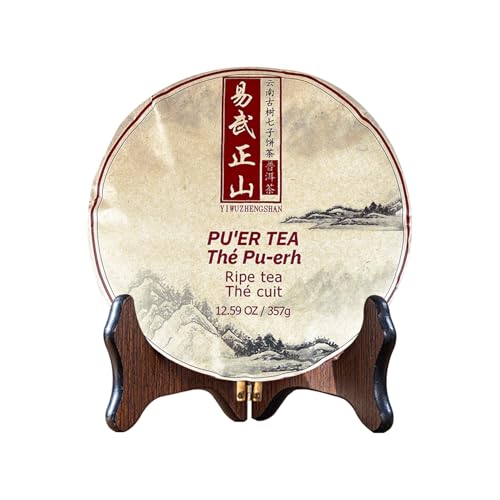
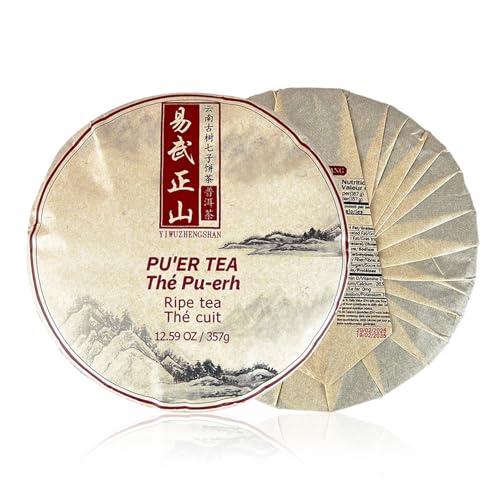
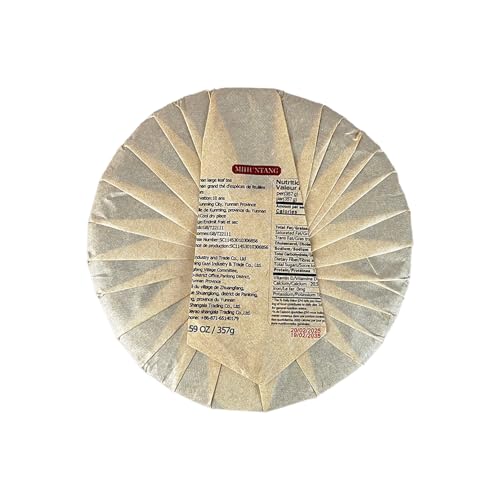
YiwuZhengshan Ancient Tree Pu'er Tea
A ripe pu-erh that skews sweeter than most shou offerings — smooth and earthy with none of the fishiness wet-piling can sometimes leave behind.
🎯 Best for: Mealtime drinking
🍃 Tastes like: earthy

🍃 Flavor Profile
Strength: Moderate
Notes: earthy
✅ What Customers Love
- Smooth and rich flavor for the price point (2 mentions)
- Sweeter than typical ripe pu-erh (1 mentions)
- No fishiness from wet-piling process (1 mentions)
🎯 Best For
Mealtime drinking
Category: Pu-erh Tea
As an Amazon Associate we earn from qualifying purchases.
About This Pu-erh Tea
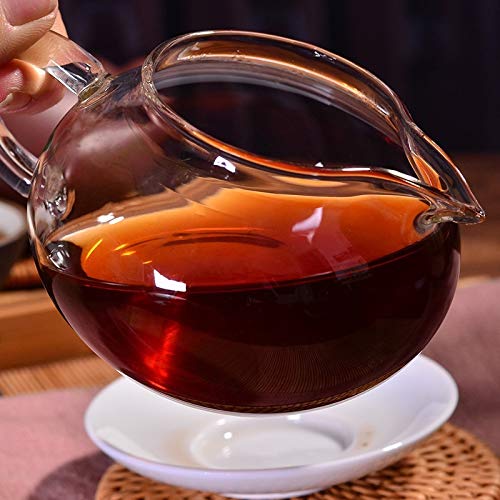
This shou pu-erh delivers a mellow, earthy cup with a noticeably sweeter character than typical ripe offerings. Reviewers praise the smooth texture and clean finish — the wet-piling process leaves no fishy or barnyard off-notes that can otherwise linger in shu teas. The brew is full-bodied enough to hold up at mealtimes or during a relaxed daily session. Some find the strength underwhelming, and leaf-to-twig ratio can be inconsistent. Best suited to beginners exploring ripe pu-erh and daily drinkers who want an approachable, low-fuss cup.
Is YiwuZhengshan Ancient Tree Pu'er Tea Right for You?
What does this YiwuZhengshan ancient tree pu-erh taste like?
Reviewers describe it as smooth and rich with earthy notes and a pleasant sweetness that sets it apart from typical ripe pu-erh. It's sweeter than most shou pu-erh and notably free of the fishy taste that cheap ripe pu-erh sometimes carries. The flavor strength is moderate — some drinkers find it full and satisfying, while a few others have found it on the lighter side, closer to a weak green tea than a robust ripe pu-erh. Using more leaf and shorter, multiple steeps tends to bring out the best flavor.
Is this pu-erh good for beginners?
Yes, this is actually a solid beginner-friendly choice for a few reasons. The price point is very accessible, so you're not making a big financial commitment to try pu-erh for the first time. The flavor is smooth and free of the off-putting fishy notes that sometimes scare newcomers away from ripe pu-erh. And the natural sweetness makes it more approachable than the intensely earthy pu-erhs that experienced drinkers might prefer. It's a low-risk way to find out if pu-erh is your thing.
Does this pu-erh have a fishy smell or taste?
No — and that's actually one of its standout qualities. Fishiness in ripe pu-erh comes from the wet-piling (wodui) fermentation process, and it's a common complaint with cheaper shou pu-erh. Reviewers specifically note that this YiwuZhengshan tea has clean processing with no fishy off-notes, which is impressive given its budget-friendly price. This makes it a safer bet than many other affordable ripe pu-erhs on the market.
What quality issues should I watch for with this tea?
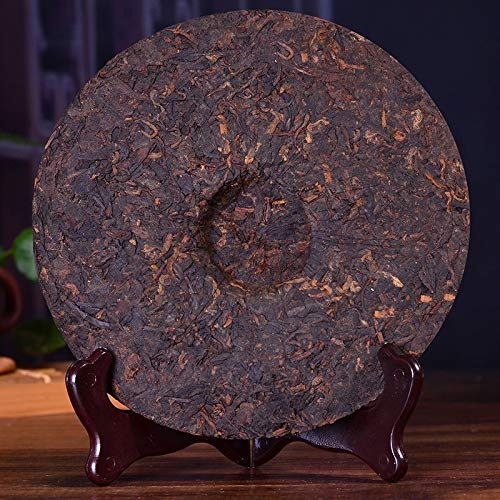
The main issue some buyers have reported is inconsistent quality between batches. While many receive a smooth, rich tea cake with whole leaves, others have gotten cakes with excessive twigs and fewer quality leaves, resulting in a weak, almost tasteless brew. A couple of reviewers described it as tasting more like weak green tea than ripe pu-erh. If your cake looks twig-heavy, try using a higher leaf-to-water ratio to compensate.
How does this compare to more expensive pu-erh teas?
At its best, this YiwuZhengshan delivers surprisingly well against its price tag — smooth, sweet, earthy, and clean. You're not getting the layered complexity or evolving steep-by-steep experience of a premium aged pu-erh, but for daily drinking it punches above its weight. The tradeoff is consistency: premium pu-erh from established producers is more reliable batch to batch, while this tea can be hit or miss. Think of it as a great everyday drinker that occasionally underwhelms, rather than a special occasion tea.
Is this pu-erh tea good for drinking with meals?
Absolutely — mealtime drinking is actually where this tea shines best. Pu-erh has a long tradition as a digestive aid, and this YiwuZhengshan's smooth, earthy, moderately strong profile pairs well with food without overwhelming your palate. Its natural sweetness and lack of harsh bitterness make it versatile enough to accompany everything from dim sum to a simple lunch. Several reviewers appreciate it as an everyday mealtime tea.
As an Amazon Associate we earn from qualifying purchases.
Why is pu-erh tea so expensive?
Pu-erh can get pricey because of aging (some cakes are aged for decades), the source trees, and processing complexity. Ancient tree pu-erh like this YiwuZhengshan version commands higher prices because the leaves come from older, established tea trees rather than plantation bushes. That said, this particular tea is positioned at a bargain price point — reviewers consistently note it's good value for what you get, making it an accessible entry point into ancient tree pu-erh without the typical sticker shock.
How to choose good pu-erh tea?
Look for clean processing (no fishy smell from wet-piling), whole leaves rather than excessive twigs and dust, and a flavor profile that matches your preferences. This YiwuZhengshan ancient tree pu-erh checks the first box well — reviewers specifically praise its clean wet-piling with no fishiness. However, some buyers have noted inconsistent quality between batches, with occasional excess twigs and fewer whole leaves, so inspect your cake when it arrives.
How long should I steep pu-erh tea?
It depends on your brewing method. For gongfu-style (small teapot, more leaf), start at 15-20 seconds and add 5-10 seconds per subsequent infusion. For Western-style (mug or large teapot), 3-5 minutes is typical. Since this YiwuZhengshan tea has a moderate flavor strength, you may want to lean toward the longer end if you prefer a richer cup. If it's tasting weak — which some buyers have experienced — try using more leaf rather than steeping longer, as over-steeping can introduce bitterness.
How much pu-erh tea per cup?
For Western-style brewing in a regular mug, use about 3-5 grams (roughly a tablespoon of broken leaf) per 8 ounces of water. For gongfu-style in a gaiwan or small pot, use 5-8 grams per 100-150ml. Since some reviewers found this YiwuZhengshan tea on the lighter side, you might want to start at the higher end of those ranges and adjust to your taste.
What are the negative effects of pu-erh tea?
The main concerns are caffeine-related: insomnia if consumed too late, potential stomach upset on an empty stomach, and interference with iron absorption. Some people also experience headaches or digestive discomfort when first starting pu-erh, especially with lower-quality teas. This YiwuZhengshan pu-erh is noted for being smooth with no fishiness from the fermentation process, which is a good sign for digestibility — fishy-tasting pu-erh is often the culprit behind stomach complaints.
What happens when you drink pu-erh tea every day?
Regular pu-erh drinkers often report improved digestion, more stable energy levels throughout the day, and a general sense of well-being. Some notice reduced bloating, especially when drinking it with or after meals. This YiwuZhengshan tea's bargain price point and smooth daily-drinking character make it practical for building a regular habit without breaking the bank. Just be mindful of total caffeine intake if you're also drinking coffee or other teas.
As an Amazon Associate we earn from qualifying purchases.
Can you drink pu-erh tea every day?
Yes, many pu-erh enthusiasts drink it daily — and this YiwuZhengshan tea is actually well-suited for that. Reviewers highlight it as a good value for daily drinking, with a smooth flavor that won't fatigue your palate. Its moderate caffeine content makes it a reasonable everyday choice, though you'll want to be mindful of your total caffeine intake across the day.
How many times can you brew this pu-erh tea?
Good pu-erh is famous for its re-steepability, and ancient tree material like this YiwuZhengshan can typically handle 8-15 infusions when brewed gongfu-style. Each steep reveals slightly different flavor nuances. Given that reviewers describe this tea as smooth and rich, you should get solid flavor through at least several steeps, making the per-cup cost even more reasonable for an already budget-friendly tea.
What is pu-erh tea good for?
Pu-erh tea is traditionally valued for aiding digestion, which is why it's a popular choice for drinking with or after meals. This YiwuZhengshan ancient tree pu-erh in particular has a smooth, rich profile that makes it well-suited as a mealtime companion. Pu-erh is also known for its potential to support healthy cholesterol levels and metabolism, though individual results vary.
What are the benefits of drinking pu-erh tea?
Pu-erh is traditionally associated with digestive support, cholesterol management, and gentle energy from its moderate caffeine. The fermentation process creates unique probiotics and compounds not found in other teas. This YiwuZhengshan ancient tree pu-erh specifically offers a smooth, rich cup without the fishy off-notes that plague lower-quality ripe pu-erh, making it easier to drink consistently enough to enjoy those benefits.
How to properly brew pu-erh tea?
For this YiwuZhengshan pu-erh, use water just off the boil (around 200-212°F). Break off a chunk from the cake, rinse it once with hot water (pour water on, then immediately discard — this 'wakes up' the leaves), then steep for real. Start with short steeps of 15-30 seconds and gradually increase time with each infusion. A gaiwan or small teapot works best for gongfu-style brewing, but a regular mug and strainer will do if you're keeping things simple.
How to use a pu-erh tea cake?
You'll need to break pieces off the compressed cake — don't try to brew the whole thing. Use a pu-erh knife or letter opener to gently pry apart the leaves. Insert the tool at the edge of the cake and lever outward to separate a chunk (roughly 5-7 grams for a gongfu session). Try to keep the leaves as intact as possible rather than crumbling them. Store the remaining cake in a cool, dry place with some air circulation — pu-erh doesn't need airtight storage like other teas.
As an Amazon Associate we earn from qualifying purchases.
Is pu-erh tea high in caffeine?
Pu-erh tea has a moderate caffeine content — generally in the range of 30-70mg per cup, which puts it between green tea and coffee. Ripe (shou) pu-erh like this YiwuZhengshan tends to have slightly less caffeine than raw (sheng) pu-erh due to the fermentation process. It's enough to give you a gentle lift without the jittery edge that coffee sometimes brings.
Does aged pu-erh tea have caffeine?
Yes, aged pu-erh still contains caffeine, though the aging and fermentation processes can reduce the levels slightly compared to fresh tea. This YiwuZhengshan is a ripe (shou) pu-erh made from ancient tree leaves — the accelerated fermentation process mellows the caffeine somewhat, but it's still present. Expect a moderate caffeine kick, roughly comparable to a light cup of black tea.
Who should not drink pu-erh tea?
Pu-erh tea does contain caffeine, so people who are highly sensitive to caffeine, pregnant or nursing women, and those on certain medications should check with their doctor first. Because pu-erh can affect iron absorption, people with anemia may want to avoid drinking it with meals. If you have a sensitive stomach, start with small amounts — though this YiwuZhengshan ripe pu-erh is on the smoother, gentler side compared to raw (sheng) pu-erh.
Is pu-erh healthier than green tea?
They offer different health profiles rather than one being strictly 'better.' Green tea is higher in catechins and EGCG, while pu-erh's unique microbial fermentation process creates compounds like lovastatin and gallic acid that may support digestion and cholesterol management. Pu-erh is also generally easier on the stomach than green tea. If digestive support is your priority, pu-erh has the edge. If antioxidant content is your focus, green tea may be the better pick.
What Customers Love
⚠️ Limited sample based on limited customer feedback (10 reviews) • Our methodology
- Smooth and rich flavor for the price point (2 mentions)
- Sweeter than typical ripe pu-erh (1 mentions)
- No fishiness from wet-piling process (1 mentions)
- Full flavor characteristic of pu-erh (1 mentions)
Taste Profile
- smooth
- rich
- sweet
Best Use Cases
🎯 Best For
- Mealtime drinking
What to Consider
- Tasteless or very weak flavor (2 mentions)
- Tastes like weak green tea or raw tea, not ripe pu-erh (1 mentions)
- Poor quality with excessive twigs and few leaves (1 mentions)
⚠️ Important: This analysis is based on limited customer feedback (10 reviews). We've shared what we found, but there may be additional considerations we haven't captured.
About This Analysis
This analysis is based on 10 customer reviews. We're showing you everything we found, but with a small sample, there's a lot we likely haven't captured yet.
✅ What we're confident about: What customers love and best use cases
⚠️ What may be incomplete: Potential issues and considerations
For more perspectives, check customer reviews on Amazon.
Product Selection
In short: We only feature high-rated products.
Products on TeaDelight.net are selected based on strong Amazon customer ratings, sufficient review volume, and market presence. We focus on well-regarded products that tea enthusiasts are actively considering and purchasing.
As an Amazon Associate we earn from qualifying purchases.
You Might Also Like

✅ Pleasant floral aroma and fragrance
FullChea Puerh Tea Cakes 2008/2018 Menghai

✅ Earthy flavor that's not overpowering
Prince Of Peace Premium Pu-erh Tea

✅ smooth, non-bitter taste
Bamatea Ripe Pu'erh Tea from Yunnan, China

✅ Complex evolving flavor profile across multiple steeps