




We analyze real customer reviews to surface what matters: key strengths, ideal use cases, and honest considerations — so you can make an informed choice.
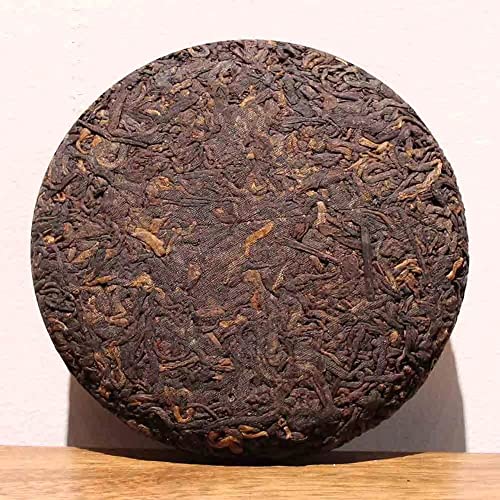
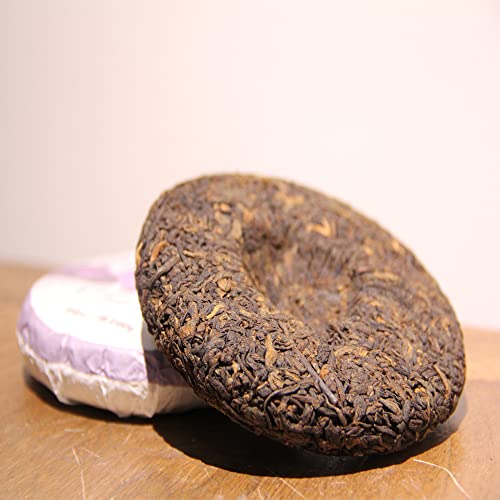
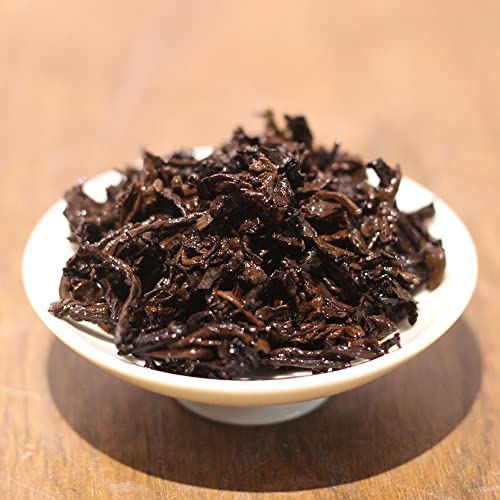
LWXLJMJZC 2018 Aged Ripe Puerh Tea Cake
A 2018 shou puerh cake with a smooth, mellow character — floral and chocolatey notes give way to vanilla sweetness across eight or more steeps.
🎯 Best for: Daily drinking routine, Morning focus and mental clarity
🍃 Tastes like: berry/rose, floral, chocolatey

What Stands Out
🍃 Flavor Profile
Strength: Moderate
Notes: berry/rose, floral, chocolatey
✅ What Customers Love
- Multiple re-steeps possible (8-10 infusions) (4 mentions)
- Pleasant aroma (floral, light, amazing smell) (4 mentions)
- Complex evolving flavor profile across multiple steeps (3 mentions)
🎯 Best For
Daily drinking routine • Morning focus and mental clarity • Gong fu cha traditional tea ceremony • Multiple steeping sessions
Brand: LWXLJMJZC
Category: Pu-erh Tea
As an Amazon Associate we earn from qualifying purchases.
About This Pu-erh Tea
This 2018 ripe puerh cake opens with floral and berry notes, deepening through steeps into chocolate, wood, and a lingering vanilla finish. Reviewers praise the flavor evolution across eight to ten infusions, making it well-suited to gong fu cha preparation. The fermented-savory character is present but restrained — those seeking an aggressively earthy or funky puerh may find it mild. Dark and full-bodied despite relatively low caffeine, it supports calm focus without sharpness. A strong fit for beginners curious about shou puerh and daily drinkers who favor long, meditative steeping sessions.
Is LWXLJMJZC 2018 Aged Ripe Puerh Tea Cake Right for You?
What does this pu-erh cake taste like?
This is where the cake really stands out. The flavor is smooth, full-bodied, and mellow rather than aggressively earthy — which is actually one reason it works well for pu-erh beginners. Early steeps bring berry and rose-like floral notes, middle steeps develop into chocolate and vanilla sweetness, and later steeps finish with woody, mineral character. There's a smooth sweet finish with vanilla notes that multiple buyers highlight. It also has a subtle fermented-savory (umami) quality typical of ripe pu-erh, but it's not overwhelming.
How does the flavor change across multiple steeps?
This is one of the most interesting things about this cake. Buyers describe a clear flavor evolution: early steeps (1-3) bring out floral, berry, and rose-like notes. Middle steeps (4-6) shift toward chocolate and vanilla sweetness — multiple buyers specifically mention the smooth sweet finish with vanilla character. Later steeps (7-10) lean into woody and mineral territory. It's like getting three different tea experiences from one session, which is part of what makes gong fu brewing so rewarding with this particular cake.
What does this pu-erh smell like?
The aroma is one of the most-mentioned positives in reviews. Buyers describe it as floral, light, and 'amazing' — which is notable because some ripe pu-erh can smell quite strong or musty. This cake has a pleasant, inviting scent that hints at the complexity in the cup. The aroma evolves as you steep, too, following the same journey from floral to sweet to woody.
How many times can you brew this pu-erh cake?
Buyers consistently report 8-10 quality infusions from a single serving, which is one of this cake's standout features. The flavor doesn't just hold up — it actually evolves. Early steeps bring out berry and floral notes, middle steeps develop chocolate and vanilla sweetness, and later steeps lean woody and mineral. That's a full afternoon of tea from one 5-7 gram piece, which is part of why buyers say it's great value.
How do you properly brew this pu-erh tea cake?
Break off about 5-7 grams with a pu-erh knife. Rinse the leaves once with boiling water (pour on, dump immediately — this 'wakes up' the compressed leaves). Then steep with water around 200-212°F. Start with short steeps of 10-20 seconds and increase time with each infusion. This cake rewards gong fu cha style brewing with a small teapot or gaiwan, and buyers report getting 8-10 quality infusions from a single serving. The flavor evolves beautifully — floral and berry notes in early steeps give way to chocolate and wood in later ones.
Is this a good pu-erh for beginners?
Yes — this is actually one of the better entry points into pu-erh. It's not overly earthy or 'funky' (which can scare off newcomers), the price is low enough to experiment without risk, and the label includes brewing instructions. It also brews dark even with short steeps, so you don't have to nail the technique right away. But it's not just a beginner tea — the complex flavor evolution across 8-10 steeps and the gong fu cha potential give experienced drinkers plenty to explore too.
As an Amazon Associate we earn from qualifying purchases.
Is this pu-erh good for gong fu cha?
Absolutely — gong fu cha is arguably the best way to experience this cake. The compressed leaf form is traditional for gong fu preparation, and the 8-10 infusions you get are right in the sweet spot for a full gong fu session. Buyers who use gong fu method specifically praise the evolving flavor across steeps, from floral-berry to chocolate to woody. You'll need a pu-erh knife to break pieces off the cake, a gaiwan or small teapot, and near-boiling water.
What are the benefits of drinking pu-erh tea?
Buyers of this specific cake report three main benefits: mental clarity and focus, a calm energy boost without jitters, and surprisingly low caffeine despite the dark brew color. Beyond what's in the cup, there's the value of the ritual itself — breaking off a piece from the cake, doing a rinse steep, and working through 8-10 infusions is a meditative process. The flavor evolution from floral-berry to chocolate-vanilla across those steeps keeps the experience engaging rather than monotonous.
How long does this 100g pu-erh cake last?
As a daily drinker using 5-7 grams per session, expect about two weeks from one cake. If you brew less frequently or use less leaf per session, it'll stretch longer. And since pu-erh ages well, you could buy a few cakes, drink one now, and let the others sit — they'll only get smoother over time. Buyers who reorder note the quality stays consistent across purchases.
Can I age this pu-erh cake further?
Yes. This is a 2018 ripe (shou) pu-erh, and buyers mention it ages well for future enjoyment. Ripe pu-erh doesn't change as dramatically with age as raw (sheng) pu-erh does, but it will continue to smooth out and mellow. Store it in a cool, dry place away from strong odors — a dedicated tea shelf or cabinet works fine. Some buyers purchase multiple cakes, drinking one now and setting others aside.
Is pu-erh tea high in caffeine?
Here's something that surprises a lot of people: despite brewing up very dark, this ripe pu-erh is actually relatively low in caffeine. Buyers specifically mention the low caffeine content as a positive. The fermentation process in ripe (shou) pu-erh breaks down some of the caffeine, so you get a calm, focused energy rather than the spike-and-crash of coffee or even some black teas.
How do you use a pu-erh tea cake?
You'll need a pu-erh knife or a thin, sturdy tool to pry pieces off the compressed cake — just work it into the edge and lever off a chunk (roughly 5-7 grams for a session). Give the leaves a quick rinse by pouring hot water over them and immediately discarding it. Then steep in near-boiling water. The great thing about this cake is that it's forgiving: it brews dark even with short steeps, and the label actually includes brewing instructions, which is helpful if you're new to cake-form pu-erh.
As an Amazon Associate we earn from qualifying purchases.
How much pu-erh tea should I use per cup?
For gong fu style (which this cake really shines with), use about 5-7 grams per session in a small teapot or gaiwan. For Western-style mug brewing, 3-5 grams is plenty — this pu-erh brews dark even with smaller amounts and shorter steep times. Break pieces off the cake with a pu-erh knife, working from the edge inward. The leaves will loosen and expand as they steep, so don't pack your vessel too full.
How to choose a good pu-erh tea?
Look for a clear production year, a reputable source, and reviews that mention flavor complexity rather than just 'it's okay.' For ripe (shou) pu-erh specifically, you want smooth rather than harsh, and ideally some aging. This LWXLJMJZC cake checks those boxes — it's a dated 2018 vintage, buyers report consistent quality across multiple orders, and the flavor profile runs from berry and floral notes in early steeps to chocolatey and woody in later ones. That kind of complexity is a good sign.
Do I need a special tool to break this tea cake apart?
A pu-erh knife (also called a tea pick or tea needle) makes it much easier and is the traditional tool. You insert it along the edge of the cake and lever pieces off. You can manage with a butter knife in a pinch, but a proper pu-erh pick gives you cleaner, more consistent pieces and reduces the amount of broken leaf dust. They're inexpensive and worth having if you plan to drink cake pu-erh regularly.
Why is pu-erh tea so expensive?
Pu-erh can get pricey because of aging, origin, and processing — some cakes from famous tea mountains age for decades and command collector prices. But not all pu-erh breaks the bank. This LWXLJMJZC 2018 aged ripe cake is actually one of the more affordable entry points into pu-erh. Multiple buyers specifically praise the quality-for-cost ratio, calling it an inexpensive option that still delivers a complex, evolving flavor across 8-10 steeps. At 100g (3.53 oz), it's a small hand-sized cake that lets you explore aged pu-erh without a big investment.
Do tea cakes go out of date?
Ripe (shou) pu-erh tea cakes like this one don't really expire the way most foods do — they're designed to age. This particular cake is from 2018, and buyers note it ages well for future enjoyment. Stored properly in a cool, dry place away from strong odors, a pu-erh cake can last years or even decades, often improving with time as the flavors mellow and deepen. So no, you don't need to rush through it.
Is ripe pu-erh good for you?
Ripe pu-erh has a long history in traditional Chinese wellness practices, and buyers of this cake specifically mention experiencing mental clarity, focus, and a calm energy boost — without the jitters you might get from coffee. One thing that surprises people is that despite brewing up very dark, this pu-erh is actually relatively low in caffeine. It's a tea many people feel comfortable drinking daily.
As an Amazon Associate we earn from qualifying purchases.
Is it good to drink pu-erh tea every day?
Many people do, and buyers of this specific cake use it as a daily drinker. The relatively low caffeine content (despite the dark color) makes it manageable for everyday consumption. At 100g, the cake lasts about two weeks as a daily drinker, so you'd go through roughly one cake per half-month. The calm energy and mental clarity people report make it a popular morning ritual tea.
Who should not drink pu-erh tea?
While pu-erh is generally well-tolerated, people who are very sensitive to caffeine should be cautious — this cake is lower in caffeine than you'd expect from its dark color, but it's not caffeine-free. Pregnant or nursing women should consult their doctor, as with any caffeinated tea. Also, if you strongly prefer bright, toasty black tea flavors, this ripe pu-erh's earthy, fermented-savory character might not be your cup of tea — literally. The umami and mineral notes are part of what makes pu-erh distinctive, but they're an acquired taste for some.
Is pu-erh healthier than green tea?
They're healthy in different ways. Green tea is known for catechins and antioxidants, while pu-erh — especially ripe pu-erh like this one — goes through a fermentation process that creates different beneficial compounds. Buyers of this cake specifically highlight mental clarity, calm focus, and gentle energy as benefits they experience. It's less about one being 'healthier' and more about what works for your body. If green tea makes you jittery but you still want the focus, pu-erh's lower caffeine and calming properties might suit you better.
Which has more caffeine, pu-erh or green tea?
It depends on the specific tea and how you brew it, but ripe pu-erh like this LWXLJMJZC cake generally has comparable or slightly less caffeine than green tea. Buyers note that this one is low in caffeine despite its dark color. The fermentation process reduces caffeine content. If you're doing multiple short gong fu steeps (as this cake is designed for), your first steep will have the most caffeine, with each subsequent infusion containing progressively less.
Is pu-erh tea good for sleep?
While it's not caffeine-free, this ripe pu-erh is relatively low in caffeine and buyers describe the energy as 'calm' rather than stimulating. Some people do drink it in the evening without sleep issues, especially if they use later infusions (steeps 5-10 have very little caffeine left). That said, if you're highly caffeine-sensitive, you'd probably want to keep it to morning or afternoon use. It's more of a 'relaxed focus' tea than a bedtime tea.
Does aged pu-erh tea have caffeine?
Yes, but less than you might think. This 2018 aged ripe pu-erh has relatively low caffeine despite brewing very dark. Aging and the ripe (shou) fermentation process both help reduce caffeine content over time. Buyers specifically call out the low caffeine as a benefit, noting they get mental clarity and calm energy without the jitteriness of higher-caffeine teas or coffee.
As an Amazon Associate we earn from qualifying purchases.
What are the negative effects of pu-erh tea?
Pu-erh is generally well-tolerated, but a few things to know: it still contains some caffeine, so very sensitive individuals should be mindful of intake. Drinking it on a completely empty stomach can occasionally cause mild nausea — having a small snack first helps. The fermented-savory (umami) flavor profile isn't for everyone; one buyer of this cake noted the flavor may not suit all preferences. And honestly, the main 'negative' buyers mention with this specific product is that the 100g cake is fairly small and only lasts about two weeks as a daily drinker — so you might find yourself reordering often.
Is pu-erh tea healthier than coffee?
Different, more than 'healthier.' This pu-erh delivers mental clarity and calm focus — benefits buyers specifically mention — but with significantly less caffeine than coffee. You don't get the spike-and-crash energy cycle. The fermentation process in ripe pu-erh also creates unique compounds not found in coffee. If you're trying to reduce coffee intake but still want that morning focus ritual, this cake is a natural swap. Multiple buyers use it exactly that way as their daily morning drink.
What happens when you drink pu-erh tea every day?
Based on what buyers of this cake report, daily drinking brings consistent mental clarity, calm energy, and a grounding morning ritual. The 100g cake lasts about two weeks with daily use. Several repeat buyers note they've ordered multiple times with consistent quality each time, which suggests the experience doesn't diminish. The main practical consideration is that at this size, you'll be reordering roughly twice a month if it becomes your daily drinker.
How long should I steep this pu-erh?
For gong fu style (recommended), start with 10-20 second steeps and add 5-10 seconds each round. You'll get 8-10 good infusions this way. For Western-style brewing in a mug, 3-5 minutes works, but you'll miss the flavor evolution that makes this cake special. One nice thing — this pu-erh is forgiving. It brews dark even with short steeps, so beginners don't have to worry about getting it exactly right.
What Customers Love
⚠️ Limited sample based on limited customer feedback (11 reviews) • Our methodology
- Multiple re-steeps possible (8-10 infusions) (4 mentions)
- Pleasant aroma (floral, light, amazing smell) (4 mentions)
- Complex evolving flavor profile across multiple steeps (3 mentions)
- Smooth sweet finish with vanilla notes (3 mentions)
- Good value for price (3 mentions)
- Consistent quality across orders (2 mentions)
Taste Profile
- smooth
- full-bodied
- earthy
- subtle
- mellow
- rich
Best Use Cases
🎯 Best For
- Daily drinking routine
- Morning focus and mental clarity
- Gong fu cha traditional tea ceremony
- Multiple steeping sessions
⚠️ Not Ideal For
- Those seeking toasty/bright black tea flavors
- Quick single-steep preparation
What to Consider
- Long shipping delays (3+ weeks) (1 mentions)
- Not the earthiest puerh available (1 mentions)
- Fermented-savory flavor may not suit all preferences (1 mentions)
⚠️ Important: This analysis is based on limited customer feedback (11 reviews). We've shared what we found, but there may be additional considerations we haven't captured.
About This Analysis
This analysis is based on 11 customer reviews. We're showing you everything we found, but with a small sample, there's a lot we likely haven't captured yet.
✅ What we're confident about: What customers love and best use cases
⚠️ What may be incomplete: Potential issues and considerations
For more perspectives, check customer reviews on Amazon.
Product Selection
In short: We only feature high-rated products.
Products on TeaDelight.net are selected based on strong Amazon customer ratings, sufficient review volume, and market presence. We focus on well-regarded products that tea enthusiasts are actively considering and purchasing.
As an Amazon Associate we earn from qualifying purchases.
You Might Also Like
✅ Smooth and rich flavor for the price point
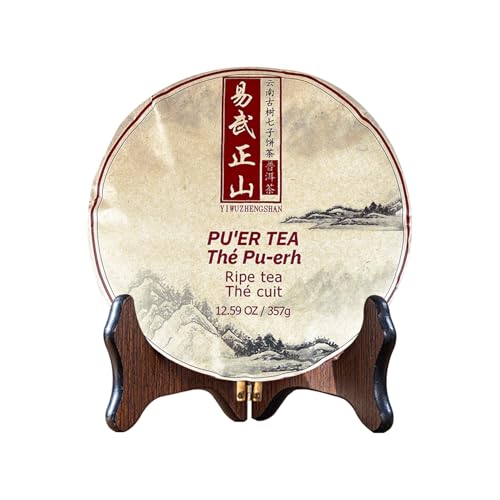
YiwuZhengshan Ancient Tree Pu'er Tea

✅ Pleasant floral aroma and fragrance
FullChea Puerh Tea Cakes 2008/2018 Menghai

✅ Earthy flavor that's not overpowering
Prince Of Peace Premium Pu-erh Tea
✅ Great taste and flavor