







We analyze real customer reviews to surface what matters: key strengths, ideal use cases, and honest considerations — so you can make an informed choice.
LAPALIDE Organic Puerh Tea Loose Leaf
A smooth, full-bodied puerh with earthy depth, malt, and subtle natural sweetness — brews a rich dark cup without any bitterness.
🎯 Best for: Morning tea routine, First thing upon waking
🍃 Tastes like: earthy, malty, natural sweetness

What Stands Out
🍃 Flavor Profile
Strength: Bold
Notes: earthy, malty, natural sweetness
✅ What Customers Love
- Smooth, rich flavor without bitterness (7 mentions)
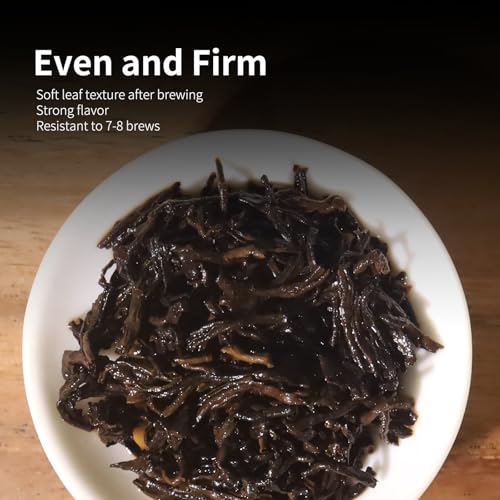
- Beautiful loose leaf quality - long, whole leaves (4 mentions)
- Rich dark brown brew color (4 mentions)
🎯 Best For
Morning tea routine • First thing upon waking • Afternoon pick-me-up • Energy without coffee jitters
Brand: LAPALIDE
Category: Pu-erh Tea
As an Amazon Associate we earn from qualifying purchases.
About This Pu-erh Tea
This loose-leaf puerh delivers a mellow, deeply earthy cup with malty undertones, faint floral notes, and a seaweed-like complexity that signals quality Yunnan processing. The brew runs a deep, dark brown with a smooth finish that reviewers consistently describe as gentle even on an empty stomach — making it a practical morning tea for those sensitive to harsh teas. The long, whole leaves are visually striking, though some bags have included stems, so expect occasional inconsistency. Brewing time matters here: a short steep yields a mild cup, while patience rewards with the full, rich character this tea is capable of. Best suited to puerh beginners seeking a forgiving daily ritual and to enthusiasts who appreciate organic, traditionally processed aged leaf.
Is LAPALIDE Organic Puerh Tea Loose Leaf Right for You?
What does this LAPALIDE pu-erh taste like?
Reviewers describe a bold, full-bodied flavor that's earthy and malty with a natural sweetness. There are subtle seaweed-like and slight floral notes that pu-erh enthusiasts recognize as signs of quality. The word that comes up most is 'smooth' — seven reviewers specifically mention the smooth, rich flavor without any bitterness. It brews a deep, rich dark brown color. If you've had cheap pu-erh that tasted like dirt, this is a completely different experience. The dry storage processing gives it a cleaner, mellower profile than wet-stored pu-erh.
Is this LAPALIDE pu-erh good for beginners?
This is actually an excellent beginner pu-erh for several reasons. First, the smooth taste without bitterness means you won't have a bad first impression of the category — that's the number one thing reviewers praise about it. Second, loose leaf is much easier to work with than compressed pu-erh cakes (no picking apart a brick of tea). Third, it's forgiving — gentle on the stomach and hard to over-steep into something undrinkable. And the USDA organic certification is reassuring if you're new to pu-erh and not sure what to trust. Enthusiasts appreciate the ancient tree leaves and complex flavor profile, but you don't need expertise to enjoy it.
How to choose good pu-erh tea?
Look for whole, intact leaves — that's a sign of quality processing. This LAPALIDE pu-erh scores well here, with multiple reviewers praising the beautiful long, whole leaves and clean tea with no dust or debris. Other things to consider: the source (Yunnan province is the traditional and most prized origin), the storage method (dry storage like this one preserves cleaner flavors), and whether it's from older tea trees. This particular tea checks all those boxes — ancient tree leaves, Yunnan origin, dry stored, and USDA organic.
Can I drink this LAPALIDE pu-erh on an empty stomach?
Yes — and this is actually one of the standout features reviewers mention. Multiple buyers specifically praise the fact that this pu-erh doesn't cause nausea on an empty stomach, unlike green tea or coffee. Several people drink it first thing in the morning before eating anything. If you've avoided morning tea because it upsets your stomach, this is worth trying. The smooth, non-bitter profile seems to contribute to its stomach-friendliness.
Are there any quality issues with this LAPALIDE pu-erh?
In the interest of honesty: one reviewer reported finding some sticks and stems in their bag, and one isolated report mentioned a moldy smell. However, the overwhelming majority of reviews praise the leaf quality — clean tea with no dust or debris, beautiful whole leaves. One buyer noted the packaging is a zip seal rather than vacuum sealed, which is worth knowing if long-term storage matters to you. Overall, the quality control appears very good, but as with any loose leaf tea, minor variation between batches is possible.
Is this a good pu-erh for replacing coffee?
Multiple reviewers use this LAPALIDE pu-erh specifically as a coffee replacement, and they're happy with the switch. The key reasons: it provides genuine morning energy (not just a placebo effect), it doesn't cause jitters or anxiety, and there's no caffeine crash later. The bold, earthy flavor profile also satisfies in a way that lighter teas might not if you're used to coffee's richness. Reviewers drink it first thing in the morning, often on an empty stomach — exactly how most people drink their coffee. The transition seems to go smoothly based on buyer experiences.
As an Amazon Associate we earn from qualifying purchases.
How much pu-erh tea should I use per cup?
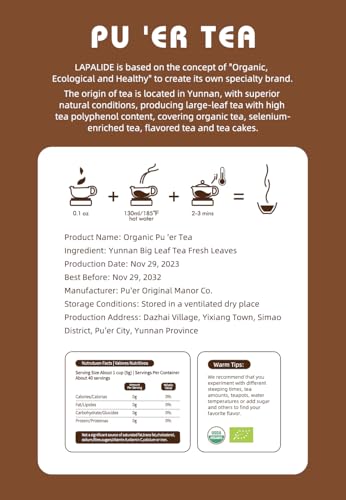
A good starting point for this LAPALIDE loose leaf pu-erh is about 1 tablespoon (roughly 3-5 grams) per 8 oz cup. Since reviewers describe the flavor as bold and full-bodied, you can adjust down slightly if you prefer something lighter. If you're using a smaller gaiwan or gongfu-style setup, use a higher leaf-to-water ratio (about 5-7 grams per 4 oz) with shorter steeping times. The nice thing about loose leaf over compressed cakes is that it's easy to measure exactly what you want.
What does 'dry storage' mean for pu-erh tea?
Dry storage means the tea was aged in a naturally ventilated environment with lower humidity, as opposed to 'wet storage' which uses high-humidity conditions to accelerate aging. Dry-stored pu-erh like this LAPALIDE tea tends to have a cleaner, mellower flavor profile — which aligns with what reviewers describe as smooth, rich, and free of bitterness. Wet-stored pu-erh can develop a musty, 'fishy' taste that puts many people off. If you're new to pu-erh or prefer a cleaner taste, dry storage is generally the way to go.
How should I store this pu-erh tea?
The bag comes with a resealable zip closure, which reviewers find convenient for daily use. For best results, keep it in a cool, dry place away from strong odors — pu-erh absorbs smells easily. One reviewer noted the packaging isn't vacuum sealed, so if you're planning to store it for a long time, you might want to transfer it to an airtight container or a dedicated tea storage jar. Unlike many teas that go stale, pu-erh can actually improve with proper aging, so good storage matters. Keep it away from moisture, direct sunlight, and your spice cabinet.
How many times can you brew this pu-erh?
Quality loose leaf pu-erh like this LAPALIDE ancient tree tea can typically be re-steeped 4-6 times, sometimes more. The whole, intact leaves that reviewers praise hold up well through multiple infusions. Each steep brings out slightly different flavor notes — the early steeps tend to be bolder and earthier, while later steeps become mellower and sweeter. This is one of the reasons pu-erh is such great value — a single serving of leaves can provide an entire afternoon of tea.
How to properly brew pu-erh tea?
For this LAPALIDE loose leaf pu-erh, use water just off the boil (around 200-212°F). Start with about 1 tablespoon per 8 oz of water. Give the leaves a quick 5-10 second rinse first — just pour hot water over them, swirl, and discard. This 'awakens' the leaves and washes off any dust. Then steep for 2-3 minutes for your first infusion. The beauty of quality loose leaf pu-erh like this is that you can re-steep the same leaves multiple times, with each infusion revealing slightly different flavor notes. If you find the flavor too mild, try steeping a bit longer or using more leaves rather than fewer.
Is pu-erh tea high in caffeine?
Pu-erh falls in the moderate range — typically 30-70mg per cup, depending on how you brew it. That's less than coffee (95-200mg) but roughly comparable to black tea. What's interesting about this LAPALIDE pu-erh is that reviewers consistently say it provides energy without jitters or anxiety from the caffeine. Several use it as their morning coffee replacement specifically for that reason. The L-theanine in tea helps smooth out the caffeine hit, giving you a calmer, more sustained alertness.
As an Amazon Associate we earn from qualifying purchases.
What are the benefits of drinking pu-erh tea?
Based on what LAPALIDE pu-erh reviewers actually experience: morning energy without jitters (the most commonly mentioned benefit), digestive support, metabolism boost, and the ability to drink it on an empty stomach without nausea. The USDA organic certification means you're not getting pesticide residue with those benefits. Pu-erh is also traditionally associated with cholesterol management and gut health — some buyers mention these potential benefits as well. The ancient tree leaves and dry storage processing in this particular tea preserve the compounds responsible for these benefits.
What happens when you drink pu-erh tea every day?
Based on what reviewers of this LAPALIDE pu-erh report, daily drinking brings a few consistent benefits: morning energy without the jitters you'd get from coffee, digestive support, and a metabolism boost. Several buyers specifically mention drinking it first thing in the morning as part of their daily ritual. One notable perk — unlike green tea, this pu-erh doesn't cause nausea on an empty stomach, which makes it genuinely practical as an everyday morning tea.
What makes ancient tree pu-erh different from regular pu-erh?
Ancient tree (gushu) pu-erh comes from tea trees that are typically over 100 years old, often growing wild in Yunnan's mountains. These older trees have deeper root systems that draw more minerals and complex compounds from the soil, resulting in a richer, more nuanced flavor. This LAPALIDE tea uses ancient tree leaves, which likely contributes to the complex flavor profile reviewers describe — those subtle seaweed-like and floral notes alongside the earthy, malty base. Younger plantation tea tends to be more one-dimensional by comparison.
What are the negative effects of pu-erh tea?
The most common concerns with pu-erh are caffeine-related: potential sleep disruption if consumed too late in the day, and possible stomach upset for very sensitive individuals. However, this LAPALIDE pu-erh actually stands out here — reviewers specifically mention it's gentle on an empty stomach and doesn't cause the nausea that green tea sometimes does. The caffeine doesn't produce jitters or anxiety either, according to buyers. As with any tea, drinking excessive amounts could lead to caffeine side effects, but in normal quantities (2-3 cups a day), most people tolerate pu-erh very well.
Is it good to drink pu-erh tea every day?
For most people, yes. This LAPALIDE pu-erh seems particularly well-suited for daily drinking — reviewers describe it as smooth with no bitterness, and several have made it part of their morning routine. The fact that it's gentle on an empty stomach is a real advantage for a daily tea. Buyers also report sustained energy without jitters and digestive benefits from regular use. At 7.05 oz of loose leaf, one bag should last you a good while with daily brewing.
How long should I steep this pu-erh tea?
Start with 2-3 minutes for the first steep. This LAPALIDE pu-erh brews up a rich, dark brown color and most reviewers find the flavor bold and full-bodied at that timing. One reviewer did note that it can taste mild with shorter steeps, so if you prefer a stronger cup, go for 3-4 minutes or add a bit more leaf. With subsequent re-steeps of the same leaves, you can gradually increase the time by 30 seconds to a minute each round.
As an Amazon Associate we earn from qualifying purchases.
Who should not drink pu-erh tea?
Pu-erh tea does contain caffeine, so if you're highly sensitive to caffeine or are pregnant or nursing, you'll want to check with your doctor first. People on blood-thinning medications should also be cautious, as pu-erh can interact with certain drugs. That said, reviewers of this LAPALIDE pu-erh specifically note it doesn't give them anxiety or jitters from the caffeine, so it seems to be gentler than coffee or even some other teas for most people.
Does aged pu-erh tea have caffeine?
Yes, all pu-erh tea contains caffeine regardless of age. However, the aging and fermentation process can slightly reduce caffeine levels compared to fresh tea. This LAPALIDE is a dry-stored pu-erh from ancient trees, and reviewers find the caffeine effect to be gentle — providing a smooth energy boost without the jitters or anxiety that coffee causes. Think of it as a calmer, more sustained kind of alertness rather than a sharp caffeine spike.
Is pu-erh tea good for sleep?
Not the best choice right before bed, since pu-erh does contain caffeine. However, it has less caffeine than coffee, and the caffeine in this LAPALIDE pu-erh is described by reviewers as providing gentle, non-jittery energy. If you're caffeine-sensitive, you'd probably want to stop drinking it by early-to-mid afternoon. Reviewers tend to use this tea for morning routines and afternoon pick-me-ups rather than evening relaxation. For a bedtime tea, you'd want a caffeine-free herbal option instead.
What is the healthiest loose leaf tea to drink?
Pu-erh consistently ranks among the healthiest teas due to its unique fermentation process, which produces beneficial probiotics and compounds not found in other teas. This LAPALIDE pu-erh is USDA organic certified, which means no pesticides or synthetic chemicals in the mix. Reviewers mention benefits like digestive support, metabolism boost, and gentle energy. Whether it's the absolute 'healthiest' depends on what you're looking for — but for gut health and sustained energy without jitters, pu-erh is hard to beat.
Is pu-erh healthier than green tea?
They're healthy in different ways. Green tea is known for its antioxidants (catechins), while pu-erh's unique fermentation process creates probiotics and compounds that specifically support digestion and gut health. One interesting thing reviewers of this LAPALIDE pu-erh mention: unlike green tea, it doesn't cause nausea on an empty stomach. So if you want a tea you can drink first thing in the morning without eating first, this pu-erh may actually be the better practical choice. For metabolism support and gentle energy, both are excellent — it really comes down to your body and what works for you.
Which has more caffeine, pu-erh or green tea?
Generally, pu-erh has slightly more caffeine than green tea — roughly 30-70mg per cup versus 20-50mg for green tea. But the real difference is how the caffeine feels. Reviewers of this LAPALIDE pu-erh report a gentle energy boost without jitters or anxiety, making it feel smoother than what many experience with even green tea. If you're switching from coffee and want something with enough caffeine to actually notice but without the crash, pu-erh hits a nice sweet spot.
As an Amazon Associate we earn from qualifying purchases.
Is pu-erh tea healthier than coffee?
If you're looking to move away from coffee, this LAPALIDE pu-erh might be worth trying. Reviewers specifically mention using it as a coffee replacement for morning energy without the jitters. Pu-erh offers several advantages over coffee: gentler caffeine delivery (thanks to L-theanine), probiotics from fermentation that support gut health, and it's easier on the stomach — buyers say it doesn't cause nausea even on an empty stomach. You'll still get that morning alertness, just without the crash and anxiety that coffee can bring.
What Customers Love
⚠️ Limited sample based on limited customer feedback (14 reviews) • Our methodology
- Smooth, rich flavor without bitterness (7 mentions)
- Beautiful loose leaf quality - long, whole leaves (4 mentions)
- Rich dark brown brew color (4 mentions)
- Convenient resealable packaging (3 mentions)
- Gentle on empty stomach (no nausea) (2 mentions)
- Clean, no dust or debris (2 mentions)
Taste Profile
- smooth
- earthy
- rich
- deep
- full-bodied
- mellow
- no bitterness
Best Use Cases
🎯 Best For
- Morning tea routine
- First thing upon waking
- Afternoon pick-me-up
- Energy without coffee jitters
- Daily ritual
What to Consider
- Contains sticks/stems in some bags (1 mentions)
- Weak/mild flavor requiring long steep time (1 mentions)
- Quality control issue - one report of moldy/spoiled smell (1 mentions)
- Not vacuum sealed (just zipped) (1 mentions)
⚠️ Important: This analysis is based on limited customer feedback (14 reviews). We've shared what we found, but there may be additional considerations we haven't captured.
About This Analysis
This analysis is based on 14 customer reviews. We're showing you everything we found, but with a small sample, there's a lot we likely haven't captured yet.
✅ What we're confident about: What customers love and best use cases
⚠️ What may be incomplete: Potential issues and considerations
For more perspectives, check customer reviews on Amazon.
Product Selection
In short: We only feature high-rated products.
Products on TeaDelight.net are selected based on strong Amazon customer ratings, sufficient review volume, and market presence. We focus on well-regarded products that tea enthusiasts are actively considering and purchasing.
As an Amazon Associate we earn from qualifying purchases.
You Might Also Like
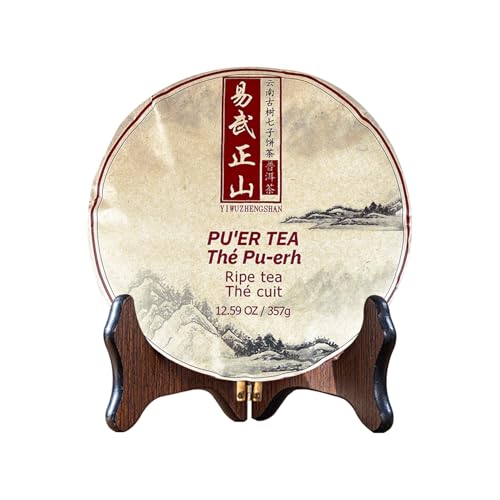
✅ Smooth and rich flavor for the price point
YiwuZhengshan Ancient Tree Pu'er Tea

✅ Pleasant floral aroma and fragrance
FullChea Puerh Tea Cakes 2008/2018 Menghai

✅ Earthy flavor that's not overpowering
Prince Of Peace Premium Pu-erh Tea

✅ Complex evolving flavor profile across multiple steeps