


We analyze real customer reviews to surface what matters: key strengths, ideal use cases, and honest considerations — so you can make an informed choice.
Cha Wu JinYaGongTing Ripe Pu-erh Tea Cake
A smooth, thick ripe pu-erh with cocoa, malt, and root beer notes — approachable and forgiving, with a rich dark liquor that holds up across many infusions.
🎯 Best for: Daily drinking tea with multiple infusions, Brewing by the gallon for regular consumption
🍃 Tastes like: cocoa, malt, root beer

What Stands Out
🍃 Flavor Profile
Strength: Moderate
Notes: cocoa, malt, root beer
✅ What Customers Love
- Sweet, pleasant flavor characteristic of ripe pu'erh (7 mentions)
- Smooth, thick brew with rich dark liquor (5 mentions)
- Multiple infusions - leaves keep producing good tea (4 mentions)
🎯 Best For
Daily drinking tea with multiple infusions • Brewing by the gallon for regular consumption • Introduction to dark, aged teas • Blending with other teas or making kombucha
Brand: ChaWuWarmSun
Category: Pu-erh Tea
As an Amazon Associate we earn from qualifying purchases.
About This Pu-erh Tea
This 357g ripe pu-erh cake brews a deeply colored, full-bodied liquor with cocoa and malt character that softens into a sweet, earthy finish. The fermentation is well-developed — no funky edge, just a smooth, mild robustness that makes it genuinely beginner-friendly. Reviewers note it yields a remarkable number of infusions before the leaves tire, making the large cake format practical for daily drinkers. One honest caveat: the leaf material includes a high proportion of stems, which affects the brew's depth compared to bud-grade gong ting. Best suited to those new to dark aged teas, daily drinkers who brew in volume, or pu-erh curious experimenters who want a forgiving, drinkable cake without waiting for further aging.
Is Cha Wu JinYaGongTing Ripe Pu-erh Tea Cake Right for You?
What does this Cha Wu pu-erh taste like?
Expect a smooth, sweet, earthy brew with flavor notes of cocoa, malt, and an interesting hint of root beer. The liquor brews thick and dark, and the flavor is moderate in strength — bold and robust without being overwhelming. Multiple reviewers emphasize how sweet and pleasant it is, which makes it less intimidating than some pu-erhs that lean heavily into funky or musty territory. It's earthy but approachable.
Is this a good pu-erh for beginners?
Yes, this is one of the better entry points into pu-erh. Reviewers specifically highlight it as a great starter cake for newcomers — the flavor is earthy but not too funky or intimidating, and it's forgiving to brew (it actually tastes better plain than with additions). You don't need to age it before drinking, and the approachable cocoa-malt-sweet profile won't scare off someone used to lighter teas. It's also a good introduction to the cake format and multiple-infusion brewing.
How do you prepare a pu-erh tea cake like this one?
To use this 357g Cha Wu cake, you'll need to break off a chunk using a pu-erh knife or pick — just pry along the compressed layers rather than trying to cut straight through. A few reviewers mention the compressed cake form takes a little getting used to, but it's standard for pu-erh. Rinse your leaves with a quick hot water wash (pour boiling water over, then discard after 5-10 seconds) to open them up, then steep. You can brew gongfu style with more leaf and shorter steeps, or Western style with less leaf and longer steeps. This particular tea is forgiving either way.
What's the deal with the stem content in this tea?
This is the most common criticism of this cake. Multiple reviewers report that 50-60% of the cake appears to be stems rather than leaves, and the leaf material that is present tends to be chopped rather than whole golden buds — despite the name 'JinYaGongTing' (golden bud palace grade) suggesting premium leaf. The good news is that the flavor is still sweet, smooth, and enjoyable despite the stem content. The stems actually brew fine and contribute to the tea's character, but if premium leaf grade matters to you, this isn't it.
How to choose good pu-erh tea?
Look for tea from Yunnan province (where this Cha Wu cake is sourced), check that the liquor brews dark and clear rather than murky, and pay attention to how many infusions you can get — good pu-erh should keep producing across many steeps. This particular cake has some caveats: while the flavor is genuinely sweet and enjoyable with rich cocoa and malt notes, reviewers note the leaf quality doesn't match the 'JinYaGongTing' (golden bud palace grade) name. There's significant stem content (50-60% by some accounts) and chopped leaves rather than whole golden buds. So it's a solid daily drinker, but manage expectations on the grade.
How long should I steep this pu-erh tea?
For gongfu-style brewing, start with short steeps of about 10-15 seconds and gradually increase the time with each infusion. For Western-style brewing in a mug or teapot, 3-5 minutes works well. This Cha Wu ripe pu-erh is pretty forgiving — reviewers note it has a smooth, sweet flavor that doesn't get overly bitter even if you steep a bit long. The moderate flavor strength means you have some wiggle room before it turns harsh.
As an Amazon Associate we earn from qualifying purchases.
Can experienced pu-erh drinkers enjoy this tea too?
Experienced drinkers will appreciate different things about it. The multiple-infusion capability rewards gongfu-style brewing — the flavor evolves across steeps. It also ages well for collectors who want to put some away. That said, enthusiasts should know upfront: this isn't top-shelf gong ting grade. Some reviewers note it's not as punchy as higher-quality mature pu-erh, and the high stem content won't impress seasoned drinkers expecting premium leaf. Think of it as a solid daily drinker or a good tea to experiment with blending, not a showcase pu-erh.
How many times can you brew this pu-erh cake?
This is where pu-erh really shines as a value proposition. The leaves keep producing good tea across multiple infusions — one reviewer reported getting over 9 gallons of tea from just 85 grams of leaf. You can realistically get 6-10 solid infusions from a single serving, with the flavor evolving and shifting slightly with each steep. The 357g cake gives you a lot of sessions to work through.
Does this pu-erh cake age well?
Reviewers say yes — it ages like red wine, getting darker and sweeter over time. If you're interested in pu-erh aging, this cake is a reasonable candidate to tuck away for a few years and see how it develops. The 357g size is the traditional cake format designed for long-term storage. Just keep it in a cool, dry place with some air circulation, away from strong odors. That said, it's also perfectly drinkable right now without any aging.
Is it good to drink pu-erh tea every day?
Many pu-erh drinkers do enjoy it daily, and this Cha Wu cake is well-suited for that. Reviewers specifically mention using it as a daily drinking tea, with some brewing it by the gallon for regular consumption. The smooth, sweet flavor without any harshness makes it easy to drink regularly. It does contain caffeine, so keep that in mind if you're sensitive — but for a daily tea habit, the 357g cake size means it'll last you a good while.
Can you use this pu-erh to make kombucha?
Yes! Reviewers have specifically mentioned that this Cha Wu pu-erh works well as a kombucha base. The smooth, sweet, earthy flavor profile translates nicely into kombucha fermentation. The fact that you can brew large quantities from the cake (some reviewers brew by the gallon) makes it practical for kombucha batches where you need a lot of tea at once.
What can you blend this pu-erh with?
Reviewers mention blending it with chrysanthemum flowers, which is a classic Chinese pairing that adds a light floral sweetness. You could also try it with dried citrus peel, goji berries, or other teas. The smooth, malty base of this Cha Wu cake makes it a good canvas for experimentation. One reviewer specifically noted it's good value for experimenting with blends, since you get a lot of tea to work with.
As an Amazon Associate we earn from qualifying purchases.
How long will this 357g pu-erh cake last?
A long time. At typical daily drinking rates of 5-8 grams per session, you're looking at roughly 45-70 sessions from a single cake. If you drink it a few times a week, that's several months of tea. And if you factor in the multiple infusions per session, the actual volume of tea produced is enormous — one reviewer got over 9 gallons from just 85 grams. You can also store the cake long-term and let it age, since pu-erh is one of the few teas that improves with time.
What are the benefits of drinking pu-erh tea?
Pu-erh is traditionally valued in Chinese culture for aiding digestion, and many drinkers enjoy it for the smooth caffeine boost without jitters. Specific to this Cha Wu cake, reviewers highlight some practical benefits: it provides good caffeinated energy, it ages well over time (getting darker and sweeter, like red wine), and it's incredibly versatile. Some reviewers use it as a kombucha base, while others blend it with chrysanthemum or other teas. The multiple-infusion capability also means each serving goes a long way.
What is ripe pu-erh tea?
Ripe (shou) pu-erh is a style of Chinese tea that undergoes an accelerated fermentation process called wo dui, which mimics the aging that raw pu-erh develops over decades. This Cha Wu JinYaGongTing is a ripe pu-erh cake from Yunnan, China, and it delivers the classic shou profile — a smooth, thick brew with a dark liquor and sweet, earthy flavor notes of cocoa, malt, and even a hint of root beer. Because it's already fermented, it's ready to drink right away without years of aging.
How much pu-erh tea should I use per cup?
For Western-style brewing, about 3-5 grams per 8oz cup is a good starting point. For gongfu-style in a small teapot or gaiwan, use roughly 5-8 grams per 100-150ml of water. With this Cha Wu cake, you'll break off a chunk and can adjust to taste — the flavor is moderate in strength, so if you like it bolder, lean toward the higher end. Since you'll get many infusions from the same leaves, a little goes a long way.
Is pu-erh tea high in caffeine?
Pu-erh generally falls in the moderate caffeine range — less than coffee but comparable to or slightly less than black tea. Reviewers of this Cha Wu cake specifically mention getting a noticeable caffeinated energy boost from it. The exact amount varies depending on how much leaf you use and how long you steep, but expect roughly 30-70mg per cup. If you're brewing gongfu style with multiple short steeps, the first infusion will have the most caffeine.
Is pu-erh tea good for sleep?
Not particularly — this Cha Wu pu-erh does contain caffeine, and reviewers specifically mention the energy boost it provides. Ripe pu-erh generally has less caffeine than raw pu-erh, but it's still enough to keep most people awake if consumed too close to bedtime. If you're caffeine-sensitive, you might want to enjoy this one in the morning or early afternoon rather than in the evening.
As an Amazon Associate we earn from qualifying purchases.
Does aged pu-erh tea have caffeine?
Yes, aged pu-erh still contains caffeine. While some caffeine may break down very slightly over decades of aging, it doesn't disappear. This Cha Wu ripe pu-erh has enough caffeine that reviewers specifically call out the energy boost. If you age this cake further (which reviewers say it handles well — it gets darker and sweeter over time, like red wine), it'll still have caffeine in it.
Which has more caffeine, pu-erh or green tea?
They're actually in a similar range, though pu-erh tends to run slightly higher on average. Ripe pu-erh like this Cha Wu cake typically has moderate caffeine — reviewers confirm it provides a noticeable energy boost. Green tea usually ranges from 20-50mg per cup, while pu-erh can run 30-70mg. The real difference is that pu-erh drinkers often do multiple infusions from the same leaves, and caffeine extracts most in the first steep, so later infusions will be milder.
Is pu-erh tea healthier than coffee?
That depends on what you're optimizing for. Pu-erh has less caffeine per cup than coffee, so it's a gentler source of energy — and reviewers of this Cha Wu cake do note the caffeinated boost without mentioning any jitteriness. Pu-erh also contains antioxidants and is traditionally associated with digestive benefits. Unlike coffee, pu-erh generally won't stain teeth as aggressively and is easier on the stomach. But if you need high-octane caffeine, coffee still wins on that front.
What happens when you drink pu-erh tea every day?
Reviewers of this Cha Wu pu-erh who drink it regularly mention getting a caffeinated energy boost from it. Pu-erh is traditionally believed to support digestion and is often enjoyed after meals in Chinese culture. The moderate caffeine content makes it a reasonable daily habit for most people. One thing to note: because you can get so many infusions from each serving, daily drinking from this 357g cake is quite economical.
What Makes This Product Special
⚠️ Preliminary analysis based on 15-review sample • Our methodology
- Sweet, pleasant flavor characteristic of ripe pu'erh (7 mentions)
- Smooth, thick brew with rich dark liquor (5 mentions)
- Multiple infusions - leaves keep producing good tea (4 mentions)
- Large quantity (357g) lasts a long time (4 mentions)
- Strong, full flavor without being overwhelming (3 mentions)
- Clean tea, ages well over time (2 mentions)
Taste Profile
- sweet
- smooth
- earthy
- mild
- thick
- bold
- robust
- malty
Best Use Cases
🎯 Best For
- Daily drinking tea with multiple infusions
- Brewing by the gallon for regular consumption
- Introduction to dark, aged teas
- Blending with other teas or making kombucha
⚠️ Not Ideal For
- Those expecting highest grade gong ting quality
- Users who dislike stems in tea
What to Consider
- High stem content (50-60% stems reported) (4 mentions)
- Lower quality than advertised - chopped leaves, not golden buds (2 mentions)
- Not as punchy as higher quality mature pu'erh (1 mentions)
- Compressed cake form is uncomfortable to use (1 mentions)
⚠️ based on 15-review sample. Some issues may not be captured.
About This Analysis
This analysis is based on 15 customer reviews. We're showing you everything we found, but with a moderate sample, there's a lot we likely haven't captured yet.
✅ What we're confident about: What customers love and best use cases
⚠️ What may be incomplete: Potential issues and considerations
For more perspectives, check customer reviews on Amazon.
Product Selection
In short: We only feature high-rated products.
Products on TeaDelight.net are selected based on strong Amazon customer ratings, sufficient review volume, and market presence. We focus on well-regarded products that tea enthusiasts are actively considering and purchasing.
As an Amazon Associate we earn from qualifying purchases.
You Might Also Like
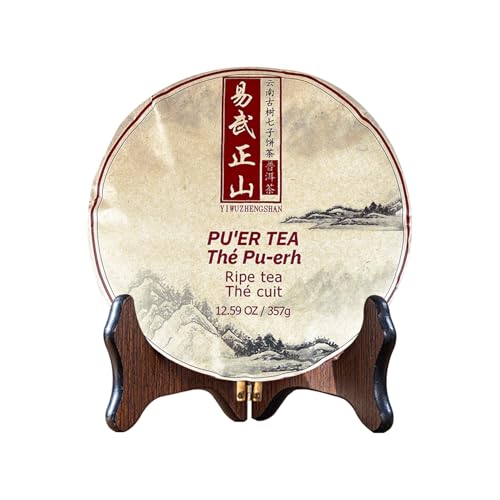
✅ Smooth and rich flavor for the price point
YiwuZhengshan Ancient Tree Pu'er Tea

✅ Pleasant floral aroma and fragrance
FullChea Puerh Tea Cakes 2008/2018 Menghai

✅ Earthy flavor that's not overpowering
Prince Of Peace Premium Pu-erh Tea

✅ Complex evolving flavor profile across multiple steeps