






We analyze real customer reviews to surface what matters: key strengths, ideal use cases, and honest considerations — so you can make an informed choice.
YAMASAN KYOTO UJI Organic Oolong Tea
A toasty, roasted Japanese oolong from Uji, Kyoto — smooth and satisfying with a distinctly regional character that sets it apart from Chinese or Taiwanese styles.
🎯 Best for: Morning tea routine, Daily tea drinking
🍃 Tastes like: toasty, roasted

What Stands Out
🍃 Flavor Profile
Strength: Moderate
Notes: toasty, roasted
✅ What Customers Love
- Flavorful with rich taste (6 mentions)
- High quality and authentic Japanese-made (3 mentions)
- Organic certification (2 mentions)
🎯 Best For
Morning tea routine • Daily tea drinking • Japanese-style tea experience • Those seeking organic options
Brand: YAMASAN KYOTO UJI
Category: Oolong Tea
As an Amazon Associate we earn from qualifying purchases.
About This Oolong Tea
This Uji-grown oolong delivers a flavor profile that is unmistakably Japanese: toasty and roasted at the core, with a smooth, fresh finish that reviewers find both flavorful and refreshing. The organic certification reflects its Kyoto origin, where the tea is produced and processed in the traditional Japanese manner. Steeping discipline matters — overbrew it and bitterness emerges, but with attentive timing the result is a deeply satisfying cup. The loose-leaf format rewards brewers comfortable with that process, though it adds a step compared to sachets. Best suited to those building a morning tea ritual and anyone curious about authentic Japanese oolong beyond the Chinese or Taiwanese canon.
Is YAMASAN KYOTO UJI Organic Oolong Tea Right for You?
What does Yamasan Kyoto Uji oolong taste like?
Reviewers consistently describe it as toasty and roasted with a smooth, satisfying body. It has moderate flavor strength — not delicate, but not overwhelmingly bold either. You'll notice a slight sweetness underneath the roasted notes, and it finishes clean and refreshing. It's distinctly different from floral Chinese or Taiwanese oolongs. Several reviewers say it perfectly captures the taste of tea served in authentic Japanese restaurants.
Is Yamasan Kyoto Uji a good quality tea brand?
Yes, Yamasan Kyoto Uji sources its tea from the Uji region of Kyoto, which is one of Japan's most prestigious tea-growing areas. Multiple reviewers specifically call out the high quality and authenticity of this tea. It's also certified organic, which adds another layer of quality assurance. Three separate reviewers mention the authentic Japanese-made quality as a standout feature.
Does this oolong taste like Japanese restaurant tea?
Yes — and this is one of the most specific compliments reviewers give this tea. Multiple people mention that it recreates the authentic tea experience from Japanese restaurants. That warm, toasty, roasted flavor you get with a good Japanese meal? This is that tea. If you've been trying to find that specific taste at home, reviewers say this Yamasan oolong nails it.
Why does my Yamasan oolong taste bitter?
This is the most common issue reviewers mention, and it's almost always a brewing problem, not a tea quality problem. You're likely steeping too long or using water that's too hot. Try reducing your steep time to 2 minutes and using water at 185°F (85°C) instead of boiling. Multiple reviewers confirm that when brewed correctly, this tea is smooth and toasty with no unpleasant bitterness. The technique really does make a dramatic difference.
What is the best way to prepare oolong tea?
For this Yamasan Kyoto Uji oolong specifically, brewing technique matters a lot. Reviewers warn that it can turn bitter if you steep it too long or use water that's too hot. Use water around 185-195°F (85-90°C), not a full boil. Start with a shorter steep of 2-3 minutes and adjust from there. When brewed correctly, you'll get that smooth, toasty, roasted flavor profile that reviewers rave about. Getting the technique right is genuinely rewarding with this tea.
Who is Yamasan Kyoto Uji oolong best for?
This tea is ideal for experienced tea drinkers who appreciate learning proper technique and being rewarded with exceptional flavor. It's perfect if you love Japanese tea culture, want an organic option, or are looking for a rich daily drinker. It's also great for anyone chasing that authentic Japanese restaurant tea taste. It's not the best fit if you prefer very mild teas, want the convenience of tea bags, or are looking for a floral Chinese-style oolong.
As an Amazon Associate we earn from qualifying purchases.
Is Yamasan Kyoto Uji oolong good for beginners?
It depends. If you're comfortable with loose-leaf tea and willing to pay attention to steep times, it can be a rewarding first oolong. However, it does have a learning curve — reviewers mention bitterness when brewed incorrectly, and the loose-leaf format is messier than tea bags. If you're brand new to tea, you might want to start with something more forgiving. If you already enjoy green tea and want to step up to something richer, this is a great bridge.
Can you re-steep Yamasan Kyoto Uji oolong leaves?
Absolutely, and this is one of the advantages of quality loose-leaf oolong. You can typically get 2-3 good steeps from the same leaves, adding about 30 seconds to each subsequent steep. The flavor profile actually shifts a bit with each steep, becoming smoother and more mellow. Re-steeping also improves the value proposition since you're getting multiple cups from the same leaves.
What's so special about oolong tea?
Oolong is partially oxidized, sitting between green and black tea, which gives it a unique complexity. This Yamasan version is special even among oolongs because it's a Japanese-style oolong — which is quite rare. Most oolongs come from China or Taiwan. Japanese oolongs have a distinctly toasty, roasted character that reviewers describe as smooth and satisfying. Several reviewers say it perfectly recreates the tea you'd get at an authentic Japanese restaurant.
How is Japanese oolong different from Chinese or Taiwanese oolong?
This is an important distinction for this tea. Japanese oolongs like this Yamasan Kyoto Uji have a more toasty, roasted character compared to the floral, fruity, or creamy notes typical of Chinese and Taiwanese varieties. Reviewers who are familiar with Taiwanese oolongs specifically note the flavor is quite different. If you're expecting a classic Dong Ding or Ali Shan experience, this won't match — but if you're open to exploring, the Japanese style has its own wonderful depth.
Which is better, green tea or oolong tea?
They're genuinely different experiences. Green tea is lighter and more grassy, while this Yamasan oolong has a richer, toasty, roasted profile with more body. Interestingly, since this is a Japanese oolong from the Uji region (famous for green tea), it bridges both worlds nicely. If you already enjoy Japanese green teas and want something with more depth and roasted character, this oolong is a natural next step.
Should you add milk to oolong?
You can, but this particular Yamasan oolong is best enjoyed straight. Its toasty, roasted flavor profile and smooth character are designed to be appreciated on their own. Adding milk would mask the nuanced Japanese oolong notes that make this tea special. If you want a milk-friendly oolong, a heavily roasted Taiwanese variety would be a better candidate.
As an Amazon Associate we earn from qualifying purchases.
Is oolong stronger than coffee?
No, oolong tea has significantly less caffeine than coffee. A cup of this Yamasan oolong will give you roughly 30-50mg of caffeine compared to coffee's 95-200mg. However, reviewers do note that this particular oolong has a strong, robust flavor — so in terms of taste intensity, it can feel quite bold. Some reviewers even mention it may be too strong for people who prefer milder teas.
Is oolong tea a stimulant?
Oolong does contain caffeine, which is a mild stimulant, but the experience is quite different from coffee. This Yamasan oolong also contains L-theanine (common in Japanese teas), which provides a calm, focused energy rather than a jittery spike. Reviewers use it for morning routines and daily drinking, which suggests it provides pleasant, sustained alertness.
Does oolong tea have caffeine?
Yes, this Yamasan oolong contains caffeine — roughly 30-50mg per cup, which is less than coffee but more than most herbal teas. It's enough to give you a gentle lift without the jitters. Reviewers specifically enjoy it as a morning tea, which suggests the caffeine level is noticeable and pleasant for starting the day.
Is oolong tea good for your stomach?
Reviewers of this Yamasan oolong specifically mention improved digestion as a benefit they've noticed. Oolong is generally considered gentler on the stomach than coffee or even some black teas. That said, it can brew strong, and a few reviewers note bitterness if over-steeped — bitter tea can be harder on the stomach. Brew it properly (shorter steep time, not-quite-boiling water) and it should be gentle and soothing.
How long are you supposed to steep oolong tea?
For this Yamasan loose leaf oolong, start with 2-3 minutes for your first steep. This is important because multiple reviewers specifically mention that it can become bitter if over-steeped. You can re-steep the same leaves 2-3 times, adding about 30 seconds each round. The flavor evolves nicely across steeps. If you find it too strong, back off the time rather than reducing the amount of leaf.
How much oolong tea leaves per cup?
For this Yamasan loose leaf oolong, use about 2-3 grams (roughly one teaspoon) per 8 oz cup. Since reviewers note it can brew stronger than expected, it's better to start with less and add more to taste. The 100g bag gives you roughly 35-50 cups depending on how strong you like it and whether you re-steep the leaves.
As an Amazon Associate we earn from qualifying purchases.
Which brand of oolong tea is the best?
It depends on what style you're after. If you want an authentic Japanese-style oolong, Yamasan Kyoto Uji is a standout — it's made in Kyoto's famous Uji tea region and carries organic certification. Reviewers praise its rich, toasty flavor and authentic quality. However, if you prefer the floral, lighter character of Chinese or Taiwanese oolongs, this won't taste like what you're used to. Japanese oolongs have a distinctly different, more roasted profile.
What is considered the best oolong tea?
The 'best' oolong depends entirely on which style you enjoy. Taiwanese high-mountain oolongs and Chinese Da Hong Pao are classics. But for Japanese-style oolong specifically, Yamasan Kyoto Uji is highly regarded — reviewers consistently praise its rich, toasty flavor and authentic Uji origin. If you're curious about how Japanese oolong differs from Chinese or Taiwanese varieties, this is an excellent place to start.
Is it okay to drink oolong tea every day?
Yes, and this Yamasan Kyoto Uji oolong is actually well-suited for daily drinking. Reviewers specifically mention using it as part of their morning tea routine and daily tea habit. It has a smooth, toasty flavor that doesn't get tiring over time. Just keep in mind it does contain caffeine, so you may want to avoid it late in the evening. Some reviewers also report improved digestion and metabolism support with regular use.
Is oolong tea the healthiest tea?
Oolong sits between green and black tea in terms of oxidation, and each type has its own health strengths. What reviewers specifically mention about this Yamasan oolong is improved digestion and metabolism support. It's also certified organic, so you're not getting pesticide residues. Whether it's 'the healthiest' is debatable, but it's a solid choice if you want a tea that tastes great and offers genuine wellness benefits.
How much oolong tea per day?
Most people comfortably drink 2-4 cups of oolong per day. Reviewers of this Yamasan tea mention using it for their morning routine and throughout the day. Since it has moderate caffeine, you'll want to find your own sweet spot. Some reviewers report digestive benefits and metabolism support with regular daily consumption. Just be mindful of caffeine sensitivity, especially in the afternoon and evening.
Is oolong healthier than green tea?
Both have significant health benefits, and neither is clearly 'healthier' overall. Green tea has more catechins, while oolong has unique polyphenols from partial oxidation. This Yamasan oolong comes from the same Uji region famous for premium Japanese green tea, so the leaf quality is exceptional. Reviewers report digestive and metabolic benefits specifically. Choose based on what you enjoy drinking — the healthiest tea is the one you'll actually drink daily.
As an Amazon Associate we earn from qualifying purchases.
What is oolong tea good for?
Broadly, oolong offers antioxidants, moderate caffeine for alertness, and potential metabolic benefits. For this Yamasan oolong specifically, reviewers highlight improved digestion and metabolism support. Beyond health, it's fantastic for recreating the authentic tea experience you'd get at a Japanese restaurant — multiple reviewers call that out. It's also an excellent daily drinking tea with a rich, toasty flavor that doesn't get boring.
Who should not take oolong tea?
Like all caffeinated teas, oolong isn't ideal for people sensitive to caffeine, pregnant or nursing women (without medical guidance), or anyone with iron absorption issues since tea tannins can interfere. Specific to this Yamasan oolong, reviewers note it can be quite strong — so if you prefer very mild, delicate teas, this one might be too robust for your taste.
When not to drink oolong tea?
Avoid this tea late at night if you're caffeine-sensitive, on an empty stomach if you have a sensitive gut, or right before or after taking iron supplements (tannins can interfere with absorption). Specific to this Yamasan oolong, if you strongly prefer very mild, delicate teas, this one's robust toasty profile might not be your cup of tea — reviewers note it has a strong, full-bodied character.
Why do Chinese people drink oolong tea?
Oolong has deep cultural roots in Chinese tea traditions, especially in Fujian and Guangdong provinces. However, this Yamasan tea is actually a Japanese-style oolong from Kyoto's Uji region, which has its own distinct character. Reviewers note the flavor is noticeably different from Chinese or Taiwanese oolongs — more toasty and roasted rather than floral. It's part of Japan's own rich tea heritage rather than the Chinese tradition.
Is oolong tea good for belly fat?
Some studies suggest oolong tea may support metabolism, and reviewers of this Yamasan oolong specifically mention metabolism support as a noticed benefit. However, no tea is a magic weight loss solution on its own. What this tea does offer is a satisfying, flavorful zero-calorie drink that can replace sugary beverages in your routine — and that's genuinely helpful for weight management.
What Customers Love
⚠️ Limited sample based on limited customer feedback (14 reviews) • Our methodology
- Flavorful with rich taste (6 mentions)
- High quality and authentic Japanese-made (3 mentions)
- Organic certification (2 mentions)
- Distinctive Japanese-style oolong flavor profile (2 mentions)
- Good value for money (1 mentions)
- Long shelf life (2027 expiration) (1 mentions)
Taste Profile
- smooth
- toasty
- flavorful
- slightly bitter
- satisfying
- fresh
- refreshing
Best Use Cases
🎯 Best For
- Morning tea routine
- Daily tea drinking
- Japanese-style tea experience
- Those seeking organic options
⚠️ Not Ideal For
- Those preferring milder tea
- Chinese/Taiwanese oolong enthusiasts expecting that flavor profile
What to Consider
- Can be bitter if not brewed correctly (2 mentions)
- Loose-leaf can be messier to brew than tea bags (1 mentions)
- May be too strong for some preferences (1 mentions)
- Flavor different from Chinese/Taiwanese oolongs (1 mentions)
- Packaging issues reported (opened package) (1 mentions)
⚠️ Important: This analysis is based on limited customer feedback (14 reviews). We've shared what we found, but there may be additional considerations we haven't captured.
About This Analysis
This analysis is based on 14 customer reviews. We're showing you everything we found, but with a small sample, there's a lot we likely haven't captured yet.
✅ What we're confident about: What customers love and best use cases
⚠️ What may be incomplete: Potential issues and considerations
For more perspectives, check customer reviews on Amazon.
Product Selection
In short: We only feature high-rated products.
Products on TeaDelight.net are selected based on strong Amazon customer ratings, sufficient review volume, and market presence. We focus on well-regarded products that tea enthusiasts are actively considering and purchasing.
As an Amazon Associate we earn from qualifying purchases.
You Might Also Like

✅ Fresh aroma when properly packaged
Twinings Pure Oolong Tea (20 Count, Original)
✅ taste quality
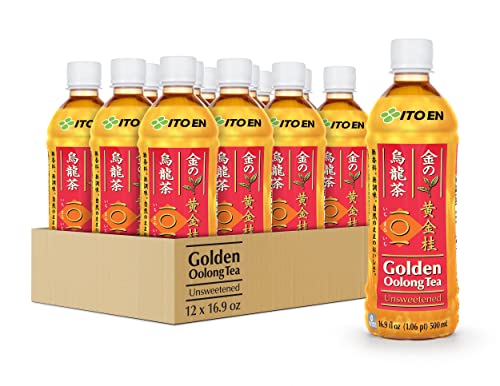
Ito En Golden Oolong Tea

✅ Light, mild flavor that's not bitter
Prince of Peace Organic Oolong Tea (100 Bags)

✅ Taste quality - described as delicious, yummy, tasty