
Available Alternatives

✅ Fresh aroma when properly packaged
Twinings Pure Oolong Tea (20 Count, Original)
✅ taste quality
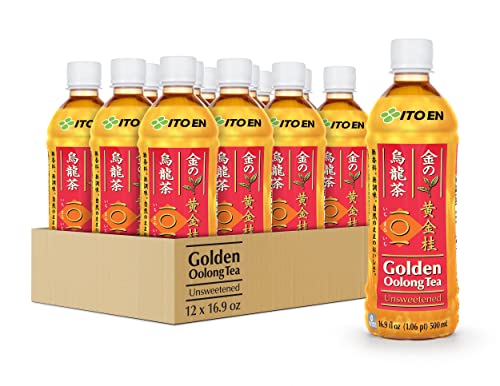
Ito En Golden Oolong Tea

✅ Light, mild flavor that's not bitter
Prince of Peace Organic Oolong Tea (100 Bags)

✅ Taste quality - described as delicious, yummy, tasty
NESTLADY Peach Oolong Tea


We analyze real customer reviews to surface what matters: key strengths, ideal use cases, and honest considerations — so you can make an informed choice.
Trilliant Dong Ding Oolong Tea
A medium-roasted Taiwanese oolong with baked chestnut, toasted sugar, and apricot notes — smooth and never astringent, with a rich, soothing aroma.
🎯 Best for: anytime of day enjoyment, dinner tea
🍃 Tastes like: baked chestnut, roasted sugar, nuts
What Stands Out
🍃 Flavor Profile
Strength: Moderate
Notes: baked chestnut, roasted sugar, nuts
✅ What Customers Love
- Rich, complex flavor with nutty/fruity notes (8 mentions)
- Pleasant aroma that is soothing (4 mentions)
- High-quality presentation/packaging suitable for gifting (4 mentions)
🎯 Best For
anytime of day enjoyment • dinner tea • alongside a fireplace • slow sipping
Brand: Trilliant
Category: Oolong Tea

As an Amazon Associate we earn from qualifying purchases.
About This Oolong Tea
Dong Ding is a traditional Taiwanese oolong defined by its roasted depth — this one delivers baked chestnut, toasted sugar, and apricot in a smooth, never-astringent cup. Full-sized leaves unfurl dramatically when steeped, and the aroma alone is notably soothing. The flavor skews dark and smoky, so a quick rinse before brewing softens the roast to preference. Proportions matter here: closer to two tablespoons than one draws out the full complexity. Suits slow afternoon sessions, dinner pairings, and gongfu-style multi-infusion brewing; those who prefer light or floral oolongs may find it intense.
Is Trilliant Dong Ding Oolong Tea Right for You?
What does dong ding oolong tea taste like?
This Trilliant dong ding has a rich, layered flavor that reviewers consistently describe as baked chestnut and roasted sugar up front, with nutty and apricot notes developing across multiple steeps. It's smooth and not at all astringent or bitter, with a natural sweetness that means you won't need to add sugar. Some drinkers also pick up a pleasant smokiness and biscuit-like quality. The flavor is moderate in strength — bold enough to be interesting, but delicate enough to reward slow, attentive sipping.
What is the best way to prepare oolong tea?
For this Trilliant dong ding specifically, there are a few things worth knowing. First, you'll likely need more leaves than you'd expect — reviewers recommend about 2 tablespoons per cup rather than the usual 1 tablespoon for most oolongs. Use water around 195–205°F (not a full rolling boil). A quick rinse of the leaves before your first steep can help open them up and bring out the full flavor. The good news is this tea is very forgiving — it won't go bitter on you even if you steep a bit long, making it approachable for beginners.
How long are you supposed to steep oolong tea?
For this dong ding, start with about 3–4 minutes for Western-style brewing, or 30–60 seconds if you're doing gongfu-style with more leaves and a smaller vessel. One of the best things about this tea is that it supports multiple infusions — reviewers get several good steeps from the same leaves, with the flavor evolving each time. The leaves are beautiful full-sized ones that slowly unfurl, so each steep reveals something slightly different. Don't be afraid to experiment; the tea's smooth, non-astringent nature means it's hard to over-steep.
What's so special about oolong tea?
Oolong is unique because it falls between green and black tea — partially oxidized and often roasted, which creates a complexity you won't find in other tea types. This Trilliant dong ding is a perfect example: it offers baked chestnut, roasted sugar, apricot, and nutty notes all in one cup, and those flavors shift and evolve across multiple infusions from the same leaves. Reviewers specifically call out the rich, complex flavor with nutty and fruity notes as what makes this tea stand out. It's the kind of tea that rewards attention.
Should you add milk to oolong?
For this particular dong ding, most tea lovers would say no — and reviewers agree. The whole appeal is the nuanced roasted sugar, chestnut, and apricot notes that would get completely buried under milk. This tea has a natural smoothness and sweetness that doesn't need anything added to it. It's not astringent or bitter, so there's no harsh edge to soften. If you enjoy the tea ceremony experience of appreciating subtle, evolving flavors across multiple steeps, keep this one pure.
How much oolong tea leaves per cup?
This is actually an important tip for this specific tea. While most oolongs call for about 1 tablespoon per cup, reviewers found that this Trilliant dong ding needs closer to 2 tablespoons to get the full, rich flavor. The leaves are large and full-sized — they look impressive but they're less dense than broken-leaf teas. So don't be shy with the amount. The upside is that those leaves support multiple steeps, so you're getting several cups from each serving.
As an Amazon Associate we earn from qualifying purchases.
Why does this tea need more leaves than other oolongs?
It comes down to the leaf style. This Trilliant dong ding uses full-sized, intact leaves rather than broken or crushed ones. They're beautiful to look at and they unfurl slowly during steeping, but they're less dense by volume — so a tablespoon of these leaves has less tea material than a tablespoon of smaller, tighter-rolled oolong. Reviewers found that bumping up to about 2 tablespoons per cup brings out the rich, full flavor you want. The tradeoff is worth it: you get gorgeous leaves that support multiple infusions.
Does this tea taste smoky?
Some reviewers do pick up smoky, dark roasted notes, especially if they're used to lighter oolongs. It's a roasted dong ding, so some smokiness comes with the territory — think more 'toasty campfire' than 'heavy smoke.' The dominant flavors are baked chestnut, roasted sugar, and a natural biscuit-like sweetness. If you enjoy roasted flavors in coffee, dark chocolate, or toasted nuts, you'll likely love this. If you're firmly in the camp of light, floral teas only, this might be more intense than you'd prefer.
Is this Trilliant dong ding good for beginners?
Absolutely — it's actually one of the better oolongs for someone just getting into premium loose leaf tea. Reviewers note that it's smooth, not astringent, and forgiving during brewing, meaning you won't end up with a bitter, undrinkable cup if your timing is a bit off. It's enjoyable without any additions like milk or sugar, so there's nothing to figure out there. The one thing to know is that you'll want about 2 tablespoons of leaves per cup rather than one — once you nail that proportion, the rest is easy.
How many times can you re-steep this tea?
Multiple times — that's one of its best features. Reviewers report getting several good infusions from a single serving of leaves, with the flavor evolving across each steep. The full-sized leaves unfurl gradually, releasing different notes as they go. Early steeps tend to be richer and more roasted, while later steeps become more delicate and sweet. This also makes the higher leaf-to-cup ratio less of a cost concern, since those leaves are working hard for you across multiple cups.
Is this dong ding a good gift for a tea lover?
It's an excellent gift choice. The tea comes in a gift pack with high-quality presentation and packaging that reviewers specifically praise. The vacuum-sealed packaging ensures freshness on arrival. And the tea itself is impressive — hand-picked Taiwanese high mountain oolong with beautiful full-sized leaves that look as good as they taste. It's the kind of gift that feels special and thoughtful, whether the recipient is a seasoned tea enthusiast or someone you want to introduce to premium loose leaf tea.
Should I rinse the leaves before brewing?
It's not strictly necessary, but some reviewers recommend a quick rinse — pour hot water over the leaves, discard it after a few seconds, then brew your first real steep. This 'awakens' the leaves and can help the full flavor develop more quickly, especially since the tea is vacuum-sealed and the leaves are tightly compressed for freshness. It's standard practice in traditional gongfu brewing and only takes a few seconds. Think of it as warming up the leaves rather than washing them.
As an Amazon Associate we earn from qualifying purchases.
Can you make iced tea with this dong ding oolong?
Yes — and it makes a surprisingly excellent iced tea. The enrichment data specifically mentions summer iced tea as one of the great uses for this tea. The roasted sugar and nutty notes translate well cold, giving you something more interesting and layered than standard iced tea. Try cold-brewing it overnight in the fridge for the smoothest result, or brew it hot and double-strength, then pour over ice. Either way, the natural sweetness means you can skip the sugar entirely.
Does this tea come with brewing instructions?
The packaging includes minimal brewing instructions, which some reviewers noted requires a bit of experimentation on your end. Here's what works based on reviewer experience: use about 2 tablespoons of leaves per cup, water around 195–205°F, and steep for 3–4 minutes for Western-style brewing. Consider a quick rinse of the leaves first. The good news is this tea is forgiving — it won't turn bitter on you, so even while you're figuring out your ideal approach, you'll still get a good cup.
Can experienced tea drinkers get enough out of this oolong?
Definitely. Experienced drinkers will appreciate the complexity here — there's baked chestnut, roasted sugar, nuts, and apricot notes that reveal themselves over multiple infusions. It's excellent for gongfu-style brewing where you can really explore how the flavor evolves steep by steep. The full-sized, hand-picked leaves are the real deal, and the nuanced flavor rewards attention and experimentation with temperature and steep times. Enthusiasts who enjoy dialing in their parameters will have a lot to work with.
What is dong ding oolong tea good for?
Dong ding oolong is traditionally prized as a versatile, anytime tea — and this Trilliant version lives up to that. Reviewers describe it as both soothing and slightly stimulating, making it a great choice for morning focus or evening relaxation. It's particularly well-suited for slow sipping sessions, pairing with dinner, or enjoying alongside a fireplace. The roasted, nutty flavor profile also makes it a wonderful introduction to Taiwanese high mountain oolongs if you're curious about the category.
What is ding dong oolong tea?
Dong ding (sometimes spelled 'ding dong' or 'tung ting') is a famous roasted oolong tea from Taiwan's Lugu township in Nantou County. The name translates roughly to 'frozen summit,' referring to the high mountain region where it's grown. This Trilliant version uses hand-picked Chin-Shin cultivar leaves from Taiwanese high mountain gardens, then roasts them to develop those signature baked chestnut and caramelized sugar notes that set dong ding apart from lighter, floral oolongs.
Does dong ding oolong tea have caffeine?
Yes, like all true teas, this dong ding oolong contains caffeine — typically in the range of 30–50 mg per cup, which is less than coffee but more than most herbal teas. Interestingly, reviewers of this Trilliant tea describe it as 'slightly stimulating while still soothing,' so it gives you a gentle lift without the jittery edge of coffee. It's enjoyed throughout the day by most drinkers, though if you're very caffeine-sensitive, you might want to avoid it close to bedtime.
As an Amazon Associate we earn from qualifying purchases.
Is oolong stronger than coffee?
No — oolong tea typically has about a third to half the caffeine of coffee. This Trilliant dong ding delivers what reviewers describe as a 'slightly stimulating while still soothing' effect, which is quite different from coffee's sharper caffeine hit. You get gentle alertness without the jitters or crash. If you're looking to reduce your coffee intake but still want something that gives you a lift, this kind of roasted oolong is a wonderful middle ground.
Why do Chinese people drink oolong tea?
Oolong tea — and dong ding in particular — has deep roots in Chinese and Taiwanese tea culture. It's traditionally enjoyed in gongfu-style tea ceremonies where the same leaves are steeped repeatedly, with each infusion revealing different flavor dimensions. This Trilliant dong ding is perfect for that tradition: its full-sized, hand-picked leaves expand beautifully across multiple steeps, evolving from roasted sugar to nuttier, more subtle notes. It's as much about the meditative ritual as the taste.
What is the queen of oolong tea?
The title 'queen of oolong' is sometimes given to Oriental Beauty (also called Bai Hao or Dongfang Meiren), a heavily oxidized Taiwanese oolong with honey-like sweetness. Dong ding, like this Trilliant tea, occupies a different niche — it's often called one of the 'kings' of roasted Taiwanese oolongs. Where Oriental Beauty is fruity and floral, this dong ding delivers that distinctive roasted sugar and chestnut character that roasted oolong lovers crave.
What is considered the best oolong tea?
That depends entirely on your taste preferences. Among roasted oolongs, Taiwanese dong ding is widely regarded as one of the finest — and this Trilliant version specifically earns praise for its complex nutty-sweet flavor and beautiful full-sized leaves that expand across multiple infusions. If you prefer lighter, floral oolongs, you'd look toward high mountain Ali Shan or Tie Guan Yin. But for roasted oolong lovers, a hand-picked, high mountain dong ding like this one is hard to beat.
Which is better, green tea or oolong tea?
They're genuinely different experiences. Green tea tends to be lighter, grassier, and more vegetal. This Trilliant dong ding oolong is roasted and rich — think baked chestnut and caramelized sugar rather than fresh grass. If you want something smooth, warming, and complex that you can re-steep multiple times, oolong has the edge. If you want something lighter and more refreshing, green tea might be your pick. Many tea drinkers keep both on hand for different moods.
Is oolong tea good for your stomach?
Roasted oolongs like this dong ding are generally considered easier on the stomach than green tea or raw pu-erh, because the roasting process reduces some of the compounds that can cause stomach irritation. This Trilliant tea is smooth and non-astringent — reviewers don't report any bitterness or harshness — which makes it a comfortable choice even on an empty stomach. It's the kind of tea that feels warming and soothing rather than sharp.
As an Amazon Associate we earn from qualifying purchases.
When not to drink oolong tea?
Since this dong ding does contain caffeine, very sensitive individuals might want to avoid it within 4–6 hours of bedtime. It's also best enjoyed slowly rather than rushed — if you don't have a few minutes to actually sit with it, you'll miss what makes it special. And honestly, if you strongly dislike smoky or dark roasted flavors, this might not be your tea — some reviewers note it has a deeper, smokier character that not everyone loves. But for most people, it's genuinely an anytime tea.
Is oolong tea a stimulant?
Oolong does contain caffeine, so technically yes, but it's a much gentler stimulant than coffee. What's interesting about this Trilliant dong ding is that reviewers specifically describe it as 'slightly stimulating while still soothing' — it has L-theanine alongside the caffeine, which promotes calm alertness rather than a jittery buzz. It's the kind of tea people reach for when they want to be focused but relaxed.
How much oolong tea per day?
Most health guidelines suggest 3–4 cups of oolong per day is perfectly fine for most people. This Trilliant dong ding is actually great for all-day drinking — reviewers enjoy it at any time of day, and its moderate caffeine content and soothing quality make it easy to have multiple cups without feeling wired. Since each serving of leaves can be re-steeped multiple times, a single portion can carry you through an entire afternoon session.
Is oolong tea the healthiest tea?
Oolong sits between green and black tea in terms of oxidation, and it offers a solid range of antioxidants and polyphenols. While no single tea type is definitively 'the healthiest' — green tea gets the most research attention — oolong has its own well-studied benefits. What makes this Trilliant dong ding particularly enjoyable from a wellness perspective is that reviewers find it naturally soothing and relaxing without needing any sweeteners or additives, so you're getting a clean, pure tea experience.
Is oolong tea good for you when sick?
Warm oolong tea can be comforting when you're under the weather — the warmth soothes the throat, and the mild caffeine can help with alertness when you're feeling foggy. This Trilliant dong ding is particularly good because reviewers describe its aroma as pleasant and soothing, and the smooth, non-astringent nature means it won't irritate a sensitive throat. It's hydrating, calorie-free, and genuinely relaxing to sip slowly.
What happens if I drink oolong tea every day?
Daily oolong consumption is perfectly safe for most people and is very common in tea-drinking cultures. You'll get a steady intake of antioxidants and polyphenols. With this Trilliant dong ding specifically, reviewers enjoy it as an anytime-of-day tea — its soothing-yet-gently-stimulating quality makes it ideal for daily rituals. Just be mindful of the caffeine if you're drinking several cups later in the evening.
As an Amazon Associate we earn from qualifying purchases.
What is oolong tea good for?
Oolong tea is rich in antioxidants and has been associated with heart health, metabolism support, and mental alertness. But beyond health, this Trilliant dong ding is good for the experience — it's the kind of tea that slows you down in the best way. Reviewers reach for it during dinner, by the fireplace, or as a relaxing afternoon ritual. Its complex flavor across multiple steeps turns a simple cup of tea into something closer to a tasting experience.
What Customers Love
⚠️ Limited sample based on limited customer feedback (14 reviews) • Our methodology
- Rich, complex flavor with nutty/fruity notes (8 mentions)
- Pleasant aroma that is soothing (4 mentions)
- High-quality presentation/packaging suitable for gifting (4 mentions)
- Smooth, not astringent (3 mentions)
- Beautiful full-sized leaves that expand when steeped (3 mentions)
- Vacuum-sealed for freshness (3 mentions)
- Multiple infusions possible (3 mentions)
Taste Profile
- smooth
- rich
- sweet
- crisp
- delicate yet bold
- not astringent
- dark
- smoky
Best Use Cases
🎯 Best For
- anytime of day enjoyment
- dinner tea
- alongside a fireplace
- slow sipping
- gift-giving
- traditional tea ceremony
- iced tea in summer
⚠️ Not Ideal For
- those who dislike smoky/dark flavors
- rushed brewing without experimentation
What to Consider
- Requires more leaves than typical oolong for proper flavor (2 tbsp vs 1 tbsp) (2 mentions)
- Very smoky/dark flavor not for everyone (1 mentions)
- May need rinsing before brewing to achieve desired flavor (1 mentions)
- Minimal brewing instructions requiring experimentation (2 mentions)
- May need to breathe after shipping before full flavor develops (1 mentions)
- Some inconsistency in leaf quality (twigs present) (1 mentions)
⚠️ Important: This analysis is based on limited customer feedback (14 reviews). We've shared what we found, but there may be additional considerations we haven't captured.
About This Analysis
This analysis is based on 14 customer reviews. We're showing you everything we found, but with a small sample, there's a lot we likely haven't captured yet.
✅ What we're confident about: What customers love and best use cases
⚠️ What may be incomplete: Potential issues and considerations
For more perspectives, check customer reviews on Amazon.
Product Selection
In short: We only feature high-rated products.
Products on TeaDelight.net are selected based on strong Amazon customer ratings, sufficient review volume, and market presence. We focus on well-regarded products that tea enthusiasts are actively considering and purchasing.
As an Amazon Associate we earn from qualifying purchases.