



We analyze real customer reviews to surface what matters: key strengths, ideal use cases, and honest considerations — so you can make an informed choice.
The Tao of Tea Royal Phoenix Oolong Tea
A delicate oolong defined by stone fruit and nectarine notes that deepen as the cup cools — light, malty, and particularly rewarding when brewed as iced tea.
🎯 Best for: Iced tea preparation, Light afternoon tea
🍃 Tastes like: peach, stone fruit, nectarine

What Stands Out
🍃 Flavor Profile
Strength: Delicate
Notes: peach, stone fruit, nectarine
✅ What Customers Love
- Stone fruit/peachy flavor that intensifies as it cools (3 mentions)
- Wonderful aroma (2 mentions)
- Rich and soothing flavor (2 mentions)
🎯 Best For
Iced tea preparation • Light afternoon tea • When seeking soothing, gentle tea • Multiple infusions with proper technique
Brand: The Tao of Tea
Category: Oolong Tea
As an Amazon Associate we earn from qualifying purchases.
About This Oolong Tea
Royal Phoenix is a light, full-leaf oolong with a peachy, stone fruit character that grows more expressive as the tea cools. The aroma is notably rich for such a delicate style, and reviewers describe the flavor as soothing and rounded rather than sharp or astringent. Full leaves reward patient brewing — lower temperatures unlock the fruity complexity that boiling water tends to mute. Flavor fades noticeably in the second infusion, so it's best appreciated in a focused first steep or chilled over ice. Well-suited to afternoon tea drinkers who prefer gentle, nuanced oolongs and anyone drawn to quality cold-brewed tea.
Is The Tao of Tea Royal Phoenix Oolong Tea Right for You?
What does The Tao of Tea Royal Phoenix taste like?
The dominant flavor is stone fruit — think ripe peach and nectarine — with a soft, slightly toasty and malty undertone. It's a delicate tea, not bold or punchy, with a light body that's genuinely soothing to drink. Multiple reviewers highlight the wonderful aroma, and here's an interesting detail: the fruity, peachy notes actually intensify as the tea cools, so your second half of the cup can taste even better than the first. It's described as light, fruity, soft, and distinctive. If you're expecting an in-your-face fruit explosion, dial back those expectations — it's more of an elegant whisper than a shout.
Why does my Royal Phoenix Oolong taste weak?
This is actually a common issue reviewers have solved. The most likely reason is that you're not using enough leaf — this tea needs about 2 teaspoons per cup, not the standard 1 teaspoon. The other common mistake is using boiling water, which can actually flatten the delicate flavors rather than extracting them properly. Try water around 190-200°F and give it a full 3-5 minutes. Also, if the fruity notes aren't as pronounced as you expected, give the tea time to cool a bit — multiple reviewers note that the stone fruit and peach flavors actually become more noticeable as the temperature drops.
How much oolong tea leaves per cup?
This is actually an important detail for the Royal Phoenix. Reviewers note that you'll likely need about 2 teaspoons per cup to get the full flavor, rather than the standard 1 teaspoon many people use for other teas. Since it's a delicate, lighter oolong, being stingy with the leaves means you'll get a very faint cup. Keep this in mind when considering value — the 2.5-ounce tin will go through faster than you might expect if you're brewing it properly.
What is the best way to prepare oolong tea?
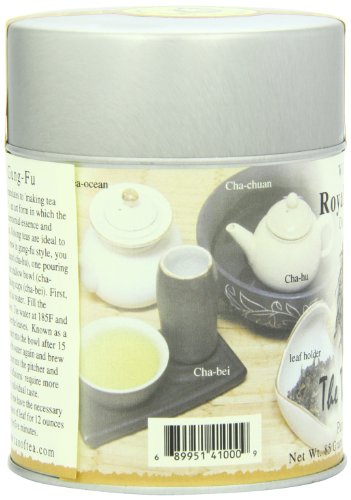
For The Tao of Tea's Royal Phoenix specifically, proper brewing technique matters more than with many other teas. Use water around 190-200°F (not boiling — that can scorch the delicate leaves and mute the stone fruit flavors). Reviewers note that you may need about 2 teaspoons per cup rather than the usual 1 teaspoon to get the full flavor, since it's a lighter oolong. Steep for 3-5 minutes on the first infusion. The full leaves are also great for gongfu-style brewing with shorter, repeated steeps. One reviewer tip worth noting: the flavor actually strengthens as it cools, so don't rush through your cup.
Is this Royal Phoenix Oolong good for beginners?
Yes, with a small caveat. The tea itself is beginner-friendly — it has clear steeping instructions on the label, caffeine strength indicated, and it's forgiving if you brew it in a lighter green-oolong style. However, reviewers do note that it requires proper brewing technique to unlock its full flavor. Don't use boiling water, and use about 2 teaspoons per cup rather than 1. If you follow the instructions on the tin, you'll be fine. It's actually a great introduction to the world of single-origin oolong because the peach and stone fruit flavors are approachable and familiar.
Who is this tea best for?
This Royal Phoenix Oolong hits a sweet spot for a few types of tea drinkers. It's great for someone moving beyond basic tea bags who wants to explore specialty loose leaf — the peach and stone fruit flavors are approachable and don't require an experienced palate to appreciate. It's also a strong pick for iced tea enthusiasts, since reviewers confirm it excels cold. Tea connoisseurs who enjoy gongfu-style brewing will appreciate the full leaves and layered flavor. However, if you want a bold, punchy tea that doesn't require much thought to brew, or if you're a single-steep-and-done type of person, this might not be the best fit.
As an Amazon Associate we earn from qualifying purchases.
Does this Royal Phoenix Oolong work as iced tea?
Absolutely — and it might even be the best way to enjoy it. Reviewers specifically call out that it works 'exceptionally well' as iced tea. This makes sense given its flavor profile: the stone fruit and peach notes become wonderfully refreshing when cold, and since the flavor actually strengthens as the tea cools, cold brewing brings out the fruitiness beautifully. For iced preparation, try cold-brewing by steeping the leaves in cold water in the refrigerator for 6-8 hours. It produces a clean, sweet, fruity iced tea without any bitterness.
Can you get multiple infusions from this oolong tea?
Yes — the full, unbroken leaves are designed for multiple infusions, and reviewers confirm they get good results from re-steeping. That said, one reviewer noted that the second infusion has about 50% of the first infusion's flavor, so there's a noticeable drop-off. This is typical for lighter oolongs (darker, roasted oolongs tend to hold up longer across infusions). For the best multi-steep experience, try gongfu-style brewing with more leaves and shorter steep times — this tends to distribute the flavor more evenly across infusions.
How long are you supposed to steep oolong tea?
For this Royal Phoenix Oolong, start with 3-5 minutes for Western-style brewing. If you're doing gongfu-style with more leaves and less water, shorter steeps of 30-60 seconds work well. The key thing reviewers mention is that this tea rewards patience and proper technique — rushing it with boiling water or very short steeps won't unlock the stone fruit and peach notes it's known for. The good news is that The Tao of Tea includes clear steeping instructions right on the label, so you don't have to guess.
Is 2.5 ounces of loose leaf tea a lot?
A 2.5-ounce (about 71 grams) tin is a moderate amount for loose leaf tea — typically enough for roughly 25-35 cups depending on how much leaf you use. However, there are two things to note with this specific product: reviewers recommend using 2 teaspoons per cup instead of the usual 1 teaspoon for full flavor, which means the tin will go through faster than you might expect. Some reviewers have also reported the actual weight being slightly less than the labeled amount. For someone trying the tea for the first time, 2.5 ounces is enough to experiment with different brewing methods and decide if it's a tea you want to keep in rotation.
How does The Tao of Tea compare to other oolong brands?
The Tao of Tea is a respected specialty tea company based in Portland, Oregon, known for direct sourcing from tea-growing regions. Their Royal Phoenix competes well on flavor — the stone fruit and peach notes are distinctive and well-reviewed. Where it loses some points is on value: you need more leaf per cup than many competing oolongs (2 tsp vs 1 tsp), and some reviewers have noted packaging changes from tin to cardboard in recent batches. The quality of the tea itself, though, consistently earns praise for its aroma, flavor complexity, and the soothing drinking experience it provides.
Should you add milk to oolong?
For this Royal Phoenix Oolong, we'd recommend against it. The whole appeal of this tea is its delicate stone fruit and peach flavors, and milk would completely mask those nuanced notes. Milk works better with heavily roasted or dark oolongs that have bold, robust flavors. This is a light, fruity, almost floral oolong that's best enjoyed straight so you can appreciate the nectarine and peach character that reviewers love. If you want a creamy tea experience, this isn't the right oolong for that.
As an Amazon Associate we earn from qualifying purchases.
What is Phoenix oolong tea?
Phoenix oolong (also called Dan Cong) is a style of oolong tea originating from the Phoenix Mountain region in Guangdong, China. What makes it distinctive is its natural fruit-like aroma — in the case of The Tao of Tea's Royal Phoenix, that means pronounced stone fruit and peach notes. It's a partially oxidized tea that sits between green and black tea, and the 'Royal' designation typically indicates a higher grade selection. Reviewers consistently highlight the peachy, nectarine-like flavor that actually intensifies as the tea cools, which is a hallmark of a well-made Phoenix oolong.
What's so special about oolong tea?
Oolong sits in a fascinating middle ground between green and black tea, and this Royal Phoenix is a great example of why that matters. Its partial oxidation creates flavor complexity you won't find in either green or black tea alone — in this case, natural stone fruit and peach notes with a slightly toasty, malty undertone. What makes this particular oolong special is that the flavor actually develops and intensifies as it cools, giving you a different experience from the first sip to the last. The full leaves also allow for multiple infusions, so one serving of leaves can give you several cups, each with a slightly different character.
How much caffeine is in Phoenix oolong tea?
Phoenix oolong tea typically contains a moderate amount of caffeine — roughly 30-50 mg per cup, though exact amounts vary based on brewing time and leaf quantity. That puts it below black tea and well below coffee. The Tao of Tea actually includes caffeine strength information on the label, which is a helpful touch. Because this is a lighter, more delicate oolong, its caffeine content tends toward the lower end of the oolong spectrum. If you're sensitive to caffeine, it's worth noting that multiple infusions from the same leaves will progressively reduce caffeine with each steep.
Which is better, green tea or oolong tea?
It depends on what you enjoy. Green tea tends to be grassy, vegetal, and straightforward. This Royal Phoenix Oolong offers something quite different — stone fruit, peach, and nectarine notes with a slightly toasty, malty quality. It's more complex and layered than most green teas. Health-wise, both are excellent sources of antioxidants. If you're new to specialty tea and enjoy fruit-forward flavors, this oolong might surprise you. Reviewers who came from green tea backgrounds often comment on how the natural fruitiness of Phoenix oolong opened up a whole new dimension of tea for them.
What brand is the best oolong tea?
There's no single 'best' brand — it depends on what you're looking for. The Tao of Tea is a well-regarded specialty tea company based in Portland, Oregon, known for sourcing directly from tea-growing regions. Their Royal Phoenix Oolong is a solid choice if you enjoy lighter, fruit-forward oolongs with peach and stone fruit notes. Reviewers praise its wonderful aroma and rich flavor. That said, if you prefer roasted or heavily oxidized oolongs, you'd want to look at different styles entirely. The Tao of Tea is a strong pick for quality loose-leaf oolong at a reasonable price point.
What is considered the best oolong tea?
The 'best' oolong depends entirely on your taste preferences. For light, fruity oolongs, Phoenix Dan Cong varieties like this Royal Phoenix are among the most prized — their natural stone fruit and floral notes are hard to find in other tea styles. For roasted, warming oolongs, Da Hong Pao or aged Tieguanyin are favorites. The Tao of Tea's Royal Phoenix is a strong choice if you enjoy peach and nectarine flavors in a delicate, soothing cup. Reviewers praise its aroma and the way its flavors develop as it cools, which is a sign of quality leaf processing.
As an Amazon Associate we earn from qualifying purchases.
How much oolong tea per day?
Most people comfortably drink 2-4 cups of oolong tea per day without issues. Since The Tao of Tea's Royal Phoenix is a lighter, more delicate oolong with moderate caffeine, it's well-suited for multiple cups throughout the day. Reviewers describe it as 'soothing' and great for afternoon sessions. Just be mindful of caffeine if you're sensitive — you may want to switch to herbal tea in the evening. The good news is that the full leaves support multiple infusions, so you can get several cups from a single serving of leaves.
Is it okay to drink oolong tea every day?
Yes, oolong tea is generally fine to drink daily, and many tea enthusiasts do exactly that. The Tao of Tea's Royal Phoenix is a lighter, more delicate oolong, so it's gentle enough for everyday drinking. It does contain caffeine (moderate levels, less than black tea or coffee), so you may want to avoid it late in the evening. Reviewers describe it as 'soothing' and pleasant for regular afternoon sessions, which suggests it's a comfortable daily drinker rather than something overpowering.
When not to drink oolong tea?
Since this Royal Phoenix does contain caffeine, avoid it close to bedtime if you're caffeine-sensitive. It's also best to avoid drinking it on a completely empty stomach, as the moderate tannin content can sometimes cause mild stomach discomfort. Reviewers find this particular oolong soothing and gentle, so it's less likely to cause issues than bolder teas, but the standard advice still applies. It's a great light afternoon tea — just probably not your best choice right before sleep.
Is oolong tea good for your stomach?
Oolong tea is generally easier on the stomach than green tea due to its partial oxidation, and reviewers describe this Royal Phoenix as 'soothing' — which suggests it's gentle enough for regular consumption. It's a lighter oolong, so it's not as heavy or tannic as darker varieties. That said, like any caffeinated tea, drinking it on an empty stomach might cause mild discomfort for sensitive individuals. Having it as an afternoon tea with or after a light snack is a comfortable way to enjoy it.
What happens if I drink oolong tea every day?
Regular oolong tea consumption is associated with antioxidant intake, potential metabolic benefits, and improved heart health markers — though these are general oolong benefits, not specific to this product. What reviewers of this Royal Phoenix do mention is that it becomes a genuinely pleasant daily ritual. The soothing quality makes it an easy tea to reach for repeatedly, and the full leaves support multiple infusions per session, so one serving goes further than you'd think. Just be mindful of caffeine if you're drinking several cups daily.
What is oolong tea good for?
Beyond the general health benefits of oolong (antioxidants, potential metabolic support), this Royal Phoenix is specifically good for moments when you want a calming, contemplative tea experience. Reviewers highlight its soothing effect and pleasant drinking experience. It's particularly good for light afternoon tea sessions, iced tea preparation (reviewers say it works exceptionally well cold), and for tea enthusiasts who enjoy brewing multiple infusions from the same leaves. It's a tea that rewards slowing down.
As an Amazon Associate we earn from qualifying purchases.
Does oolong tea have caffeine?
Yes, all true oolong tea contains caffeine, including this Royal Phoenix. It has moderate caffeine — more than most green teas but less than black tea or coffee. The Tao of Tea helpfully indicates the caffeine strength right on the label. Because this is a lighter-style oolong, its caffeine content is on the gentler end. And since the full leaves support multiple infusions, each subsequent steep will have progressively less caffeine, which is handy if you're watching your intake later in the day.
Is oolong stronger than coffee?
No — oolong tea has significantly less caffeine than coffee. A cup of coffee typically has 95-200 mg of caffeine, while oolong generally contains 30-50 mg per cup. This Royal Phoenix is on the lighter end of oolongs, so it's even gentler. If you're looking to reduce your coffee intake but still want a flavorful, satisfying warm drink with a mild caffeine lift, this would be a good transition tea. The stone fruit and peach flavors give it enough character to feel like a proper ritual, not just hot water.
Is oolong tea a stimulant?
Oolong tea contains caffeine, which is technically a stimulant, but the effect is much milder than coffee. This Royal Phoenix is a lighter oolong with moderate caffeine, and it also contains L-theanine — an amino acid that promotes calm focus and takes the jittery edge off caffeine. Reviewers describe this tea as 'soothing,' which fits the experience of L-theanine working alongside caffeine. You'll get a gentle alertness rather than the spike-and-crash cycle associated with stronger stimulants.
Why do Chinese people drink oolong tea?
Oolong tea has been a cornerstone of Chinese tea culture for centuries, particularly in Fujian and Guangdong provinces where Phoenix oolong (Dan Cong) originates. It's prized for its complexity — the partial oxidation process creates layered flavors that reward careful brewing, which aligns with the Chinese gongfu tea tradition of short, repeated infusions. The Tao of Tea's Royal Phoenix specifically comes from this tradition, with full leaves designed for multiple steeps where each infusion reveals different aspects of the tea's character. It's as much about the process and contemplation as it is about the drink itself.
What is the queen of oolong tea?
The term 'queen of oolong' is sometimes used for Tieguanyin (Iron Goddess), a famous Fujian oolong. Phoenix oolong like this Royal Phoenix comes from a different tradition — the Guangdong province Dan Cong family, which is prized for its naturally occurring fruit and floral aromatics. While it may not carry the 'queen' title, Phoenix oolongs are considered some of the most aromatic and flavor-complex oolongs available. The Tao of Tea's version delivers on that reputation with its signature peach and stone fruit notes.
What Customers Love
⚠️ Limited sample based on limited customer feedback (11 reviews) • Our methodology
- Stone fruit/peachy flavor that intensifies as it cools (3 mentions)
- Wonderful aroma (2 mentions)
- Rich and soothing flavor (2 mentions)
- Full leaves that yield multiple infusions (2 mentions)
- Quality tin packaging with double lids (earlier version) (2 mentions)
- Works well as iced tea (1 mentions)
Taste Profile
- light
- fruity
- malty
- soothing
- soft
- distinctive
- slightly toasty
Best Use Cases
🎯 Best For
- Iced tea preparation
- Light afternoon tea
- When seeking soothing, gentle tea
- Multiple infusions with proper technique
⚠️ Not Ideal For
- Quick brewing with boiling water
- When you want bold, strong flavors
- Single-infusion convenience brewing
What to Consider
- Requires proper brewing technique to unlock full flavor (2 mentions)
- Second infusion has significantly less flavor (50% of first) (1 mentions)
- Fruity notes not as pronounced as advertised (1 mentions)
- Packaging downgraded from tin to cardboard tube (1 mentions)
- Actual weight less than labeled (55-56g vs 71g claimed) (1 mentions)
- Poor shipping packaging (flimsy envelope for metal can) (1 mentions)
⚠️ Important: This analysis is based on limited customer feedback (11 reviews). We've shared what we found, but there may be additional considerations we haven't captured.
About This Analysis
This analysis is based on 11 customer reviews. We're showing you everything we found, but with a small sample, there's a lot we likely haven't captured yet.
✅ What we're confident about: What customers love and best use cases
⚠️ What may be incomplete: Potential issues and considerations
For more perspectives, check customer reviews on Amazon.
Product Selection
In short: We only feature high-rated products.
Products on TeaDelight.net are selected based on strong Amazon customer ratings, sufficient review volume, and market presence. We focus on well-regarded products that tea enthusiasts are actively considering and purchasing.
As an Amazon Associate we earn from qualifying purchases.
You Might Also Like

✅ Fresh aroma when properly packaged
Twinings Pure Oolong Tea (20 Count, Original)

✅ Good flavor quality
Twinings Pure Oolong Tea (20 Count)

✅ Unsweetened and refreshing
Ito En Golden Oolong Tea Unsweetened

✅ Balanced peach flavor (not overpowering)