

We analyze real customer reviews to surface what matters: key strengths, ideal use cases, and honest considerations — so you can make an informed choice.
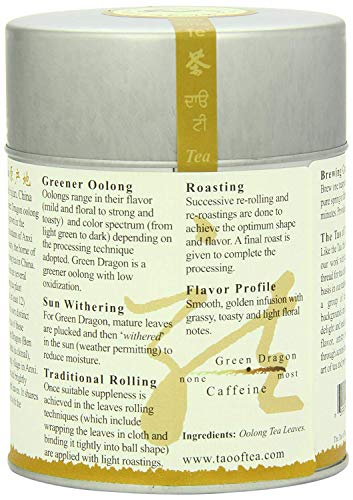
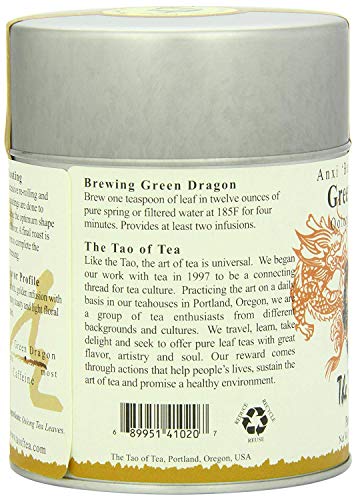
The Tao of Tea Green Dragon Oolong
A delicate, smooth oolong with grassy character and subtle toasted chestnut notes — whole-leaf quality that rewards multiple infusions.
🎯 Best for: Daily tea routine, Transition from tea bags to loose leaf
🍃 Tastes like: grassy, toasted chestnut (subtle)

🍃 Flavor Profile
Strength: Delicate
Notes: grassy, toasted chestnut (subtle)
✅ What Customers Love
- Smooth, light flavor profile (5 mentions)
- Aromatic and flavorful despite lightness (3 mentions)
- Whole leaves (not broken) (2 mentions)
🎯 Best For
Daily tea routine • Transition from tea bags to loose leaf • Morning or afternoon tea for those preferring lighter flavors • Multiple steepings throughout the day
Brand: The Tao of Tea
Category: Oolong Tea
As an Amazon Associate we earn from qualifying purchases.
About This Oolong Tea
Green Dragon Oolong sits at the lighter, greener end of the oolong spectrum, with a smooth, grassy flavor and a quiet hint of toasted chestnut that emerges gently rather than asserting itself. The whole leaves — not broken or fannings — hold up well across three or more steepings, making it a natural fit for a slow morning or an afternoon spent at the desk. Reviewers who came to it from bagged tea consistently describe it as a welcoming entry point into loose leaf brewing, appreciating its forgiving, non-bitter character. Those seeking a punchy, roasted, or complex oolong will likely find it too subtle. Best suited to drinkers who prefer lighter teas, are transitioning from bags to loose leaf, or want a gentle daily cup that can be re-steeped throughout the day.
Is The Tao of Tea Green Dragon Oolong Right for You?
What does The Tao of Tea Green Dragon taste like?
Reviewers consistently describe it as smooth, light, and grassy with subtle toasted chestnut notes. The word that comes up most is 'smooth' — this is not a tea that hits you with bold flavor. It's delicate and aromatic, almost surprisingly flavorful given how light it is. Multiple reviewers mention being pleasantly surprised by how much aroma and taste it delivers despite its gentle nature. That said, if you prefer strong, bold teas, you may find it too mild — a few reviewers wished for more punch.
Is The Tao of Tea Green Dragon too weak?
It depends on your preference. This is genuinely a delicate tea — that's its character, not a flaw. Reviewers who appreciate light, smooth teas love it and praise its aromatic quality despite the lightness. But 4 out of the reviewers who weighed in found it too light or weak for their taste. If you typically drink strong black teas or dark roasted oolongs, you'll likely find it underwhelming. If you enjoy subtle, nuanced flavors — or you're coming from green tea — you'll probably appreciate its smoothness.
Is Green Dragon oolong good for beginners?
It's one of the best beginner oolongs you can find. Multiple reviewers specifically mention it as their first loose leaf tea experience, and they loved it. The flavor is forgiving — smooth and light, so there's no harsh bitterness even if your steeping time isn't perfect. The whole leaves are easy to work with in any infuser, and one reviewer even uses it successfully in a reusable Keurig K-cup. If you've been drinking tea bags and want to try loose leaf, this is a low-risk, high-reward starting point.
Can you re-steep The Tao of Tea Green Dragon?
Absolutely — and you should. The whole, unbroken leaves are specifically suited for multiple infusions. Reviewers report getting 3 or more good steepings from a single serving, with the flavor evolving slightly each time. This is actually how oolong is traditionally enjoyed in Chinese tea culture. It also means the 3.5-ounce tin goes further than you might expect, since each serving gives you multiple cups rather than just one.
How does Green Dragon compare to other oolong teas?
Green Dragon is on the lighter, greener end of the oolong spectrum. Unlike heavily roasted oolongs (like Da Hong Pao or dark Tieguanyin) that have deep, toasty, sometimes smoky flavors, Green Dragon is grassy and smooth with just a hint of toasted chestnut. Think of it as oolong with green tea sensibilities. It's less complex than high-end Taiwanese high-mountain oolongs, but it's also more accessible and forgiving — a solid everyday oolong rather than a special-occasion tea.
Who should buy The Tao of Tea Green Dragon?
It's ideal for three groups: beginners transitioning from tea bags to loose leaf (forgiving flavor, easy to brew), daily tea drinkers who prefer lighter flavors for morning or afternoon, and anyone looking to replace coffee or soda with something gentler. It's also great if you enjoy the ritual of multiple infusions from the same leaves. Who should skip it? Anyone who wants a bold, in-your-face oolong or doesn't have any kind of infuser or strainer — you'll need some way to keep the whole leaves out of your cup.
As an Amazon Associate we earn from qualifying purchases.
What is the best way to prepare oolong tea?
For The Tao of Tea Green Dragon specifically, use water around 185–195°F (just below boiling) and steep for 2–3 minutes. Because these are whole leaves, they unfurl beautifully and can handle multiple infusions — reviewers report getting 3 or more steepings from the same leaves, with the flavor shifting subtly each time. Some buyers even use it in a reusable K-cup in their Keurig, which works surprisingly well according to reviews. A small mesh infuser or gaiwan is ideal for getting the most out of these whole leaves.
How long are you supposed to steep oolong tea?
For a lighter oolong like Green Dragon, 2–3 minutes is the sweet spot for the first infusion. Since the flavor is naturally delicate and smooth, over-steeping can pull out bitterness — one reviewer did note a bitter taste, which can happen if you push past 4 minutes or use boiling water. The beauty of whole-leaf oolong is that you can re-steep: try 2 minutes the first time, then add 30 seconds for each subsequent infusion. Reviewers mention getting 3+ good steepings this way.
How much oolong tea leaves per cup?
For The Tao of Tea Green Dragon, use about 1–2 teaspoons of loose leaves per 8 oz cup. Since these are whole, unbroken leaves, they're a bit bulkier than broken-leaf teas, so lean toward the fuller end if you want more flavor. The 3.5-ounce tin gives you quite a few cups, especially since these leaves are good for multiple infusions — you can get 3+ steepings from a single serving, making the tin last longer than you'd expect.
Should you add milk to oolong?
With The Tao of Tea Green Dragon, adding milk isn't recommended. This is a delicate, light oolong with subtle grassy and toasted chestnut notes — milk would completely overpower those flavors. Milk works better with heavily roasted or darker oolongs. If you want to experiment, a touch of honey pairs better with Green Dragon's light profile. Several reviewers specifically mention enjoying it with honey, and one noted it helps with allergy symptoms when combined that way.
Does Green Dragon oolong work in a Keurig?
Surprisingly, yes. At least one reviewer specifically mentions using it with a reusable K-cup in their Keurig and getting good results. It's not the traditional way to brew oolong, but the fact that Green Dragon is a lighter, more forgiving tea means it adapts well to different brewing methods. You won't get the full multi-infusion experience this way, but if convenience is your priority, it works.
Does oolong tea have caffeine?
Yes, all true oolong teas contain caffeine, and Green Dragon is no exception. As a lighter, less-oxidized oolong, it typically contains around 30–50 mg of caffeine per cup — roughly half what you'd get from coffee. Reviewers specifically mention using it as a coffee and soda alternative, which suggests the caffeine level is enough to provide a gentle lift without the jitters. The multiple-infusion approach also lets you control your intake: the first steep has the most caffeine, with each subsequent cup having less.
As an Amazon Associate we earn from qualifying purchases.
Is oolong stronger than coffee?
No — caffeine-wise, Green Dragon oolong has roughly half the caffeine of a typical cup of coffee. Flavor-wise, this particular oolong is decidedly delicate, with smooth grassy notes and subtle toasted chestnut undertones. It's nothing like the bold punch of coffee. That said, several reviewers chose it specifically as a coffee alternative, appreciating the gentler energy and smoother experience. If you're looking to ease off coffee, Green Dragon's mild character makes it a comfortable transition.
How long does a 3.5 oz tin of Green Dragon last?
Longer than you'd think. At roughly 1–2 teaspoons per serving and 3+ infusions per serving, a 3.5-ounce tin can yield well over 50 cups of tea. For a daily drinker having 2–3 cups a day (from the same leaves), it could last about a month. That said, some reviewers have noted short expiration dates — sometimes just 3–6 months out — so check the date when you receive it and don't stockpile multiple tins.
Is The Tao of Tea a good brand?
The Tao of Tea is a well-regarded specialty tea brand based in Portland, Oregon, known for sourcing directly from tea gardens and emphasizing whole-leaf quality. With Green Dragon specifically, reviewers appreciate the whole, unbroken leaves and the aromatic quality of the tea. The brand has a loyal following among tea enthusiasts. One point of frustration some buyers have noted is inconsistent packaging — some receive the tea in the expected metal tin, while others get a cardboard container — but the tea quality itself is consistently praised.
What happens if I drink oolong tea every day?
Many reviewers of Green Dragon do exactly that — it's part of their daily tea routine. You'll get a steady intake of antioxidants, moderate caffeine (less jittery than coffee), and the calming L-theanine that oolong is known for. No reviewers report negative effects from daily consumption. The main practical benefit: at 3+ infusions per serving from these whole leaves, a single 3.5-ounce tin lasts a good while even with daily use. Just keep it to a reasonable amount (3–4 cups) and avoid it too late in the day if you're caffeine-sensitive.
What is considered the best oolong tea?
That depends on what you're looking for. If you prefer a delicate, smooth oolong with grassy and subtle toasted chestnut notes, The Tao of Tea Green Dragon is a solid choice — especially if you're newer to oolong or prefer lighter teas. It uses whole leaves rather than broken fragments, which is a mark of quality. For bolder, more roasted oolongs, you'd want to look at darker varieties like Da Hong Pao. Green Dragon sits firmly in the lighter, greener end of the oolong spectrum.
Which is better, green tea or oolong tea?
Green Dragon actually bridges the gap — it's a lightly oxidized oolong that sits very close to green tea in character. You get the smooth, grassy notes you'd find in a green tea, but with a touch more complexity from the partial oxidation (think subtle toasted chestnut undertones). If you enjoy green tea but want something a bit more nuanced without going full black tea, this is an excellent middle ground. Health-wise, both are rich in antioxidants, though they offer slightly different polyphenol profiles.
As an Amazon Associate we earn from qualifying purchases.
What's so special about oolong tea?
Oolong sits between green and black tea — partially oxidized, which gives it a complexity you can't get from either. Green Dragon specifically is on the greener, lighter end of that spectrum, which means you get smooth, grassy notes with hints of toasted chestnut, without the astringency of some black teas or the vegetal punch of a straight green tea. What makes it particularly appealing is the re-steepability: whole leaves that give you multiple cups from one serving, each slightly different from the last.
What is oolong tea good for?
Broadly, oolong is valued for its antioxidants, metabolism support, and as a gentler caffeine source than coffee. Green Dragon specifically is good for daily drinking, transitioning from tea bags to loose leaf (multiple reviewers praise it as their first loose leaf experience), and as a coffee or soda alternative. Its smooth, grassy flavor with toasted chestnut undertones makes it a versatile everyday tea — light enough for morning, refined enough for an afternoon pause. One reviewer even noted it helps with allergy symptoms when paired with honey.
Is oolong tea the healthiest tea?
Oolong tea is often cited alongside green tea as one of the healthiest options, thanks to its polyphenol content and partial oxidation that gives it a unique antioxidant profile. The Tao of Tea Green Dragon is a lighter oolong, closer to green tea in processing, so it retains more of those catechins associated with health benefits. Several reviewers mention drinking it daily as a coffee or soda alternative, which is a healthier swap in itself. Whether it's 'the healthiest' is debatable — all true teas have benefits — but oolong is certainly up there.
Is oolong tea good for your stomach?
Oolong is generally considered easier on the stomach than coffee or heavily fermented teas. Green Dragon in particular is a smooth, light oolong with very low astringency, which makes it gentle on digestion. Reviewers don't report any stomach issues, and its mild character suggests it's a good option for people with sensitive stomachs. That said, like any caffeinated tea, it's best not to drink it on a completely empty stomach.
Is oolong tea a stimulant?
Oolong tea contains caffeine and L-theanine, so technically yes, it's a mild stimulant. But the experience is quite different from coffee. The L-theanine promotes calm focus, so you get alertness without the crash. Green Dragon is a lighter oolong, so the stimulant effect is gentle — reviewers use it as a daily morning or afternoon tea, and some specifically switched to it from coffee and soda for a smoother energy curve.
What Makes This Product Special
⚠️ Preliminary analysis based on 19-review sample • Our methodology
- Smooth, light flavor profile (5 mentions)
- Aromatic and flavorful despite lightness (3 mentions)
- Whole leaves (not broken) (2 mentions)
- Good for multiple infusions (1 mentions)
Taste Profile
- smooth
- light
- mild
- grassy
Best Use Cases
🎯 Best For
- Daily tea routine
- Transition from tea bags to loose leaf
- Morning or afternoon tea for those preferring lighter flavors
- Multiple steepings throughout the day
⚠️ Not Ideal For
- Those seeking bold, strong oolong flavor
- Users without infuser or strainer
What to Consider
- Flavor too light/weak for some preferences (4 mentions)
- Packaging inconsistency (cardboard vs metal tin) (2 mentions)
- Short expiration dates upon arrival (2 mentions)
- Fishy smell reported (1 mentions)
- Bitter taste in some batches (1 mentions)
⚠️ based on 19-review sample. Some issues may not be captured.
About This Analysis
This analysis is based on 19 customer reviews. We're showing you everything we found, but with a moderate sample, there's a lot we likely haven't captured yet.
✅ What we're confident about: What customers love and best use cases
⚠️ What may be incomplete: Potential issues and considerations
For more perspectives, check customer reviews on Amazon.
Product Selection
In short: We only feature high-rated products.
Products on TeaDelight.net are selected based on strong Amazon customer ratings, sufficient review volume, and market presence. We focus on well-regarded products that tea enthusiasts are actively considering and purchasing.
As an Amazon Associate we earn from qualifying purchases.
You Might Also Like

✅ Fresh aroma when properly packaged
Twinings Pure Oolong Tea (20 Count, Original)
✅ taste quality
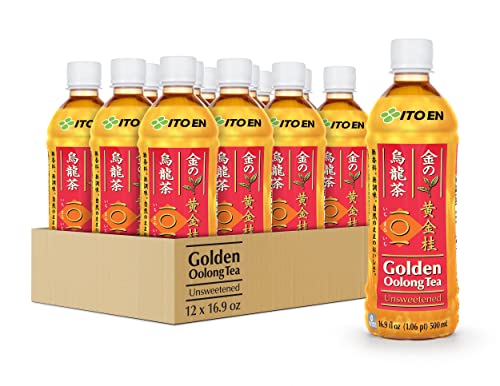
Ito En Golden Oolong Tea

✅ Light, mild flavor that's not bitter
Prince of Peace Organic Oolong Tea (100 Bags)

✅ Taste quality - described as delicious, yummy, tasty